
The climate crisis: 'change is possible'
"We are already seeing the impacts of climate change around the world today, in terms of extreme weather events, wildfires, floods, melting polar ice," says climate scientist Emily Shuckburgh, our Professor of Environmental Data Science. "These impacts will only increase if we don’t address climate change today. And that will result in a loss of human society and the natural world as we know it."
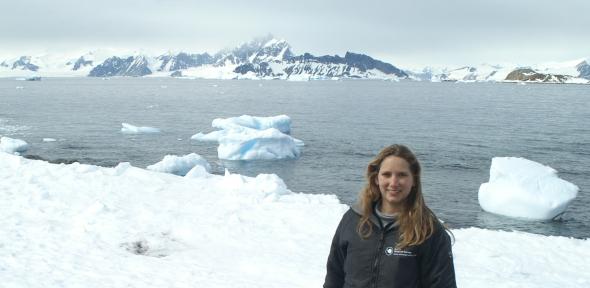 You might think that Emily would be
daunted by the scale of the challenge that we face in addressing
climate change. But in fact she is optimistic. She is also Director
of Cambridge Zero, the
University's major climate change initiative, and through her work
there, she sees opportunities as well as challenges as we act to
transition to a net zero world.
"My biggest cause for optimism is simply human ingenuity and creativity," she says. "I look around the University at all the exciting innovations here in new battery technology, zero carbon flight, or ways of taking greenhouse gases out of the atmosphere through nature-based solutions or technologies. There are so many opportunities for really making a positive difference to accelerate the transition to a zero carbon world."
Emily additionally leads the AI for the Study of Environmental Risks (AI4ER) initiative, which is co-hosted here. This doctoral training centre trains researchers to develop and apply leading edge computational approaches to address critical global environmental challenges. PhD student Joycelyn Longdon, for example, is currently using machine learning techniques to monitor the health, biodiversity and deforestation of Ghanaian forests.
The biggest challenge in getting to zero
carbon
"The biggest challenge of getting to zero carbon is the scale and the
speed at which it has to happen," says Emily. "It requires a major
realignment of the global economy, and that has to happen in an
inclusive and fair way. This decade is critical. If we don’t achieve
the emissions reductions required, we simply will not avert the worst
impacts of climate change."
She is still optimistic after COP 26, even though in some quarters this key global climate change conference was seen as having failed to deliver the international commitments necessary to tackle climate change.
"Yes, aspects of the conversations could have been stronger," she says. "But we may look back at this as being an important moment that has marked the end of the fossil fuel era and the dawn of a new green era. The text was watered down at the last minute with statements about 'phasing down' rather than 'phasing out' coal. But the text is abundantly clear that the days of fossil fuel are over and the days of new clean, green solutions are upon us. And I think that that transition will be the legacy of COP 26."
- Cambridge Conversations: Taking Action post COP
26. Watch Emily below in conversation with
Vice-Chancellor Professor Stephen J Toope, Clare Shine, CEO &
Director of Cambridge Institute for Sustainability Leadership and
current student James Miller (Pembroke) as they discuss whether COP26
has set a decisive pathway for achieving net-zero — and if we are now
in a position to take forward coordinated climate action. This video
appears on the Cambridge Alumni
YouTube channel.