Alan Blackwell

designing alternatives to AI

Who am I ?

Professor of Interdisciplinary Design at the University of Cambridge

I study how to make meaningful technology through creative practice, critical engagement, and new kinds of representation.

I am co-Director of Cambridge Global Challenges, and a Fellow of Darwin College.

Enquiries

Applying to work with me

I welcome enquiries. Please start by reading my advice on how to explain your specific research interests

Publications

For an overview of recent research browse my publications

Contact

  • Location : Computer Laboratory
  • Email : afb21@cam.ac.uk
  • Phone : +44 1223 334418
  • Address : William Gates Building, Cambridge CB3 0FD.
  • Old homes : 2022 | 2011

My Research

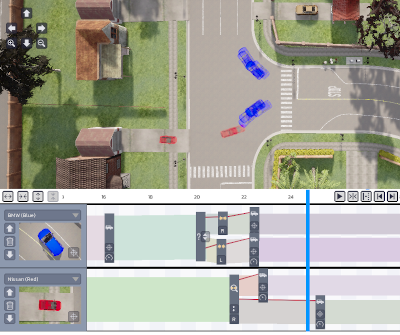
Screenshot of Multiverse Explorer
REPRESENTATION

The Multiverse Explorer domain-specific probabilistic programming language

Read more
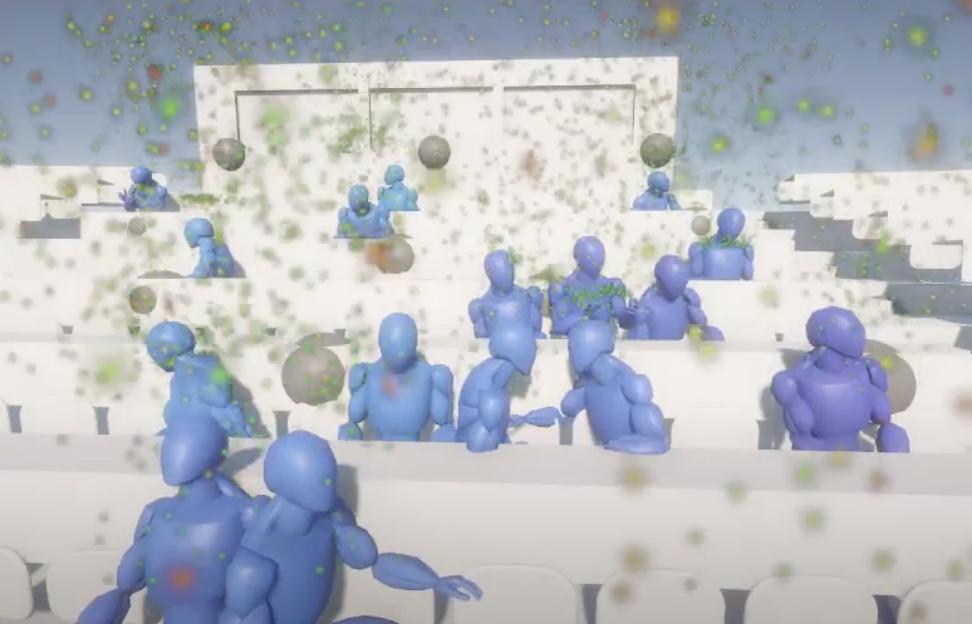
Digital Twin visualisation of lecture theatre
REPRESENTATION

Justas's rendering of atmospheric sensing in a virtual Digital Twin

Read more
Screenshot of Multiverse Explorer
REPRESENTATION

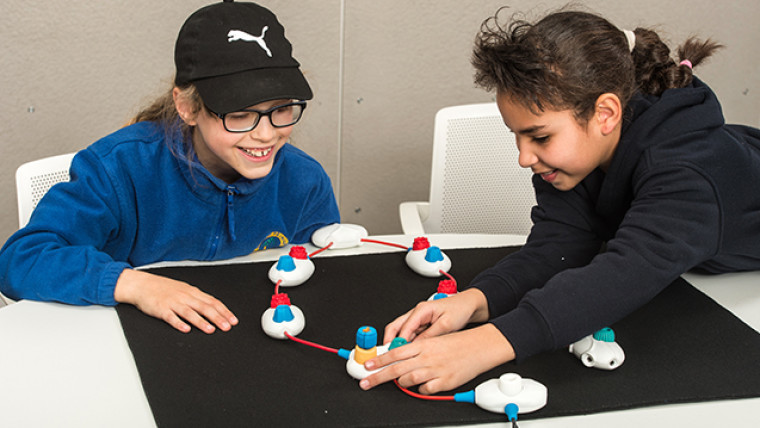
Torino: A tangible programming language inclusive of children with visual disabilities

Read more
A fragment of my bookshelf
DESIGN

Critical writing on technology and design

Read more
Cover of the book Live Coding: A User's Manual
ARTS

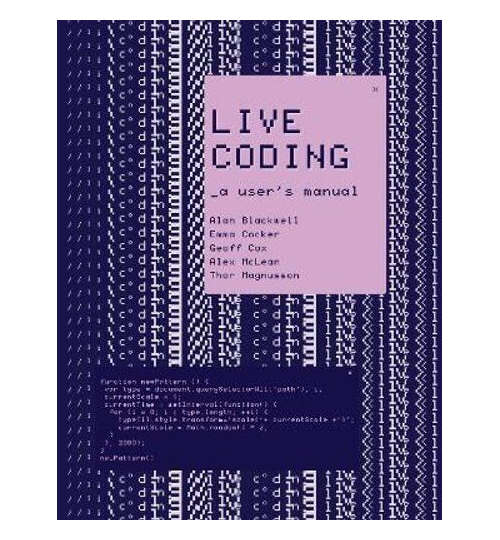
MIT Press book Live Coding: a user's manual

Read more
A dancer in front of a computer workstation
ARTS

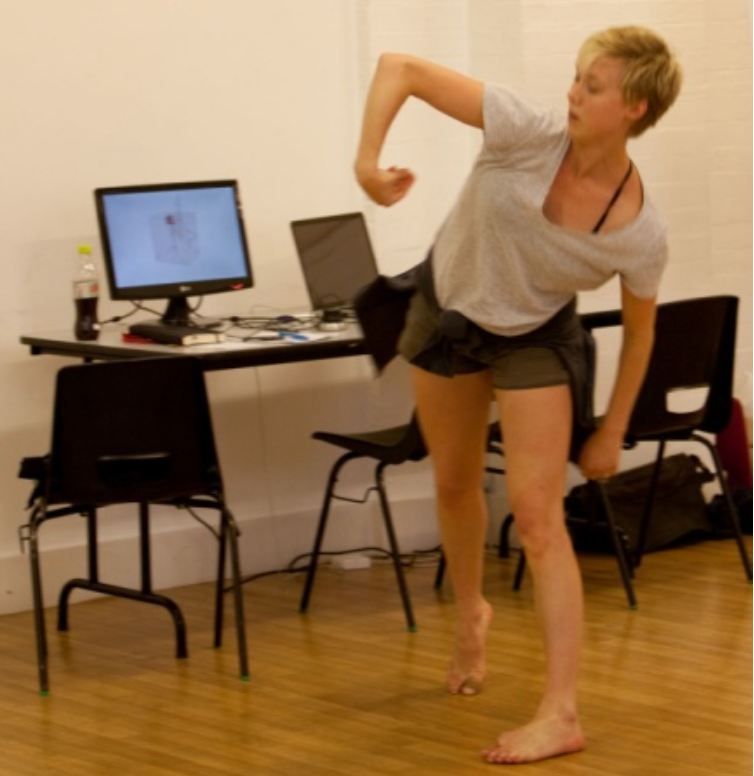
Development of a Choreographic Language Agent for sketching with Random Dance Company

Read more
Fragment of visualisation showing interconnections
DESIGN

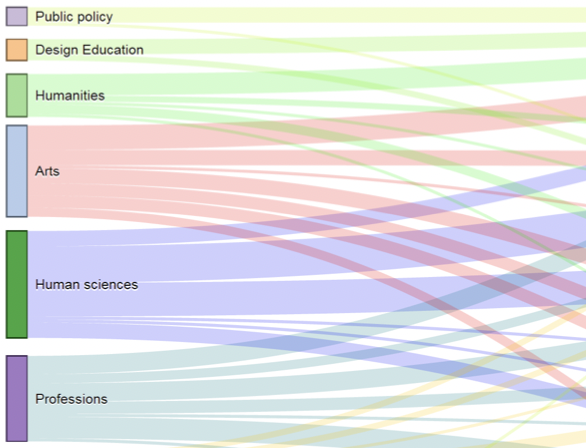
Proposal for HCI as an Interdiscipline drawing on analysis of Crucible projects

Read more
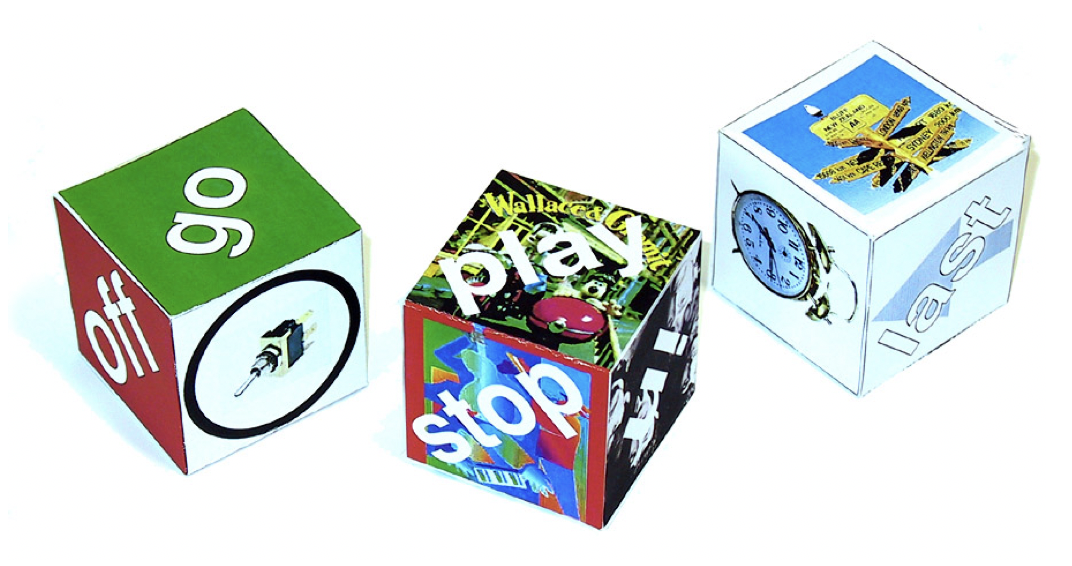
Three interactive cubers
REPRESENTATION

The AutoHAN Media Cubes tangible IoT programming language

Read more
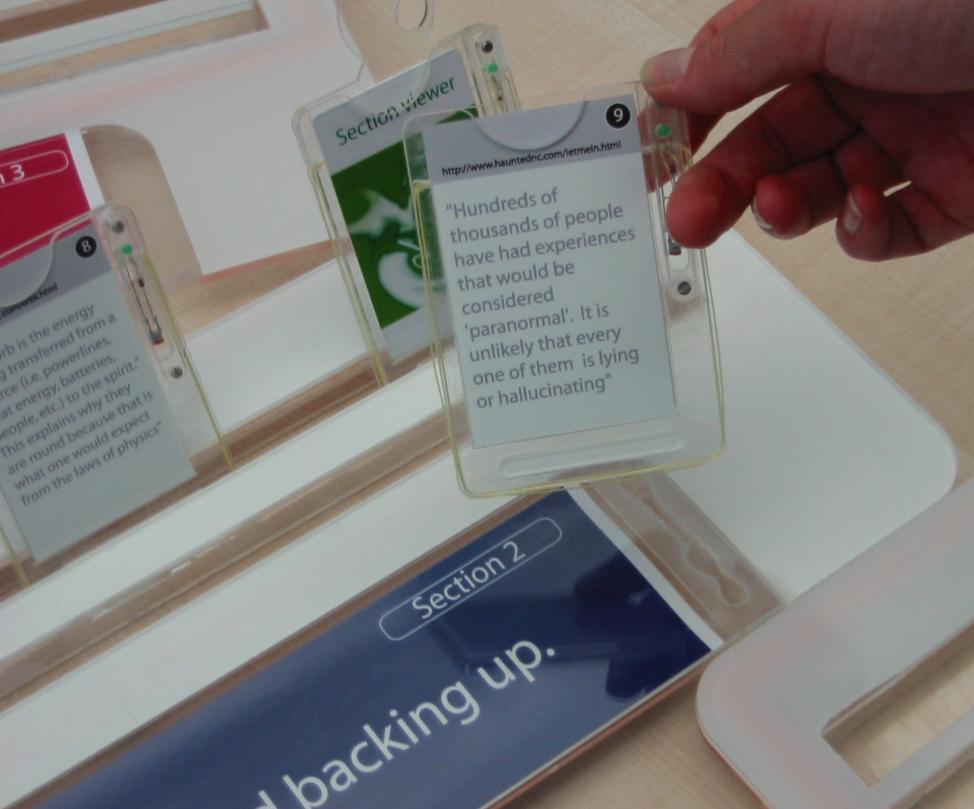
Person holding tangible interface
REPRESENTATION

The Webkit interface for rhetorical structure

Read more
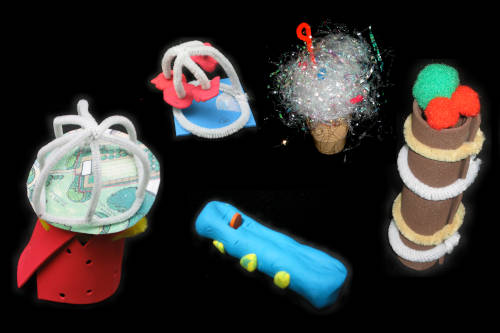
Tangible interaction prototypes
REPRESENTATION

Prototyping tangible user interfaces as solid diagrams

Read more
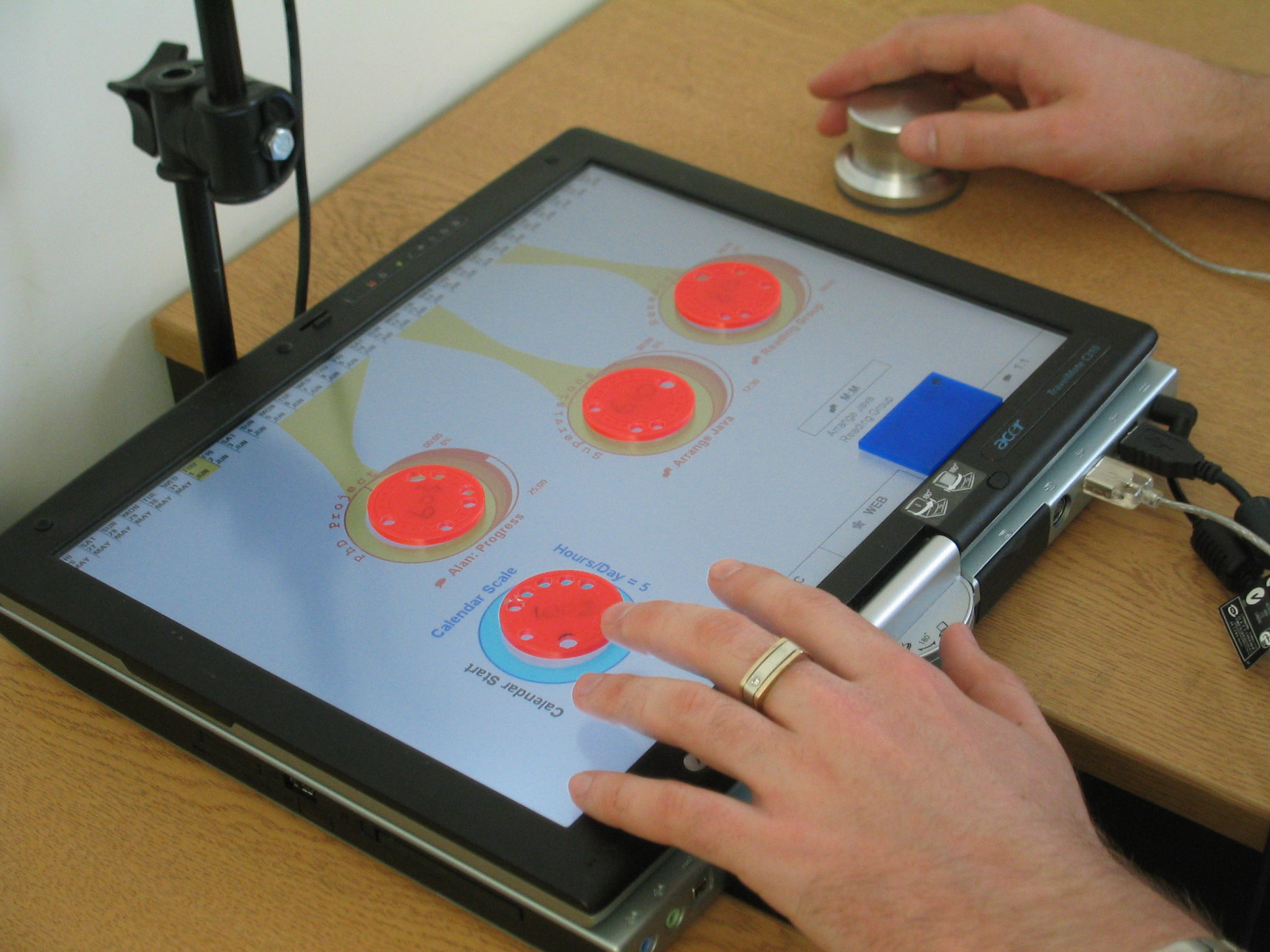
Tangible user interface
REPRESENTATION

Darren Edge's research on peripheral tangible interaction

Read more
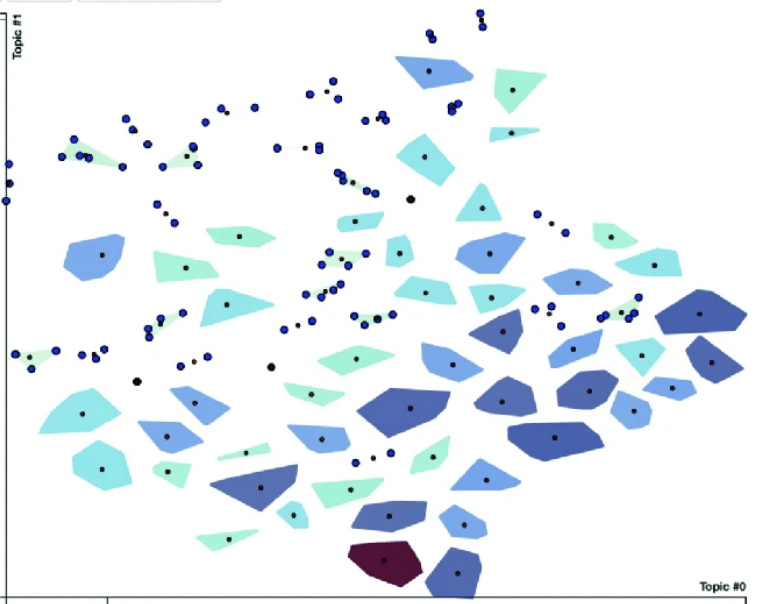
Fragment of visualisation showing blue polygons
REPRESENTATION

Ana Semrov's interactive visualisation of latent semantic spaces

Read more
Crucible network logo
DESIGN

The Crucible network for research in interdisciplinary design

Read more
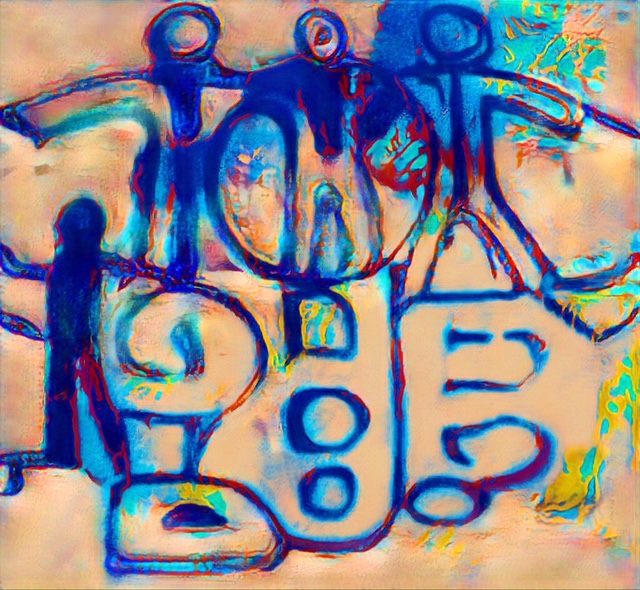
The letters A and I as a stylised layer over the Namibian desert
DESIGN

What would AI would look like if it was invented in Africa?

Read more
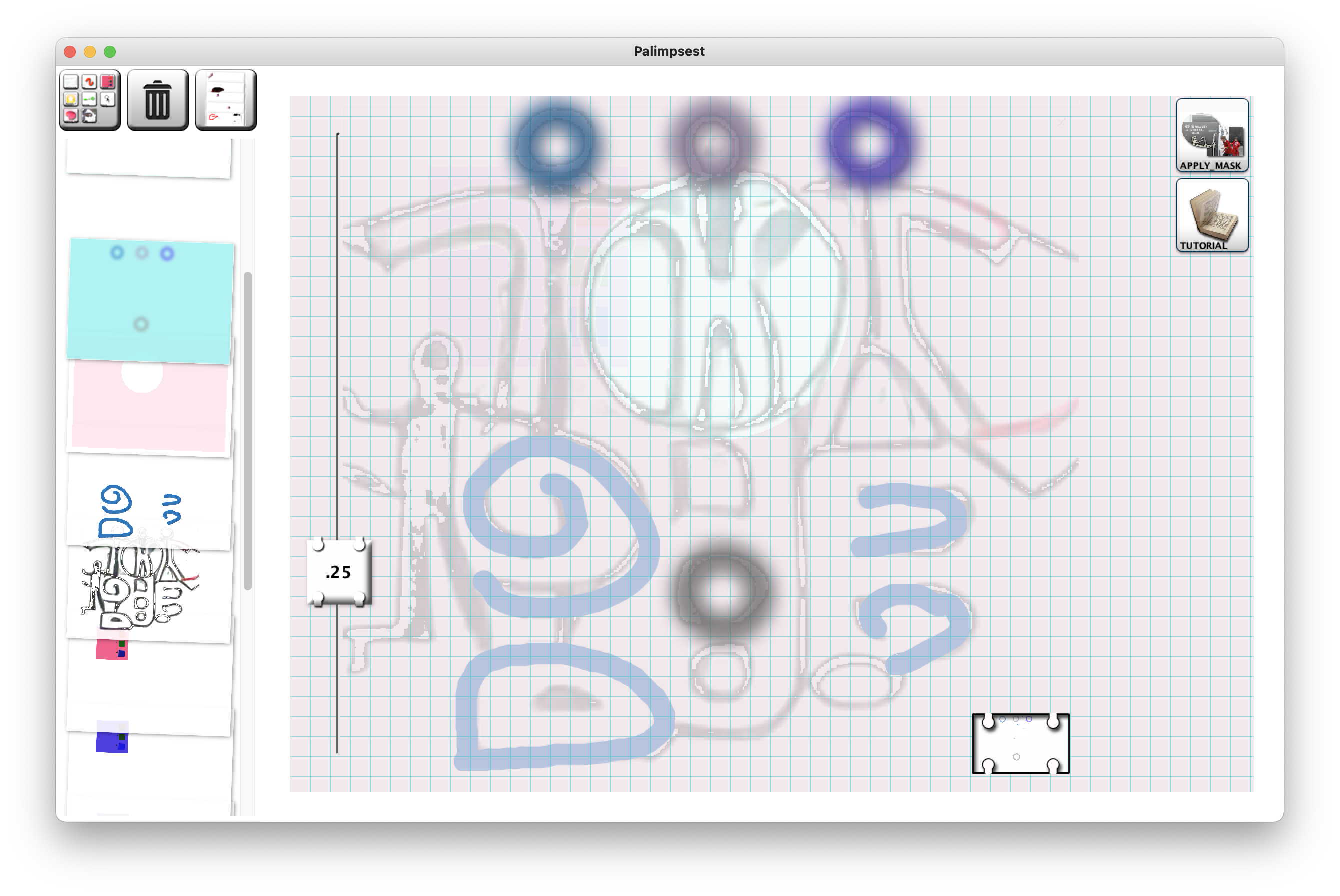
User interface of Palimpsest
ARTS

The Palimpsest system for live algorithmic image manipulation

Read more
Algorave performance
ARTS

Alan and Sam live-coding Minecraft as The Humming Wires at an algorave in Leeds

Watch video
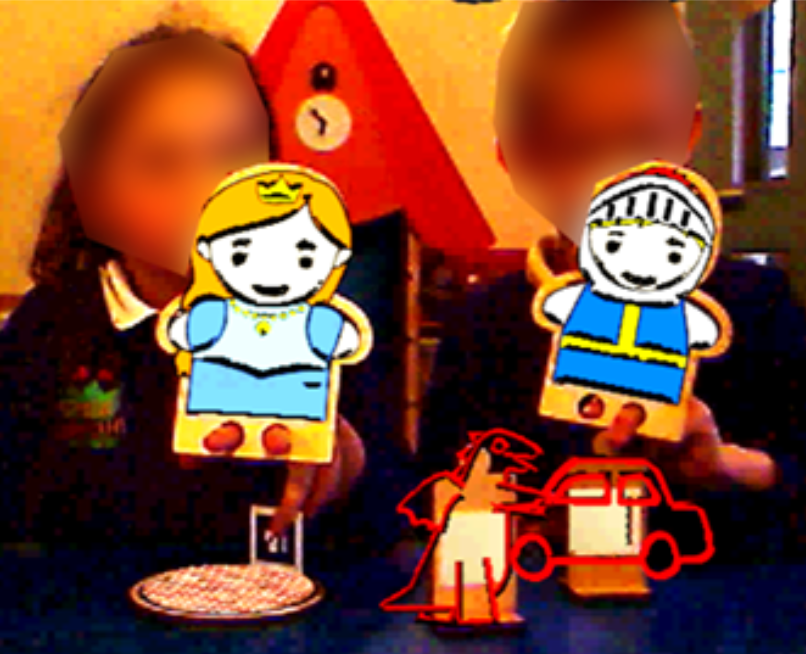
Children using augmented finger puppets
REPRESENTATION

Zhen Bai's FingAR system for pretend play in augmented reality

Read more
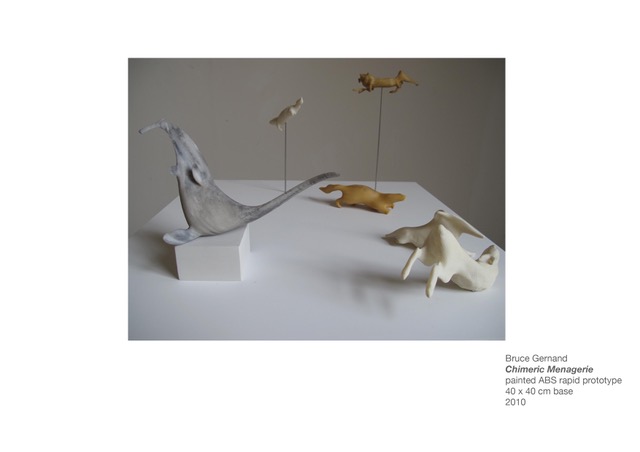
Bruce Gernand's Chimeric Menagerie
ARTS

Exhibition and book by Bruce Gernand - the Coded Chimera.

Read more
Across Design logo
DESIGN

Comparative investigation of practices Across Design

Read more
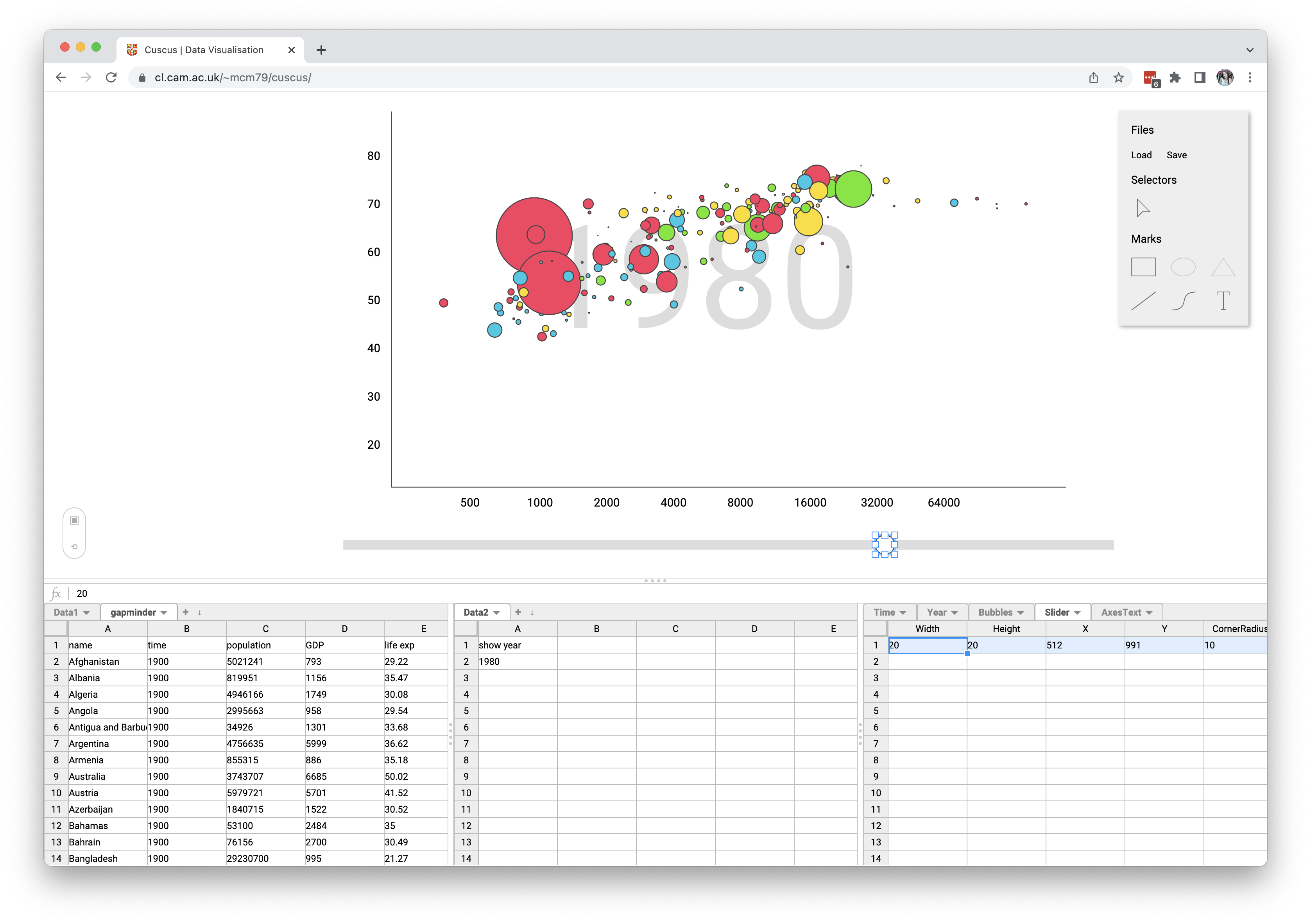
Mariana Marasoiu's Cuscus system
REPRESENTATION

Mariana Marasoiu's Cuscus end user programming tool for data visualisation

Read more
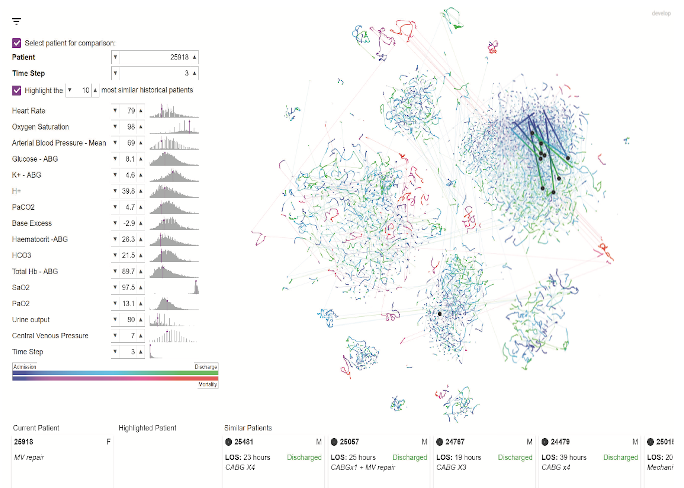
Cluster visualisation with user interface
REPRESENTATION

The ICUMAP visualisation of 10,000 patient records

Sonic Pi logo
ARTS

Sam Aaron's Sonic Pi music programming system

Read more

Moral Codes

MIT Press 2024

open access

original manuscript

My Teaching

Human-Centred AI

Practical Methods

P342 - course page (part II)

Practical Research in Human-centred AI is co-taught with Advait Sarkar (Microsoft Research Cambridge). Students design an original experiment, leading to a report suitable for publication.


Sociotechnical Theory

R225 - previous course page

Theories of Socio-digital Design for Human Centred AI was developed with Tomasz Hollanek (Leverhulme Centre for the Future of Intelligence), including MPhil students in Ethics of AI, Data and Algorithms, and in Digital Humanities. Not offered in 2025/26

Human-Computer Interaction

Further HCI

Part 1B - course page

Co-taught with Luke Church. This course provides an introduction to the principles of designing alternatives to AI, including modes of representation, intelligent interfaces, user experience and critical perspectives.

Computer Music

Part 2/3 - previous course page

Originally developed with Mark Gotham. Currently paused following his appointment at Kings College London.

Group Design Project

For students

Part 1B - course page

This design course, at the centre of the computer science degree, involves working for a term to create an advanced prototype, working with an external client. Co-taught with Rob Harle and Tobias Grosser.

For clients

Development - Wiki

Please contact me if you'd like to work with a student team as client/mentor for their design project.

My Studio

Rachel Thomas
Rachel Thomas

PhD student

Rachel is studying the potential of AI to enhance public understanding of mathematics, in a part-time project complementing her work as co-editor of Plus Maths. Co-supervised with Professor Hannah Fry in the Department of Applied Mathematics and Theoretical Physics (DAMTP).

Read more
Safir Hasan
Abdullah Hasan Safir

PhD student

Safir investigates cultural and epistemic biases in AI, in the specific context of Bangladesh. Co-supervised with Ramit Debnath in the Department of Architecture.

Read more
Joseph Cameron
Joseph Cameron

PhD student

Joseph creates new musical instruments, using AI to specify and manipulate the perception of timbre. Co-supervised with Peter Harrison at the Centre for Music and Science.

Read more
Sofija Stefanovic
Sofija Stefanovic

PhD student

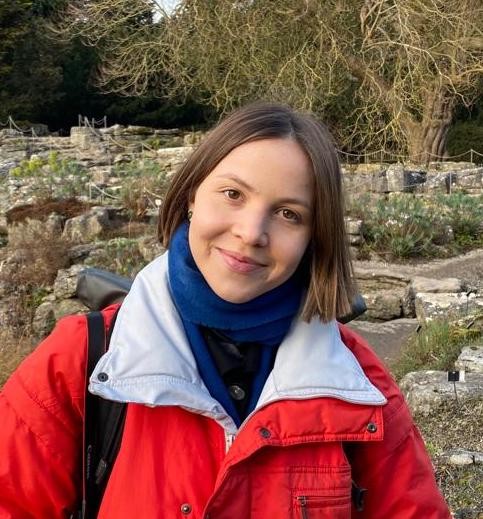
Sofija is a student with the AI for Environmental Risk CDT, investigating sensing infrastructure and citizen action.

Read more
Justas Brazauskas
Justas Brazauskas

PhD student

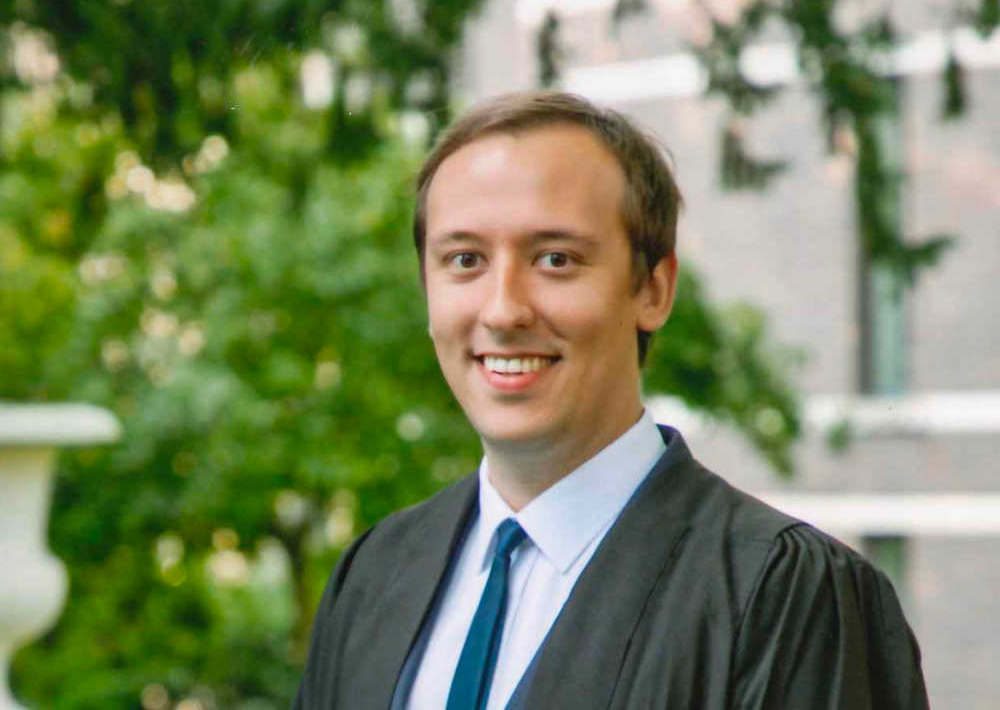
Justas is investigating critical design of digital twin infrastructure, co-supervised by Ian Lewis and Per Ola Kristensson, and funded by the Sensors Centre for Doctoral Training.

Read more
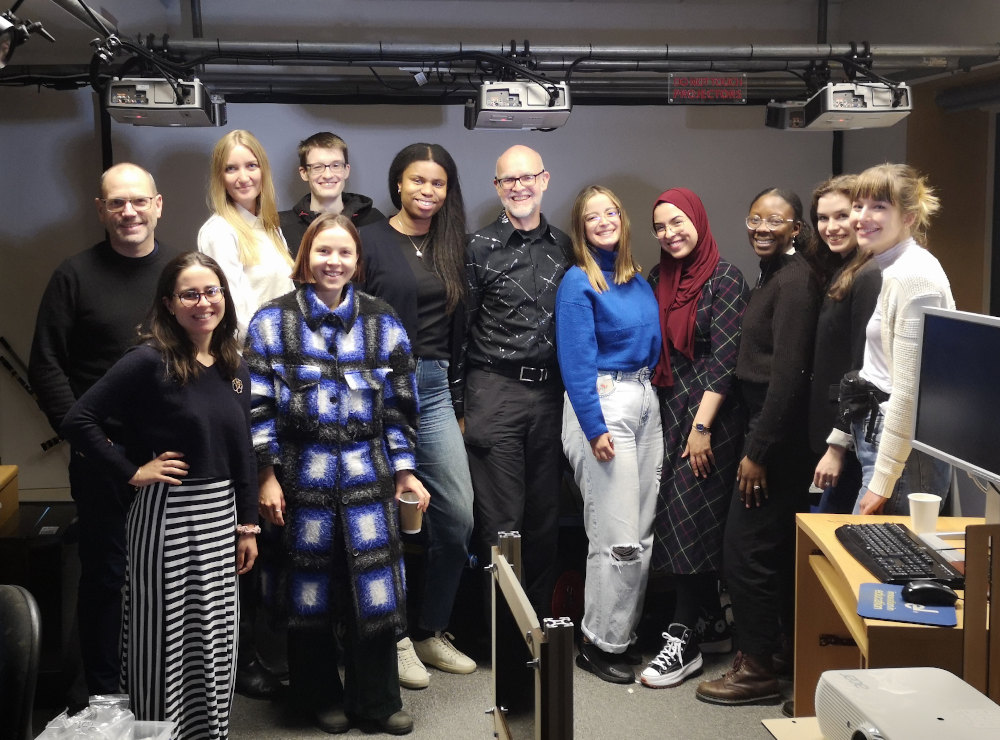
Studio X team, November 2022
Covid Studio X

2022/23 research team

During the UK's sustained lockdowns, there was one occasion in November 2022 when we met together: David, Bianca, Anna, Alexander, Sofija, Pamela, Alan, Malak, Oumaima, Joycelyn, Diana, Emma.

Described by David as "Studio X", a name we abandoned following Elon Musk's use of the name.
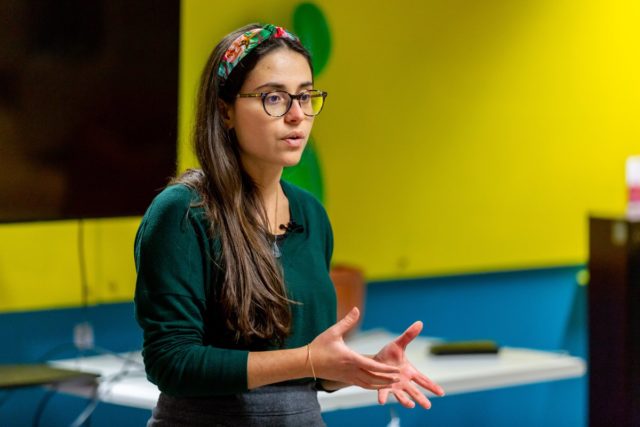
Photo of Bianca Schor. Image credit: D'agency pour Diversidays
Bianca Schor

Alumna

Bianca's PhD started from art history, to investigate the fundamentals of meaningful transparency, co-supervised by Jat Singh.

Read more
Joycelyn Longdon
Joycelyn Longdon

PhD student

Funded by the Centre for Doctoral Training in AI for Environmental Risk, Joycelyn is working with a community in Ghana on conservation eco-acoustics. Co-supervised by Jennifer Gabrys (Sociology), Adham Ashton-Butt (Britist Trust for Ornithology) and Emmanuel Acheampong (Kwame Nkrumah University of Science and Technology).

Read more
Diana Robinson
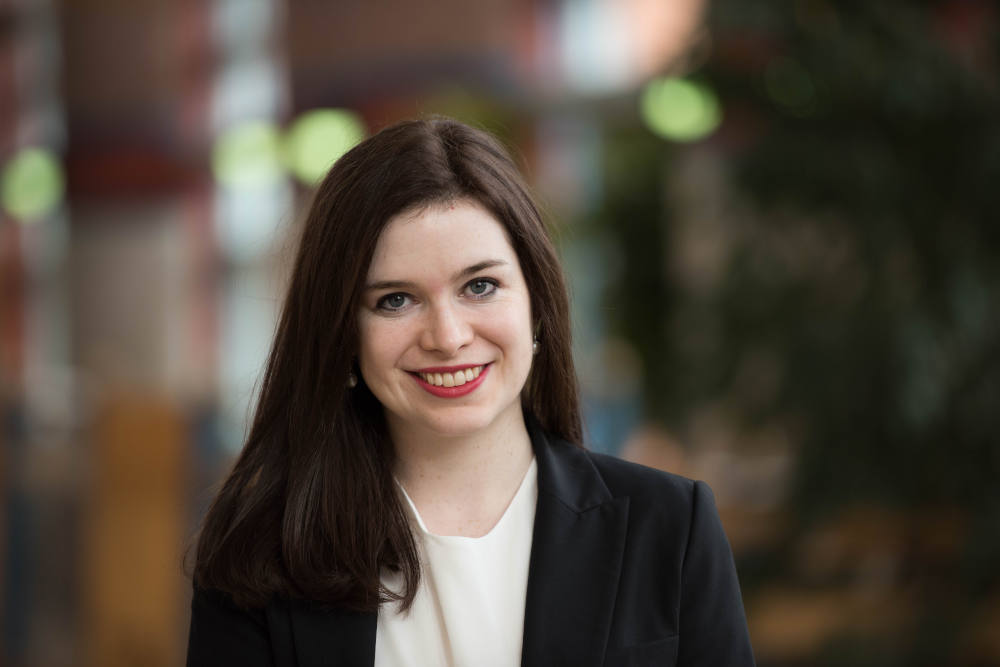
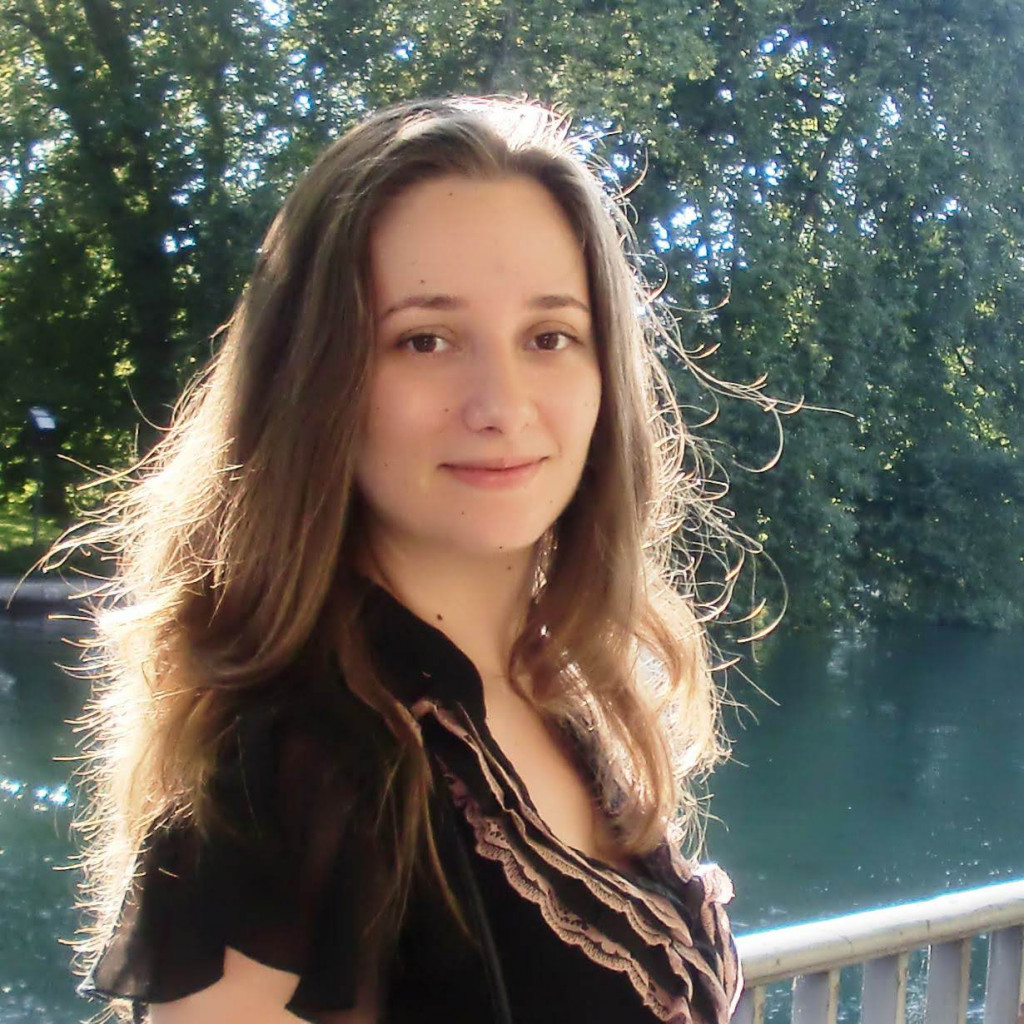
Diana Robinson

Alumna

Diana carried out a practice-based investigation of the ways that end-user domain-specific probabilistic programming languages could support clinical decisions.

Read more
Mariana Marasoiu
Mariana Marasoiu

Alumna

Mariana has completed an investigation of end-user tools for data visualisation, and works on data science applications and the design of novel programming tools. Her PhD was funded by BT, and co-supervised by Martin Spott and Detlef Nauck

Read more
Luke Church
Luke Church

Affiliated Lecturer

Luke's PhD investigated the design of programming languages from a human-centric and politically-informed perspective.

Read more