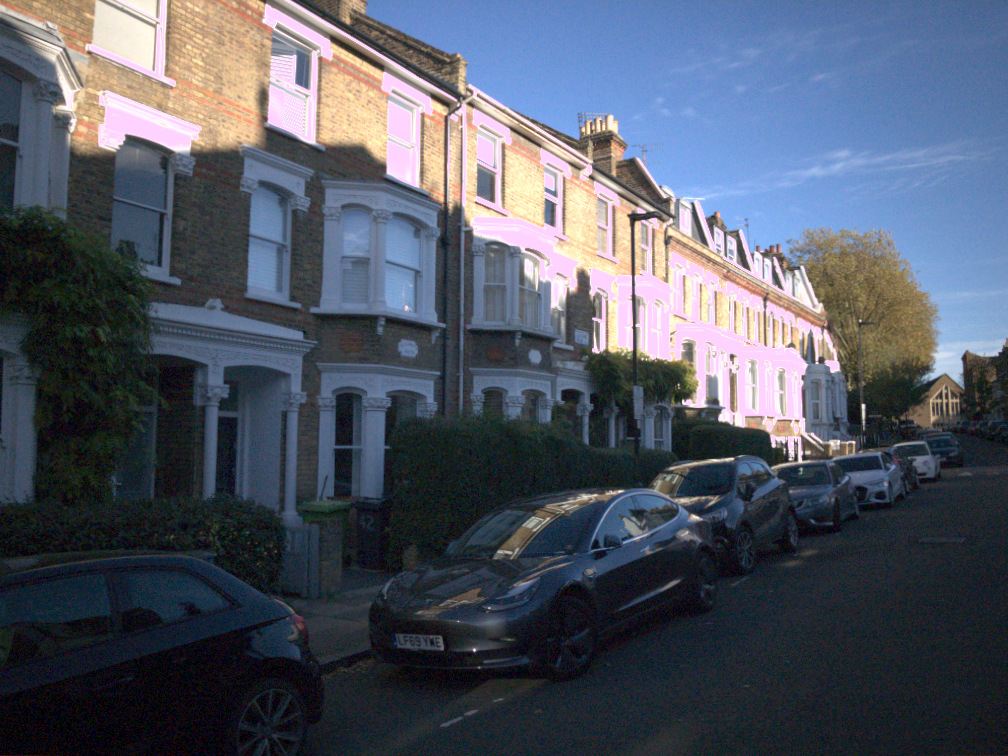
SVF removes NTF-v1's fixed 10 dB knee. Across calibrated synthetic noise it beats Vanilla 3DGS and NTF-v1 at every noisy level; on real Dark3R it overtakes NTF around 1/500, but the 1/800 case remains unsolved.
All runs use 30k iterations. SVF and NTF use manifest-calibrated noise coefficients; the corrected x64 pair replaces the older mismatched run.
| Noise | Vanilla 3DGS | NTF-v1 2DGS | SVF 2DGS | SVF − Vanilla | SVF − NTF |
|---|---|---|---|---|---|
| x0 | 27.990 / .89521 / .23542 | 29.373 / .93242 / .12282 | 29.079 / .93289 / .12048 | +1.089 dB | −0.294 dB |
| x4 | 28.269 / .89327 / .23851 | 26.787 / .91506 / .14024 | 30.145 / .93735 / .11172 | +1.877 dB | +3.359 dB |
| x16 | 27.712 / .88404 / .24070 | 27.828 / .91373 / .13331 | 30.068 / .92933 / .11427 | +2.356 dB | +2.239 dB |
| x64 | 26.110 / .83873 / .25668 | 28.007 / .88195 / .13892 | 28.942 / .89007 / .12061 | +2.831 dB | +0.934 dB |
Cells report PSNR ↑ / SSIM ↑ / LPIPS ↓. Synthetic display uses one fixed camera-to-sRGB transform; metrics remain camera-linear.
NTF has the highest PSNR by 0.29 dB, while SVF has slightly better SSIM and LPIPS. Both substantially outperform Vanilla 3DGS in this mixed-architecture comparison.
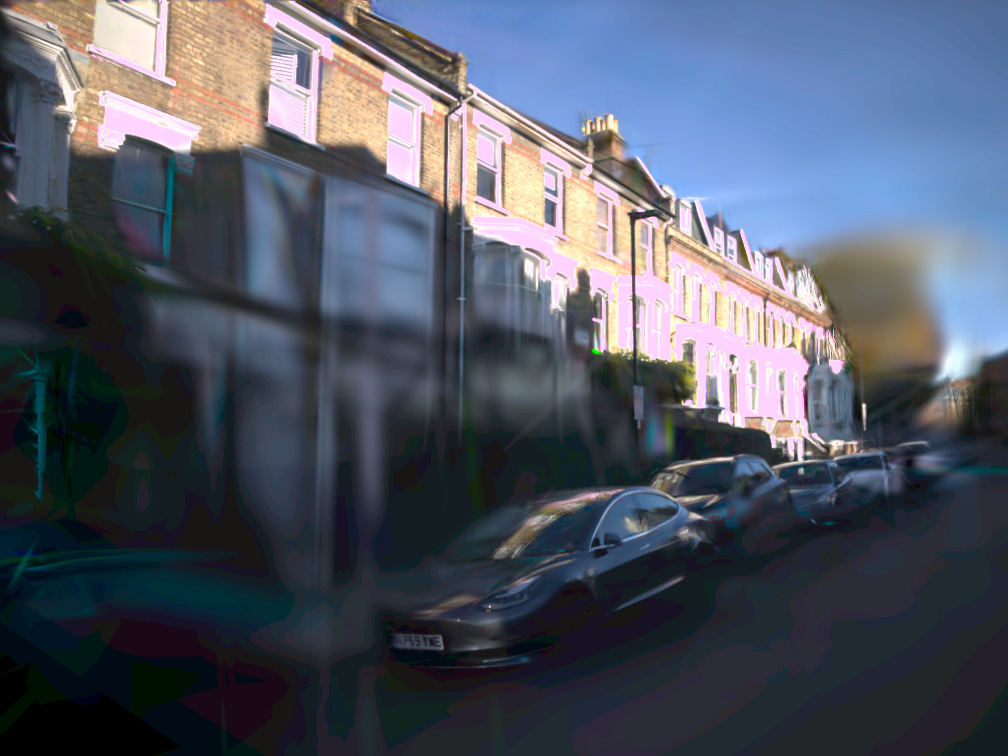

The fixed 10 dB NTF gate removes useful gradients even at moderate noise. SVF retains sharper facades, cars and tree structure and gains 3.36 dB over NTF.
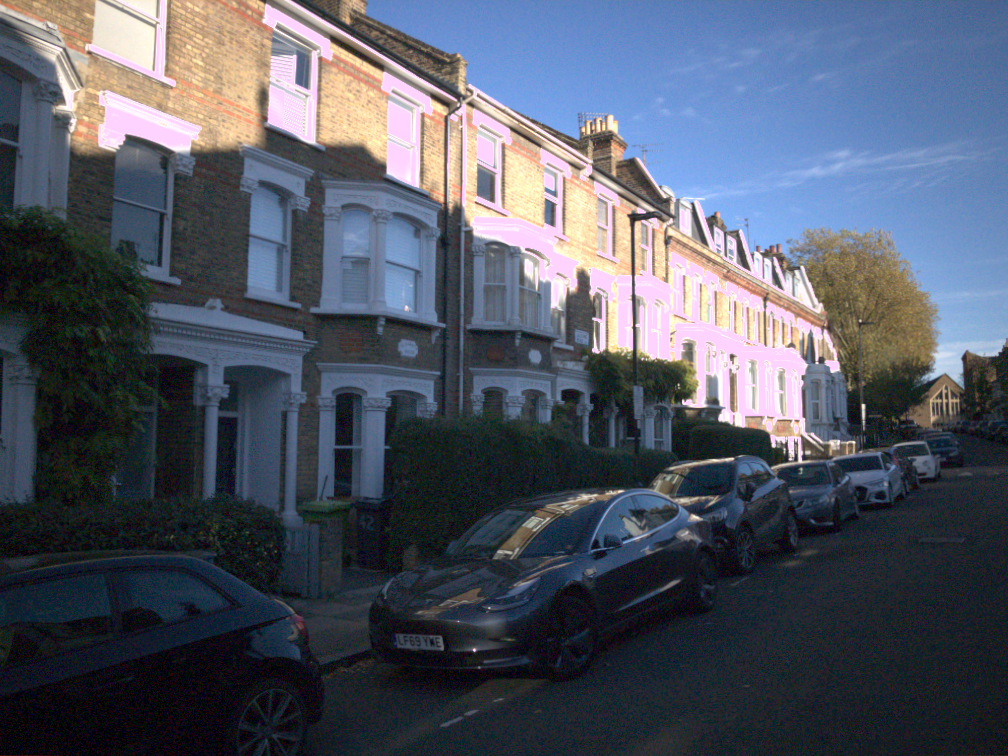
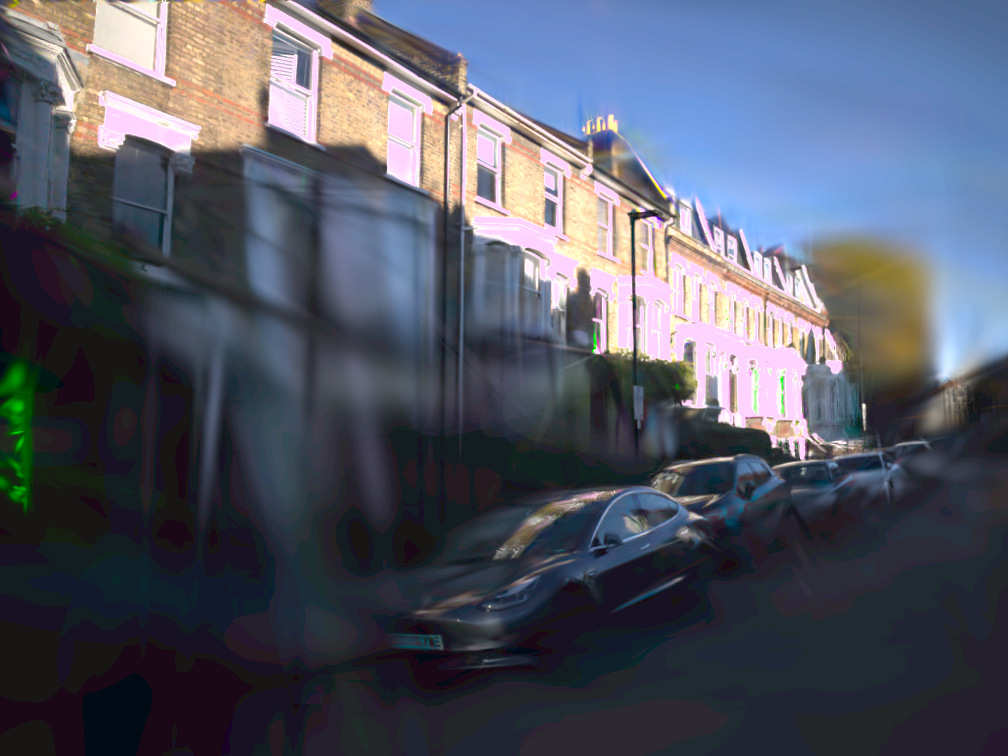
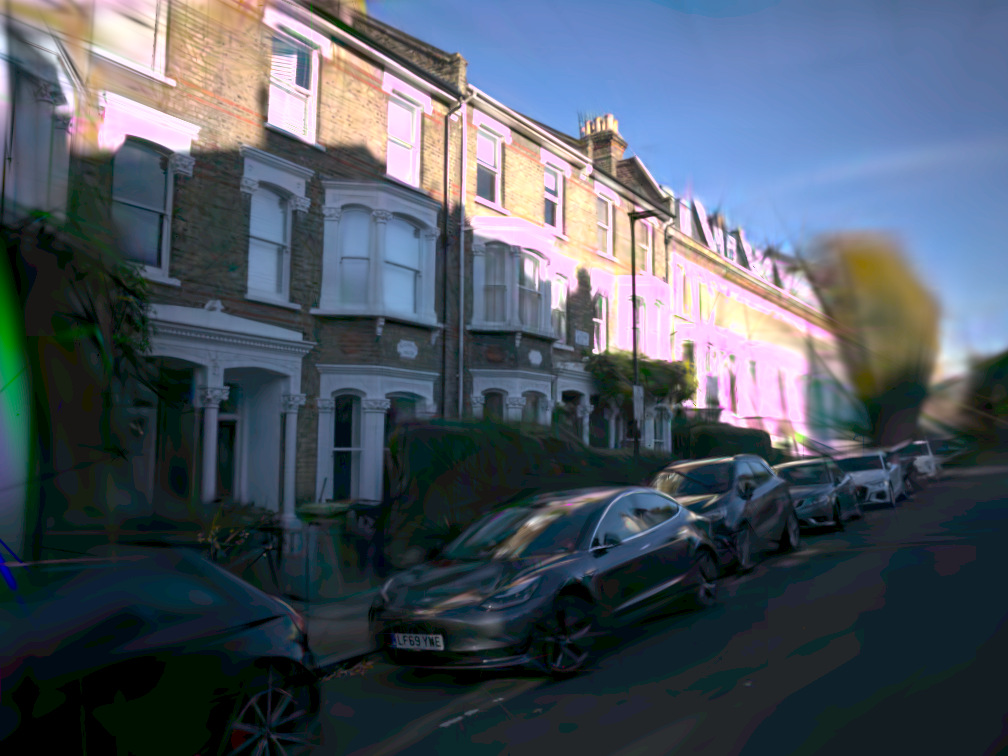
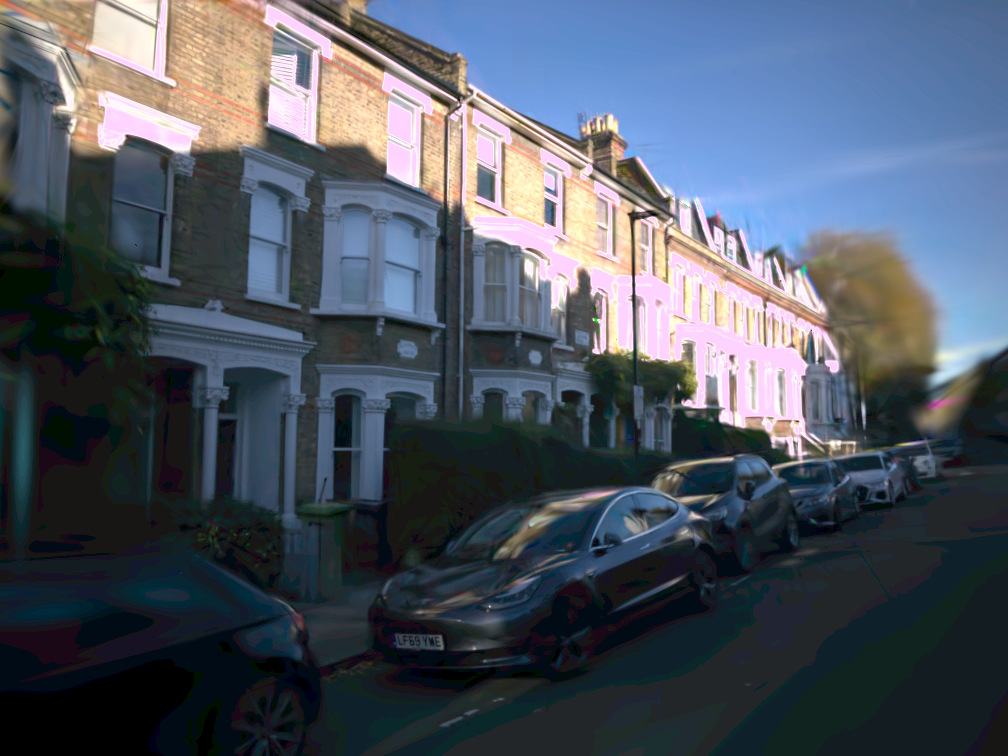
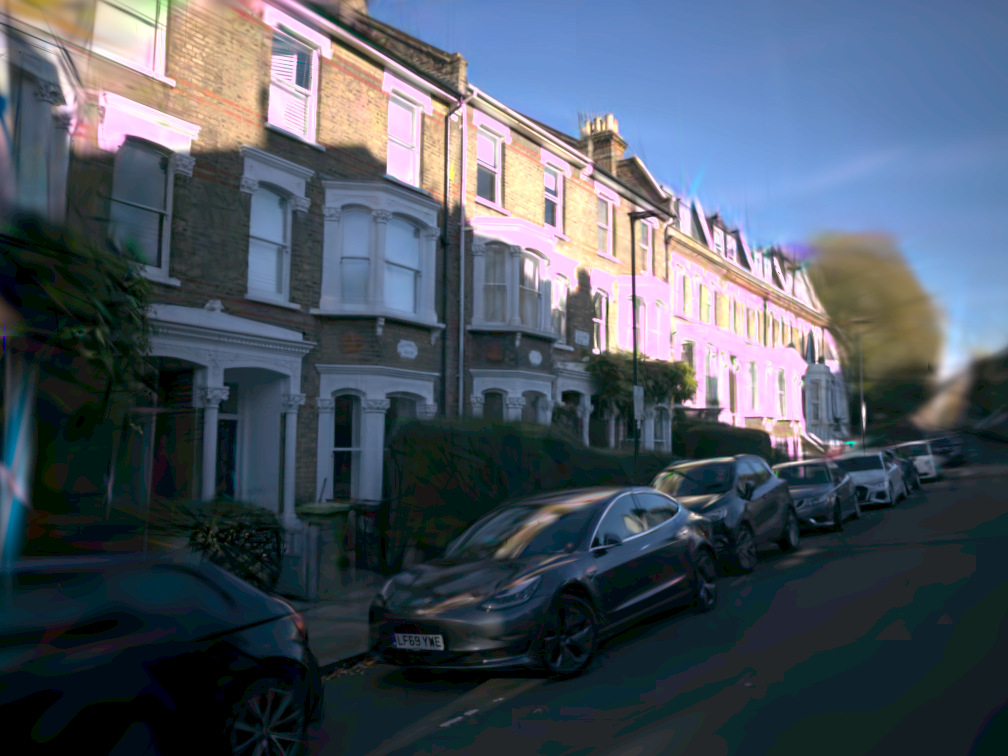
NTF begins to smear the roofline and expand the distant tree into a blob. SVF wins all three metrics and improves 2.36 dB over Vanilla.
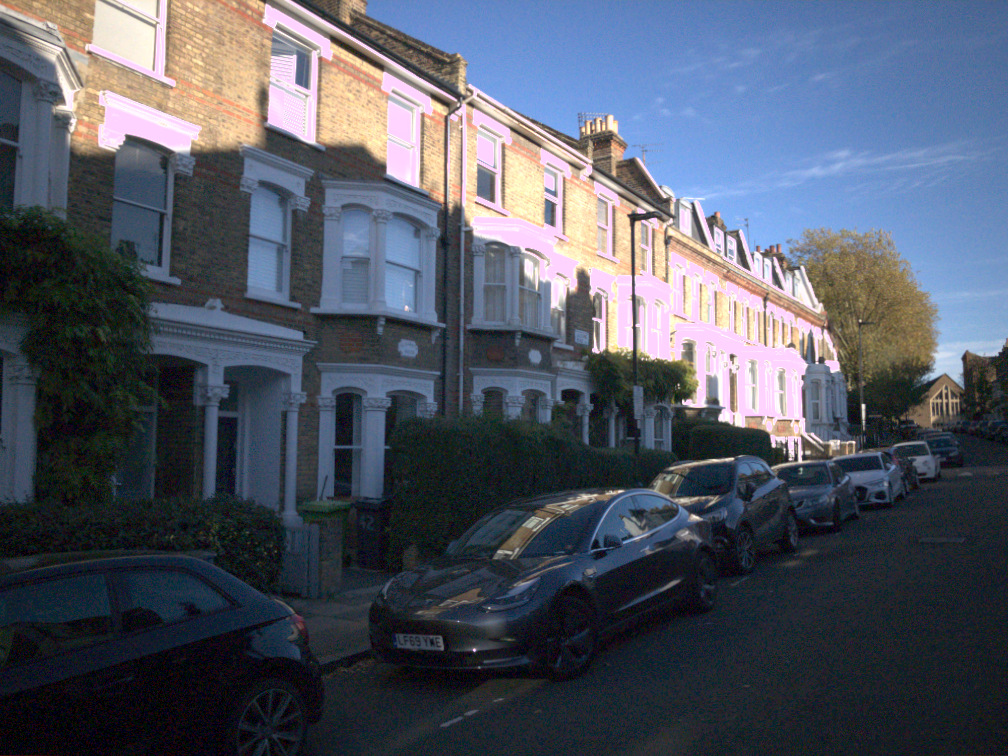
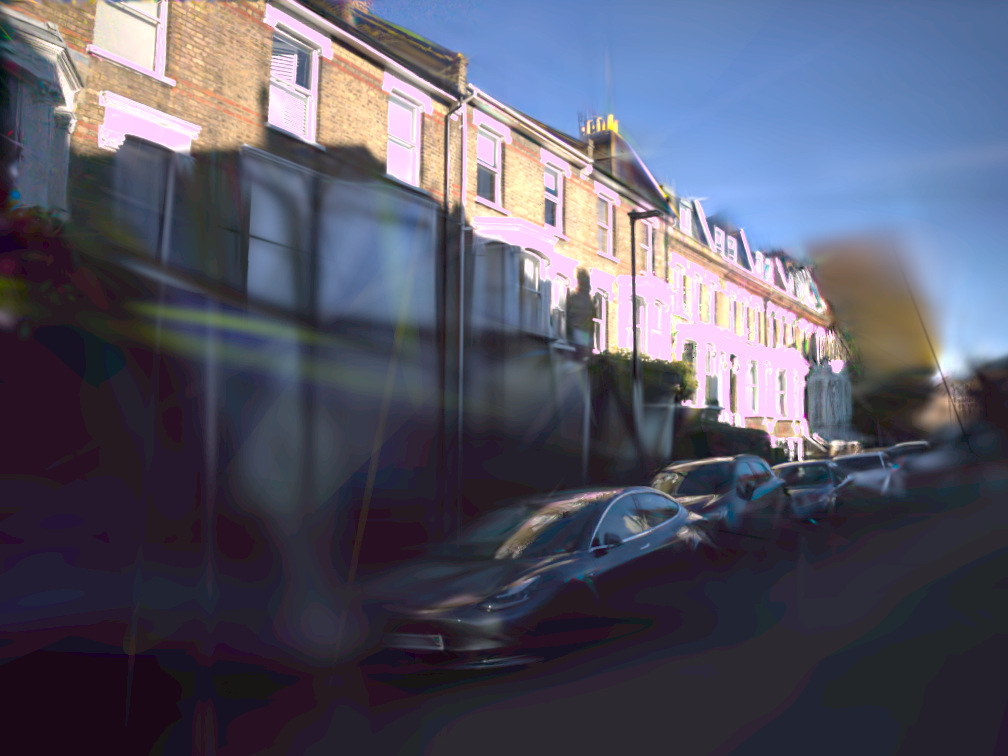
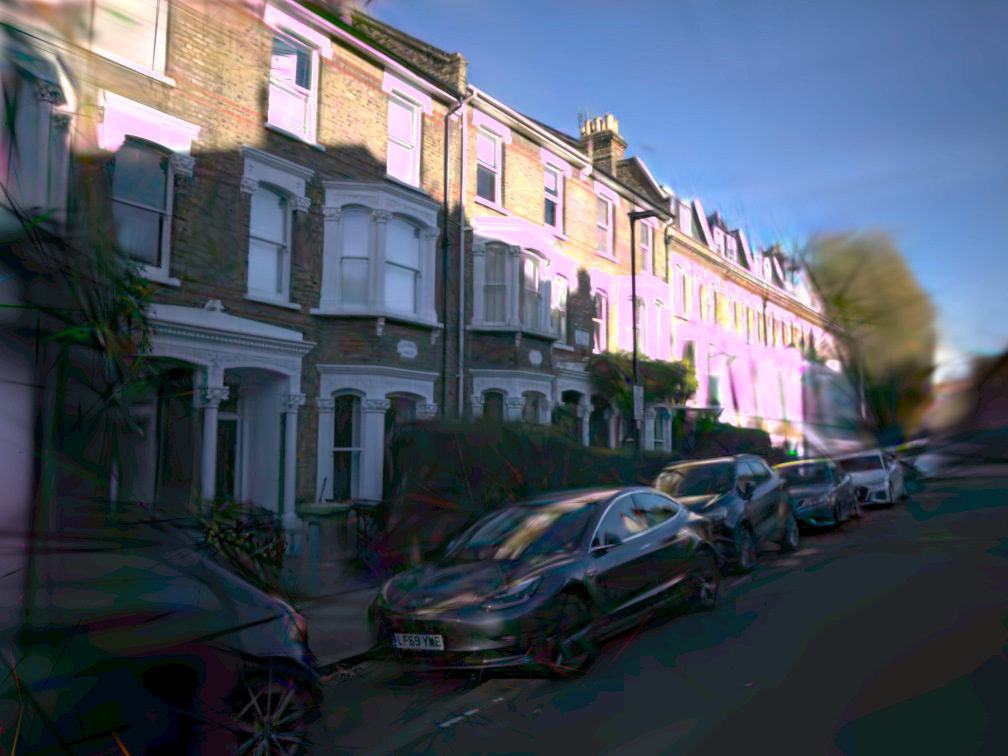
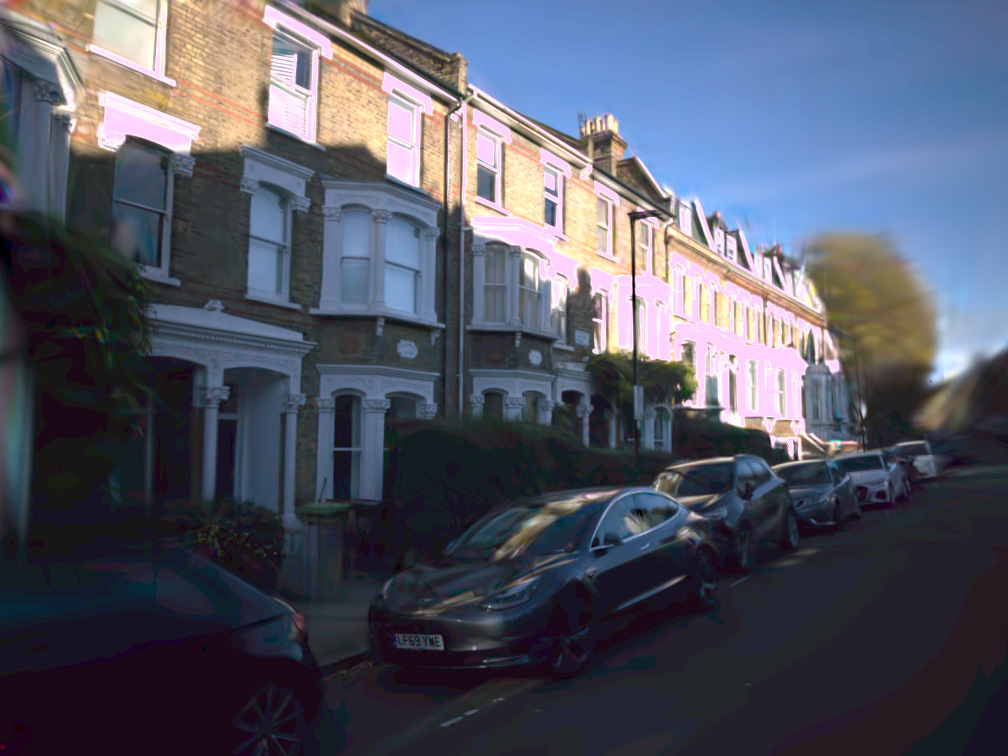
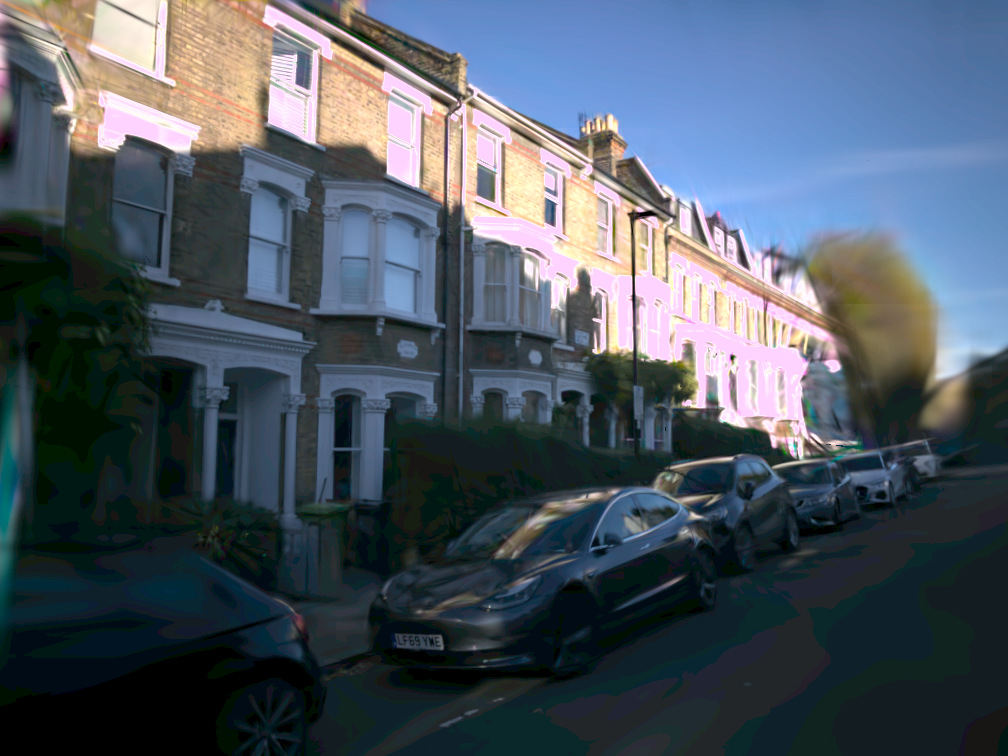
With the corrected manifest calibration, SVF beats NTF by 0.93 dB and Vanilla by 2.83 dB. The tree is still imperfect, confirming that loss design alone does not eliminate the representation bottleneck.
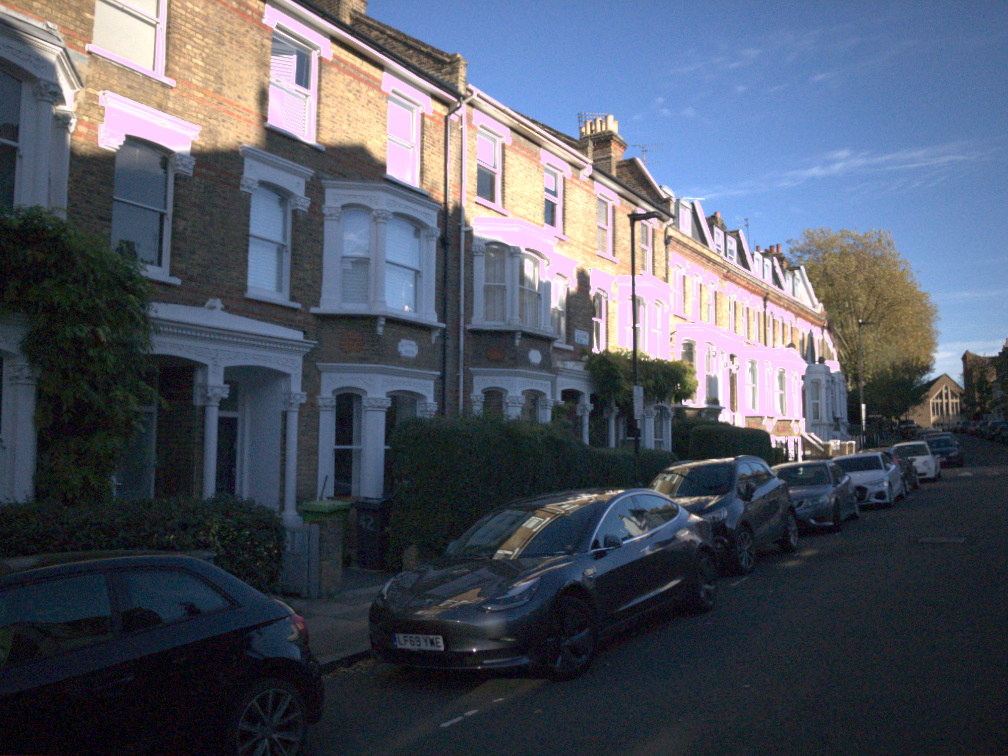
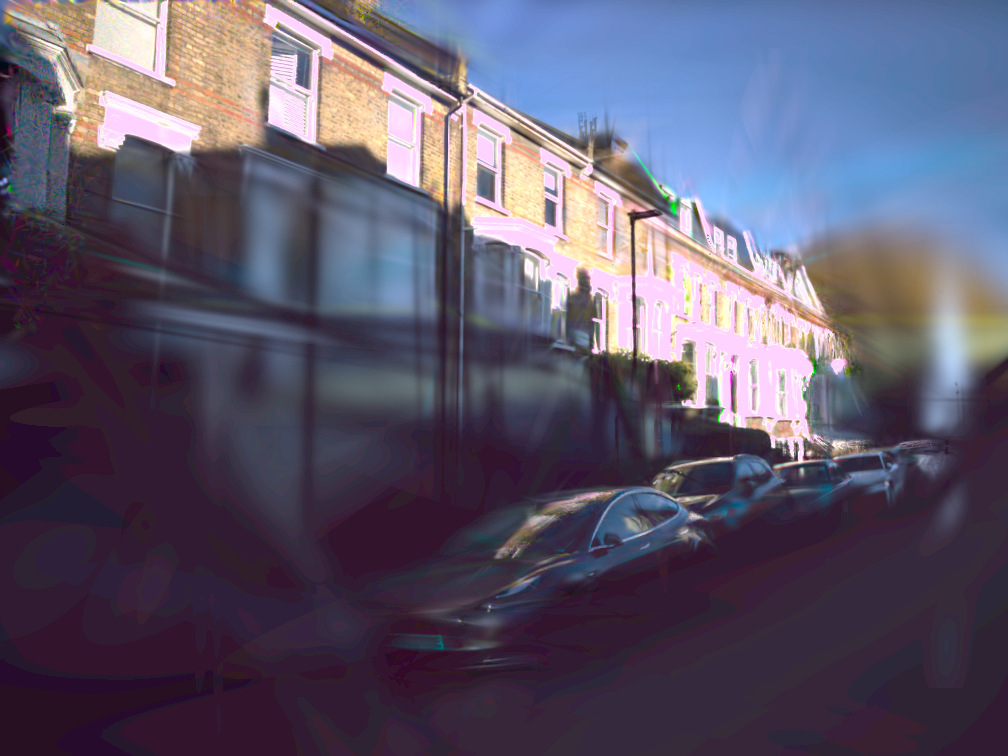
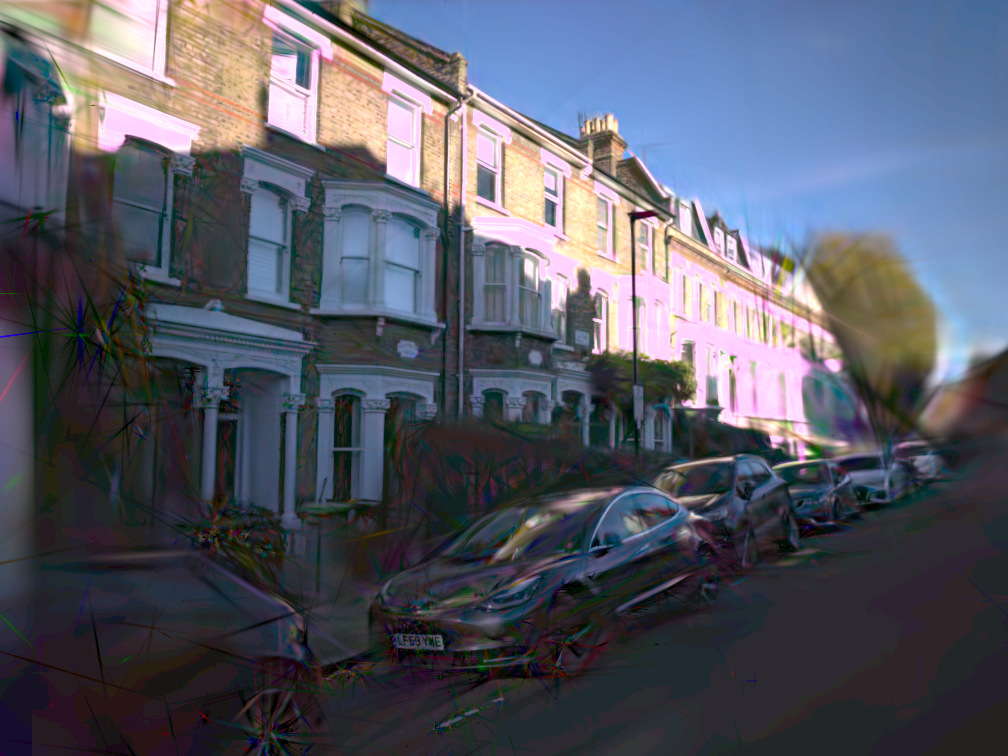
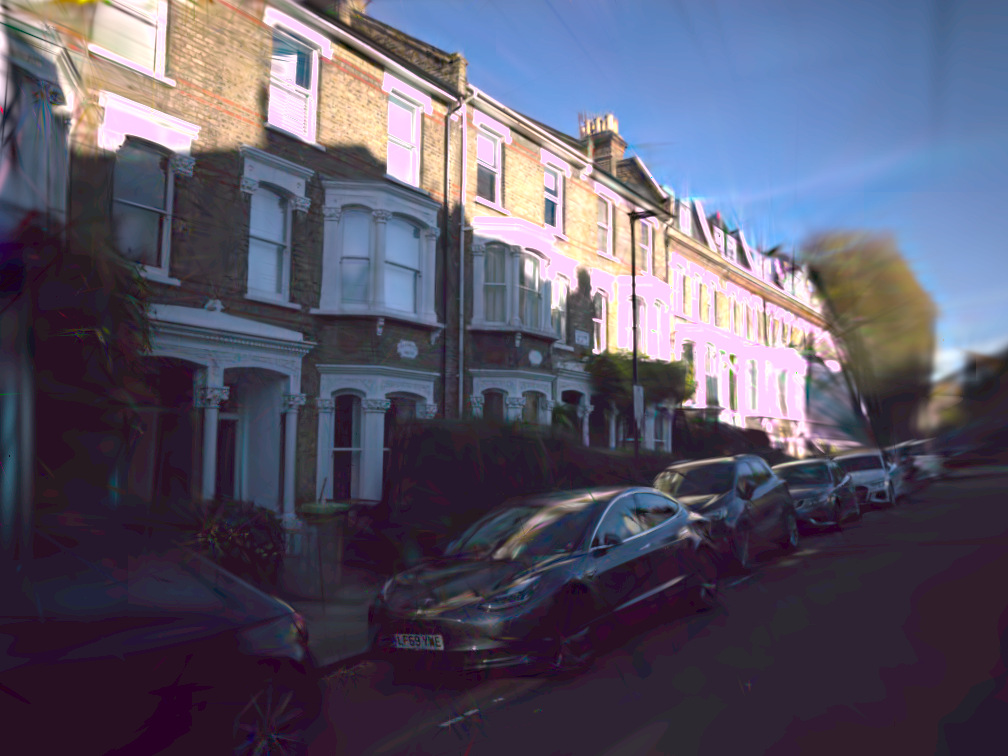
Metrics are recomputed from float renders after mapping prediction and target to the longest-exposure reference scale. Compare methods within a row; absolute PSNR remains dark-background dominated.
| Exposure | Mean SNR | Vanilla 3DGS | NTF-v1 2DGS | SVF 2DGS | Reading |
|---|---|---|---|---|---|
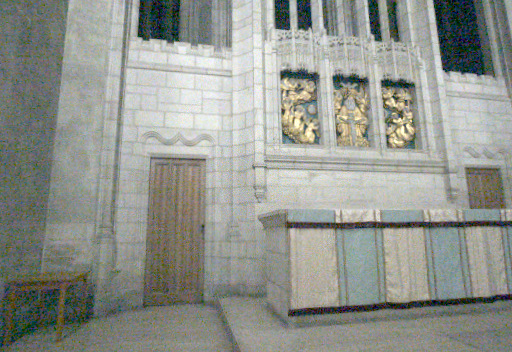
| 1/125 | 5.292 dB | 46.003 / .97258 / .02608* | 47.161 / .98088 / .02202 | 46.295 / .97745 / .02422 | NTF wins |
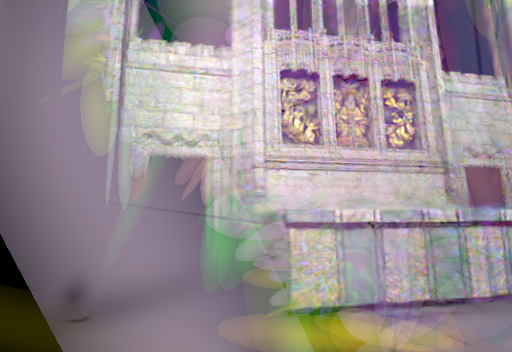
| 1/320 | 2.556 dB | 43.583 / .95555 / .03861 | 44.743 / .96828 / .03826 | 44.324 / .96816 / .03593 | near tie |
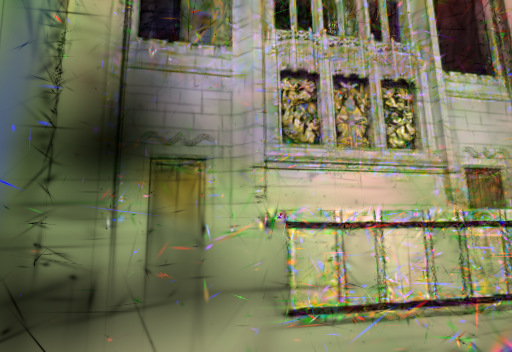
| 1/500 | 1.682 dB | 43.487 / .95135 / .04914 | 43.218 / .95652 / .05340 | 44.589 / .96648 / .04301 | SVF wins |
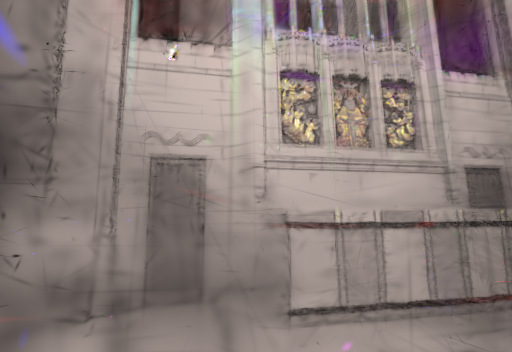
| 1/800 | 1.102 dB | 41.356 / .92991 / .06385 | 39.336 / .89475 / .09738 | 39.855 / .90630 / .11019 | Vanilla wins |
PSNR ↑ / SSIM ↑ / LPIPS ↓. *The 1/125 Vanilla entry is recomputed from its existing 8-bit render proxy; other entries use float renders. All displayed images use one fixed display transform and do not affect metrics.
The fixed gate is not yet catastrophic at this SNR. NTF wins all three unaligned metrics, while SVF stays between NTF and Vanilla.
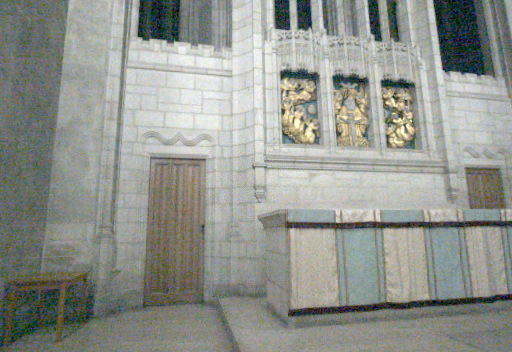
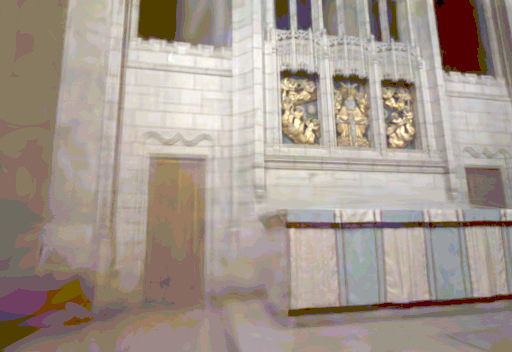
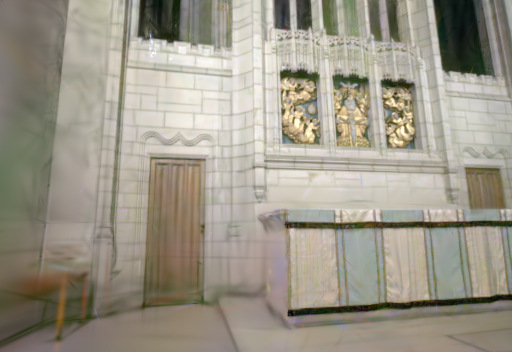
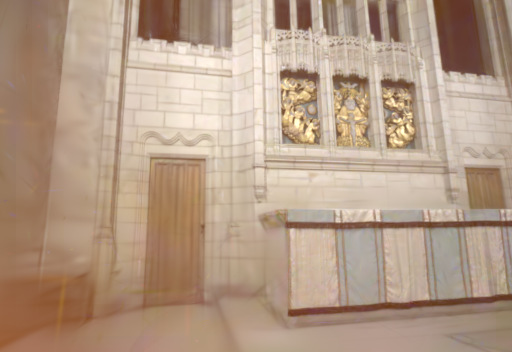
NTF has a 0.42 dB PSNR edge; SVF has slightly better LPIPS. Both improve upon Vanilla, suggesting noise-aware supervision remains useful.
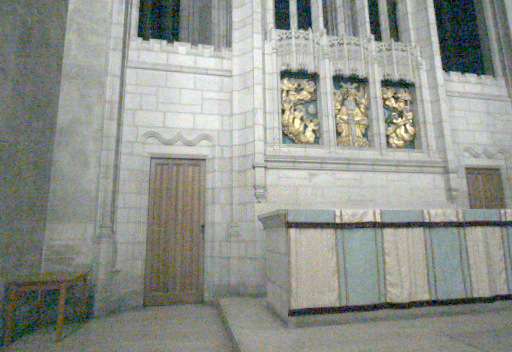
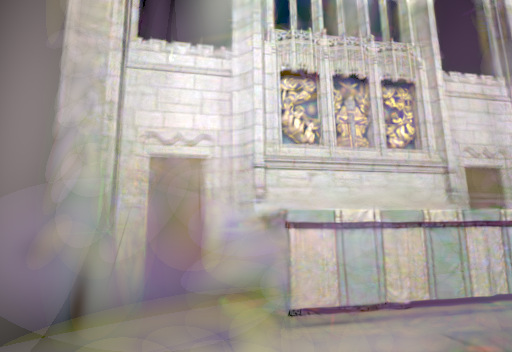
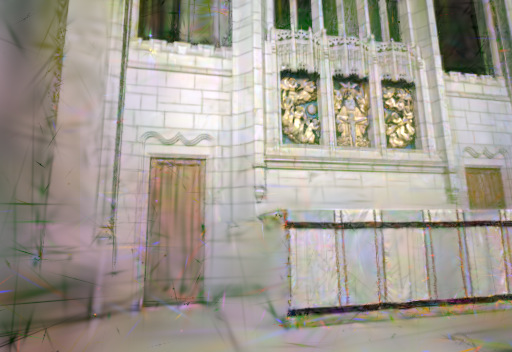
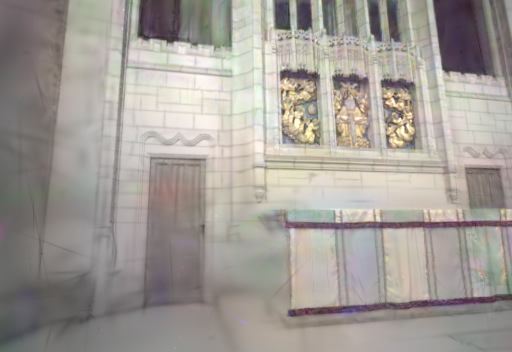
SVF improves 1.37 dB over NTF and 1.10 dB over Vanilla, with matching gains in SSIM and LPIPS. This is the strongest real-data support for threshold-free stabilization.
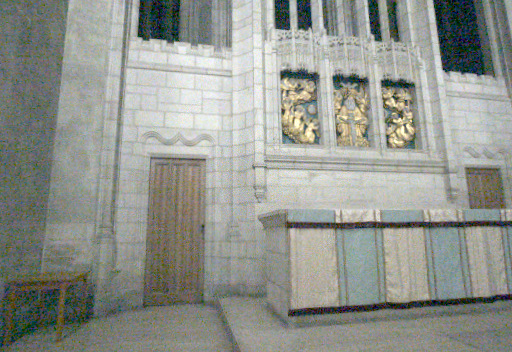
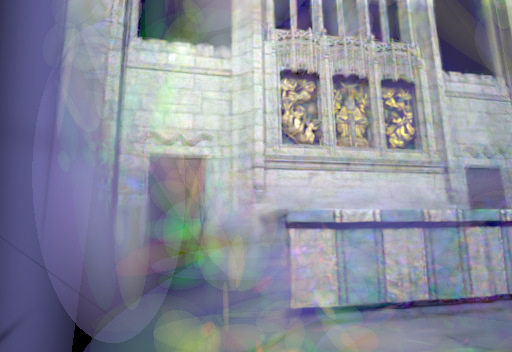
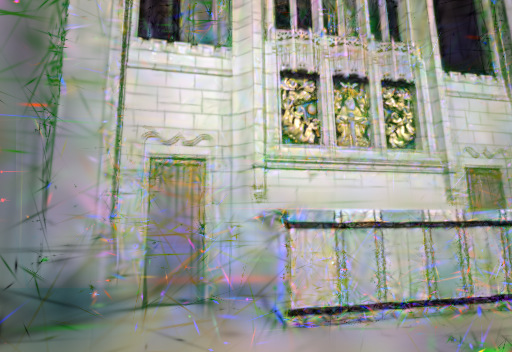
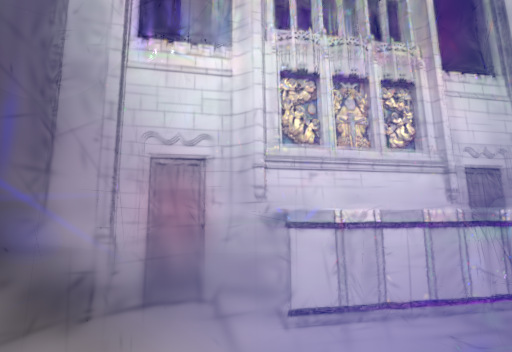
SVF is better than NTF in PSNR and SSIM, but worse in LPIPS—and Vanilla 3DGS is stronger overall. Keeping every stabilized residual is insufficient when observations are almost entirely unreliable.
TSVF(x) = [√(a x + r²) − r] / [√(a + r²) − r]No SNR threshold, no two-slope curve, no confidence exponent.
SVF rescales residuals according to the Poisson–Gaussian variance without deleting all observations below an arbitrary 10 dB operating point.
At extreme noise, continuously retaining every observation can preserve noise or create smooth structured artifacts. SVF alone is not a complete robust estimator.
Test w(x)=SNR²/(1+SNR²) on top of SVF, then migrate the selected loss to Textured Gaussian refinement. Add a linear 2DGS control for strict attribution.