What is being compared
This is a representation/loss pilot, not yet a benchmark claim. The single HDR+ target is held out from training, and all reported still-image metrics are computed on that one view.
Training and test examples
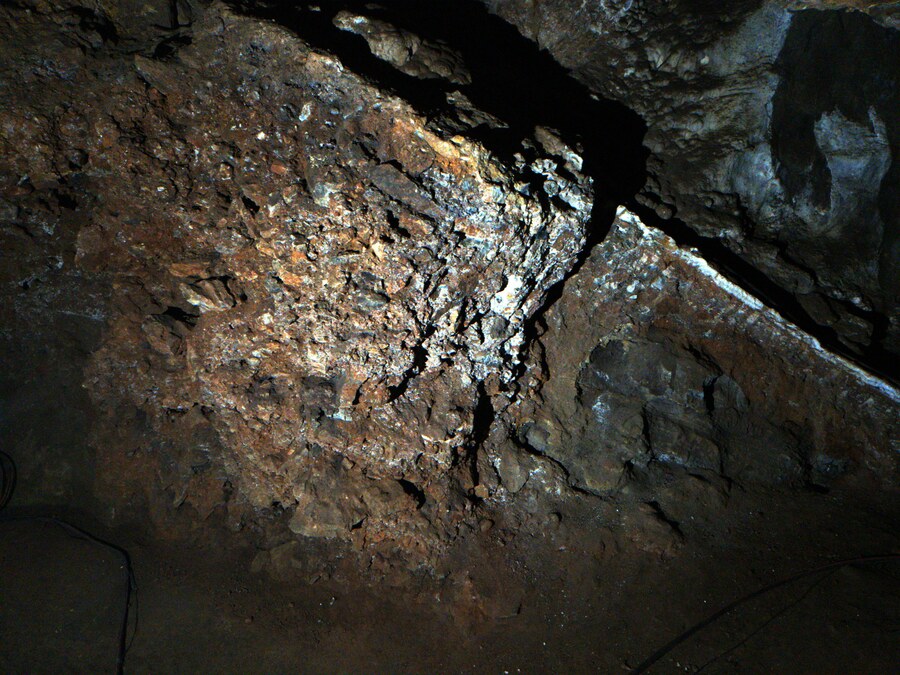
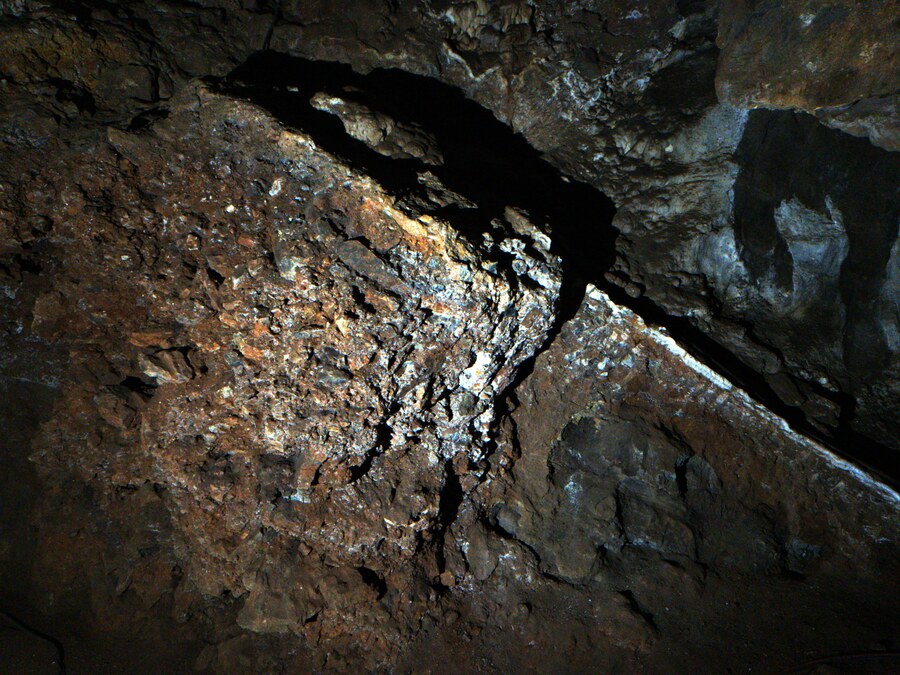
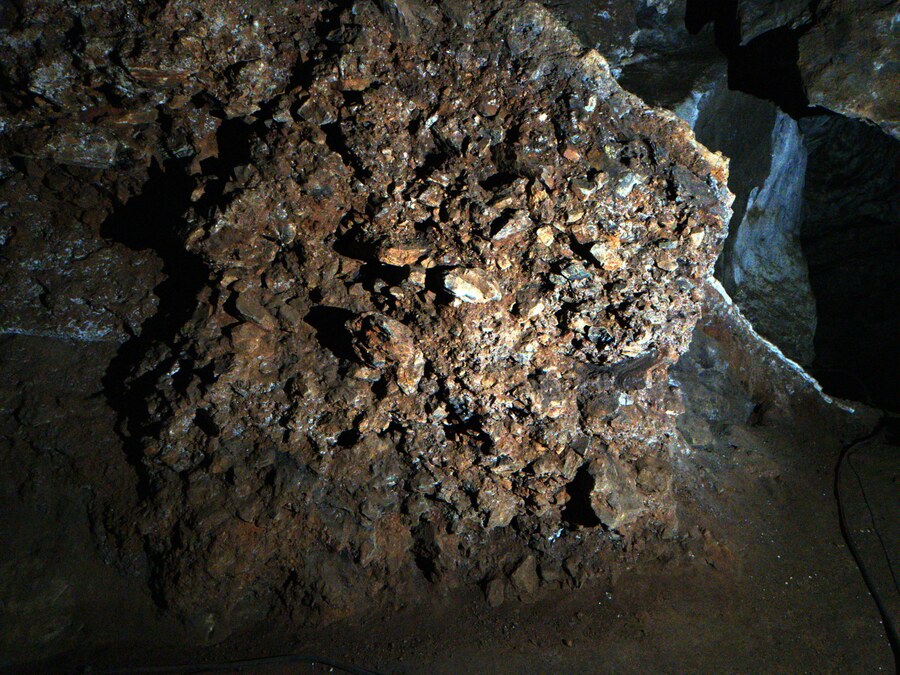
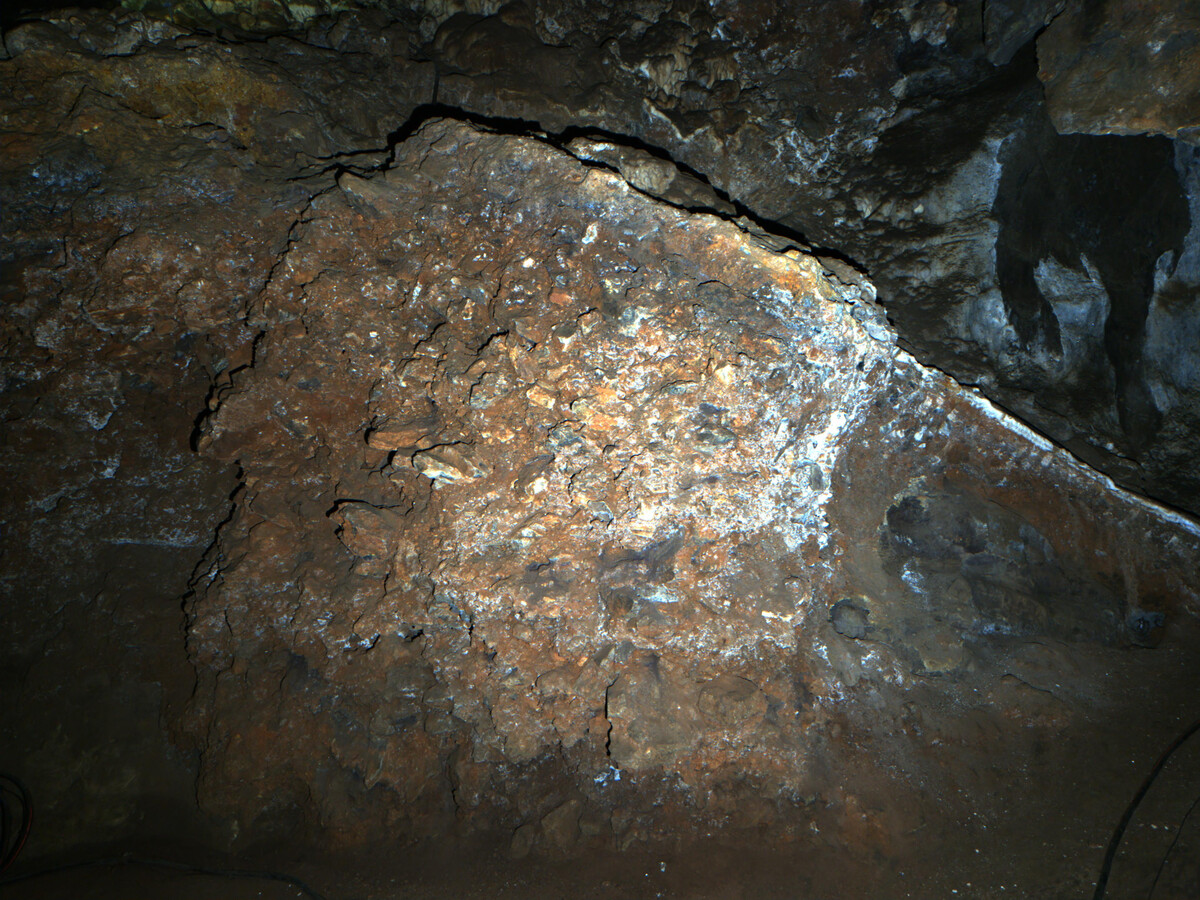
The training frames contain view-dependent spotlight motion, shadows, clipped highlights, and sensor noise. The test image is the released HDR+ reference at a held-out pose.
Training frames
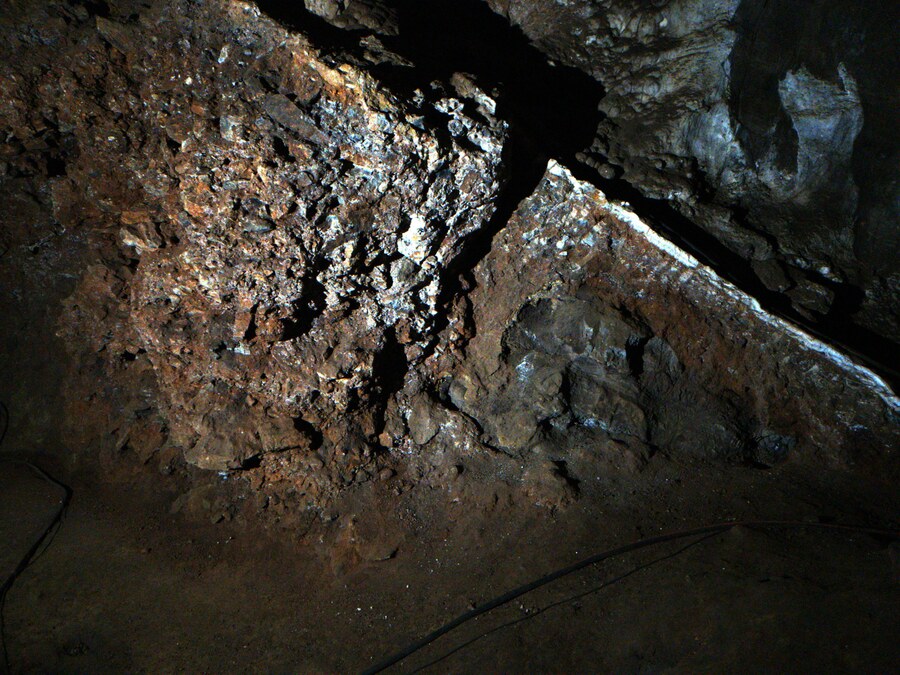
Held-out test target
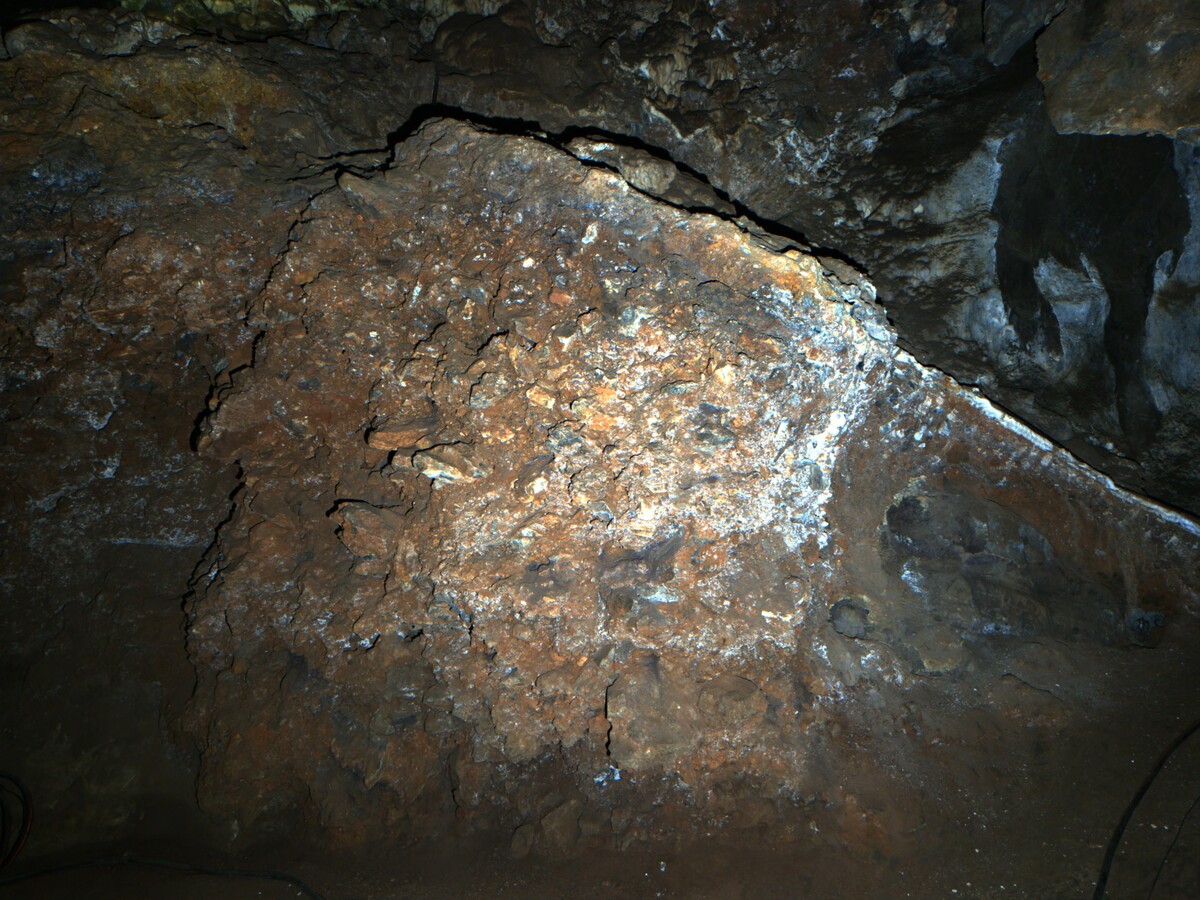
Same held-out camera, separated images
Unlike the raw trainer output, each card contains only the reconstruction. GT is shown once as its own card, making exposure, boundary, and texture differences easier to see.
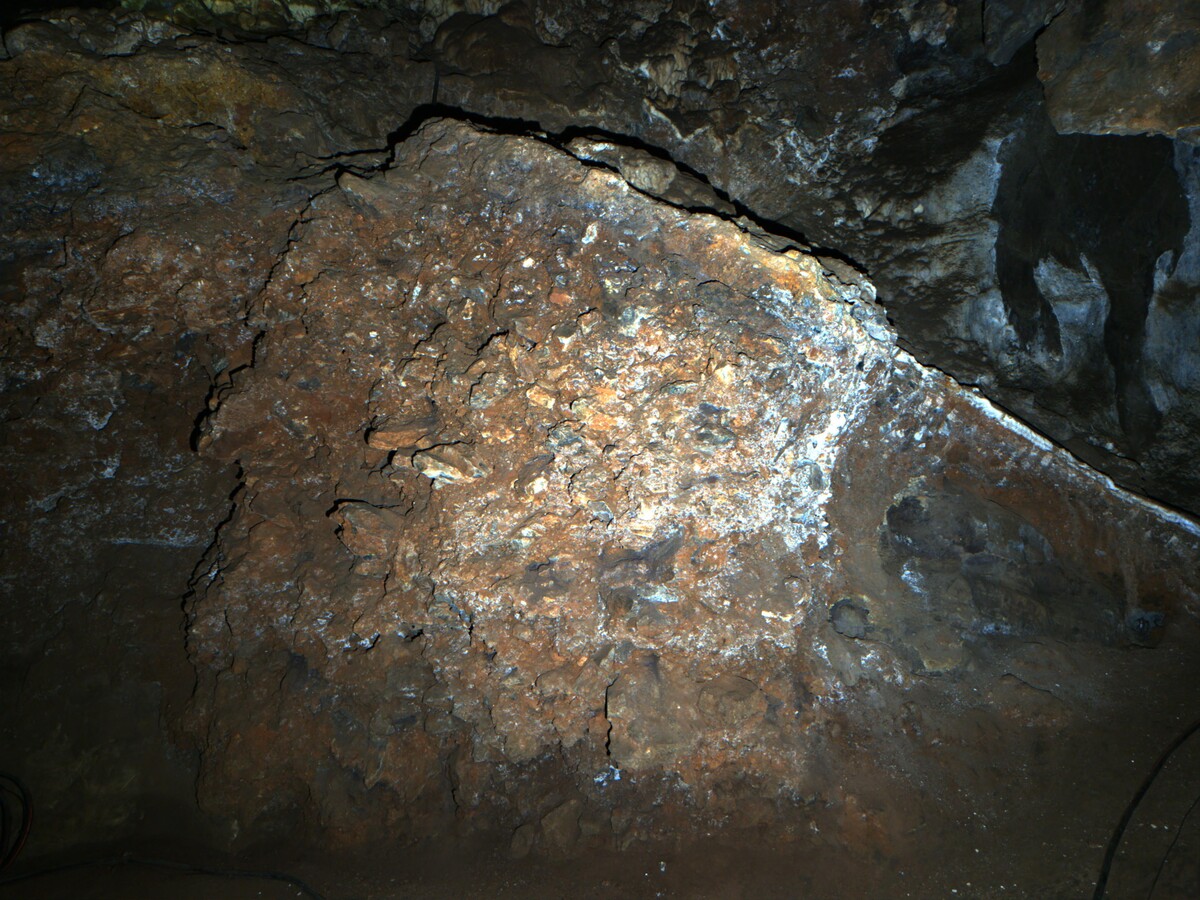
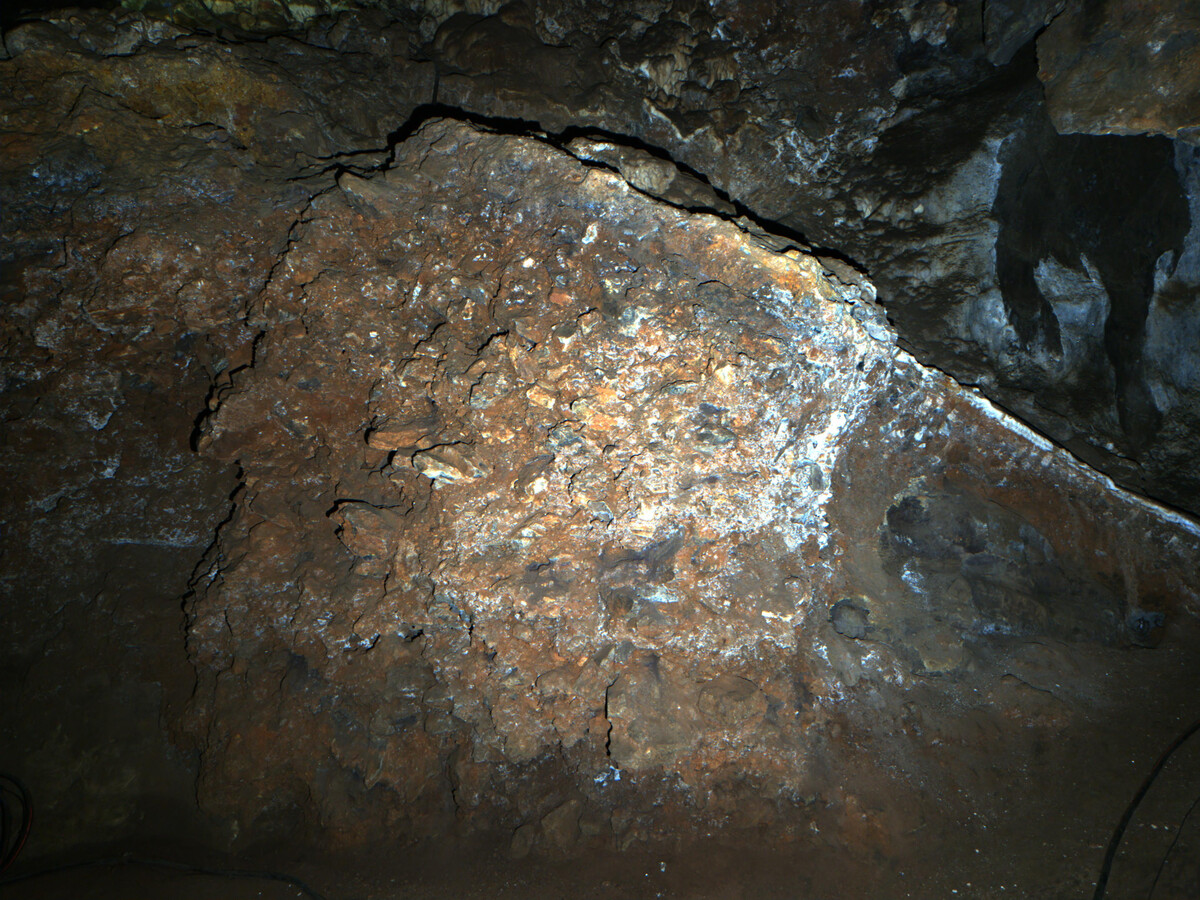
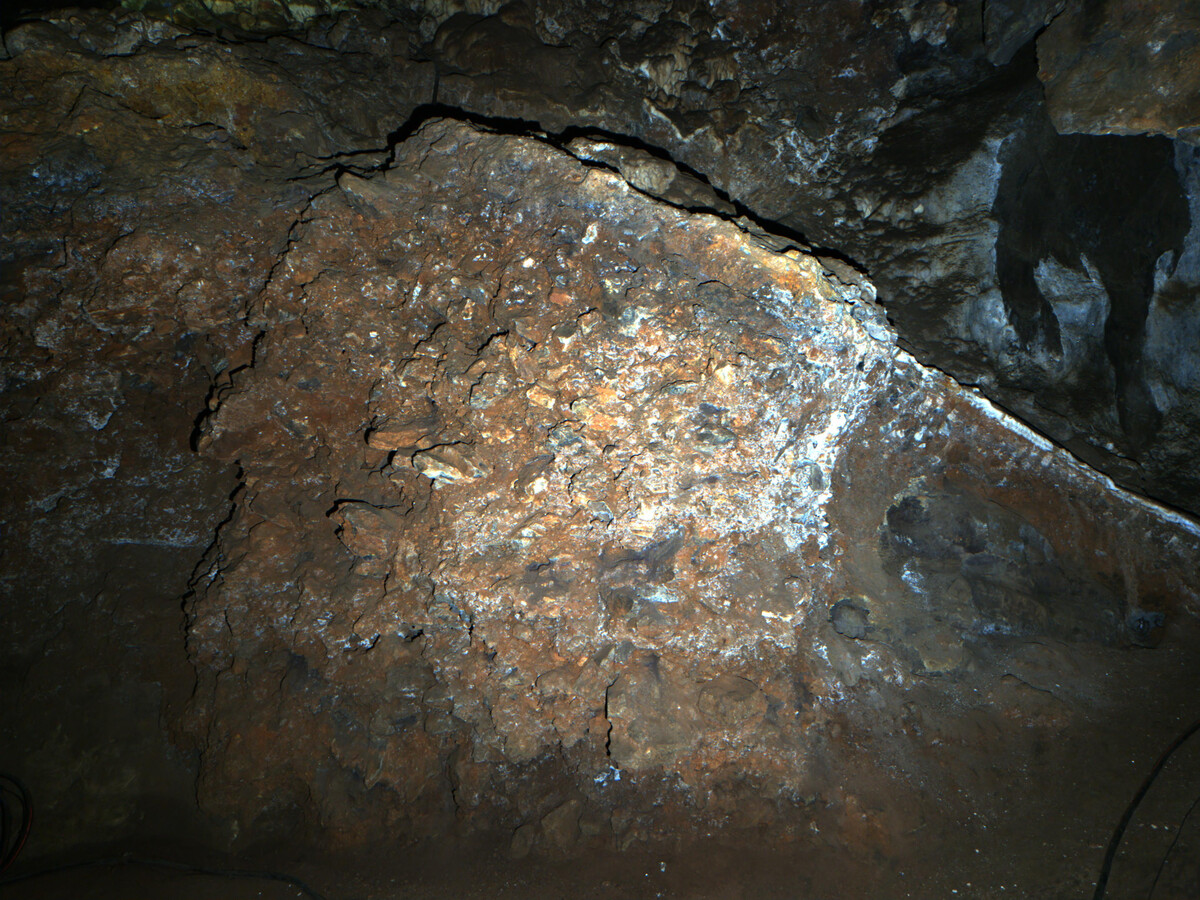
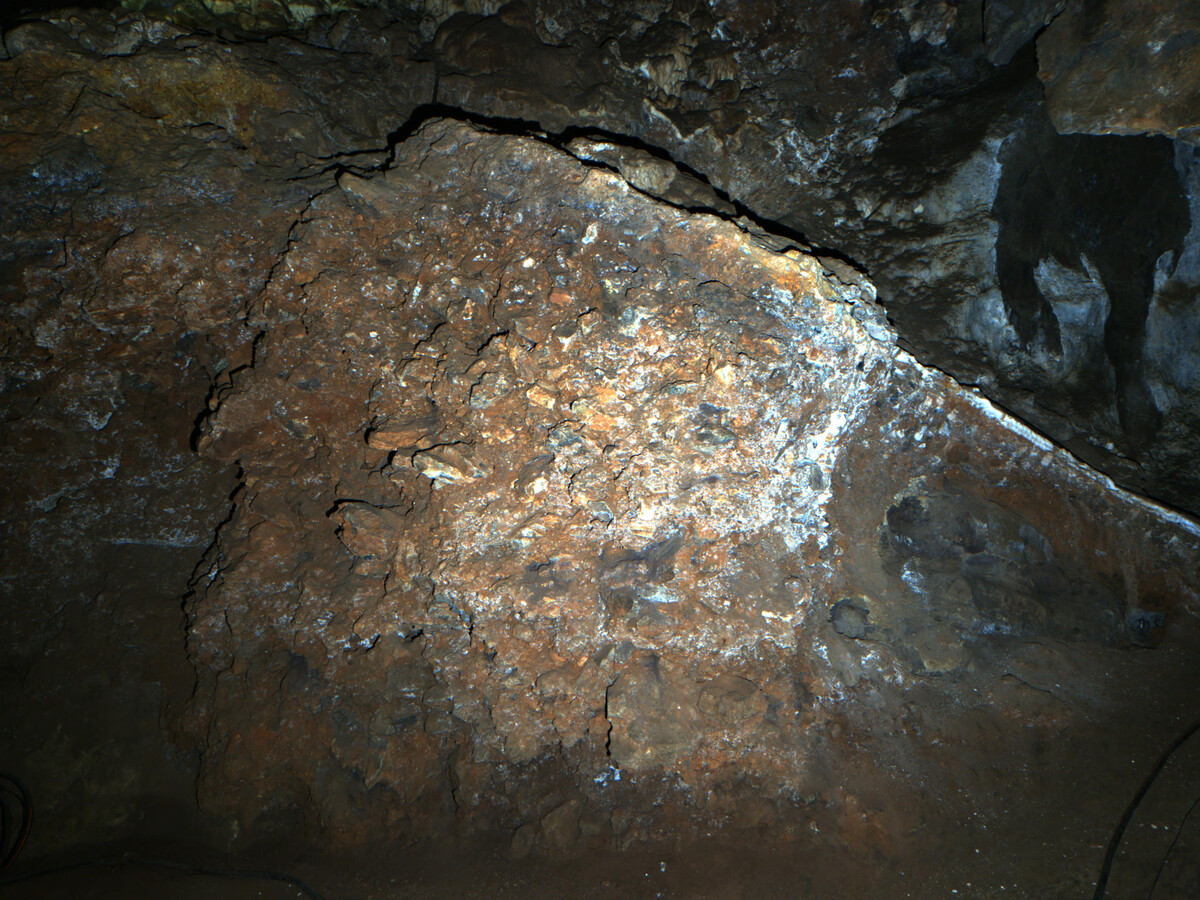
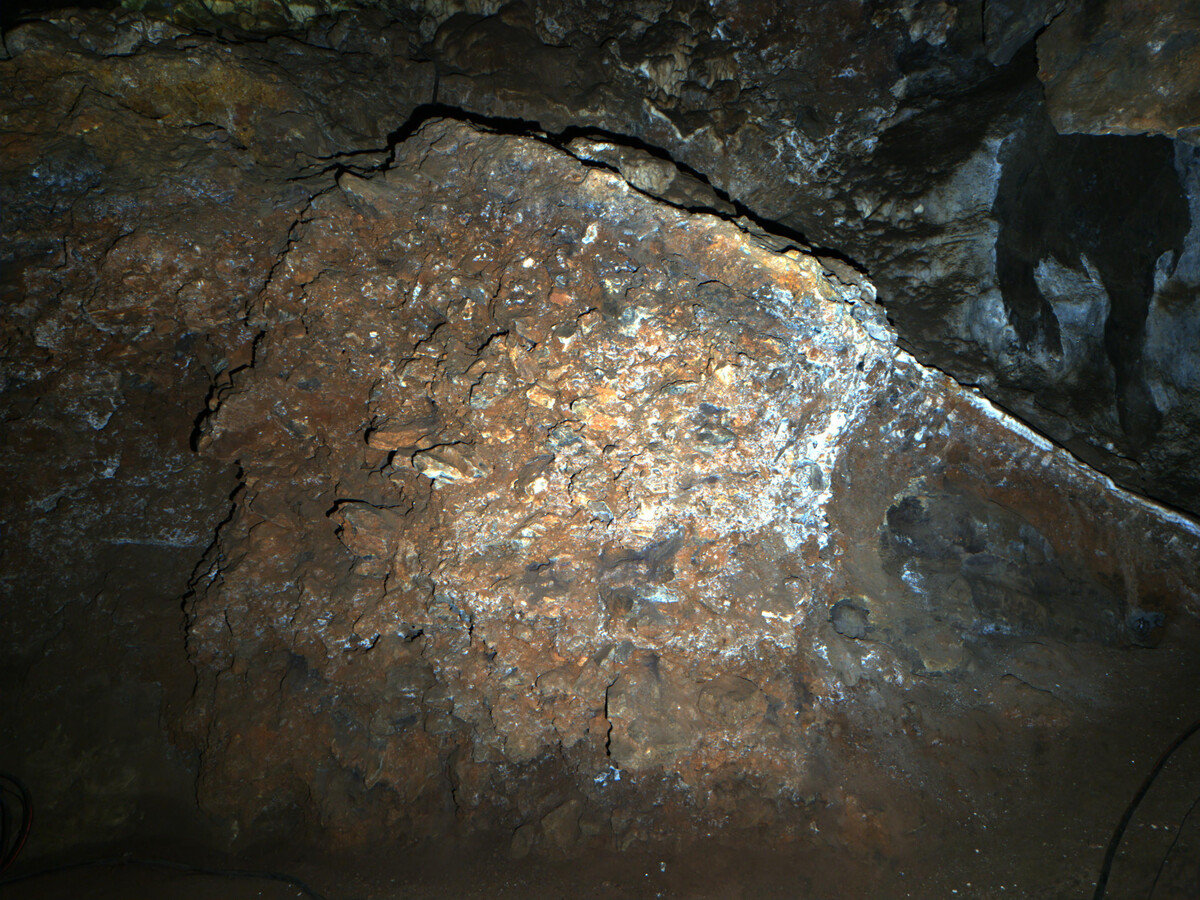
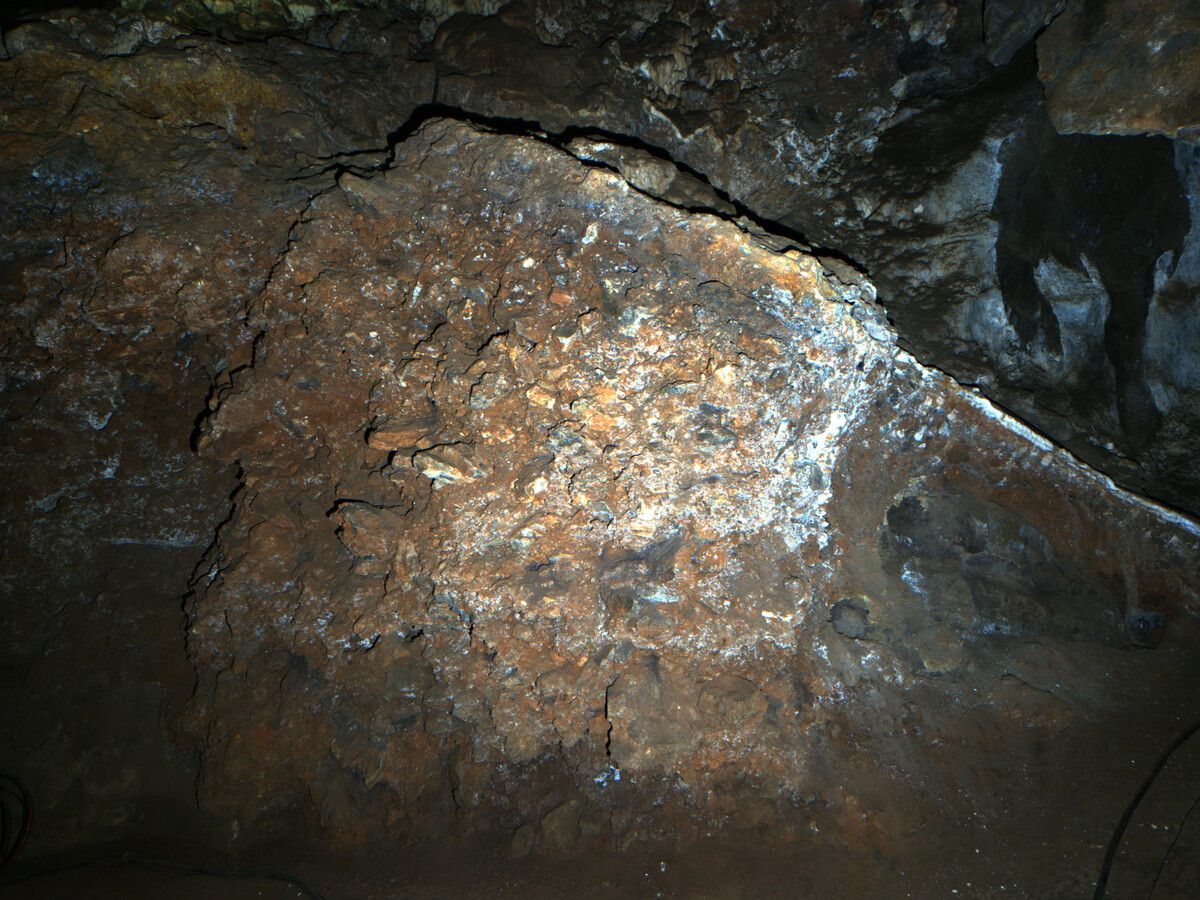
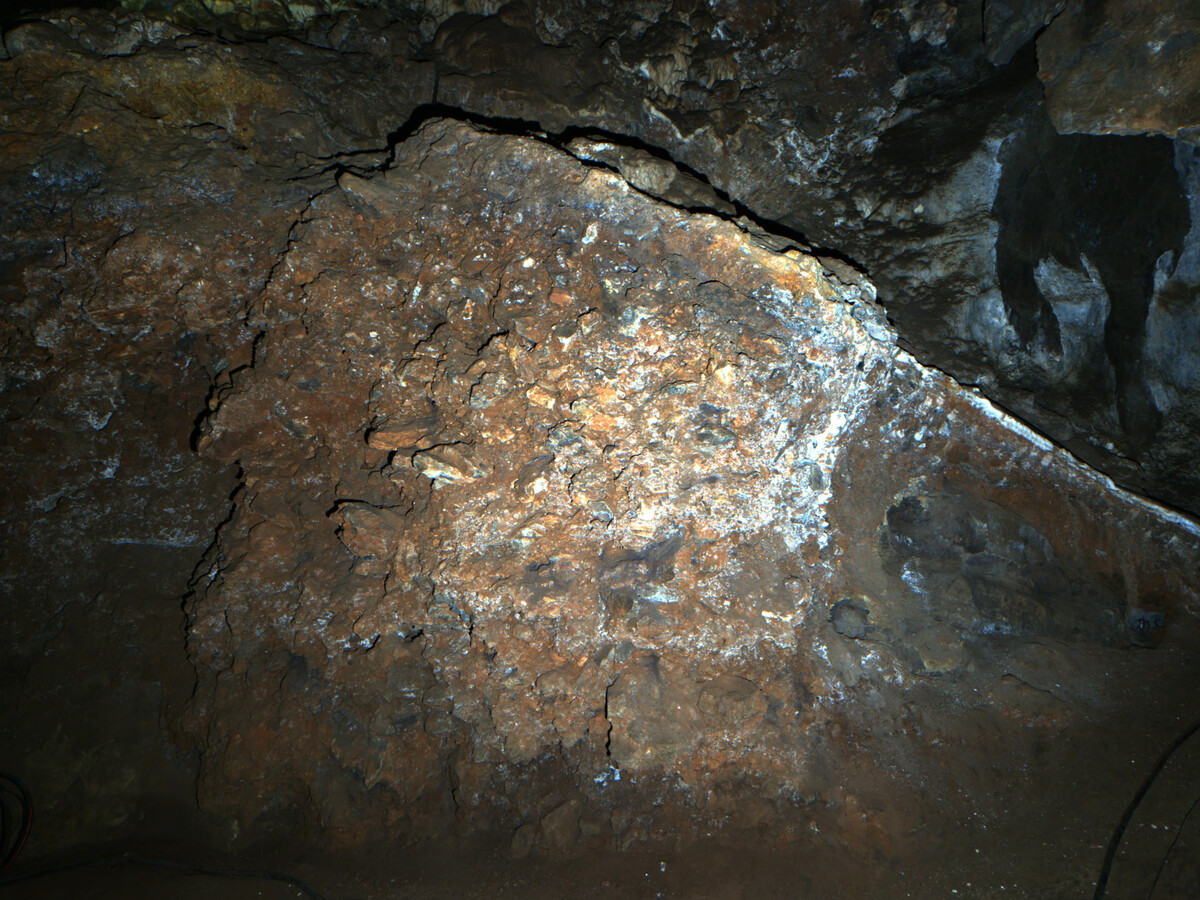
Three fixed crops
Every crop uses identical source coordinates. Use these panels for rock microtexture, ceiling boundaries, and dark-region stability; the full images above remain available for context.
A · Central illuminated microtexture
High-frequency rock texture under strong spatially varying illumination.
B · Ceiling and occlusion boundary
Fine geometry, dark crevices, and the edge of the spotlight.
C · Dark right-hand structure
Low-signal texture where noise-aware losses should matter most.
Held-out HDR+ target at 30k
PSNR and SSIM favor pixel alignment; LPIPS is more sensitive to perceptual texture. The Texture-GS row is filled from its final checkpoint.
| Method | Representation | Loss | PSNR ↑ | SSIM ↑ | LPIPS ↓ |
|---|---|---|---|---|---|
| Vanilla 3DGS | 3D Gaussian | RGB | 20.339 | 0.6339 | 0.5296 |
| Vanilla 2DGS | 2D Gaussian | RGB | 20.312 | 0.6339 | 0.5156 |
| NTF + 2DGS | 2D Gaussian | NTF | 20.402 | 0.6364 | 0.5069 |
| Scalar SVF + 2DGS | 2D Gaussian | Scalar SVF | 20.257 | 0.6325 | 0.5082 |
| RGB-SVF + 3DGS | 3D Gaussian | RGB-SVF | 20.235 | 0.6308 | 0.5196 |
| RGB-SVF + 2DGS | 2D Gaussian | RGB-SVF | 20.254 | 0.6324 | 0.5104 |
| Standalone Texture-GS | Textured Gaussian | RGB | 20.208 | 0.6096 | 0.4056 |
One synchronized camera trajectory
These are novel-path diagnostic renders, so there is no GT video. Compare flicker, floaters, geometry tearing, exposure continuity, and whether fine rock texture remains stable under motion.
What this experiment currently says
NTF transfers weakly but consistently
It improves all three still-image metrics over Vanilla 2DGS, but the magnitude is small. Cave D3 is not dominated by the same stationary synthetic sensor noise as the x64 study.
RGB-SVF is not sufficient here
Per-channel shot/read calibration does not model moving spotlight, cast shadows, clipped highlights, and residual photometric inconsistency. The Dark3R gain does not directly carry over.
Representation matters
Texture-GS strongly improves LPIPS while sacrificing pixel-aligned SSIM. The synchronized trajectory is the important test for whether that gain is stable surface detail or view-dependent artifact.