Single-objective perceptual losses for HDR phase-only CGH
A controlled search over 16 pure objectives and three difficulty axes. Final setting: 8 binary frames, 2×2 tied SLM logits, native ROI, original propagation and physical iris, 300 iterations, deterministic hard reconstruction.
Choosing a genuinely harder task
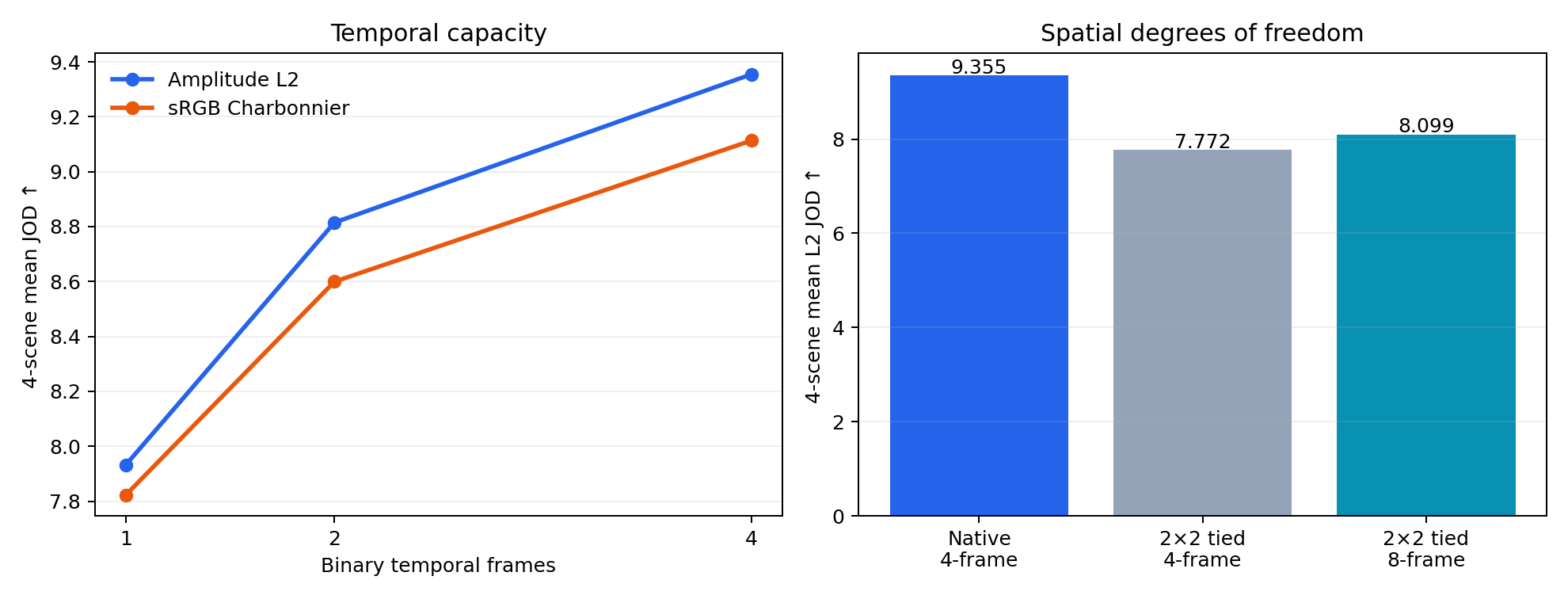
1/2-frame mean L2 JOD: 7.933 / 8.815; native 4-frame: 9.355. A 0.75/0.5 iris unexpectedly raises L2 to 9.453/9.392, so it was rejected as a difficulty manipulation. A 2×2 tied SLM gives 7.772 at 4 frames and 8.099 at 8 frames.
Two batches of eight single losses
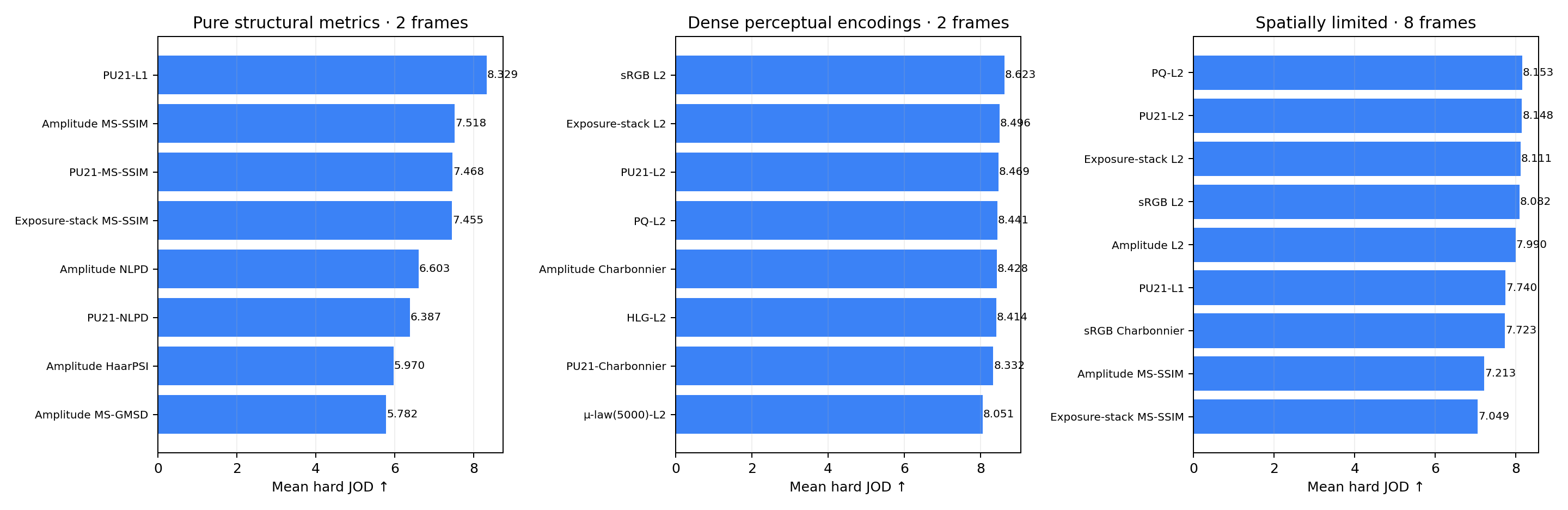
Batch A — pure structure: amplitude MS-SSIM, NLPD, MS-GMSD, HaarPSI; PU21-L1, PU21-MS-SSIM, PU21-NLPD; fixed exposure-stack MS-SSIM. These optimize stably but lose radiometric fidelity and JOD.
Batch B — dense perceptual encodings: sRGB-L2, amplitude Charbonnier, PU21-L2, PU21-Charbonnier, PQ-L2, μ-law(5000)-L2, HLG-L2, exposure-stack L2. Each is one transformed residual—not A+B and not an LR-only variant.
| Dense objective | Best LR (2-frame) | 2-frame JOD | Spatial-screen JOD |
|---|---|---|---|
| sRGB L2 | 0.1 | 8.623 | 8.082 |
| Exposure-stack L2 | 0.1 | 8.496 | 8.111 |
| PU21-L2 | 0.2 | 8.469 | 8.148 |
| PQ-L2 | 0.2 | 8.441 | 8.153 |
| Amplitude Charbonnier | 0.1 | 8.428 | — |
| HLG-L2 | 0.1 | 8.414 | — |
| PU21-Charbonnier | 0.1 | 8.332 | — |
| μ-law(5000)-L2 | 0.1 | 8.051 | — |
12-scene, 300-iteration finalists
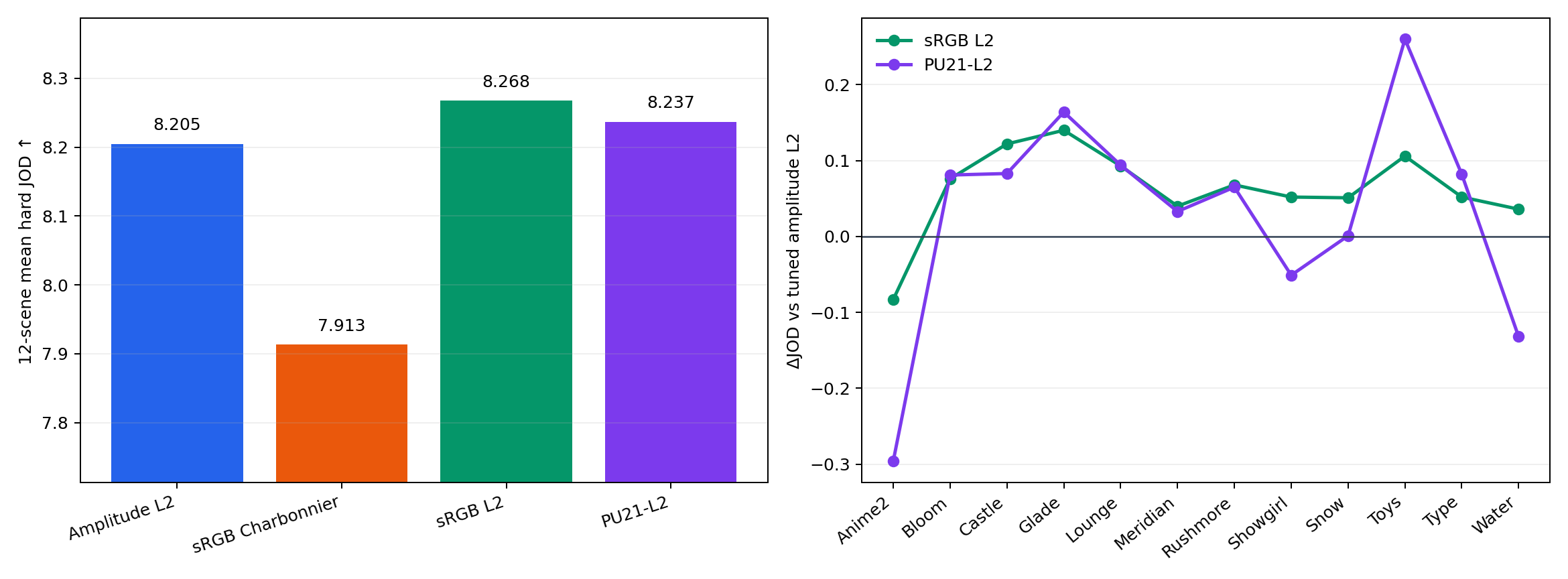
| Loss | Mean JOD | Δ vs tuned L2 | Mean PSNR | Mean SSIM |
|---|---|---|---|---|
| Amplitude L2 | 8.205 | +0.000 | 23.84 | 0.5532 |
| sRGB Charbonnier | 7.913 | -0.292 | 23.70 | 0.5487 |
| sRGB L2 | 8.268 | +0.063 | 23.97 | 0.5532 |
| PU21-L2 | 8.237 | +0.032 | 23.59 | 0.5430 |
Hard reconstruction gallery
| Scene | Amplitude L2 | sRGB Charbonnier | sRGB L2 | PU21-L2 |
|---|---|---|---|---|
| Toys | 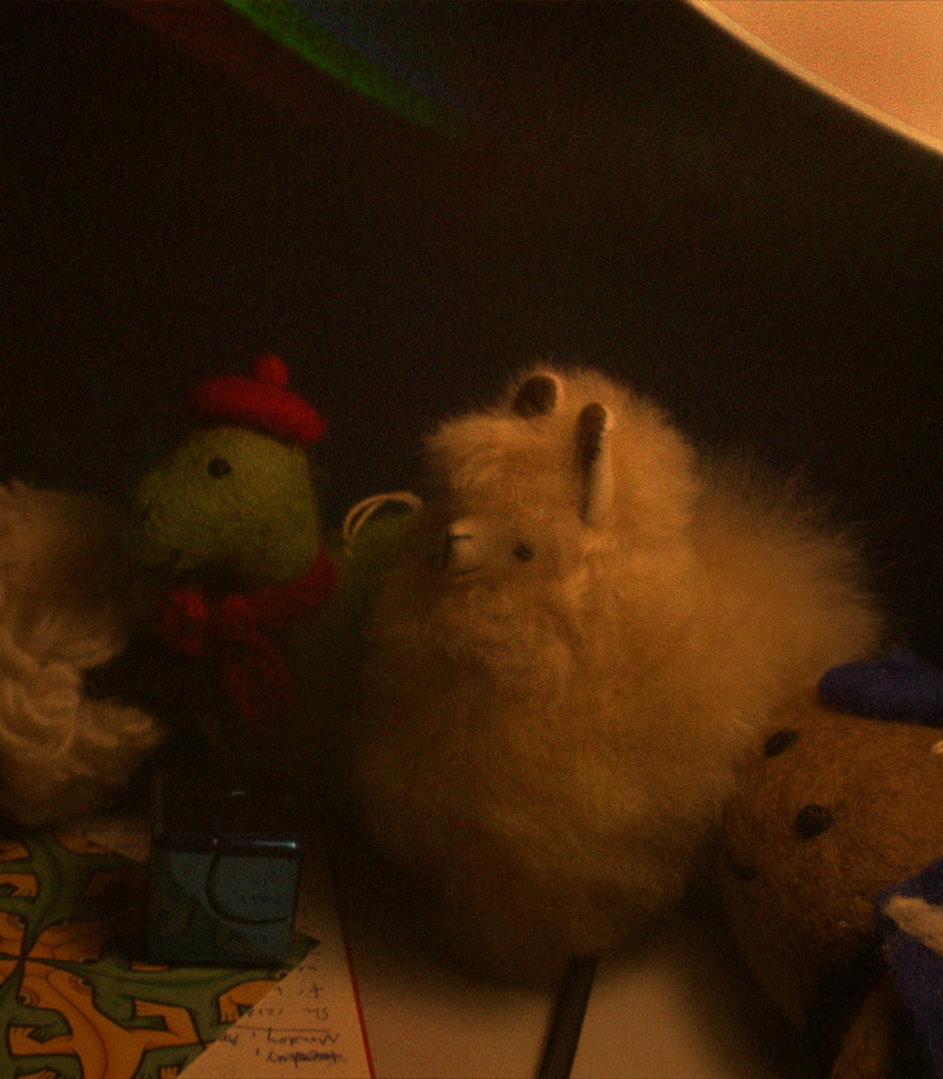 8.413 JOD 8.413 JOD26.89 dB · 0.670 | 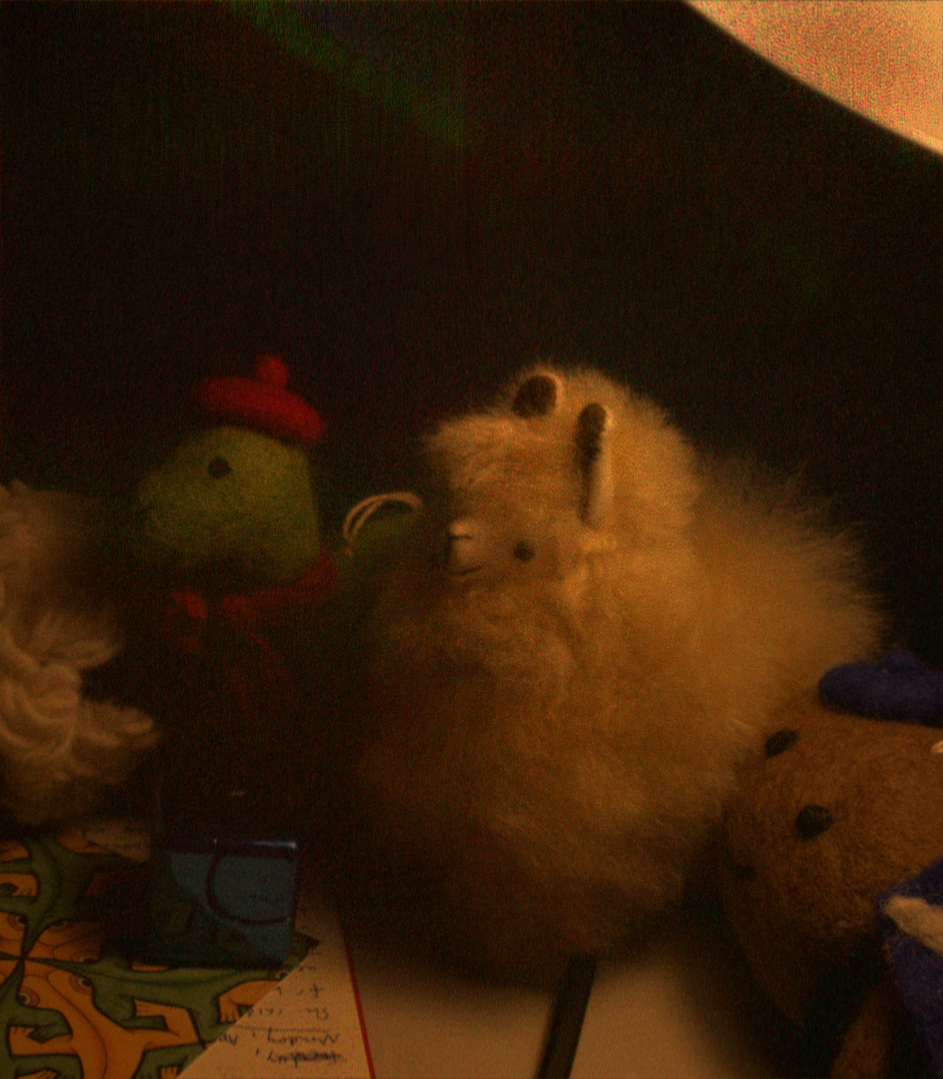 8.302 JOD 8.302 JOD26.87 dB · 0.667 | 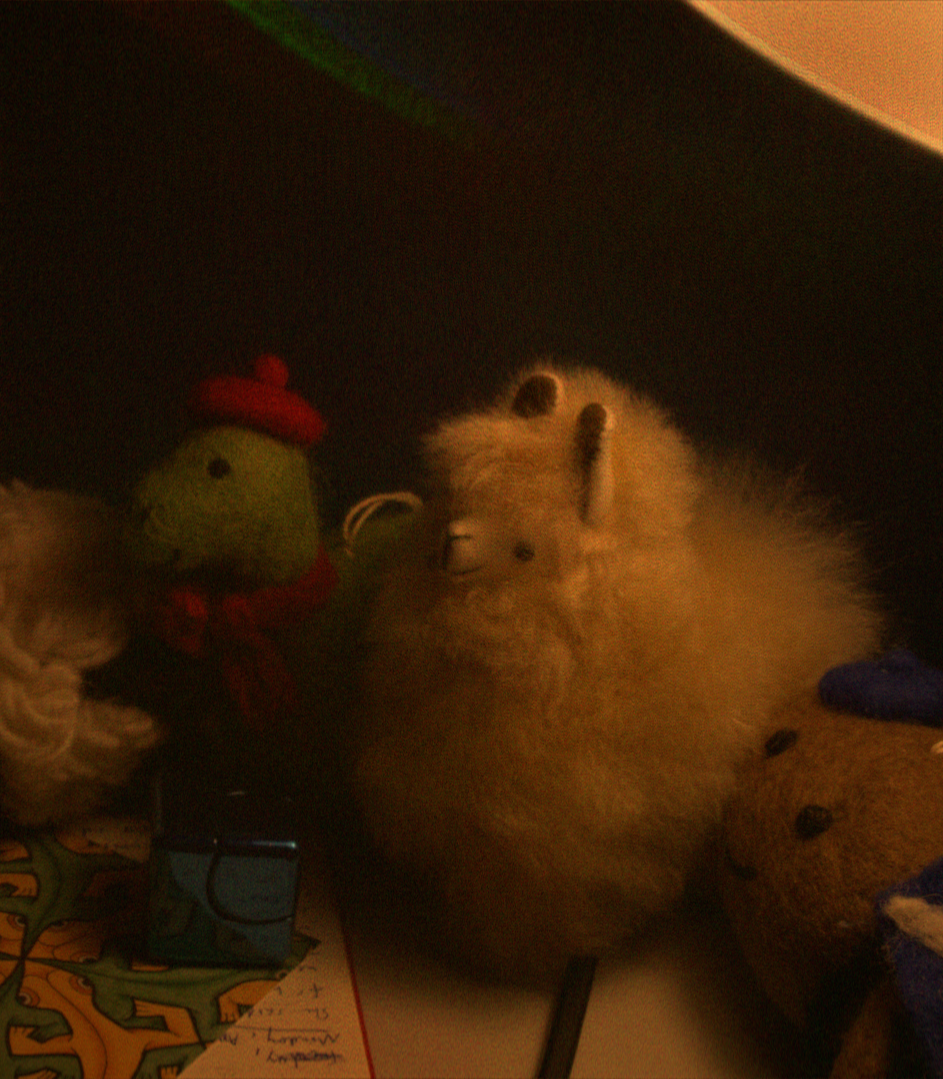 8.519 JOD 8.519 JOD27.11 dB · 0.665 | 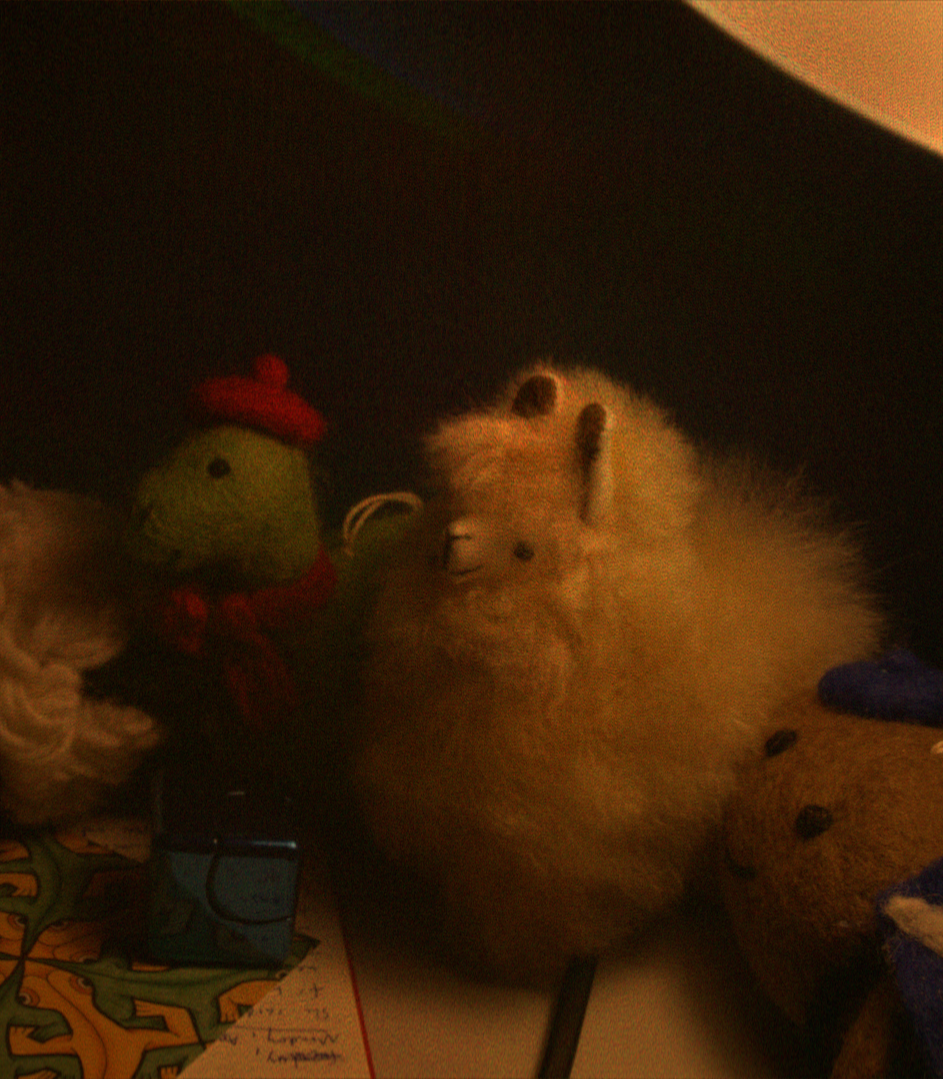 8.673 JOD 8.673 JOD26.83 dB · 0.659 |
| Type |  7.565 JOD 7.565 JOD19.57 dB · 0.289 |  7.269 JOD 7.269 JOD19.56 dB · 0.287 |  7.617 JOD 7.617 JOD19.70 dB · 0.288 |  7.647 JOD 7.647 JOD19.43 dB · 0.280 |
| Showgirl | 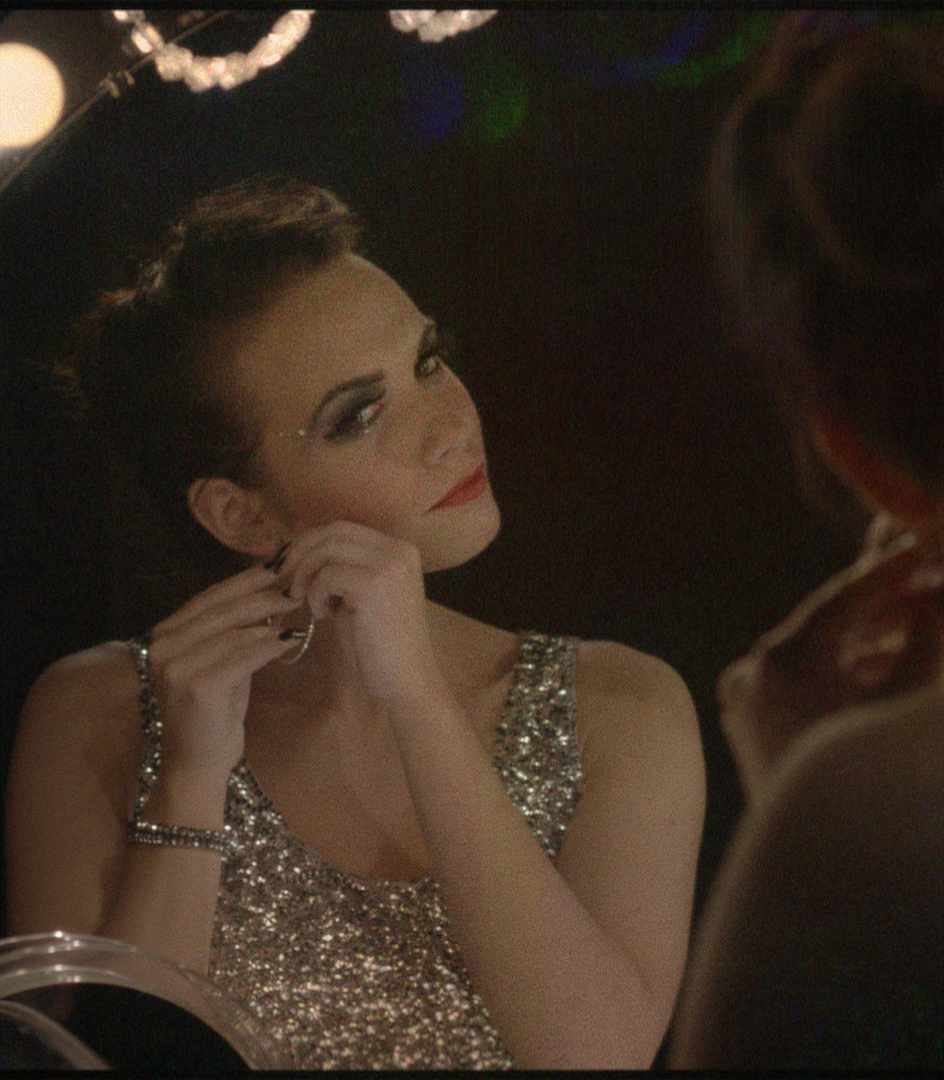 8.283 JOD 8.283 JOD24.41 dB · 0.483 | 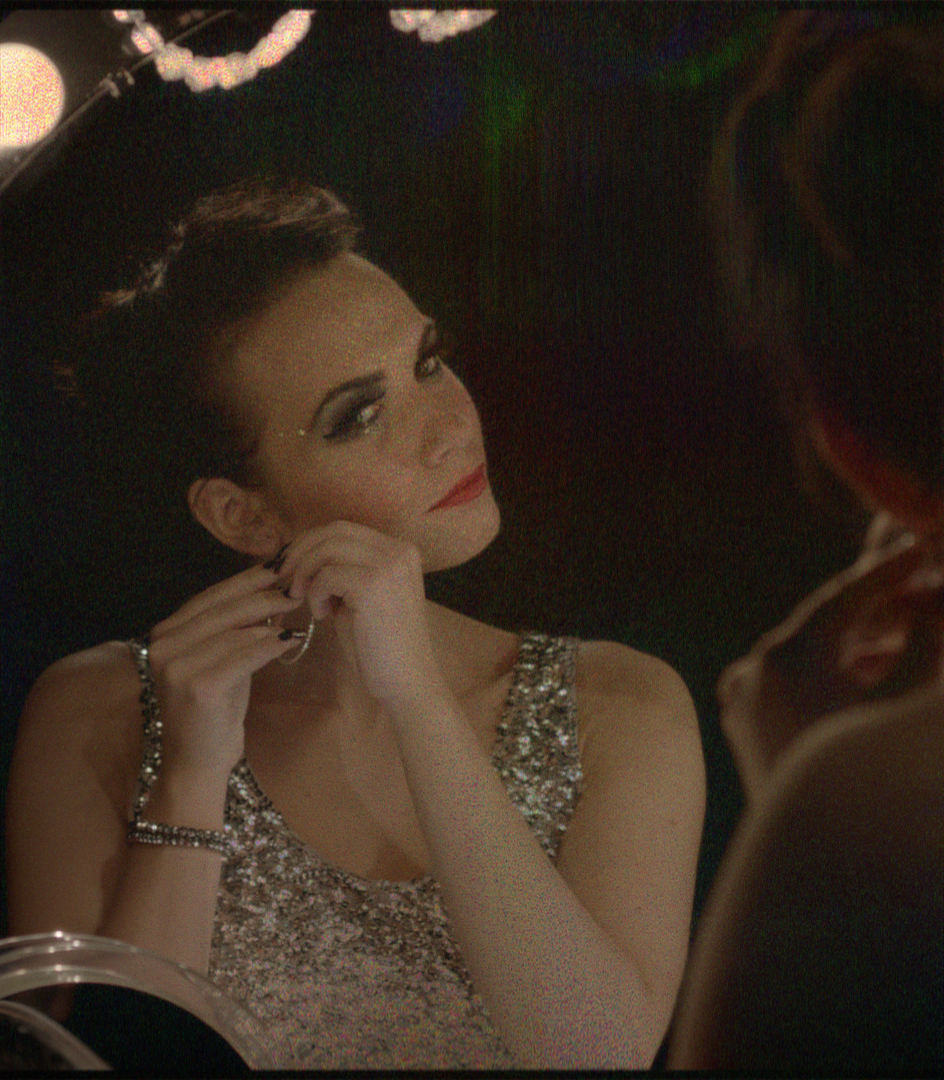 7.817 JOD 7.817 JOD24.00 dB · 0.484 | 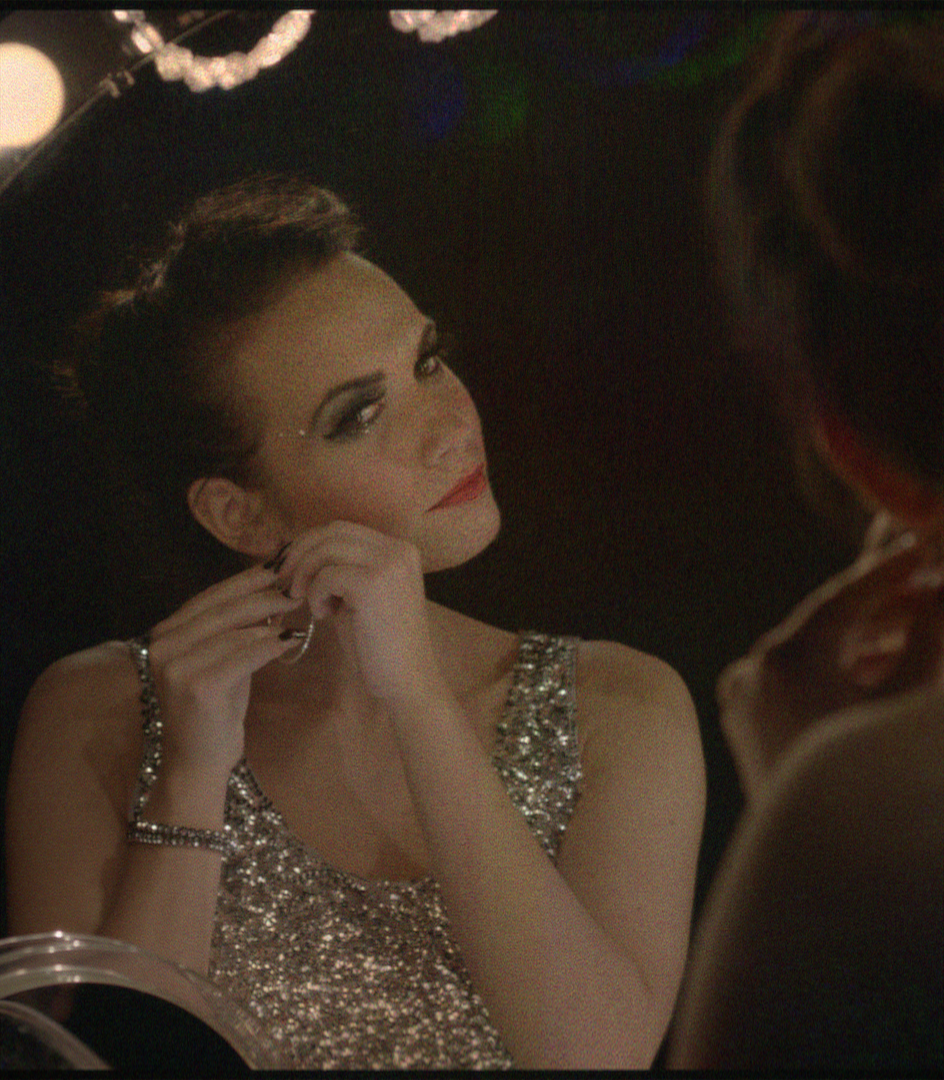 8.335 JOD 8.335 JOD24.52 dB · 0.482 | 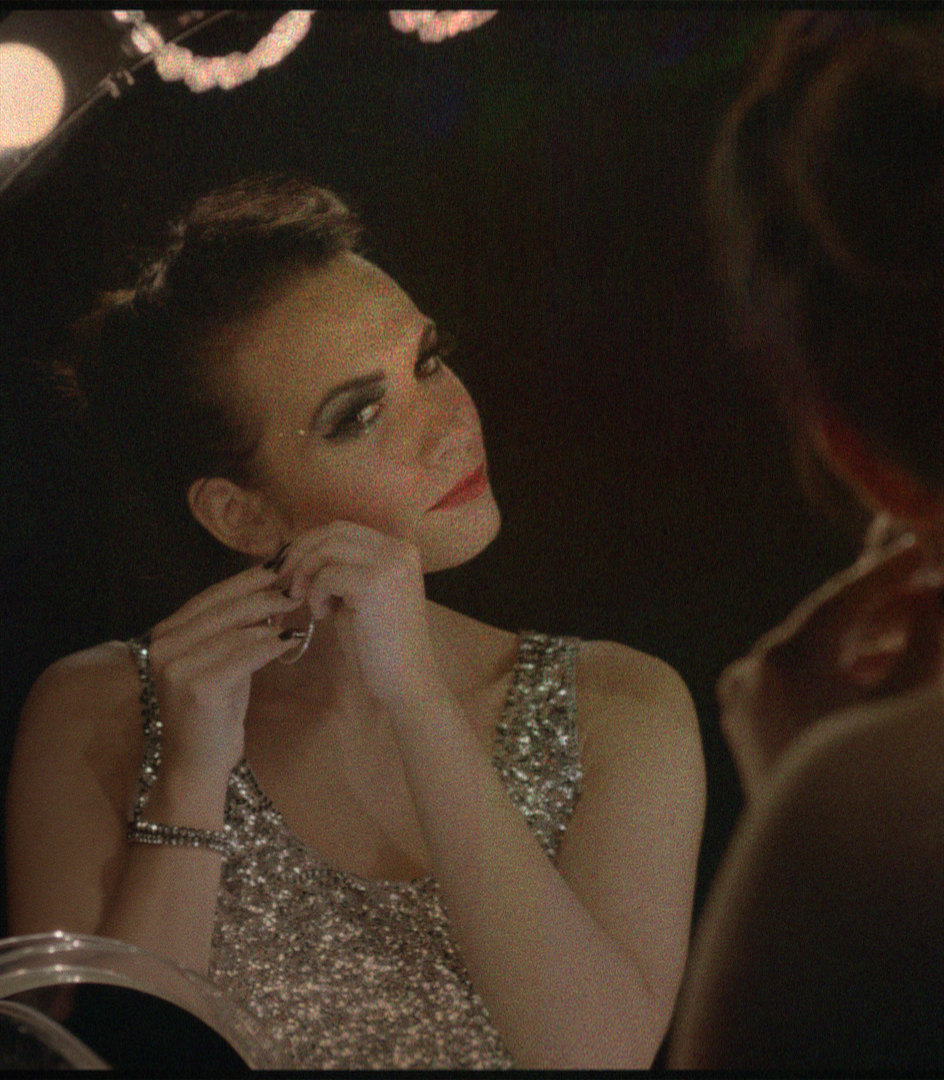 8.232 JOD 8.232 JOD24.22 dB · 0.475 |
| Lounge | 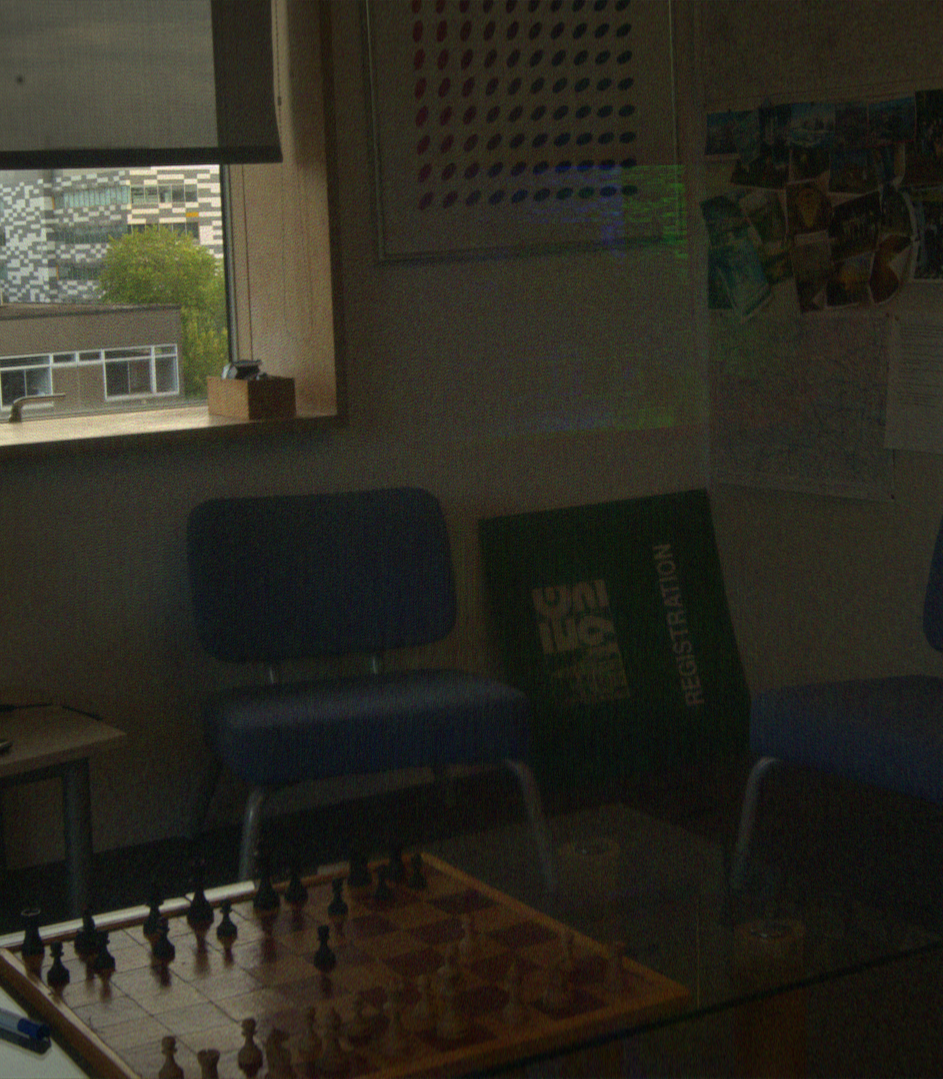 8.576 JOD 8.576 JOD28.98 dB · 0.710 | 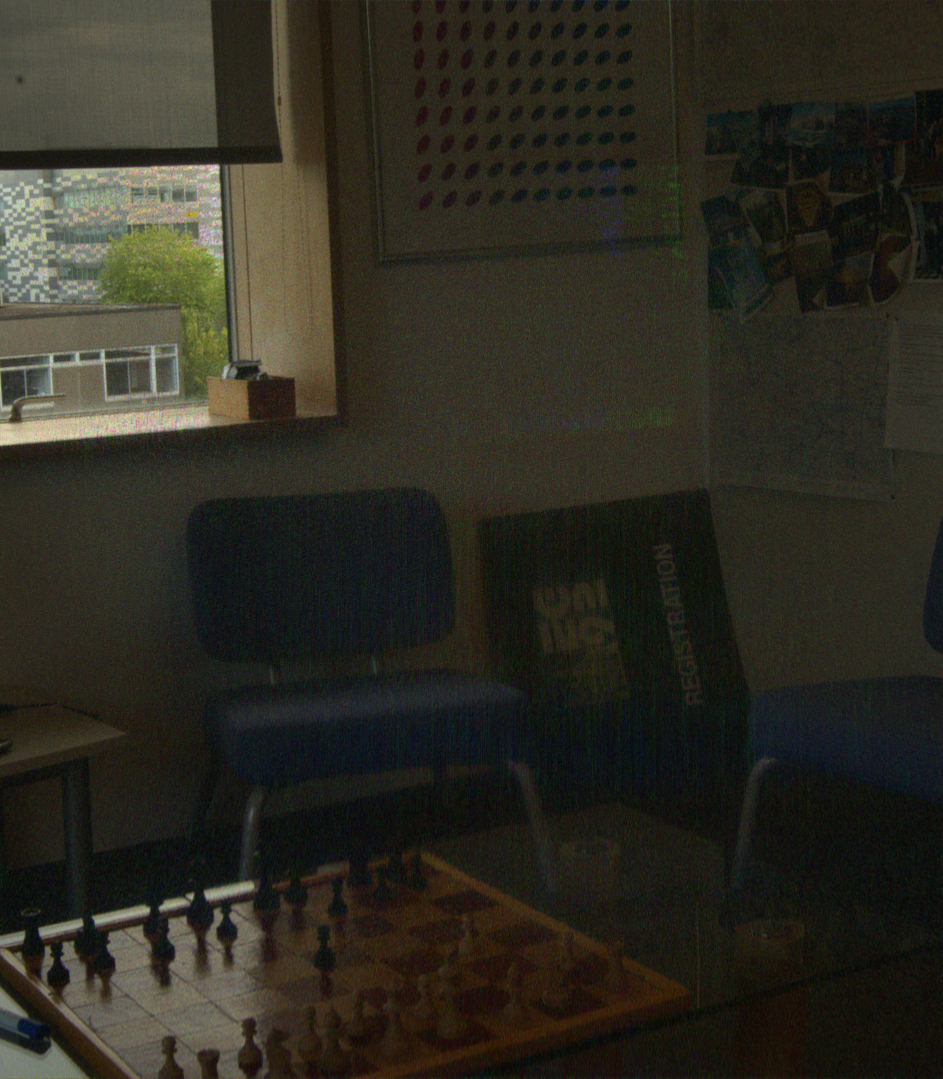 8.447 JOD 8.447 JOD28.68 dB · 0.714 | 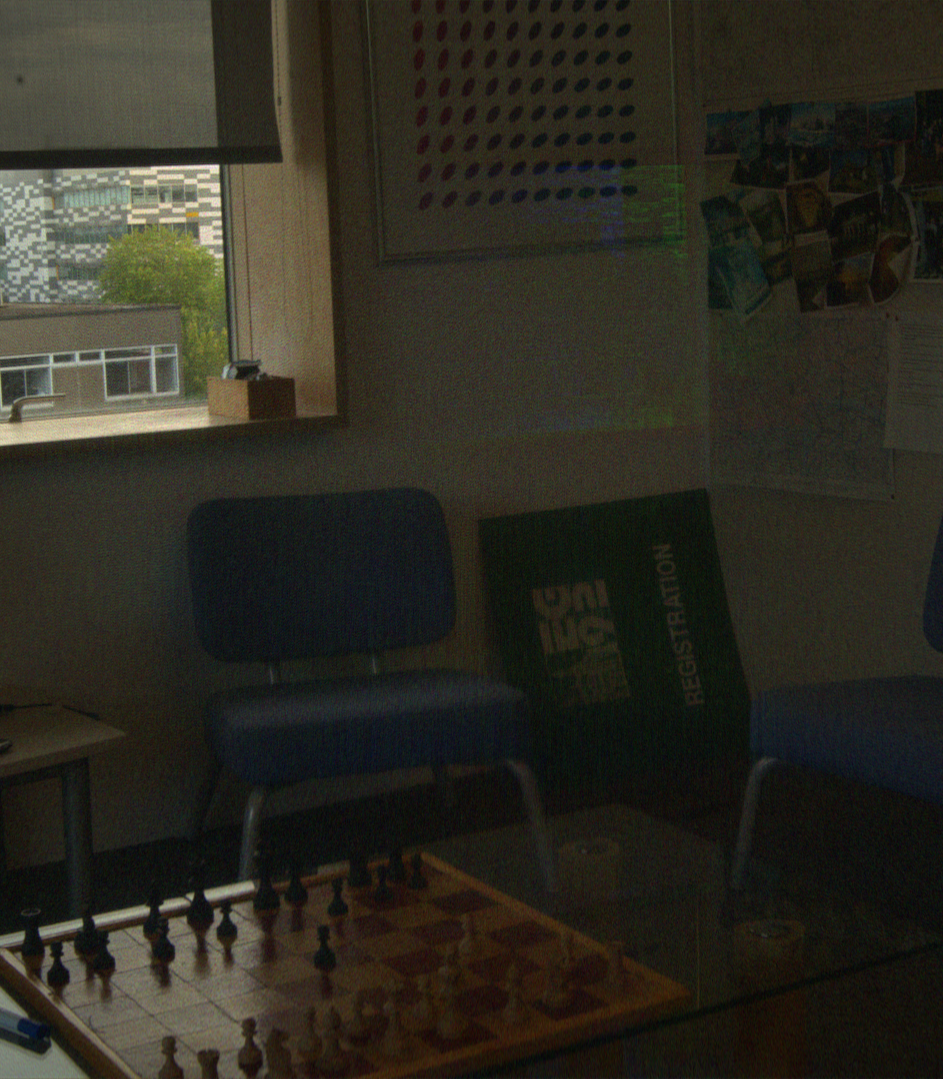 8.669 JOD 8.669 JOD29.25 dB · 0.718 | 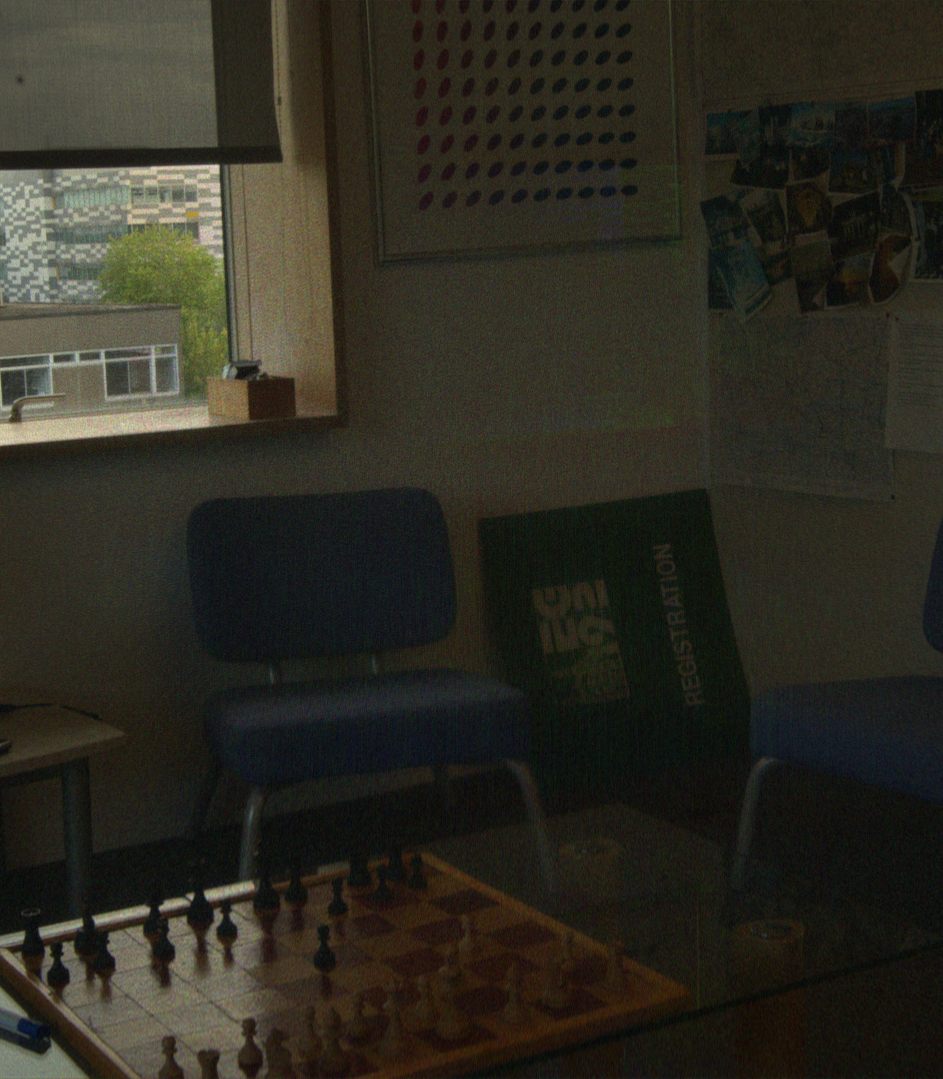 8.670 JOD 8.670 JOD28.98 dB · 0.721 |
| Rushmore | 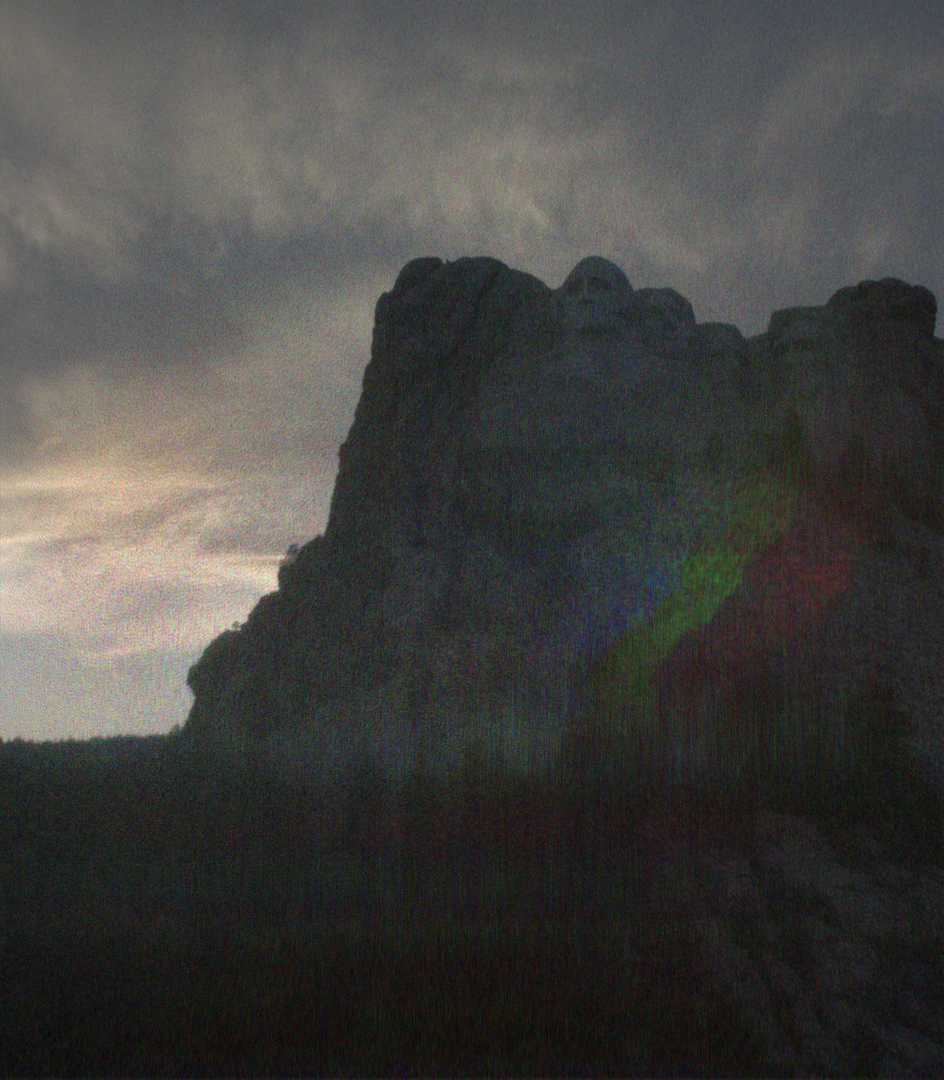 7.903 JOD 7.903 JOD22.10 dB · 0.486 | 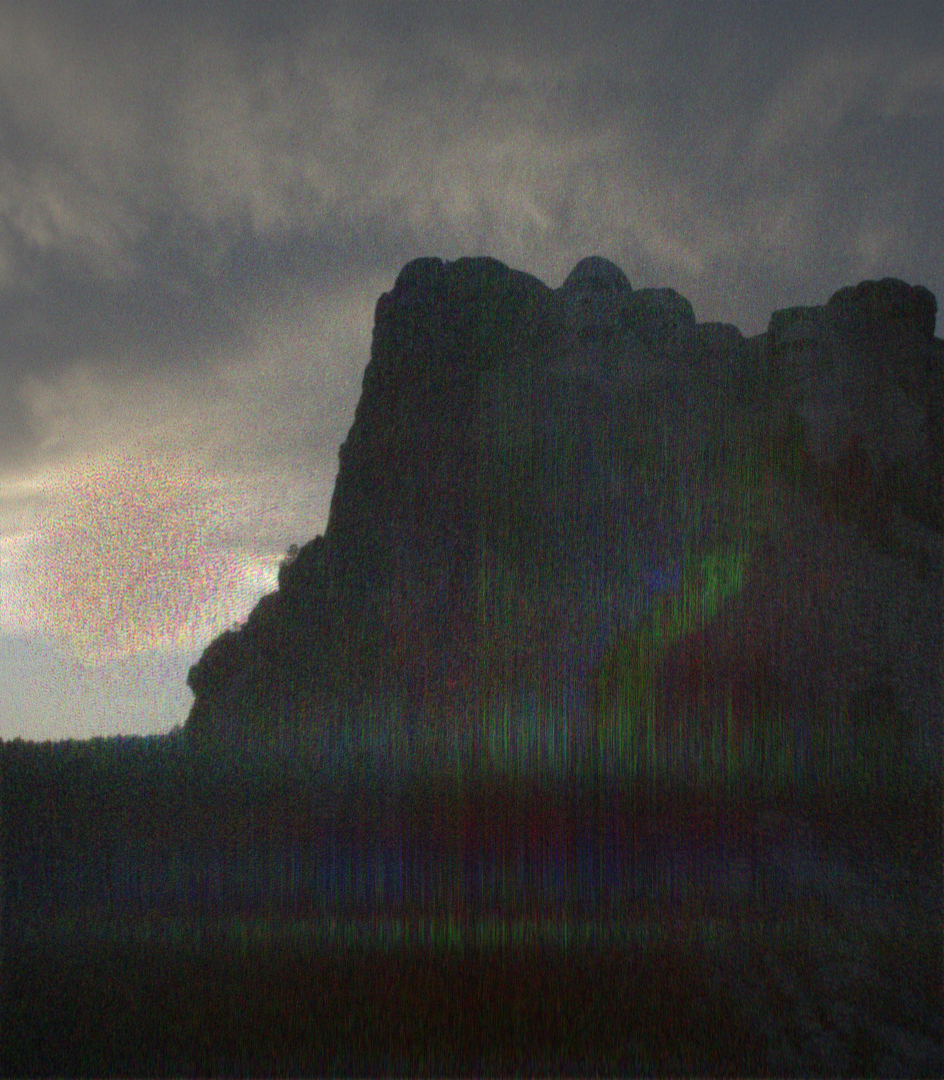 7.338 JOD 7.338 JOD21.93 dB · 0.477 | 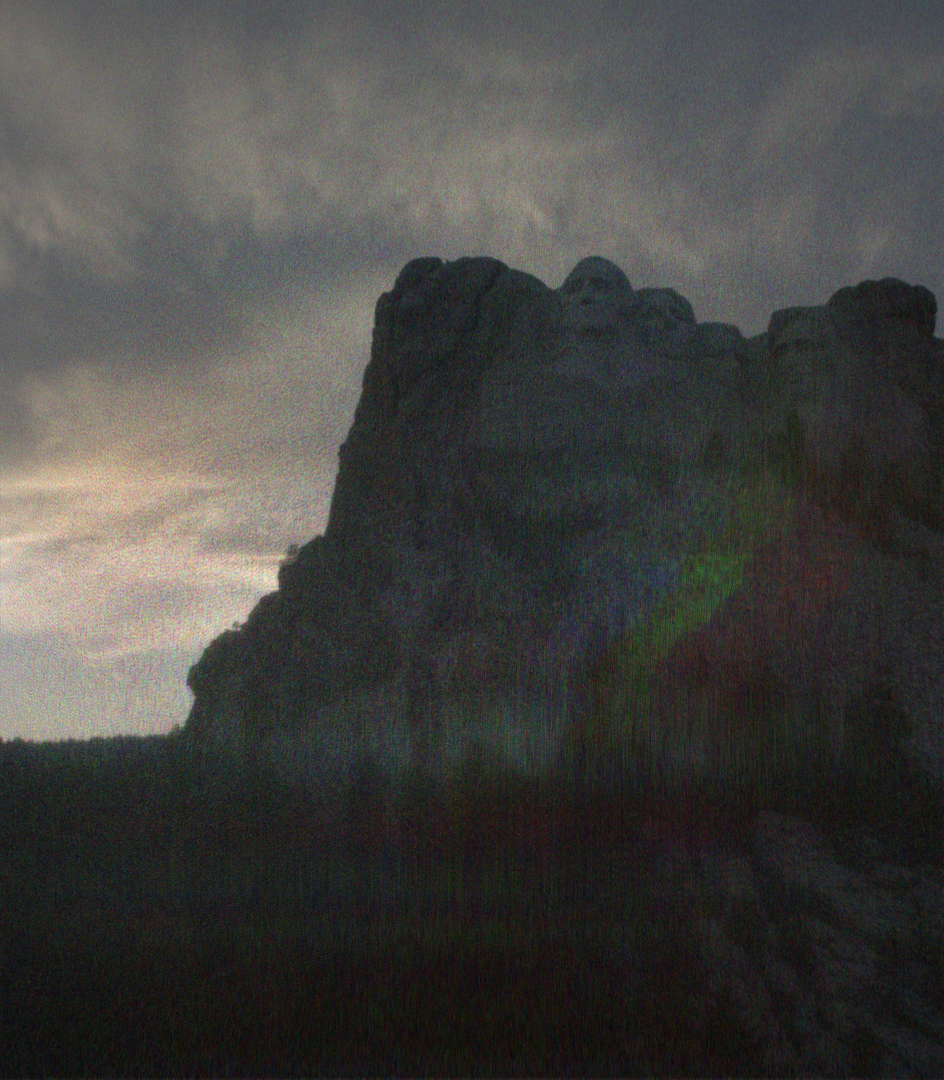 7.971 JOD 7.971 JOD22.28 dB · 0.484 | 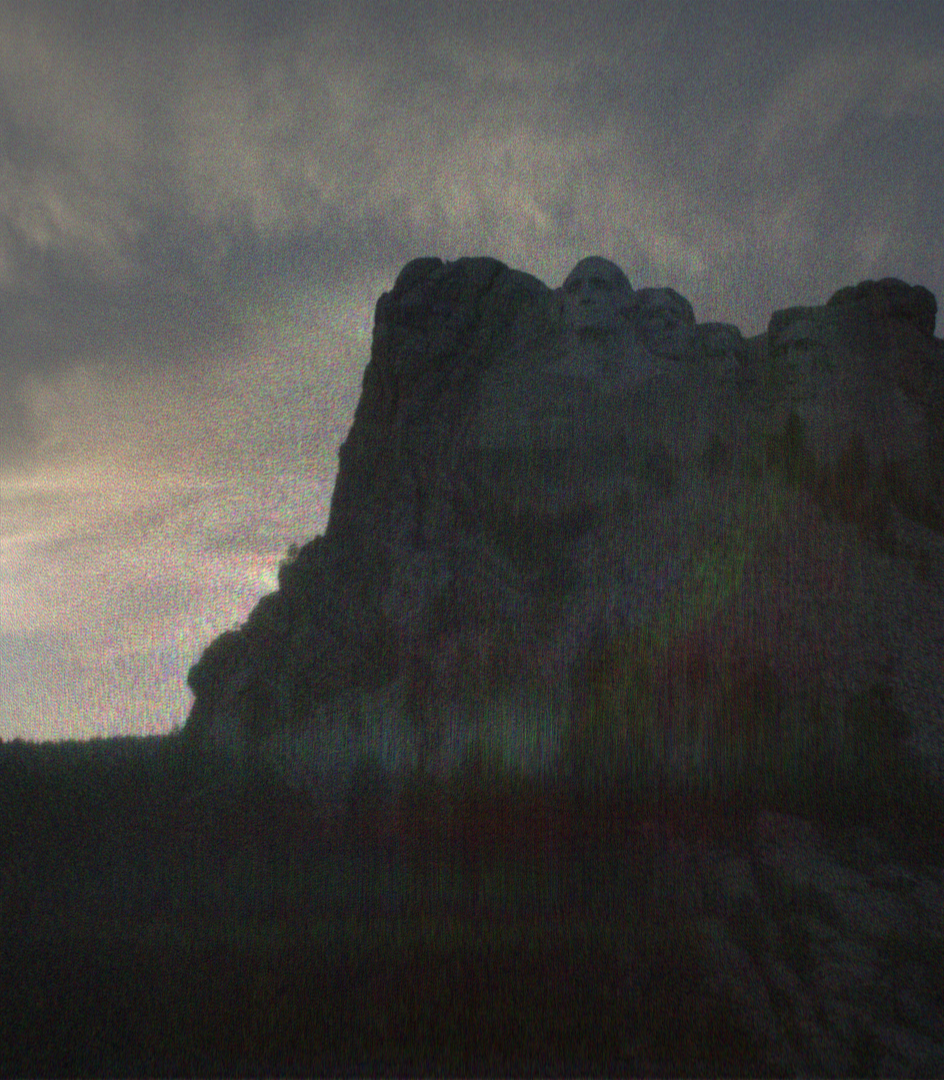 7.968 JOD 7.968 JOD22.10 dB · 0.472 |
| Glade | 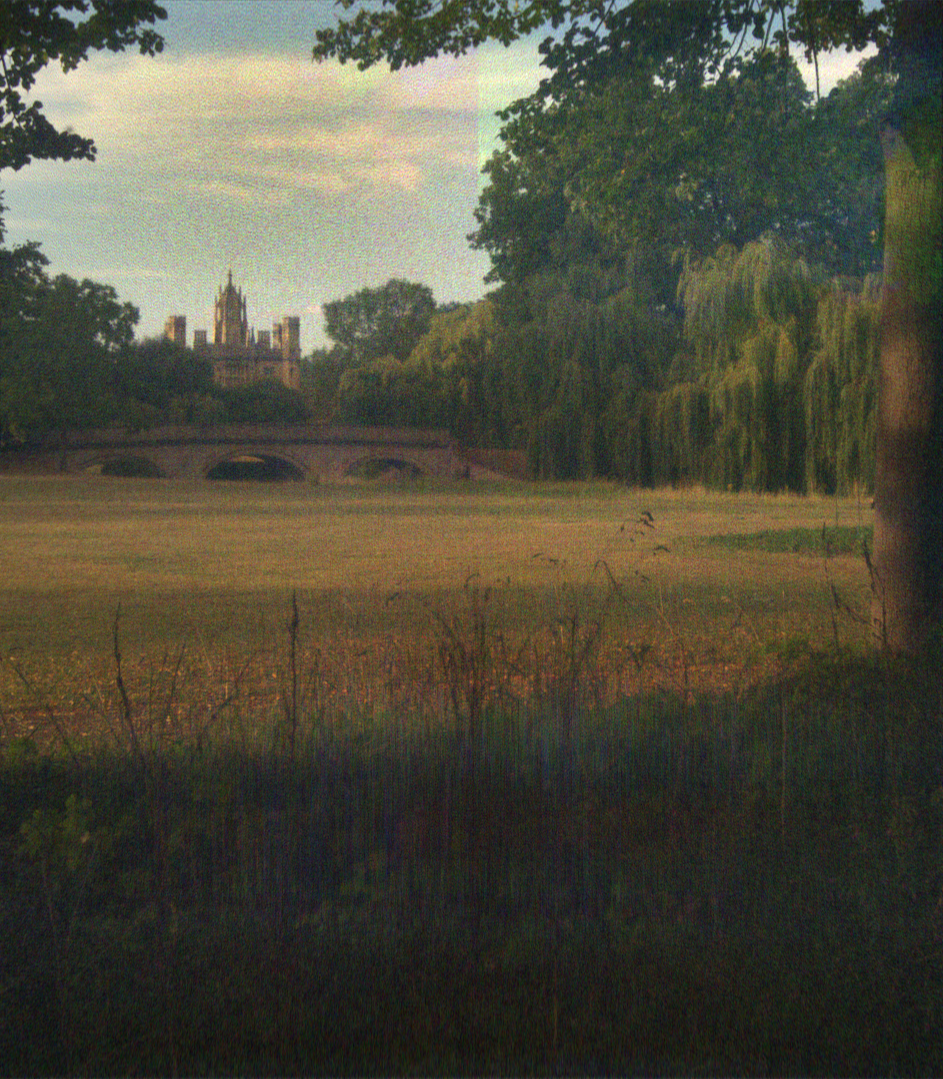 7.845 JOD 7.845 JOD20.65 dB · 0.469 | 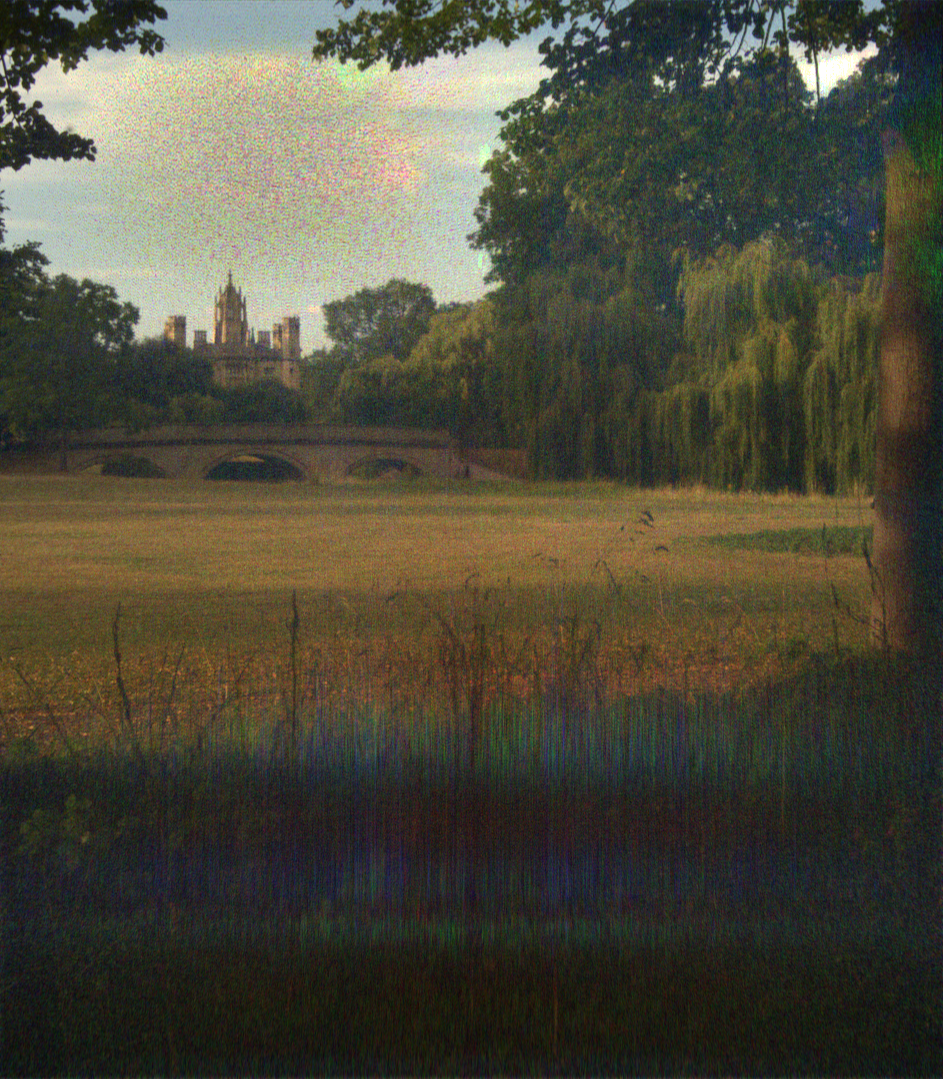 7.517 JOD 7.517 JOD20.78 dB · 0.464 | 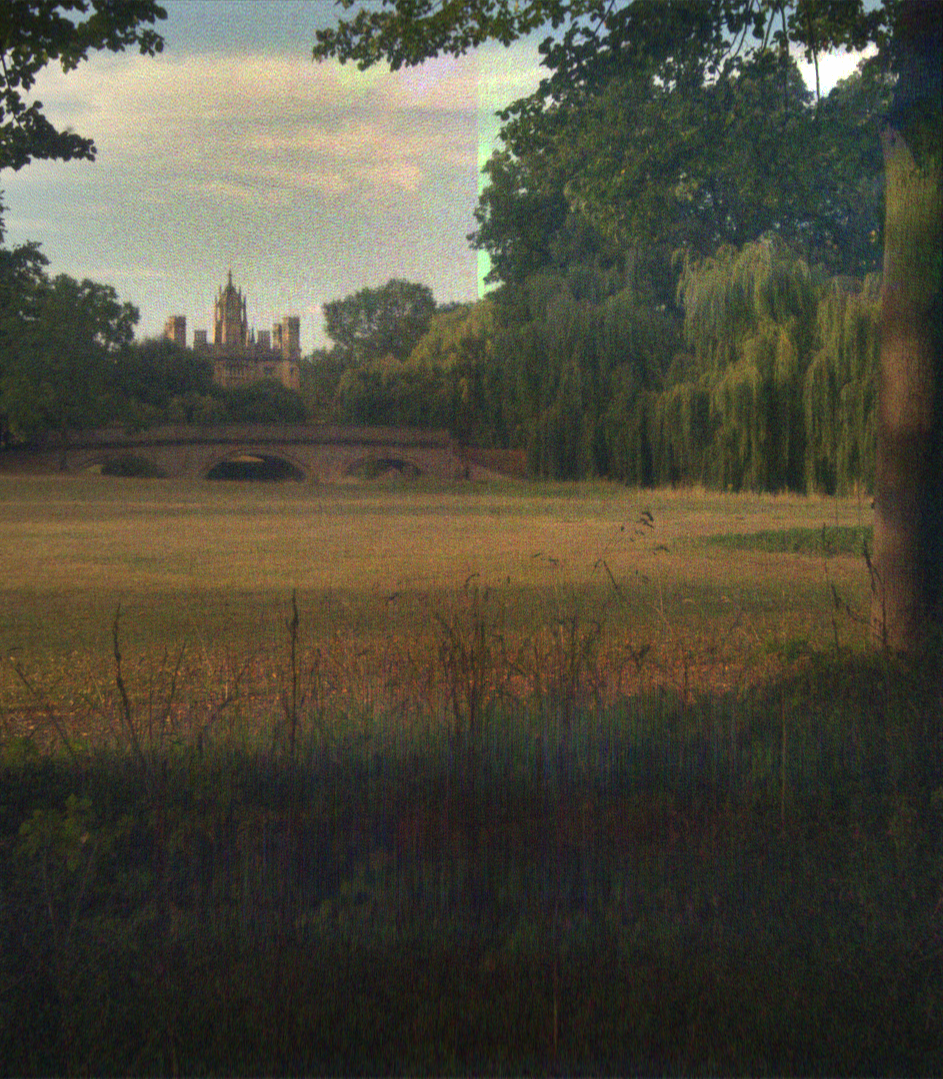 7.985 JOD 7.985 JOD20.76 dB · 0.480 | 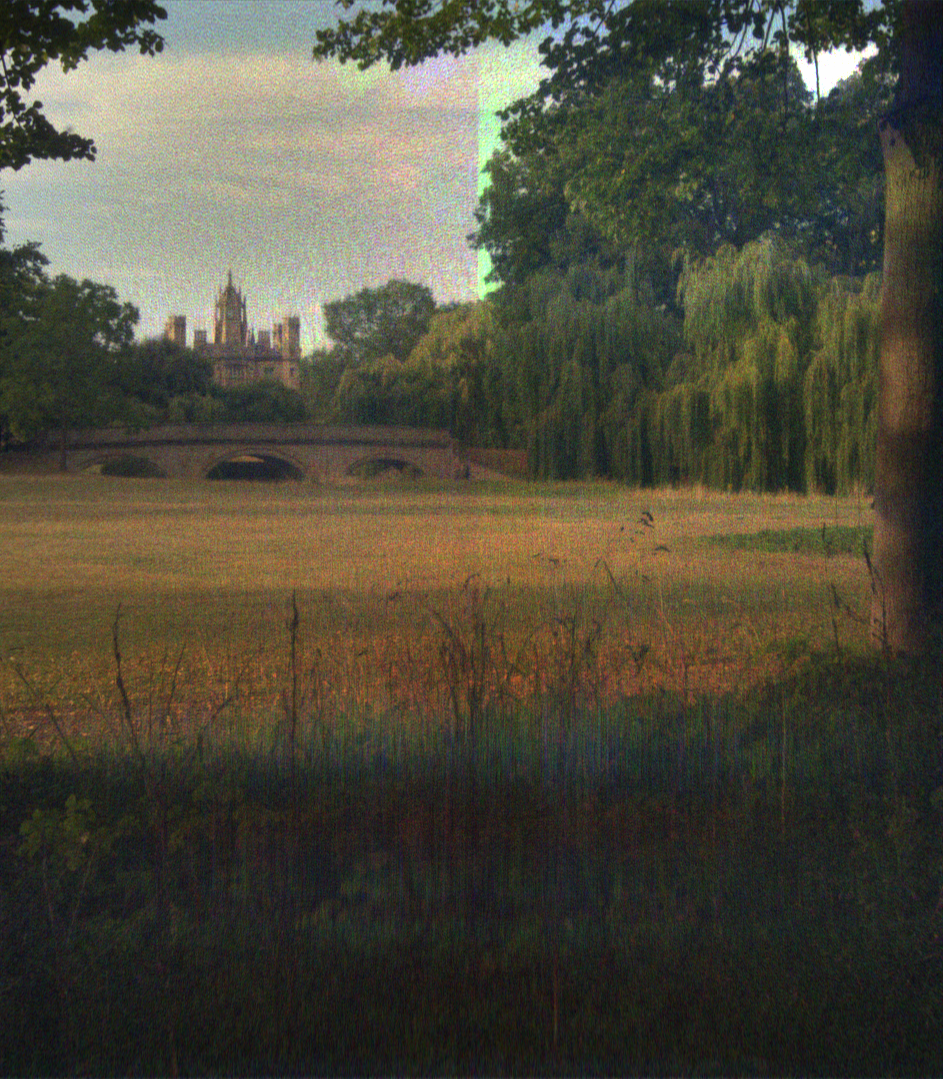 8.009 JOD 8.009 JOD20.51 dB · 0.476 |
| Snow | 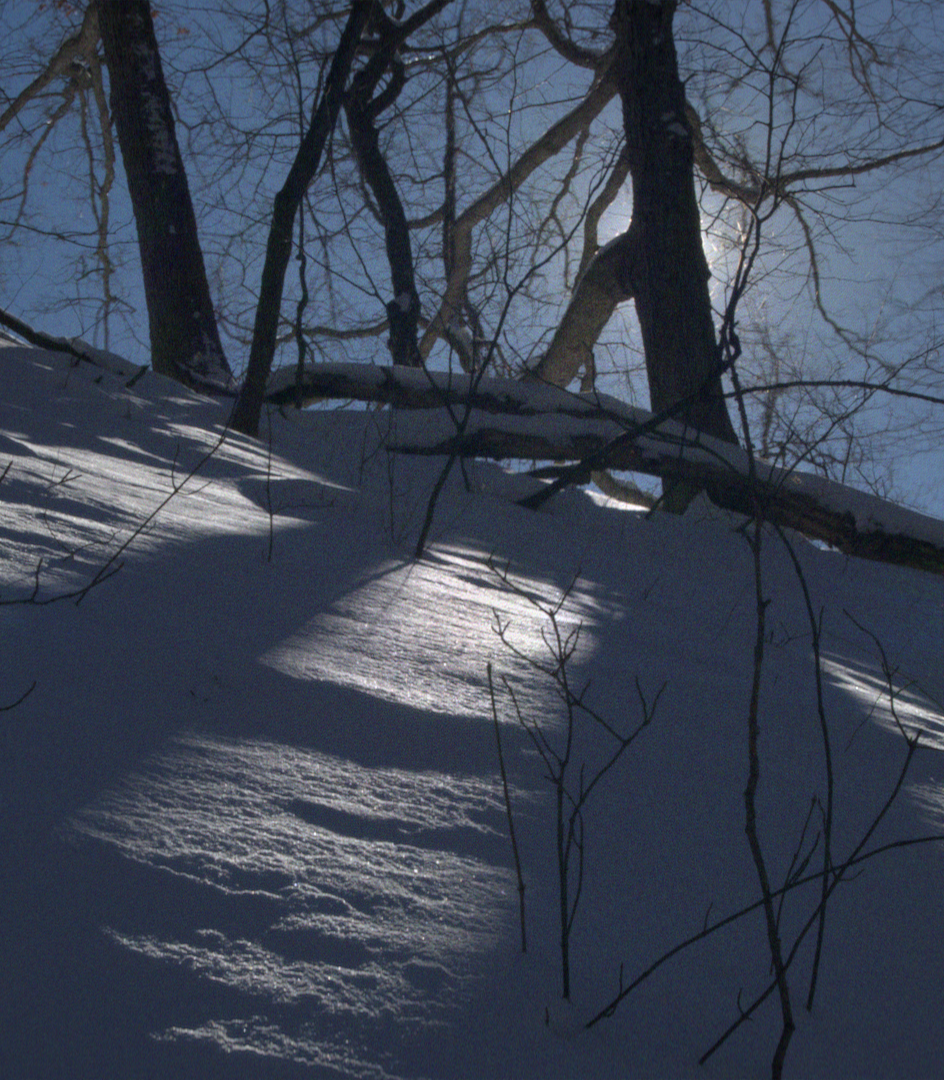 9.181 JOD 9.181 JOD30.59 dB · 0.822 | 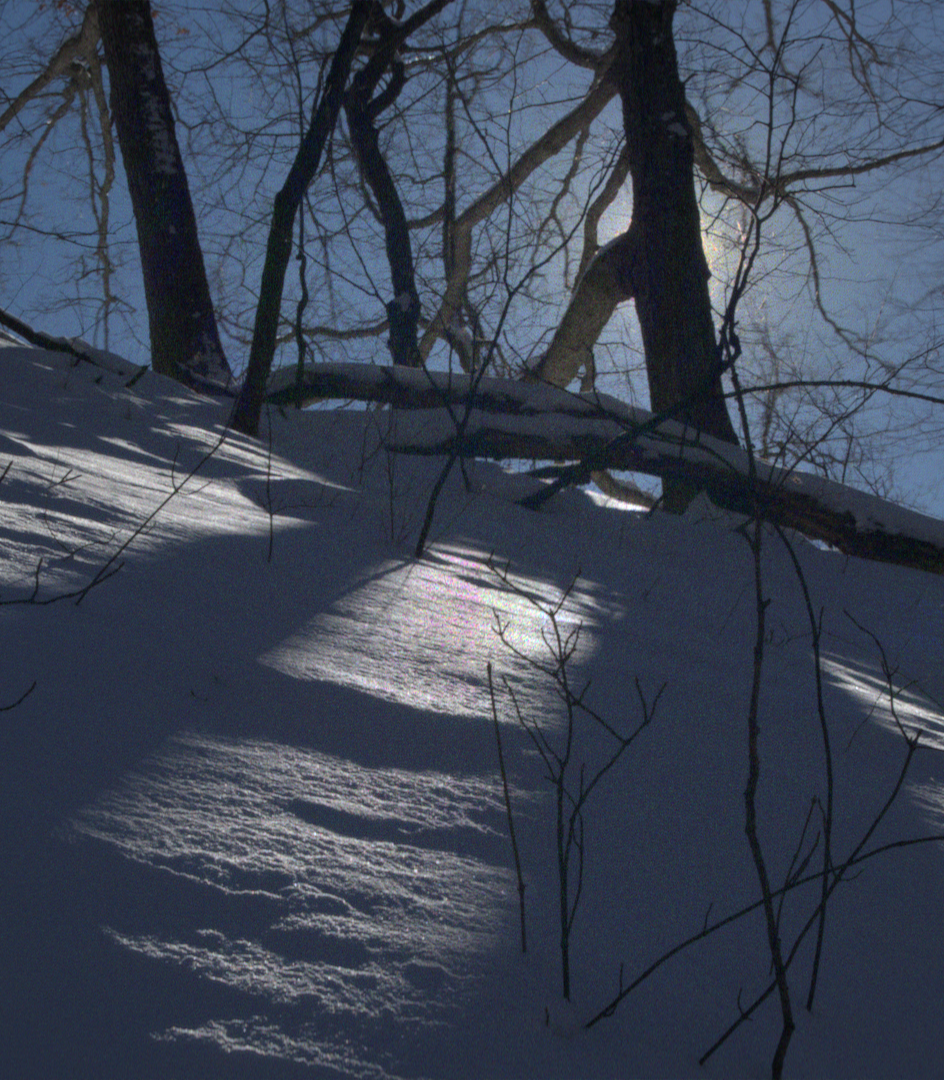 9.136 JOD 9.136 JOD30.22 dB · 0.823 | 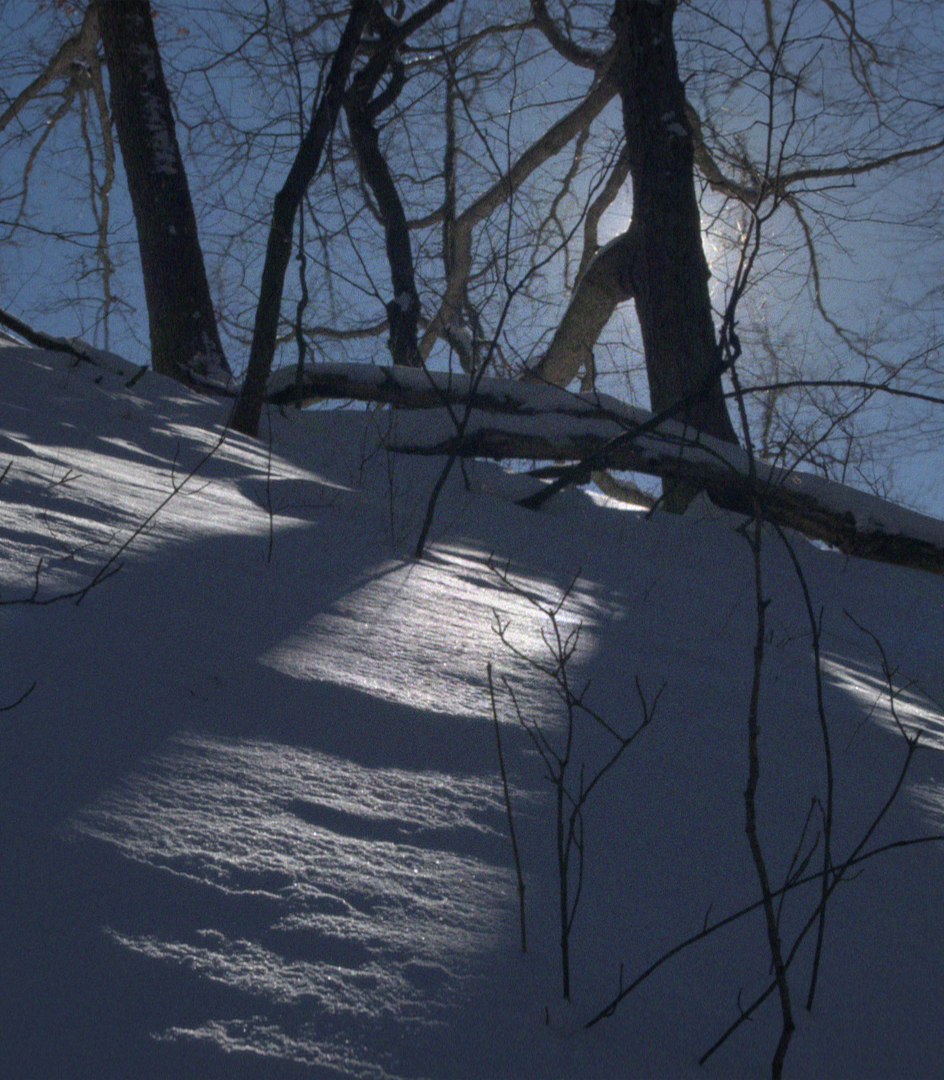 9.232 JOD 9.232 JOD30.75 dB · 0.825 | 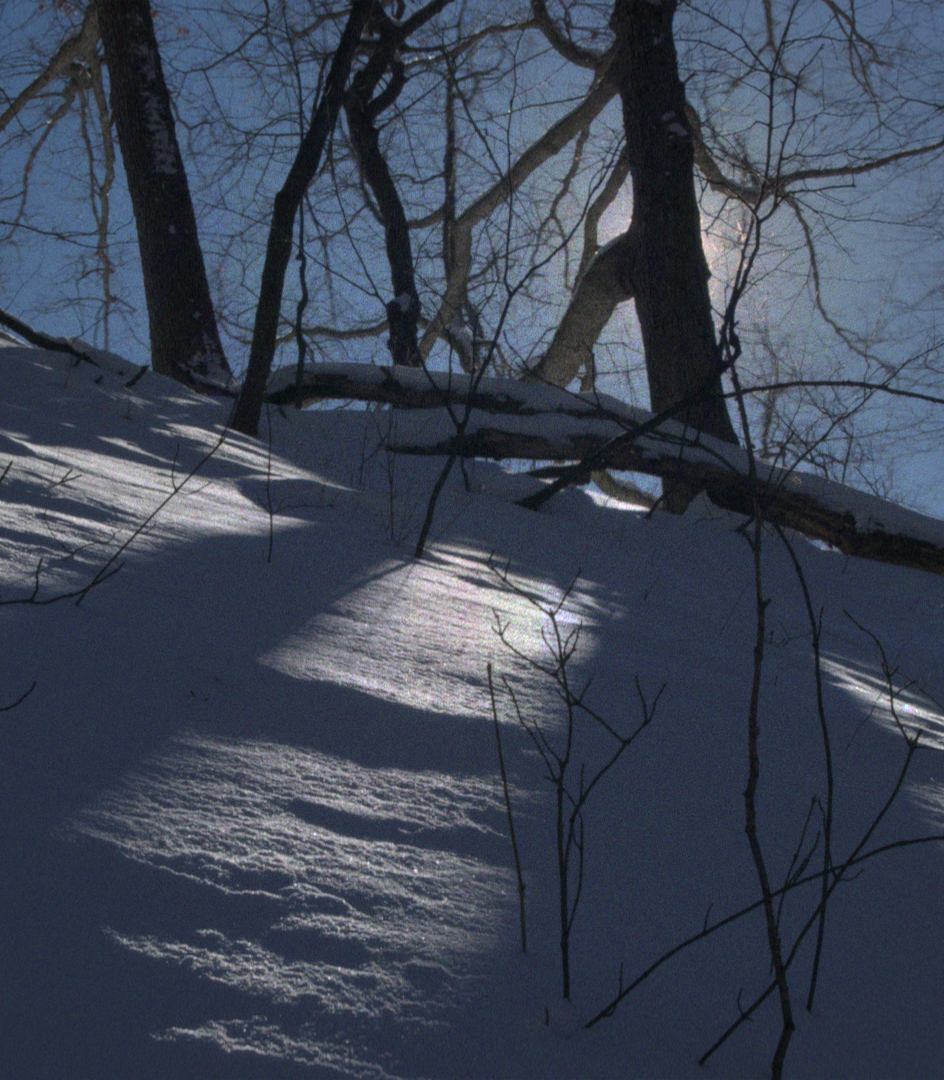 9.182 JOD 9.182 JOD30.10 dB · 0.817 |
| Meridian | 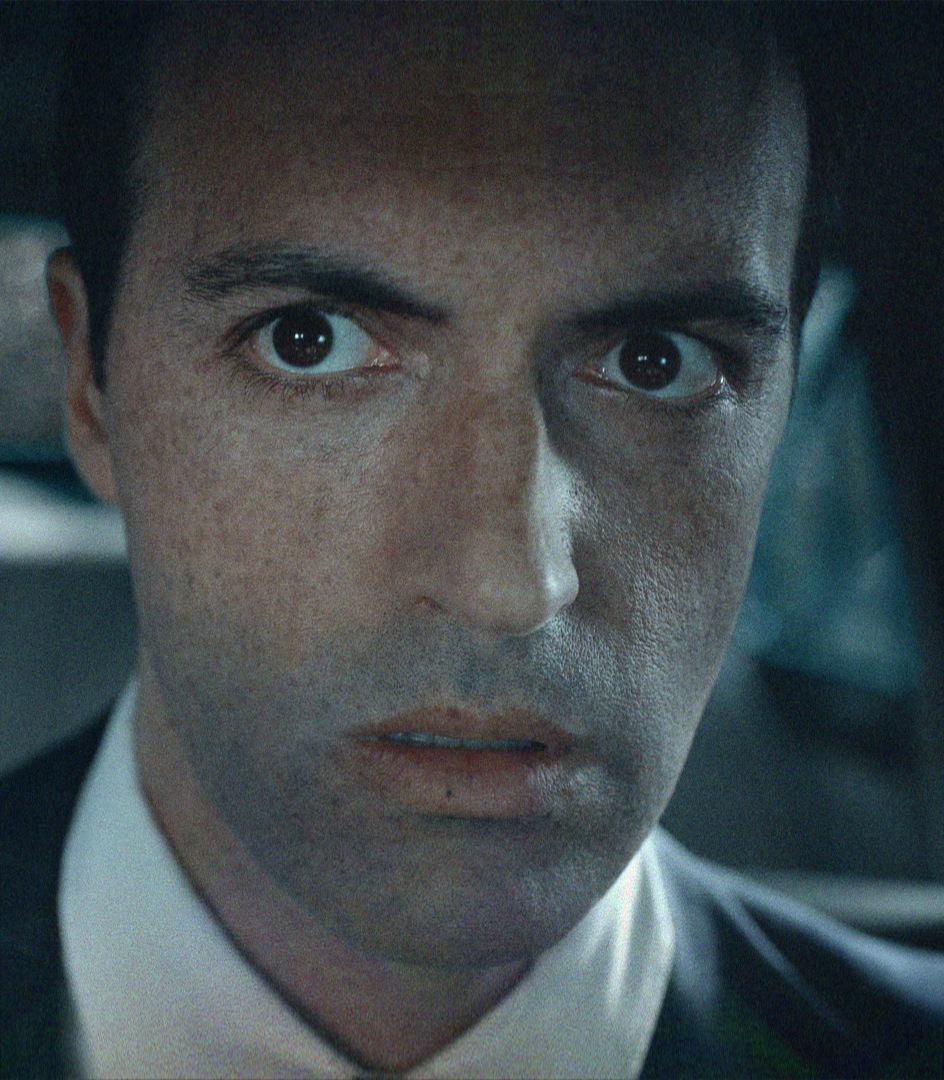 8.393 JOD 8.393 JOD23.82 dB · 0.547 | 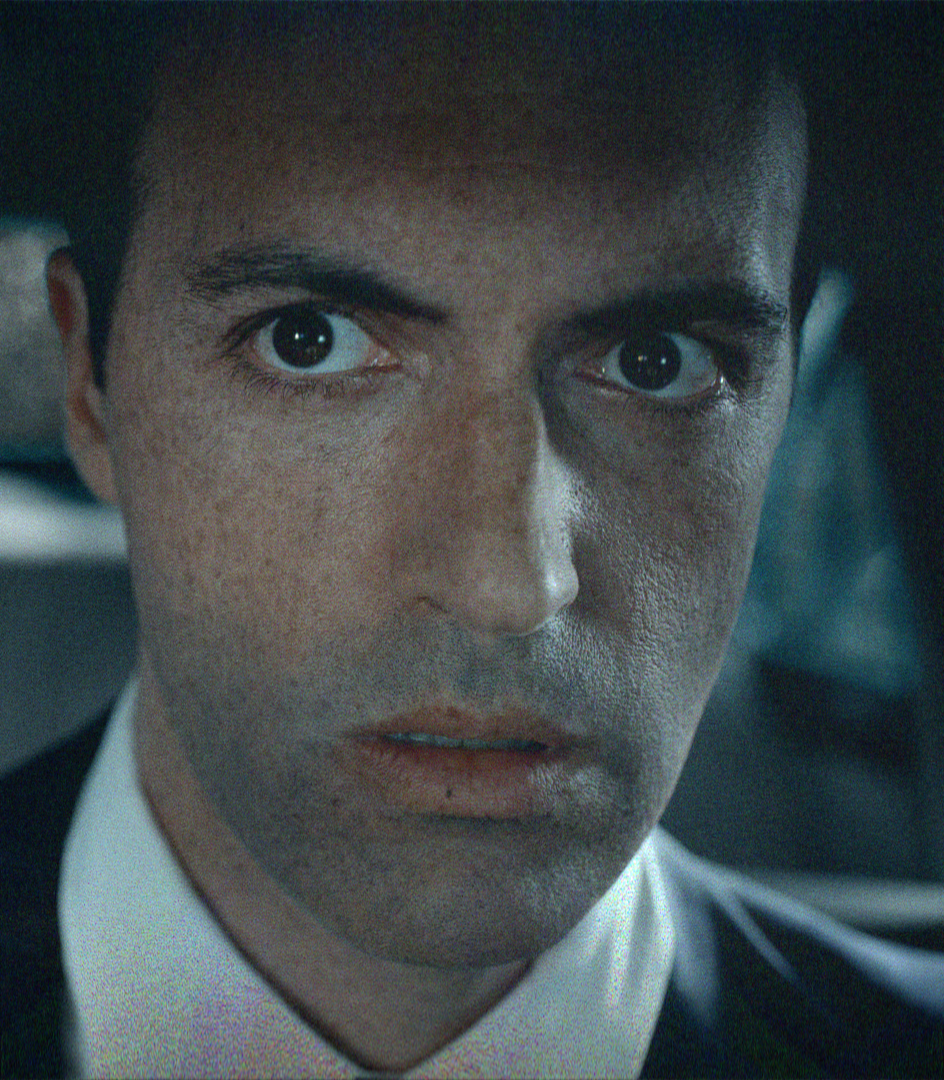 8.098 JOD 8.098 JOD23.70 dB · 0.546 | 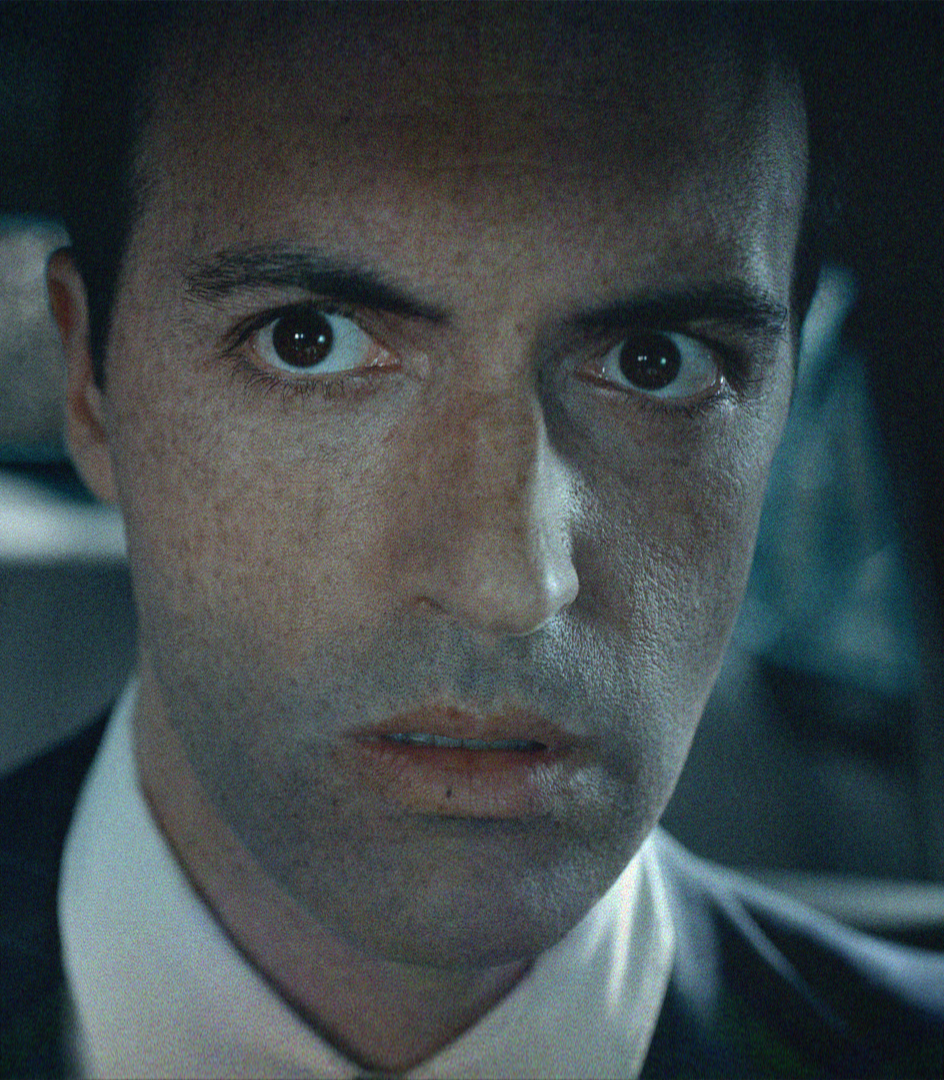 8.433 JOD 8.433 JOD23.88 dB · 0.547 | 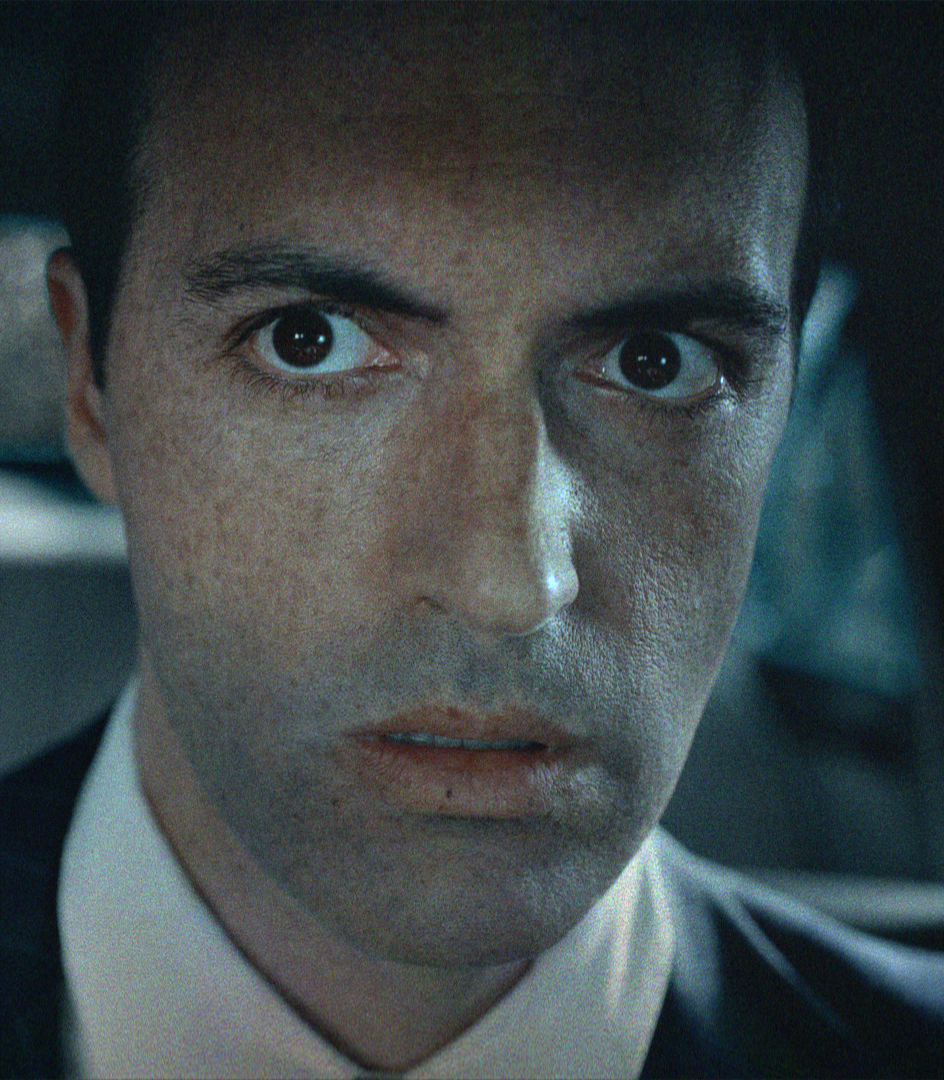 8.426 JOD 8.426 JOD23.37 dB · 0.544 |
| Bloom | 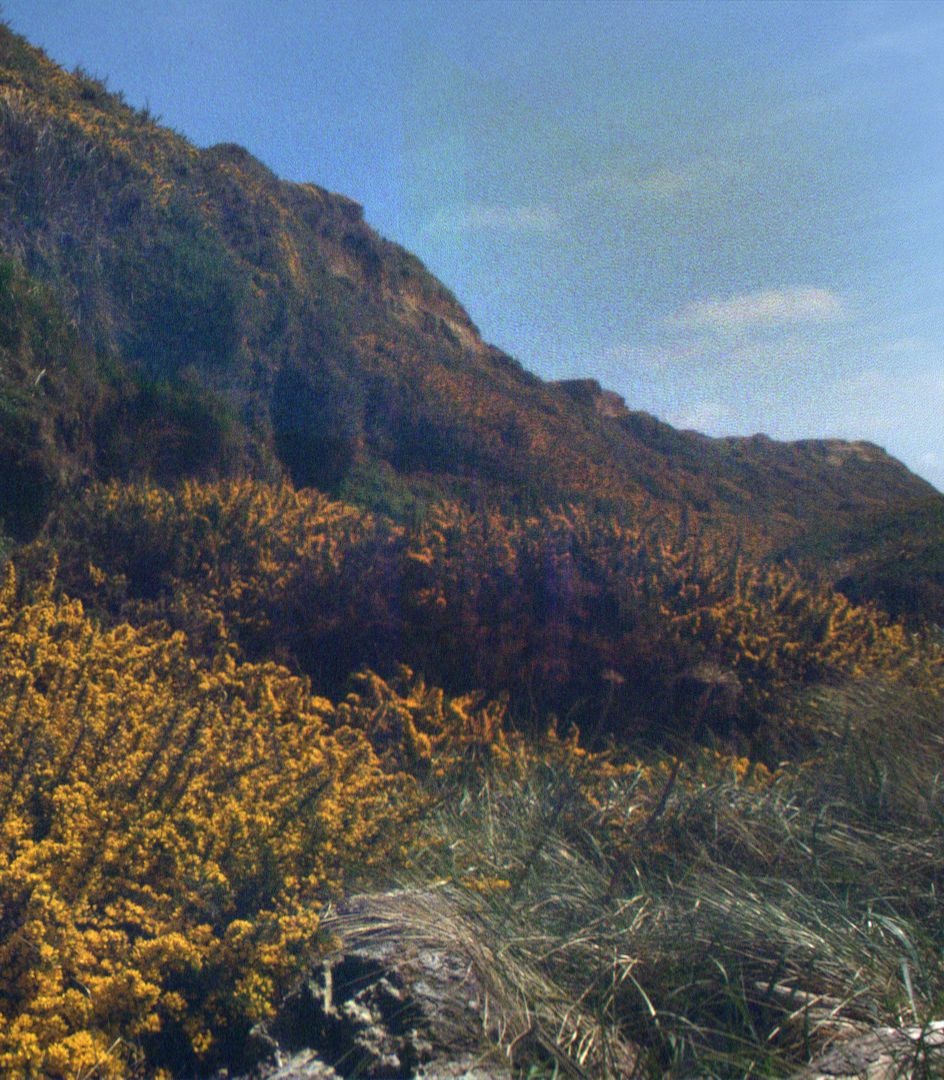 8.081 JOD 8.081 JOD19.37 dB · 0.553 | 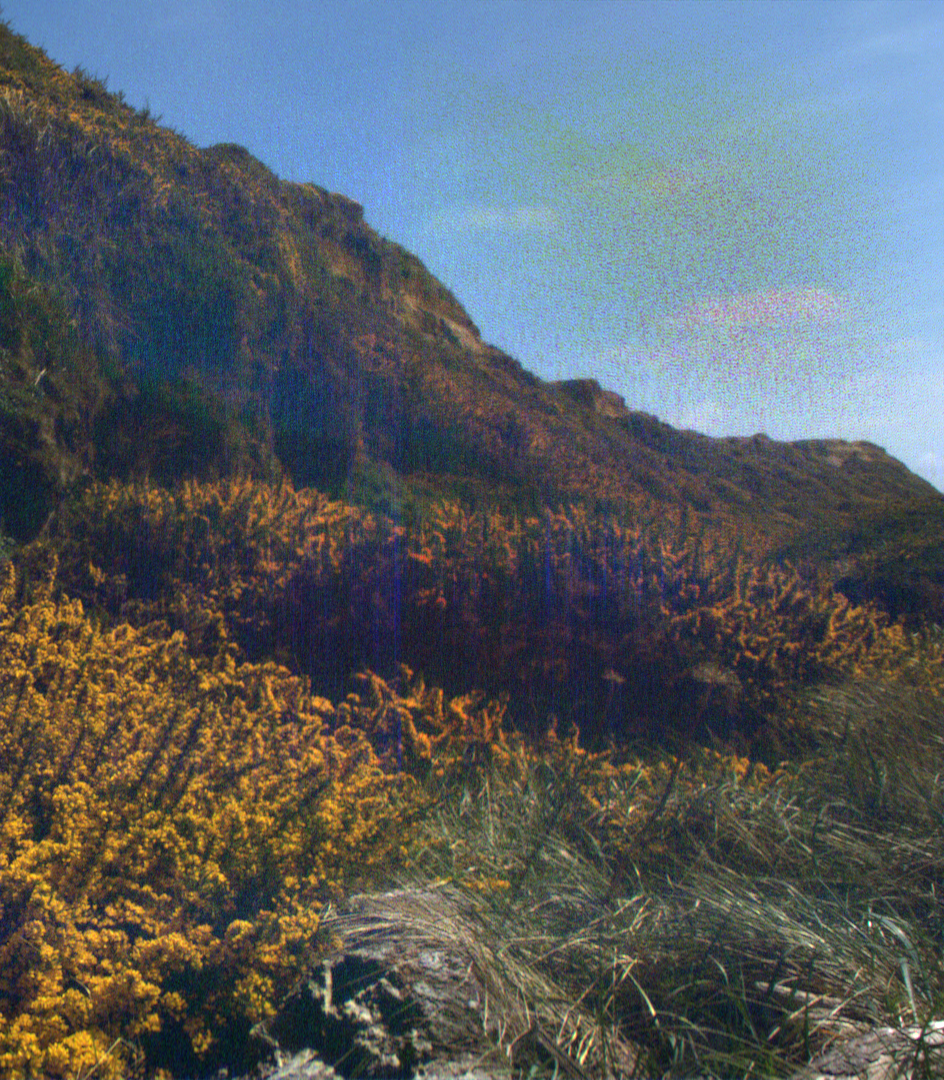 7.856 JOD 7.856 JOD19.43 dB · 0.550 | 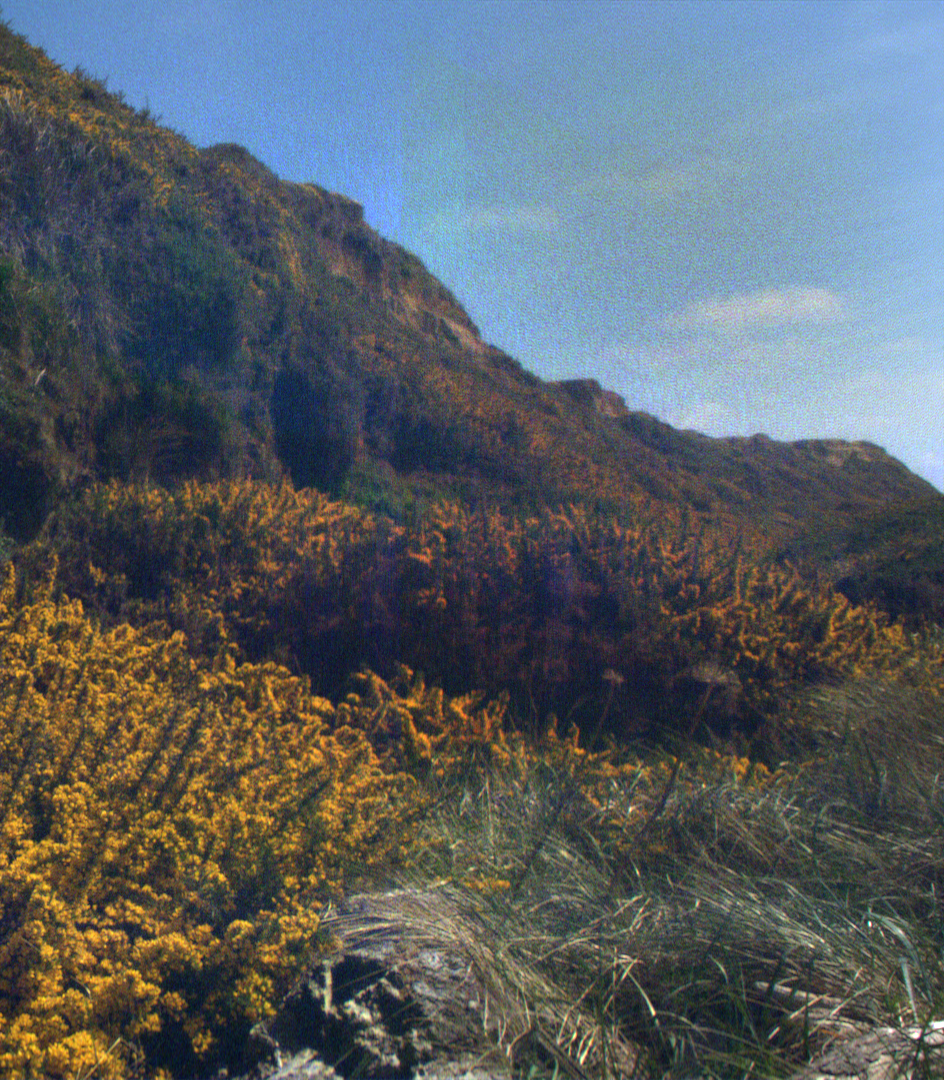 8.157 JOD 8.157 JOD19.51 dB · 0.552 | 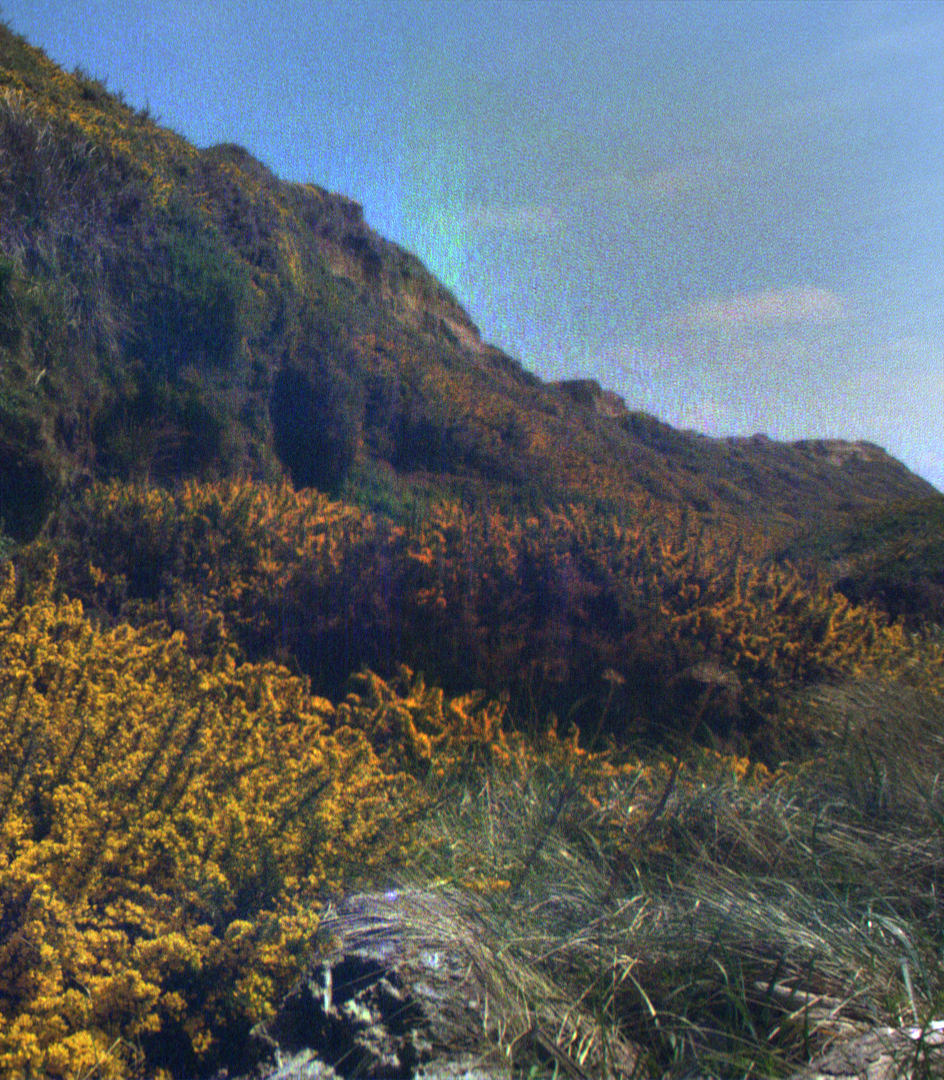 8.162 JOD 8.162 JOD19.40 dB · 0.544 |
| Anime2 | 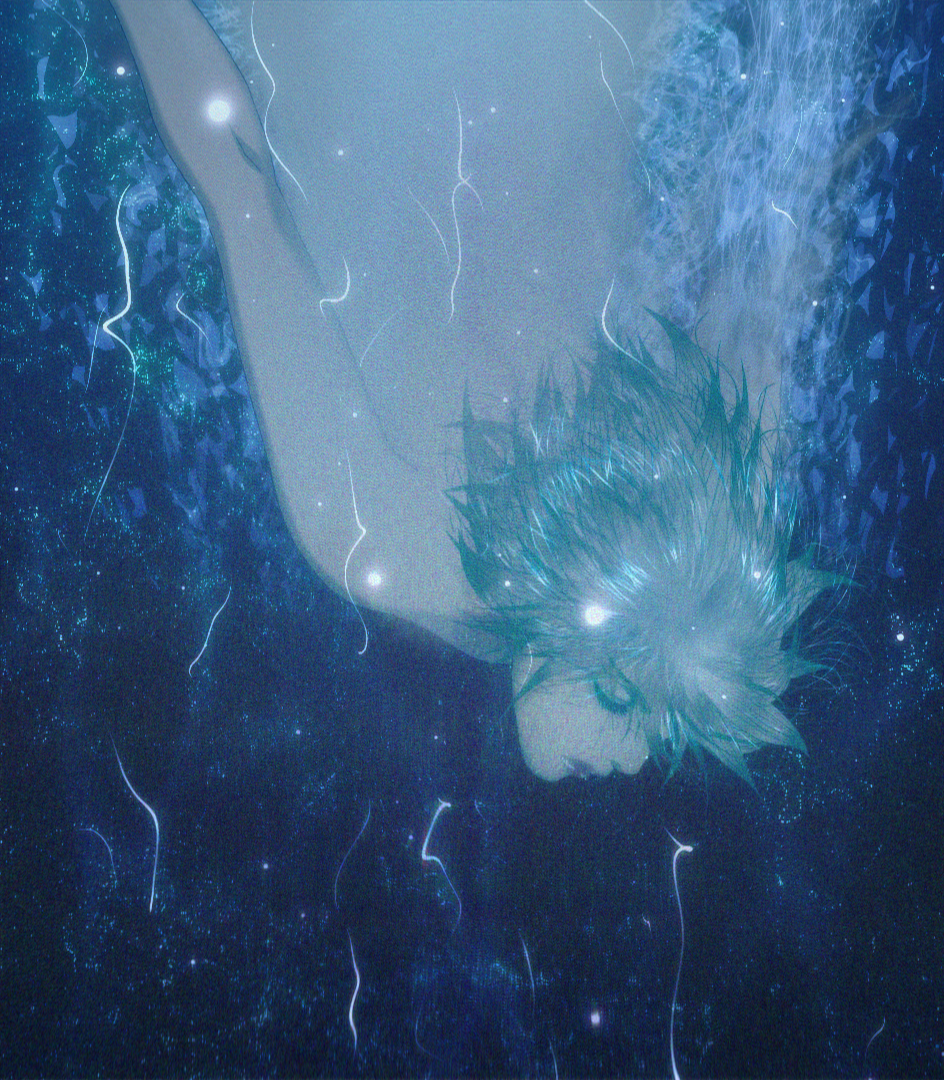 7.757 JOD 7.757 JOD23.87 dB · 0.550 | 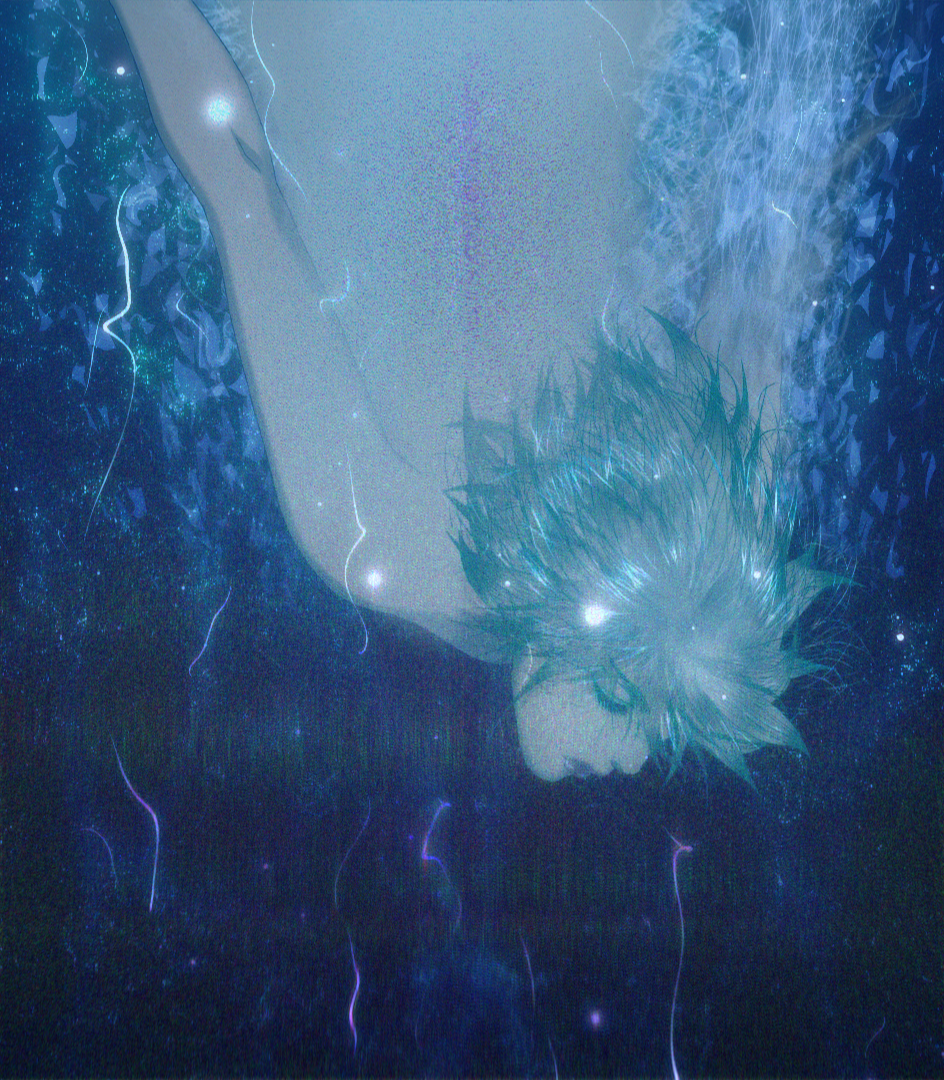 7.226 JOD 7.226 JOD23.62 dB · 0.528 | 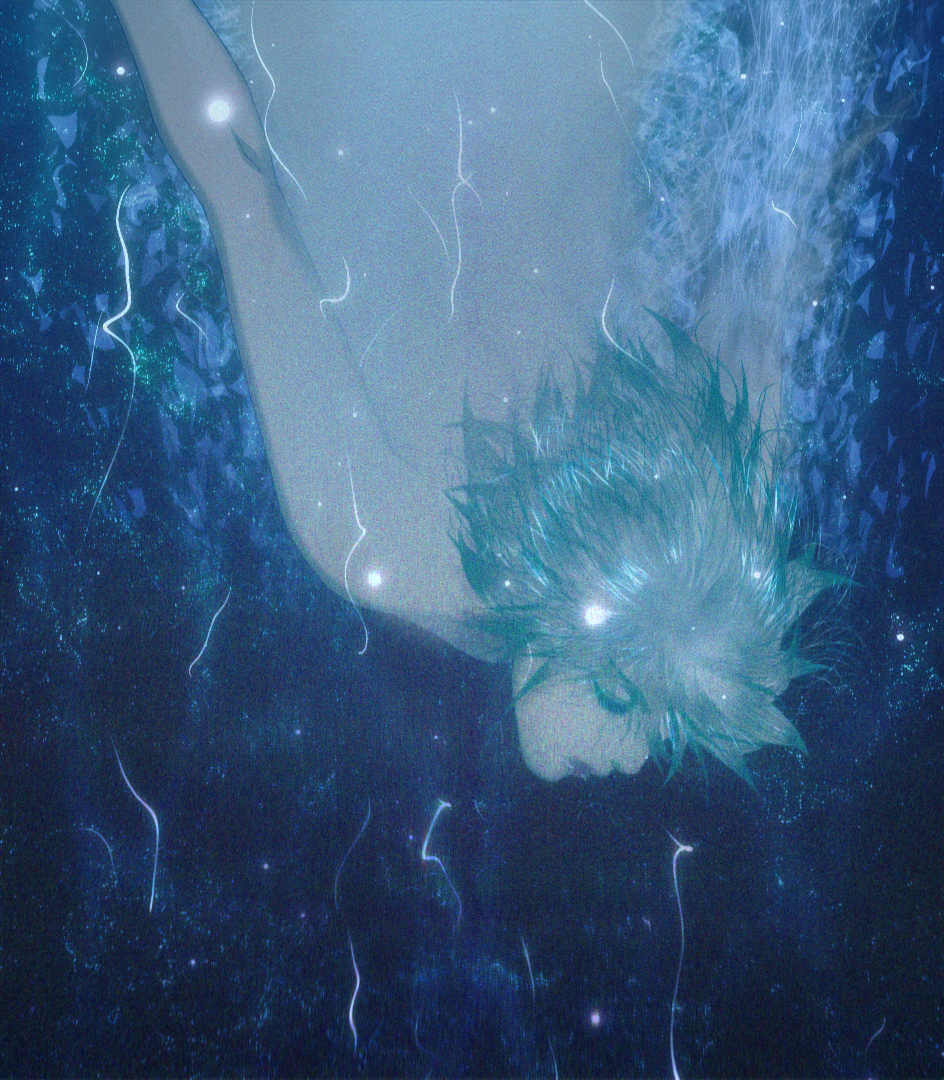 7.674 JOD 7.674 JOD23.88 dB · 0.546 | 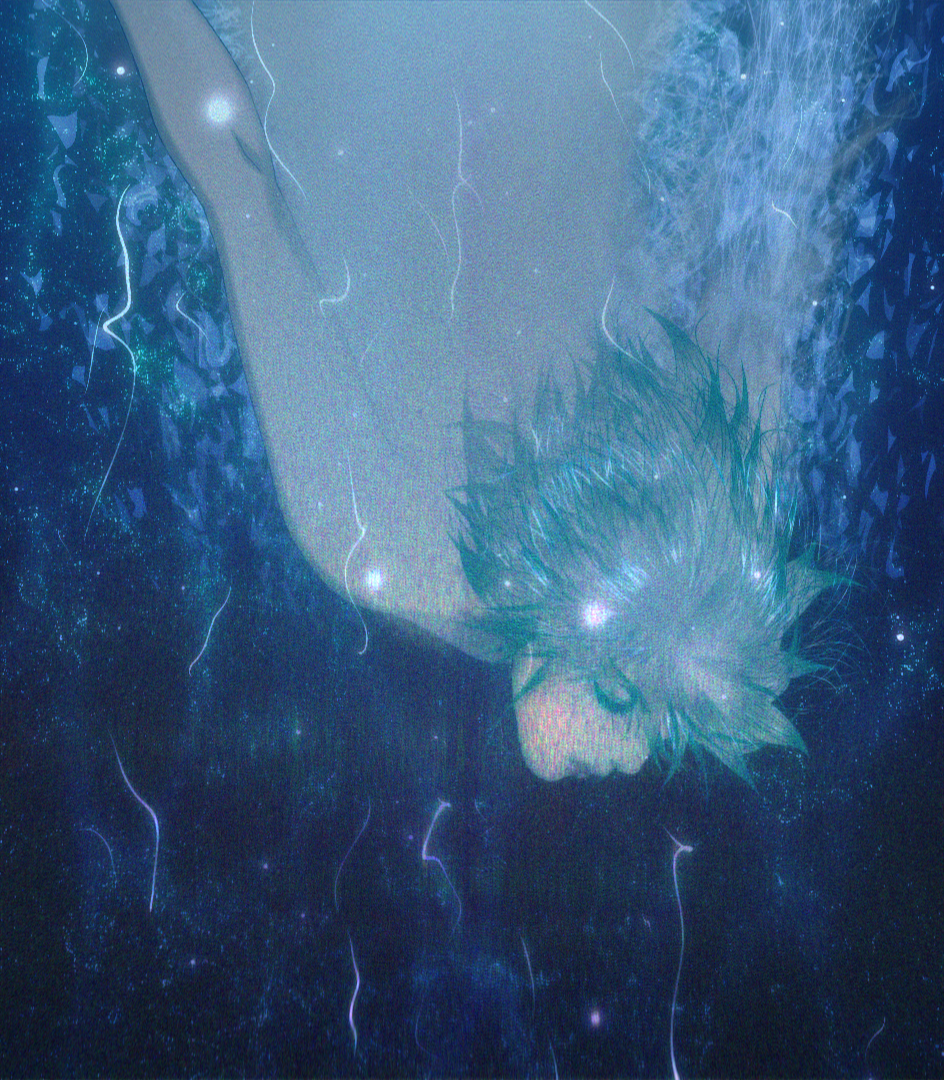 7.461 JOD 7.461 JOD23.38 dB · 0.525 |
| Water | 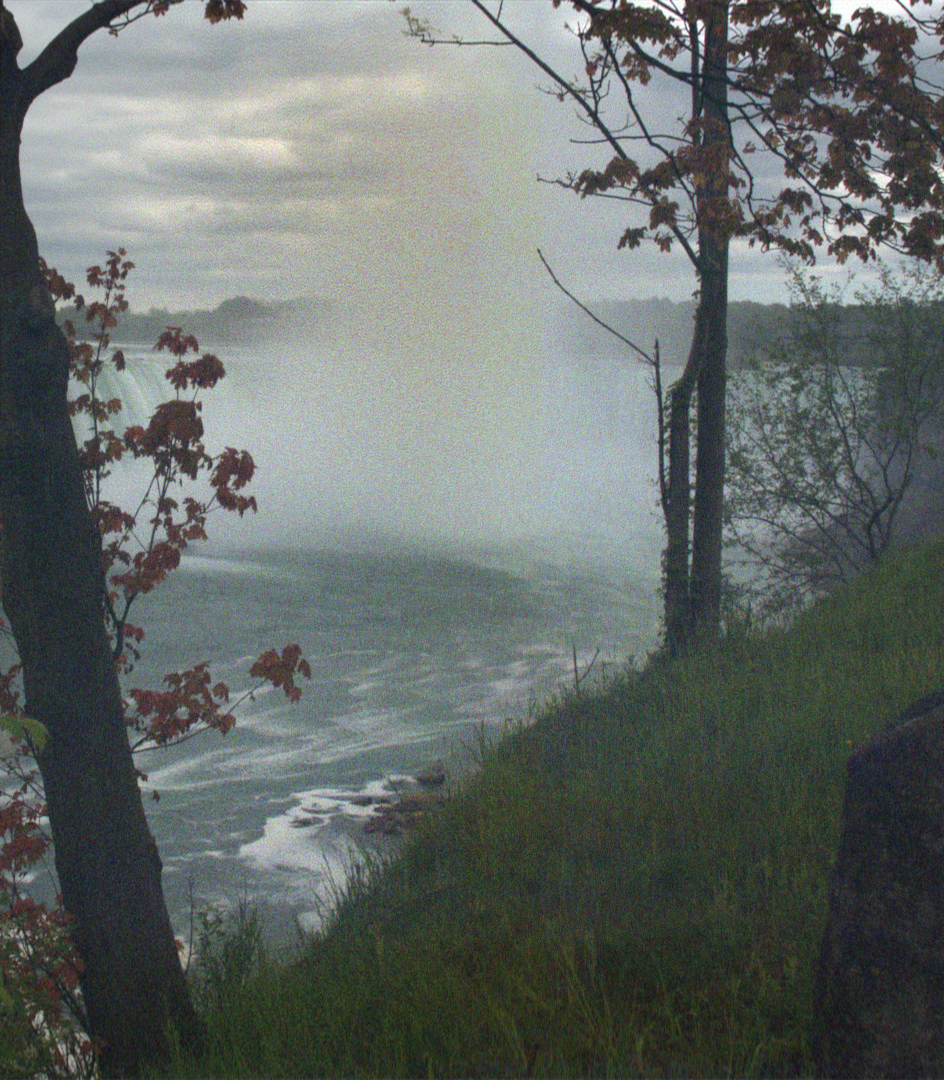 8.427 JOD 8.427 JOD23.24 dB · 0.561 | 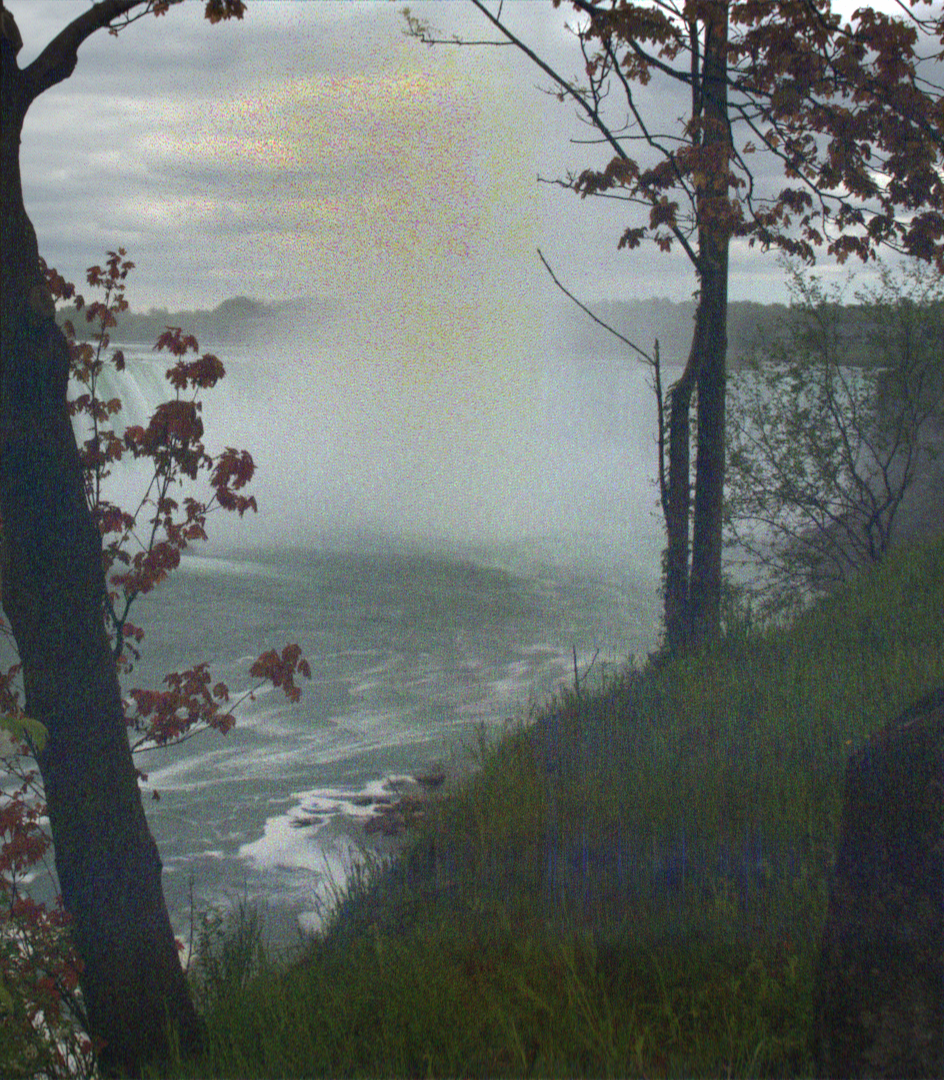 8.254 JOD 8.254 JOD23.18 dB · 0.552 | 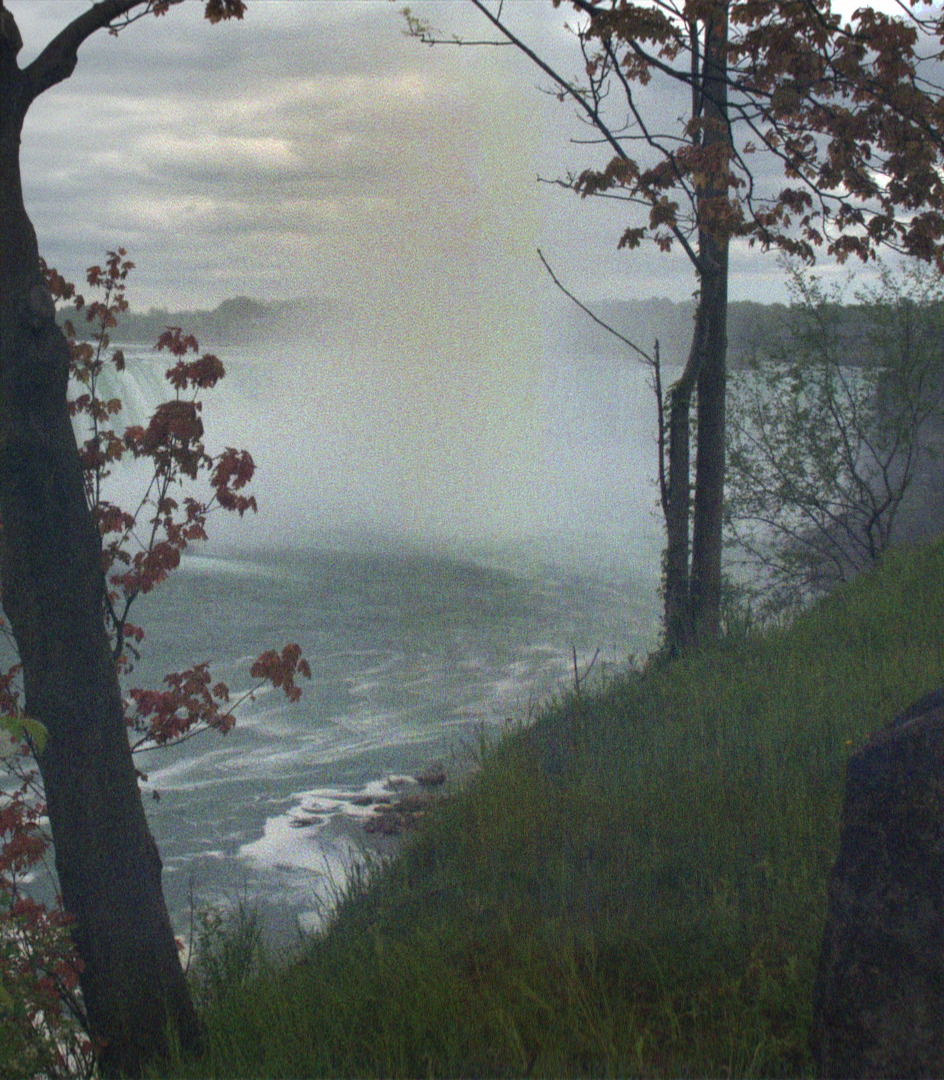 8.463 JOD 8.463 JOD23.30 dB · 0.558 | 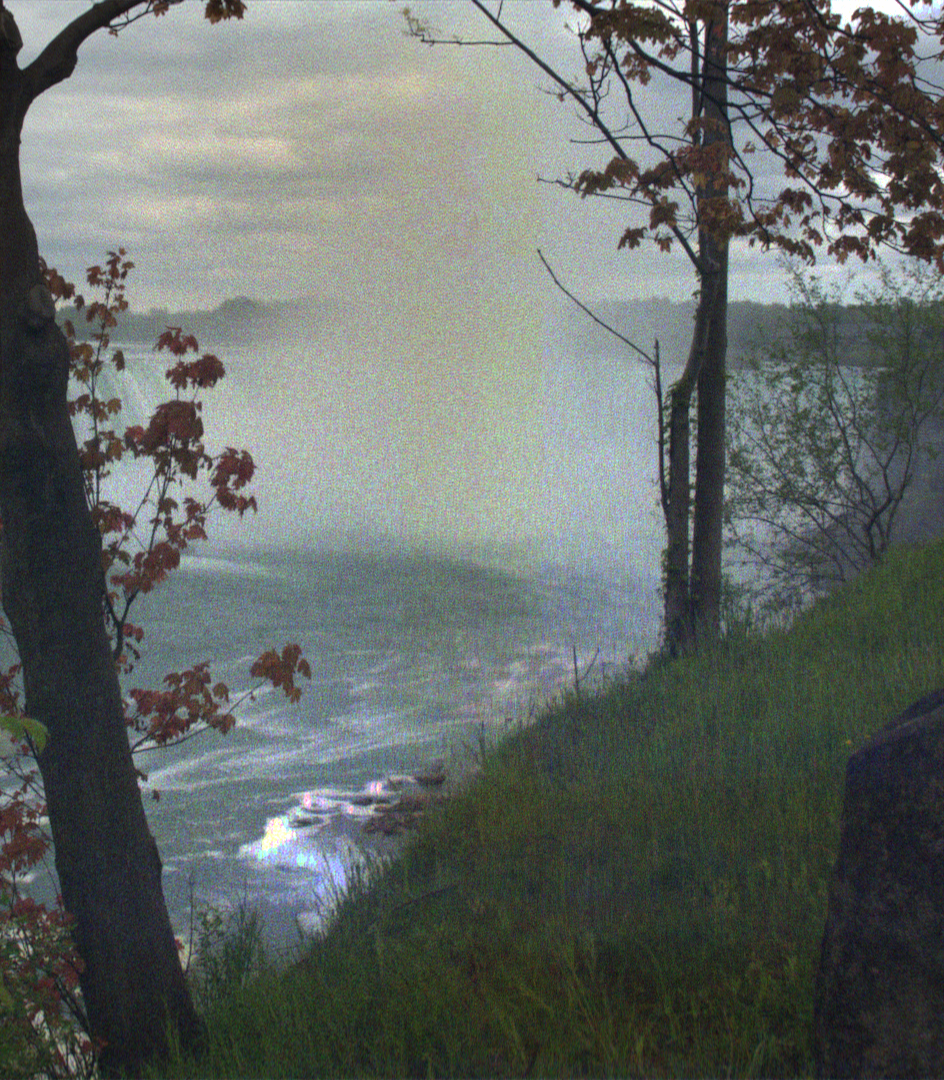 8.295 JOD 8.295 JOD22.46 dB · 0.540 |
| Castle | 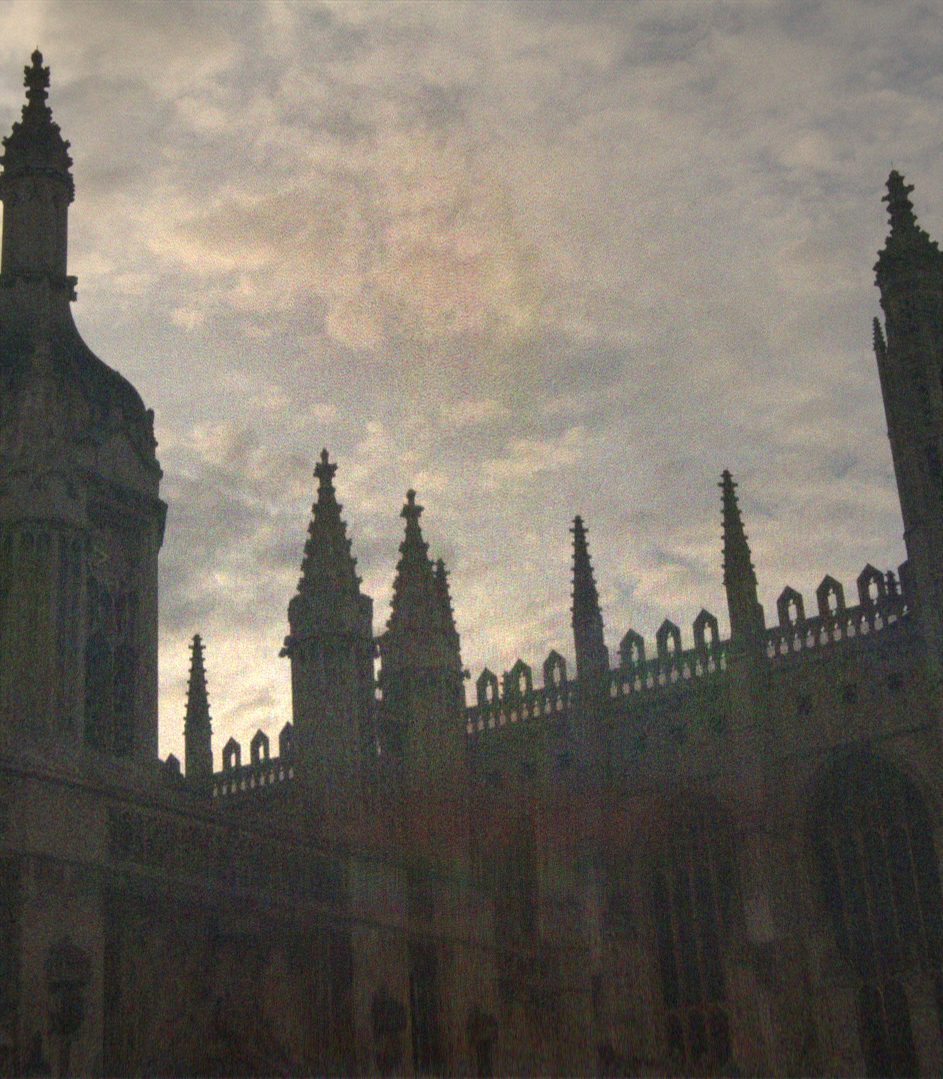 8.034 JOD 8.034 JOD22.59 dB · 0.497 | 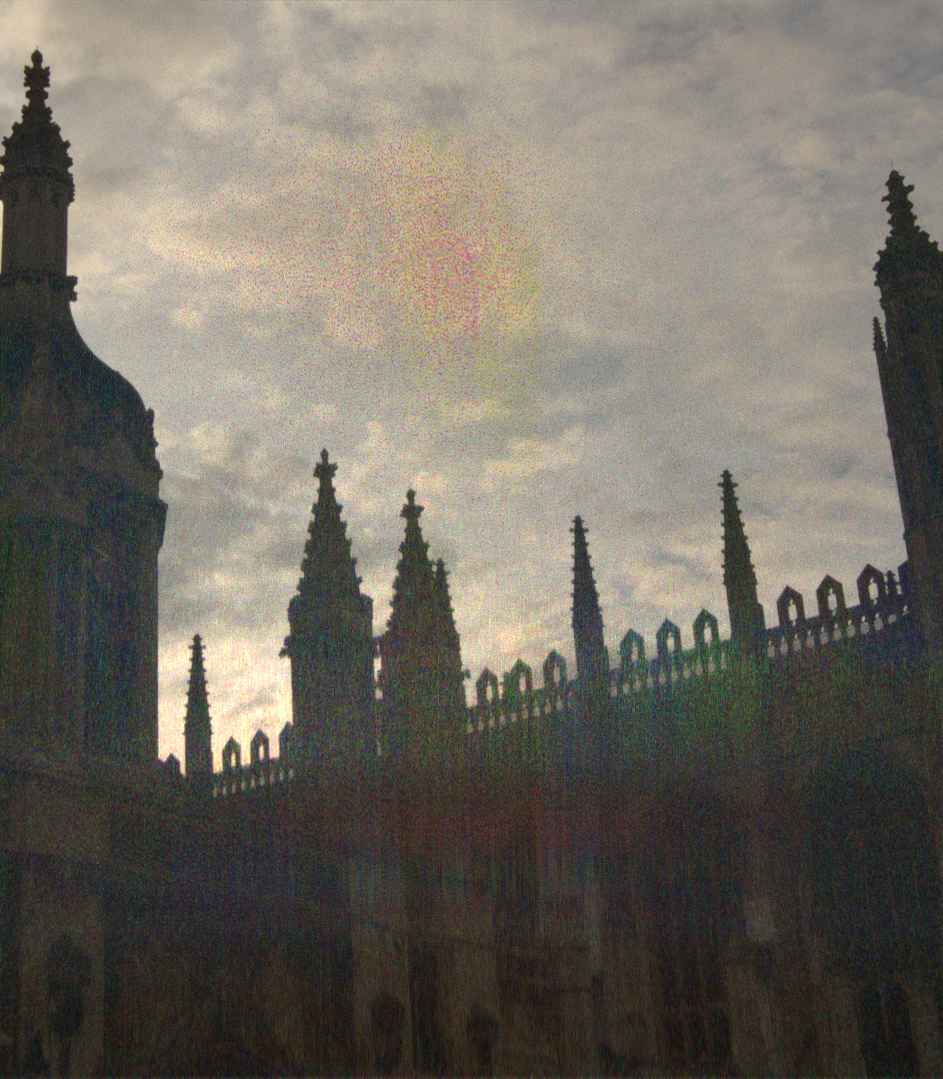 7.700 JOD 7.700 JOD22.45 dB · 0.494 | 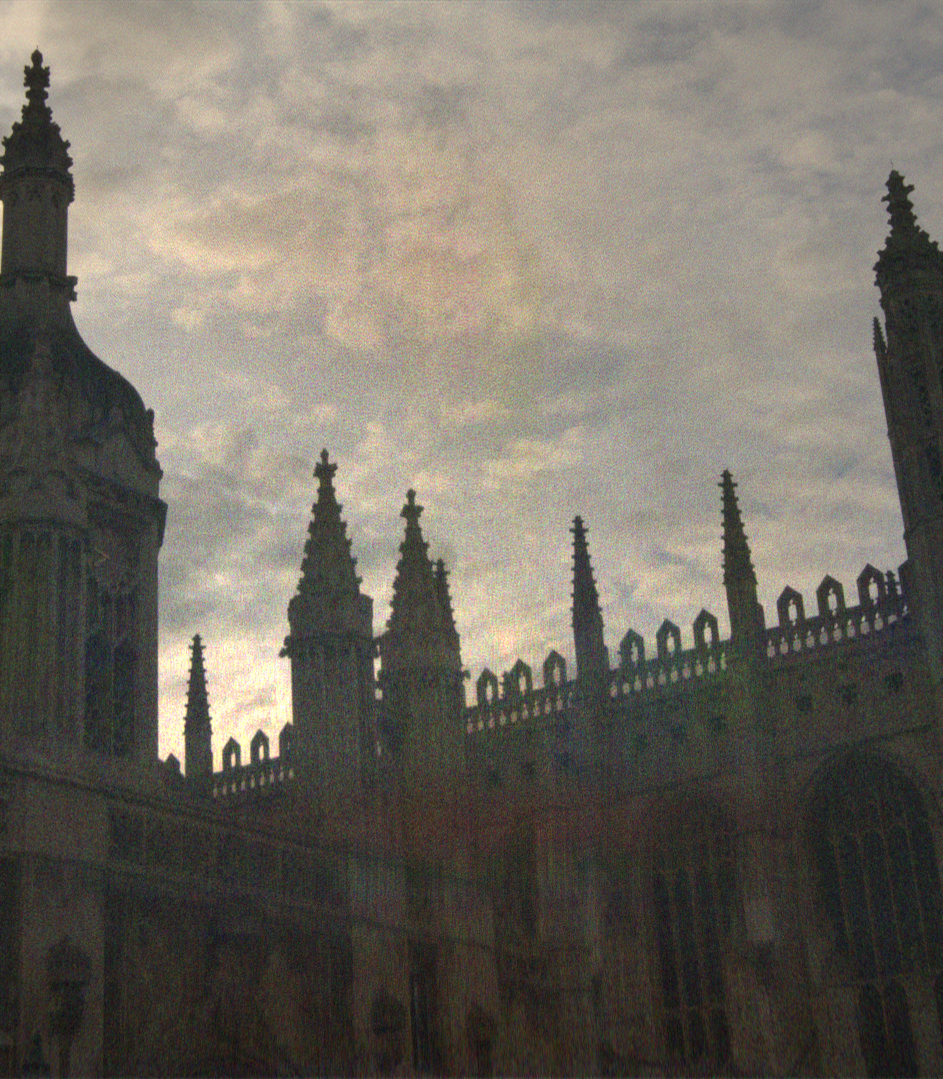 8.156 JOD 8.156 JOD22.66 dB · 0.493 | 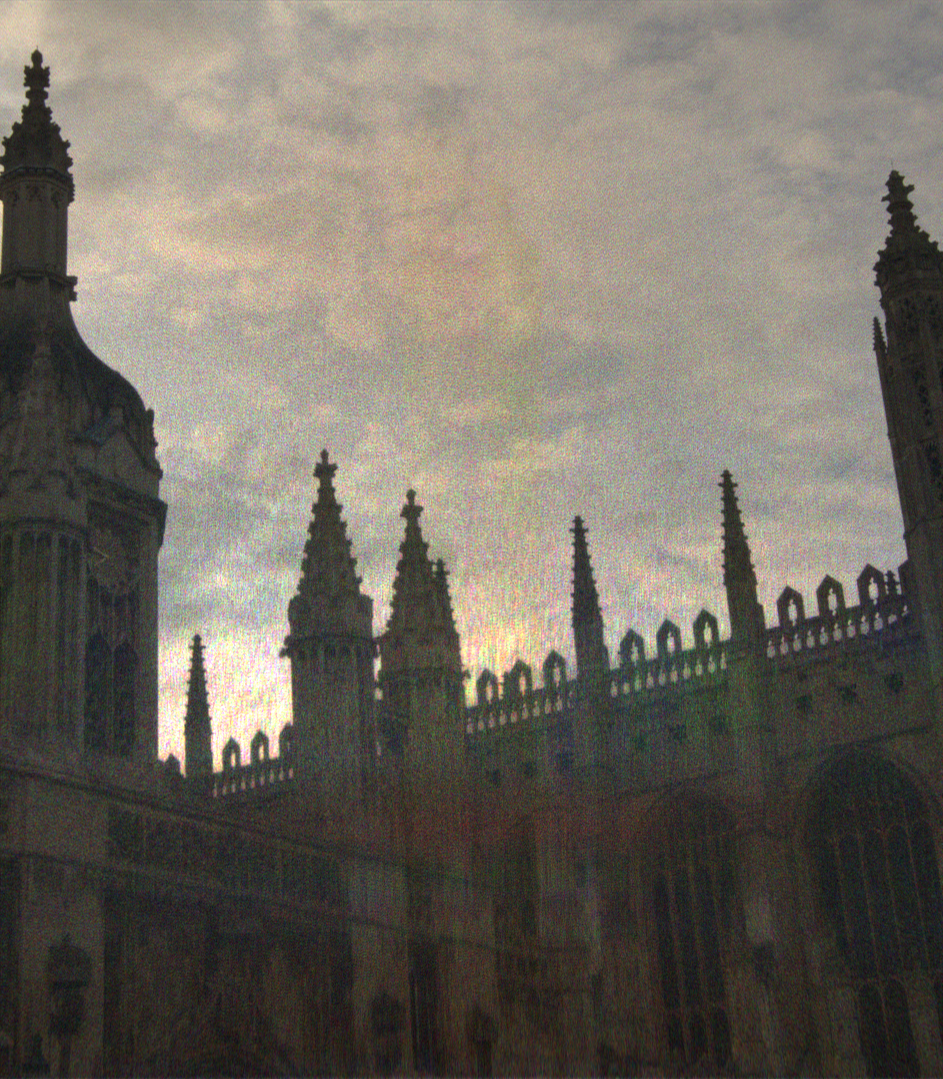 8.117 JOD 8.117 JOD22.25 dB · 0.463 |
Interpretation
The gain is real but not the requested +0.5 JOD. The spatial bottleneck reveals a useful distinction: dense monotonic HDR encodings retain the pixel accountability needed by Gumbel binary optimization, while pure similarity metrics can improve their own score by sacrificing absolute brightness. PU21/PQ help low-luminance Toys most but can hurt bright Water; sRGB-L2 is more consistent. This points to brightness-conditioned encoding as the next hypothesis, but the present report does not count per-scene oracle selection as a result.
Sources
- Perceptual loss functions for CGH
- Time-multiplexed neural holography
- HDR inverse-display exposure-stack metrics
- PU21
Raw output: 2.79 GiB under /home/fy277/ph_opt_runs (10 GiB cap).