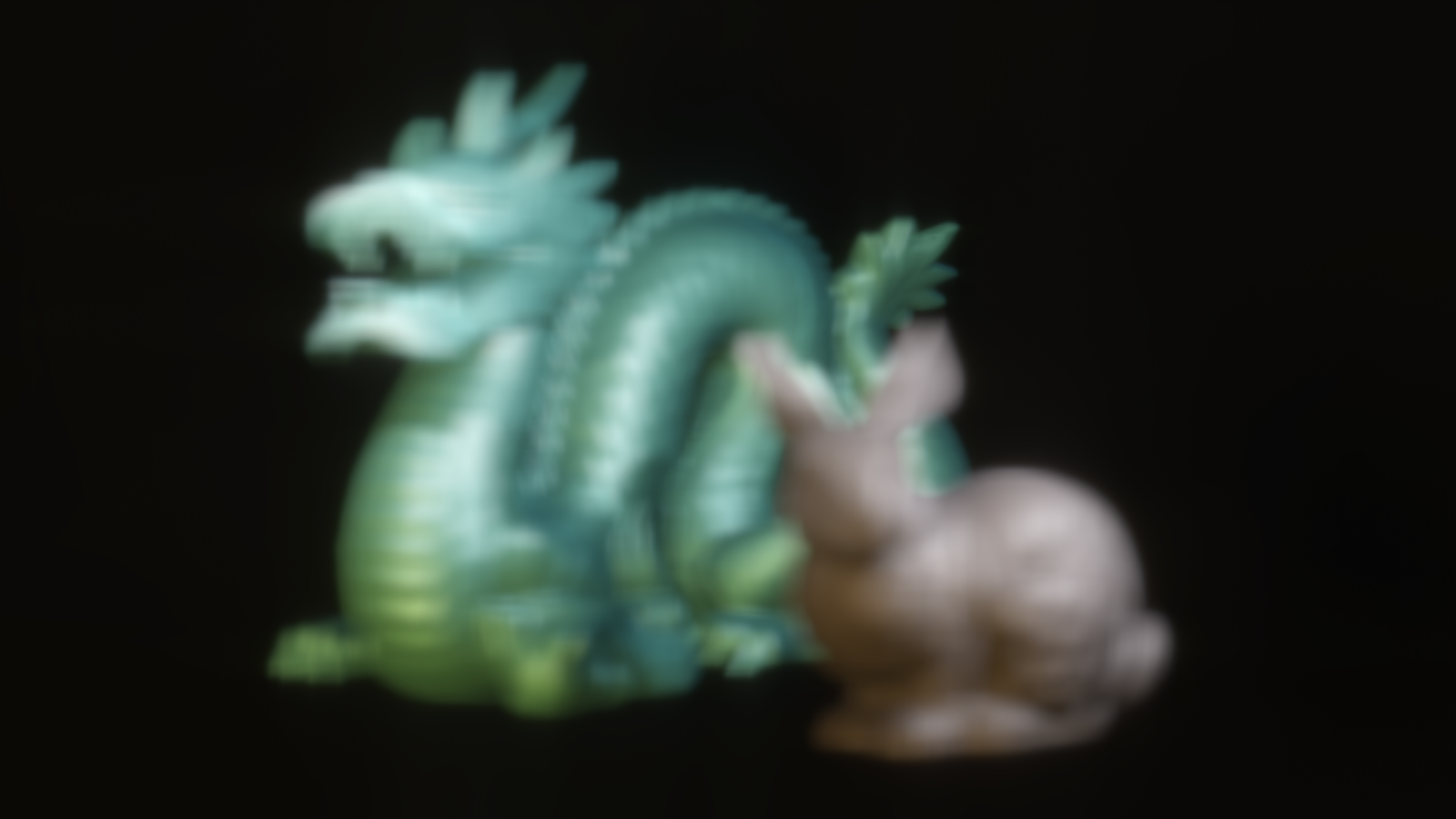
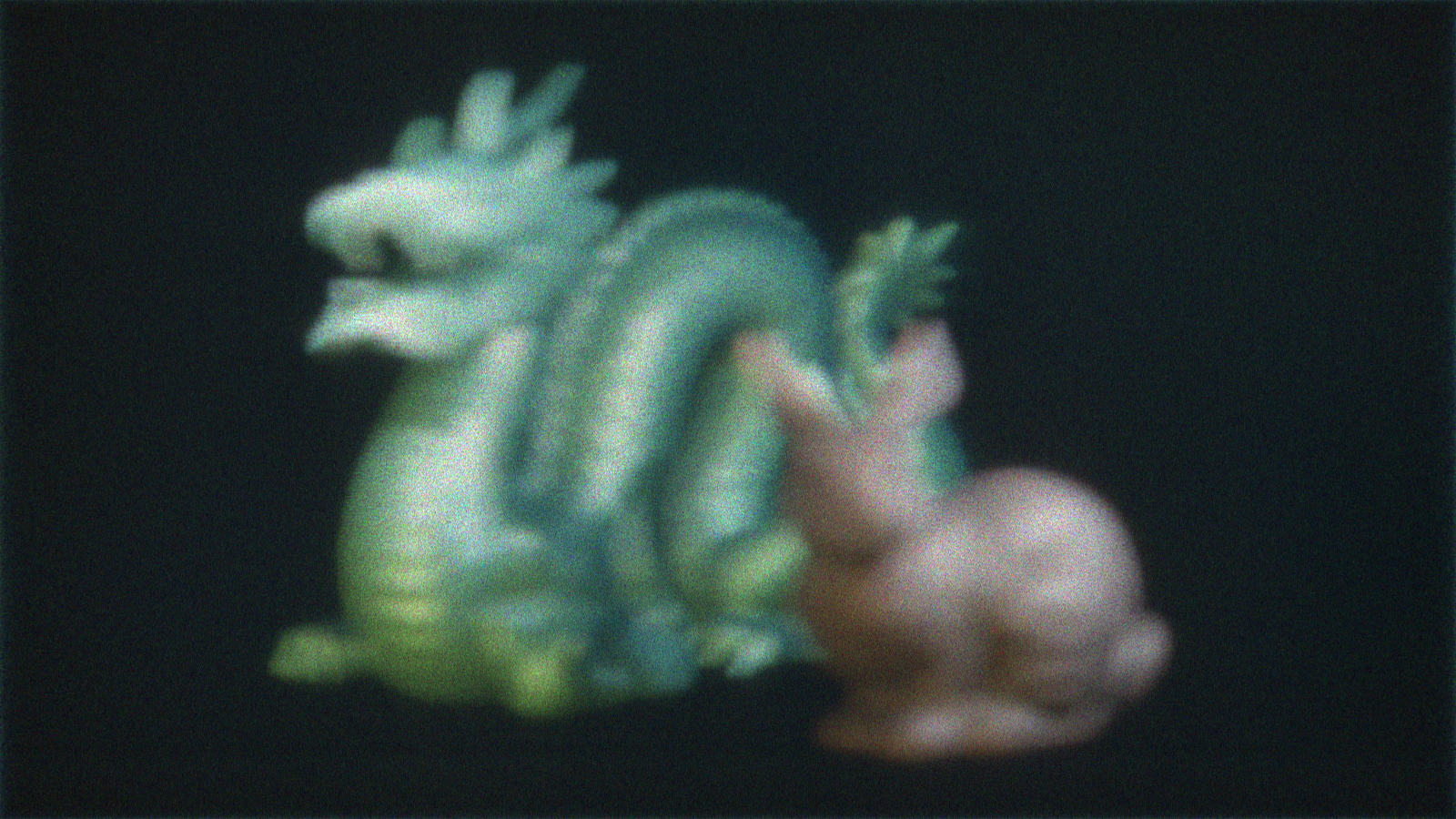
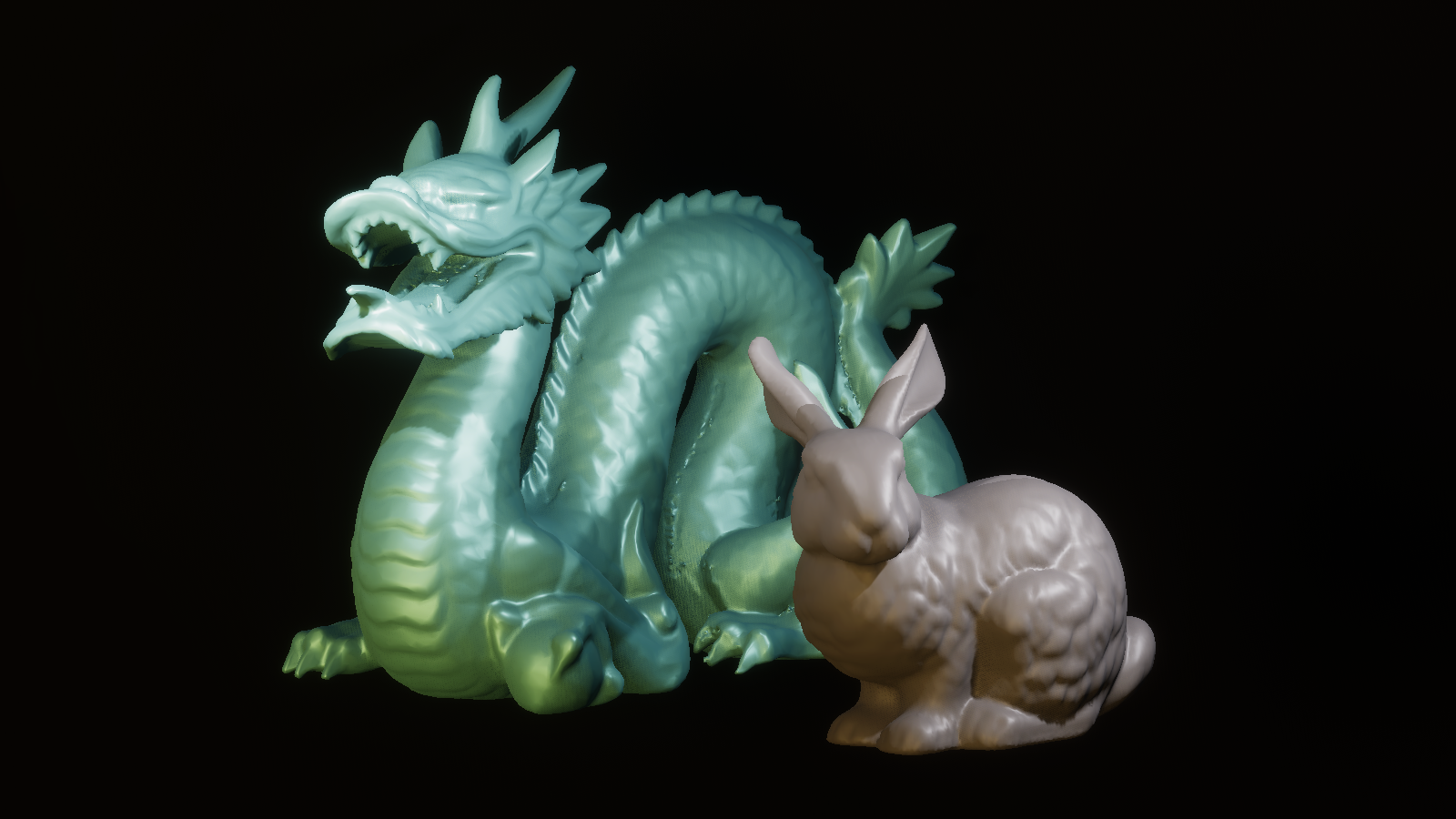
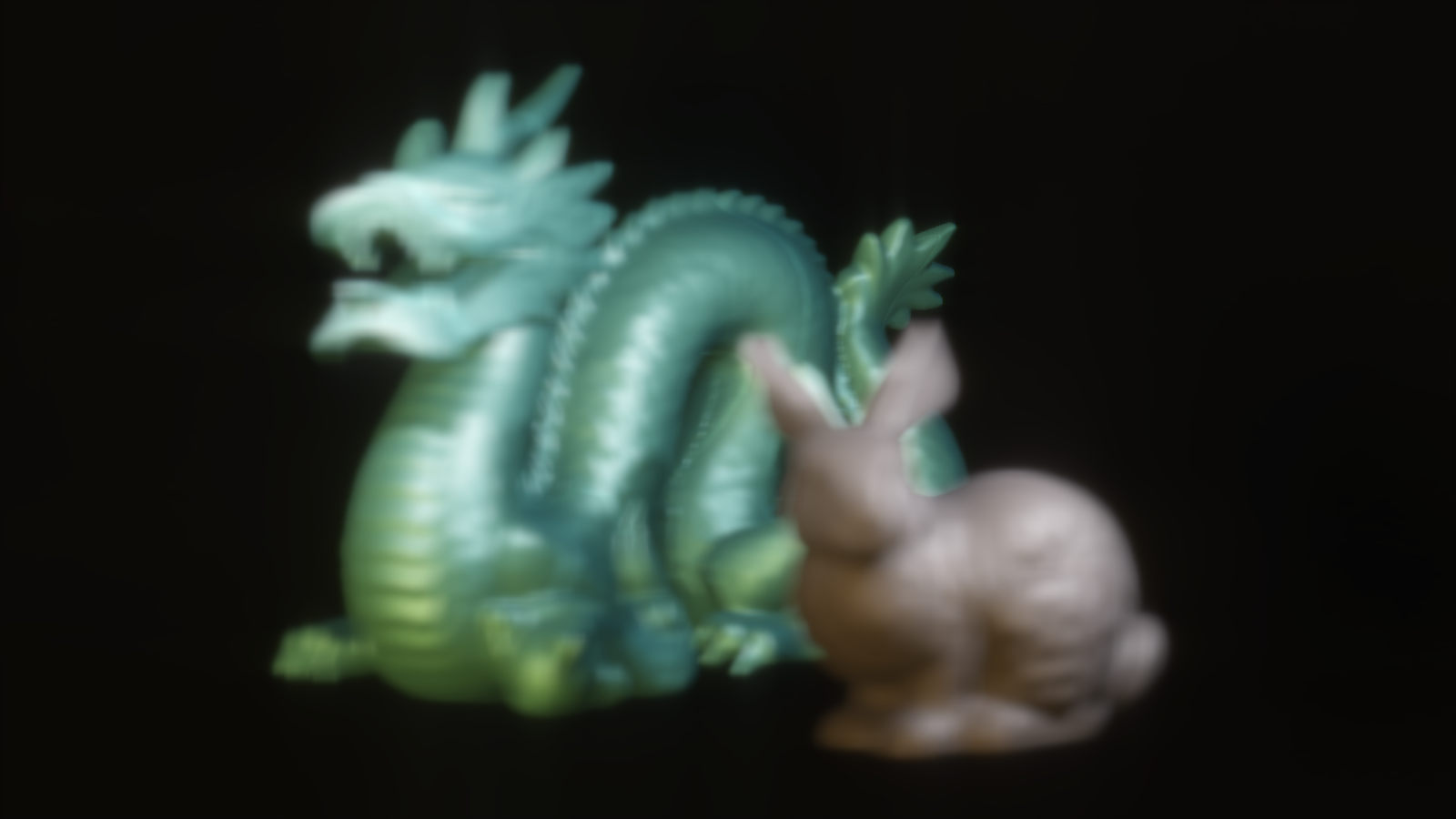
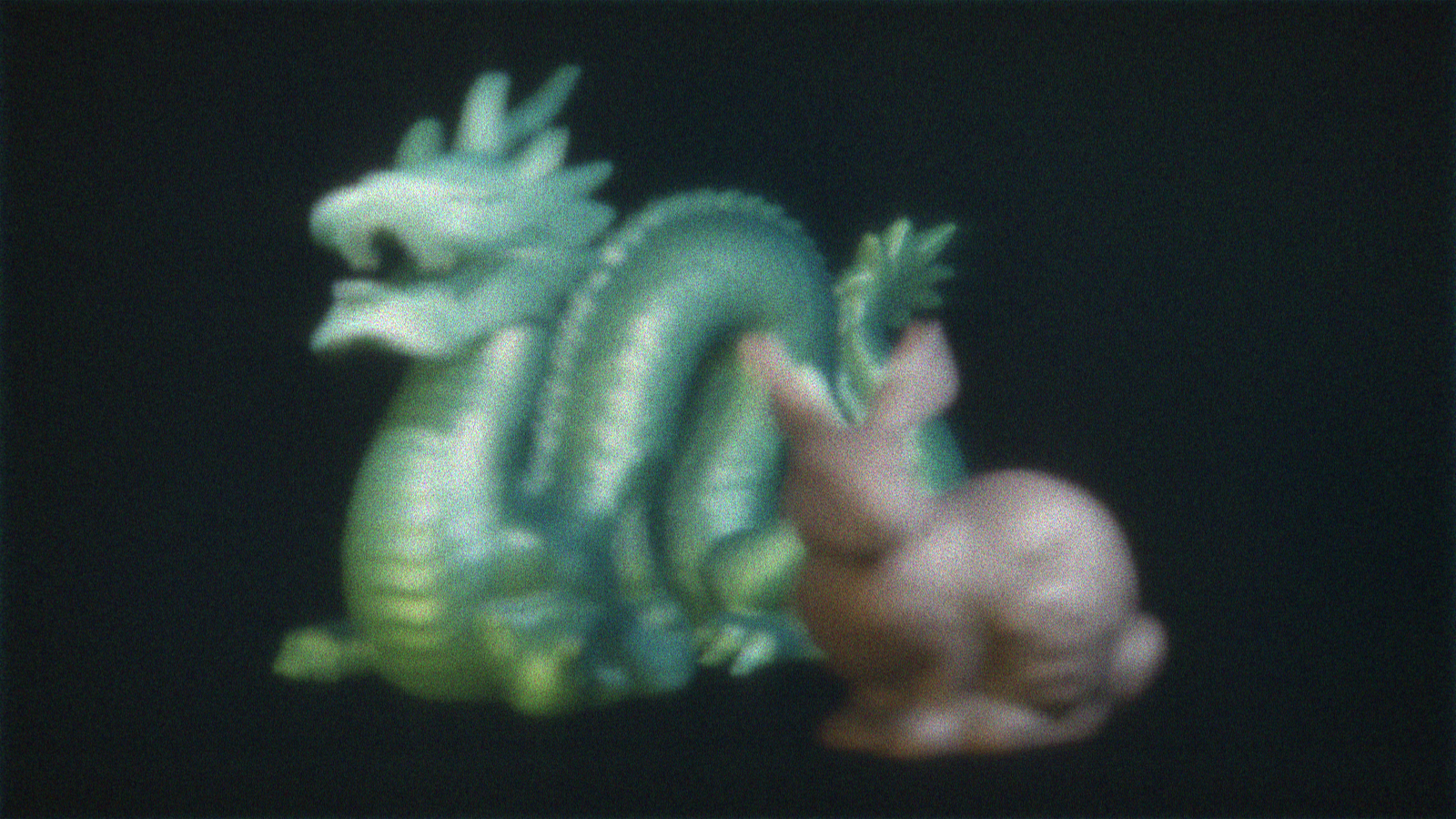
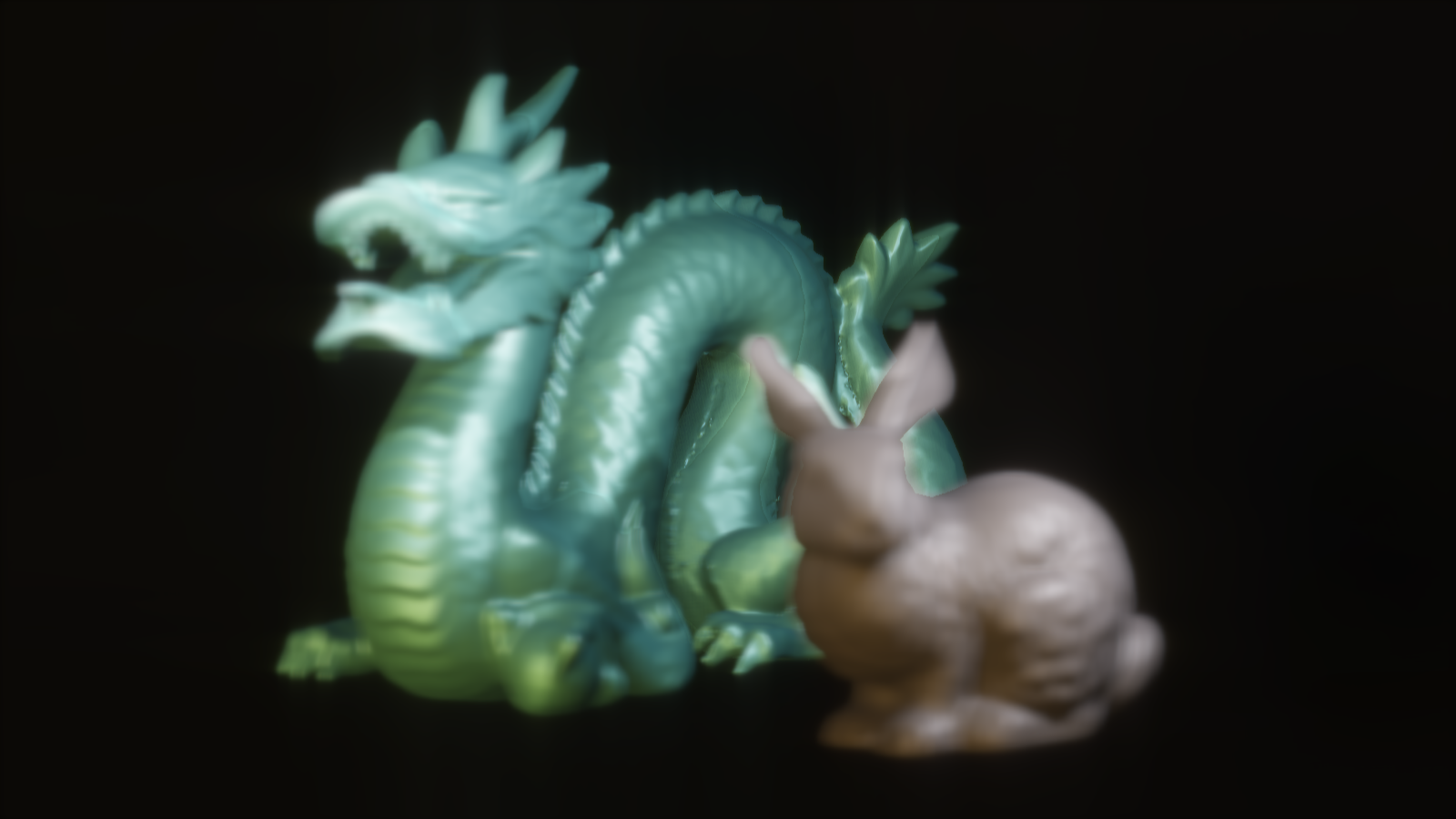
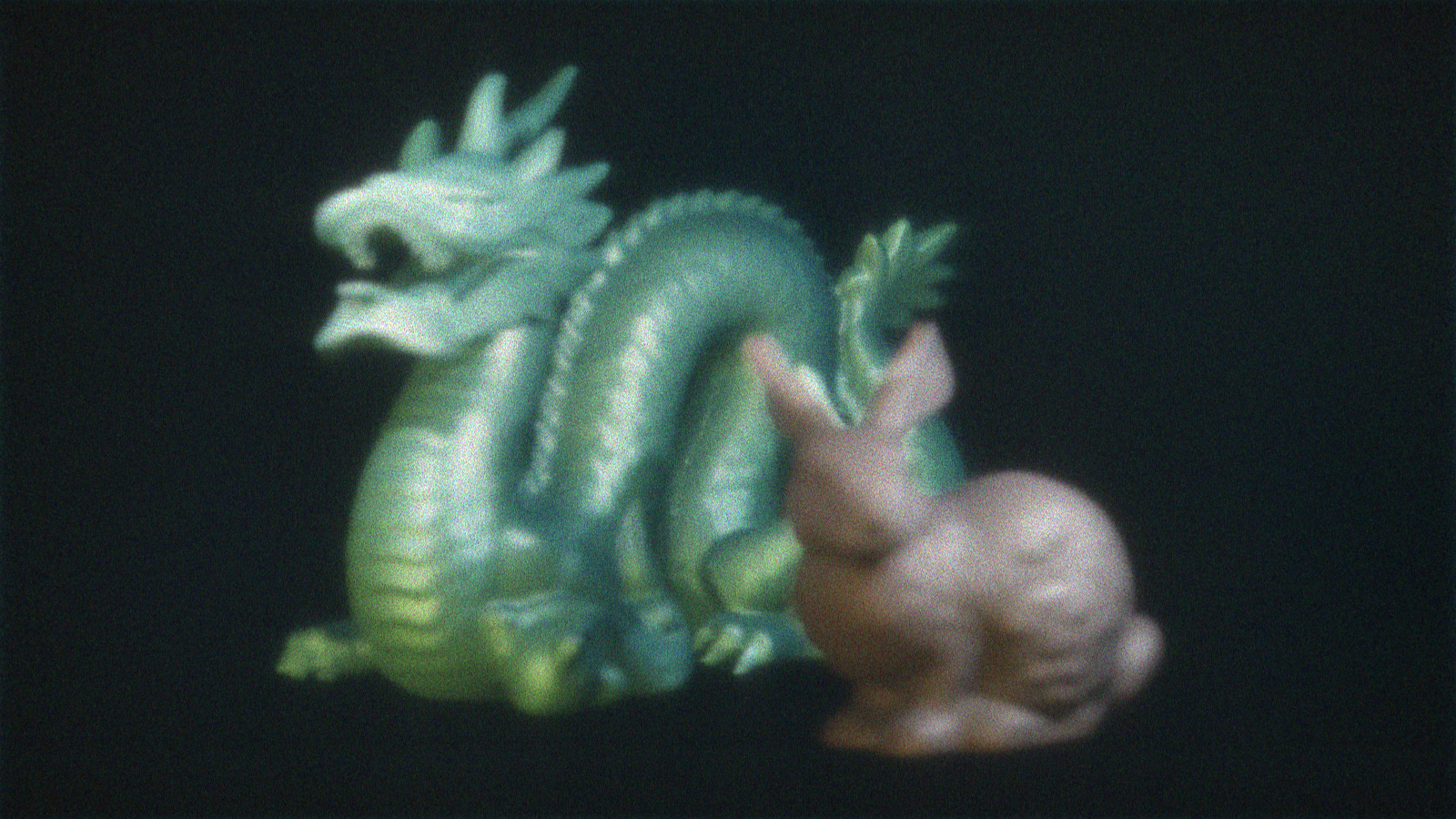
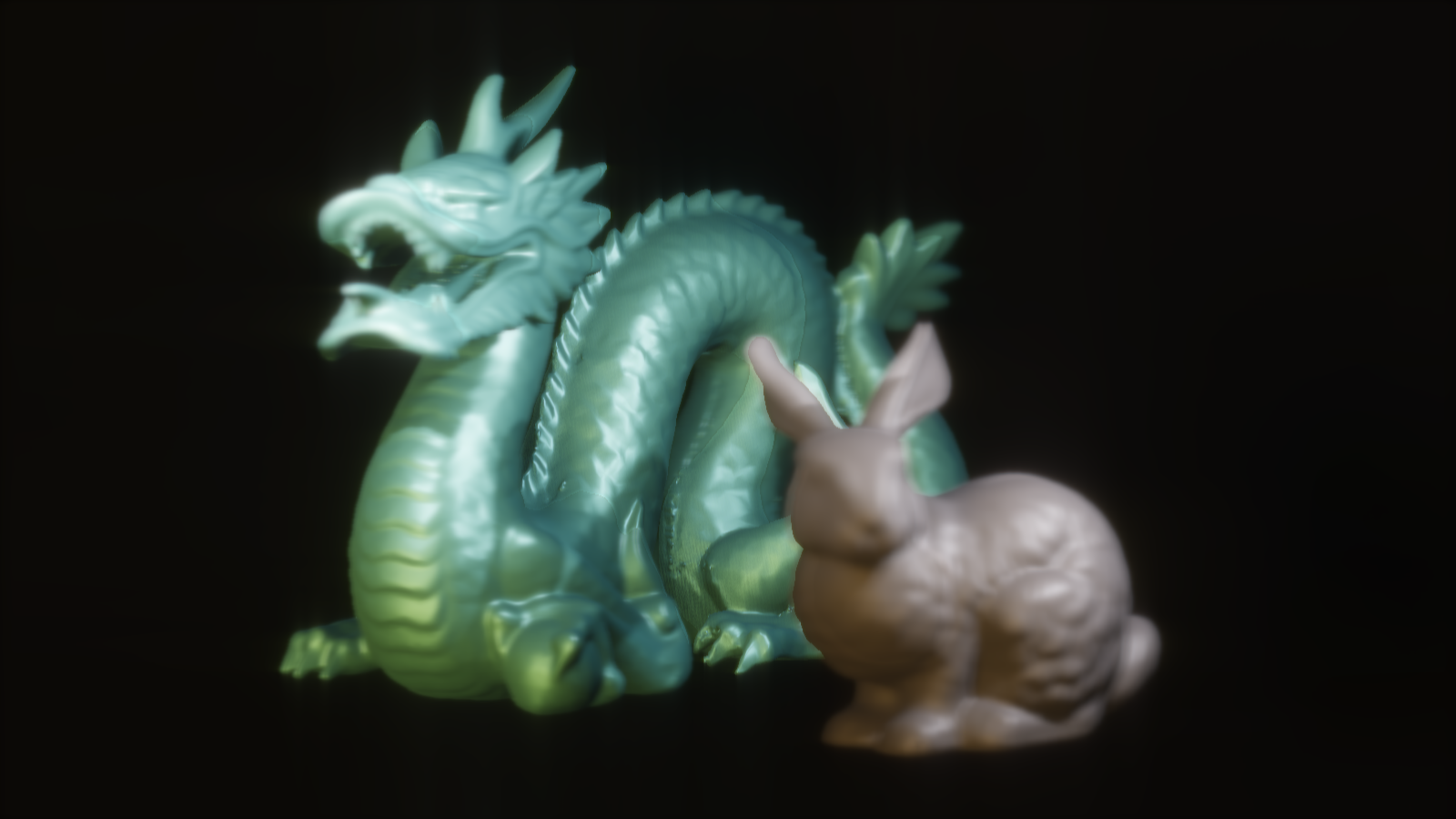
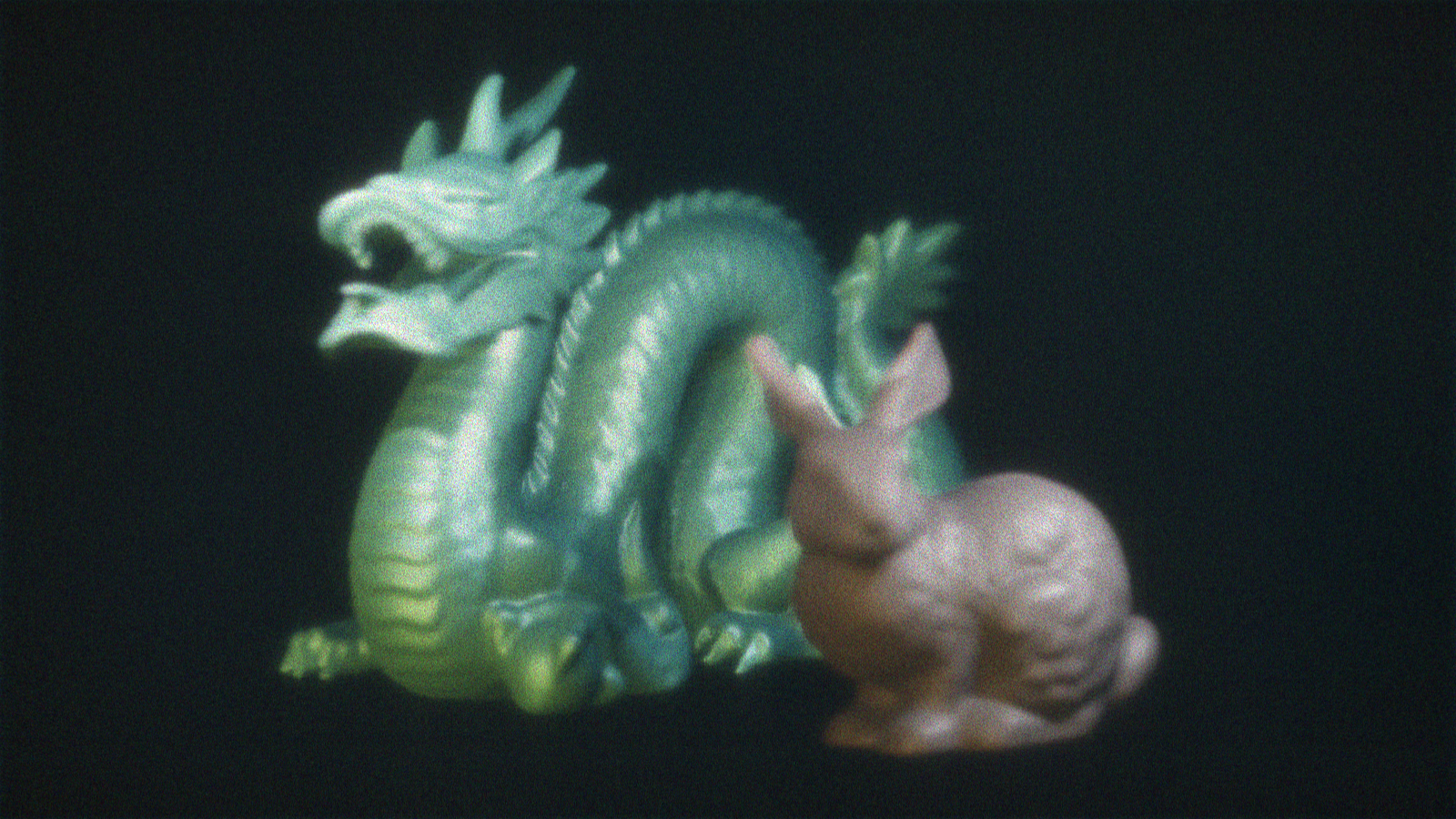
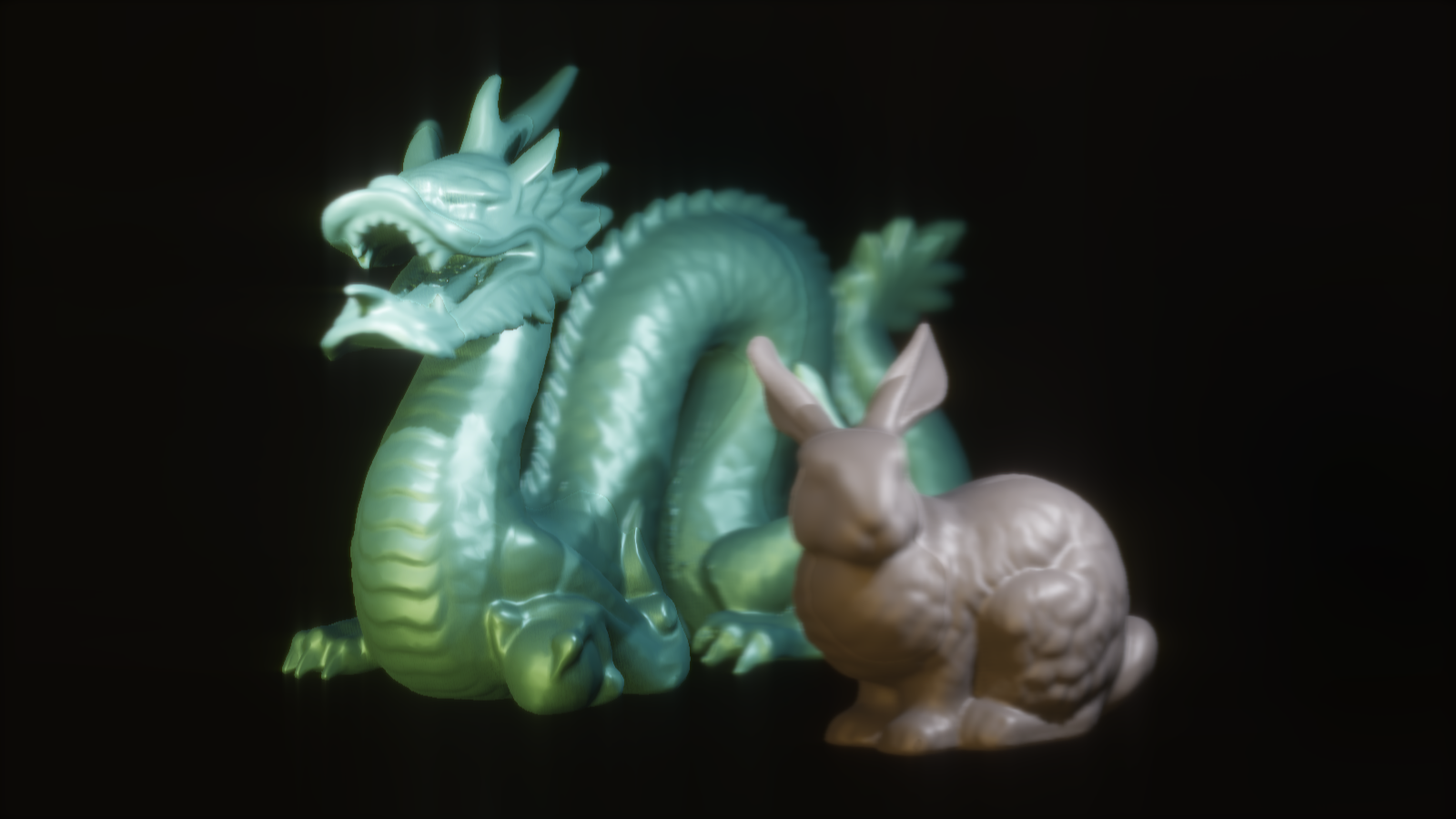
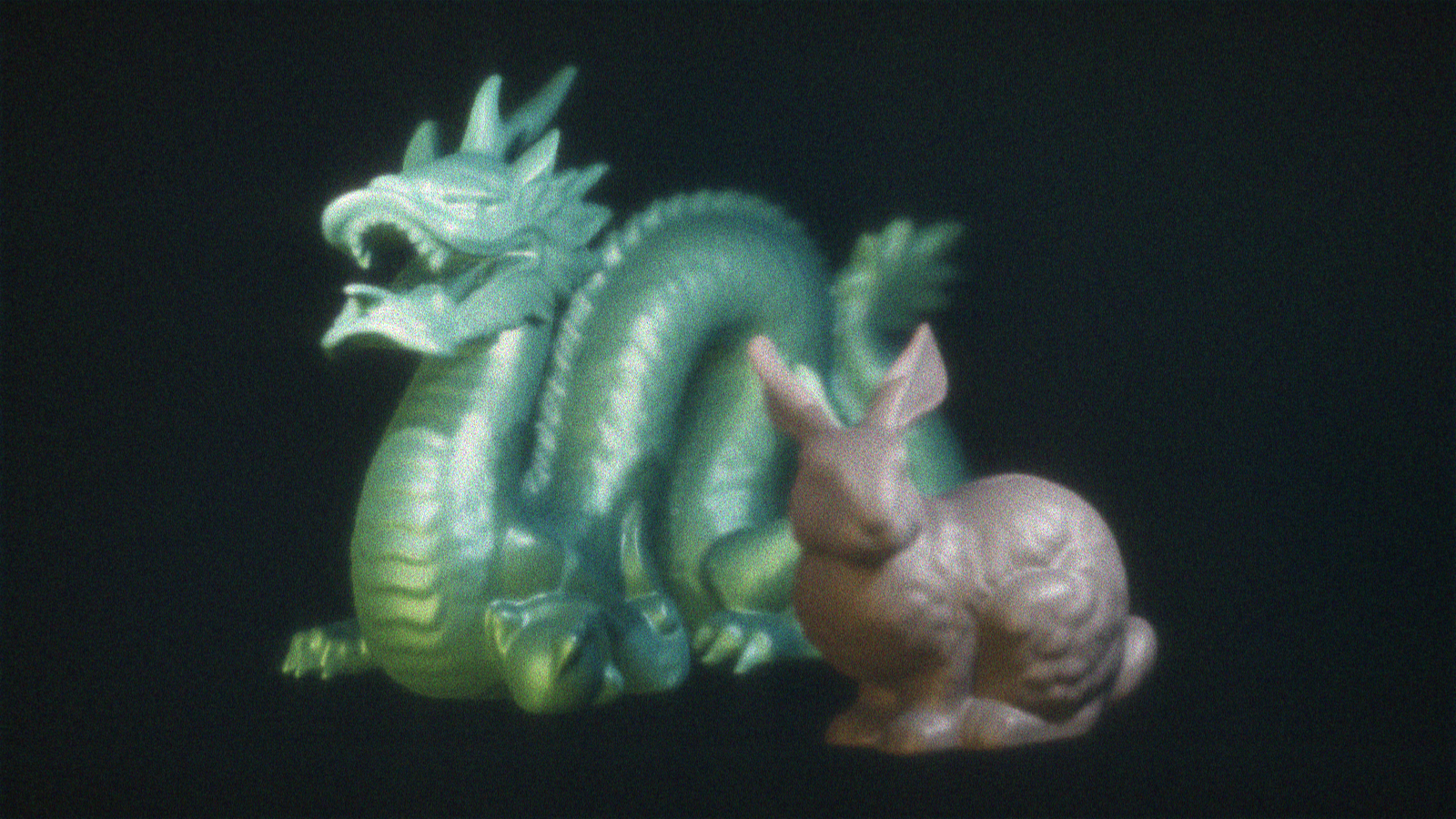
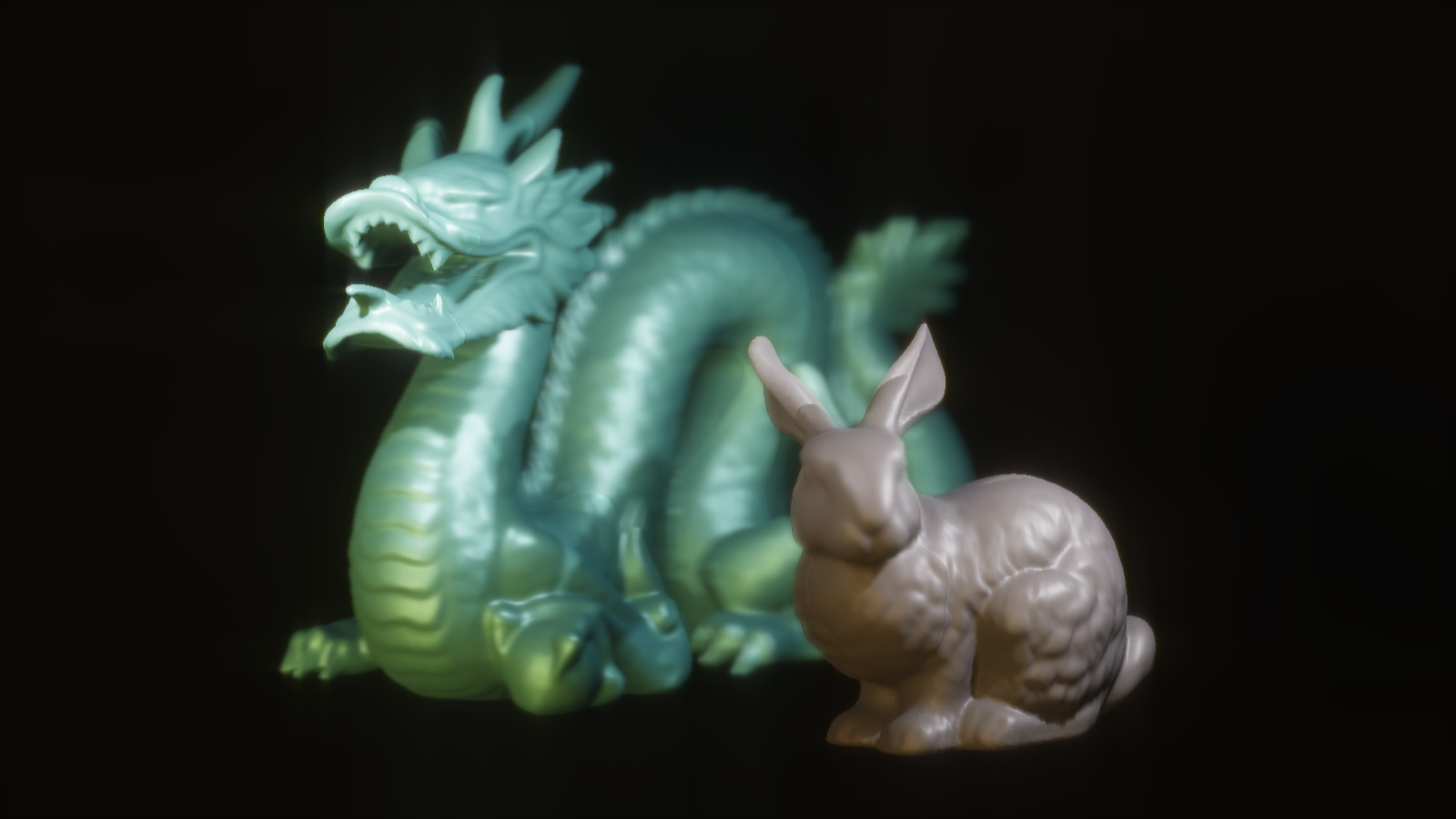
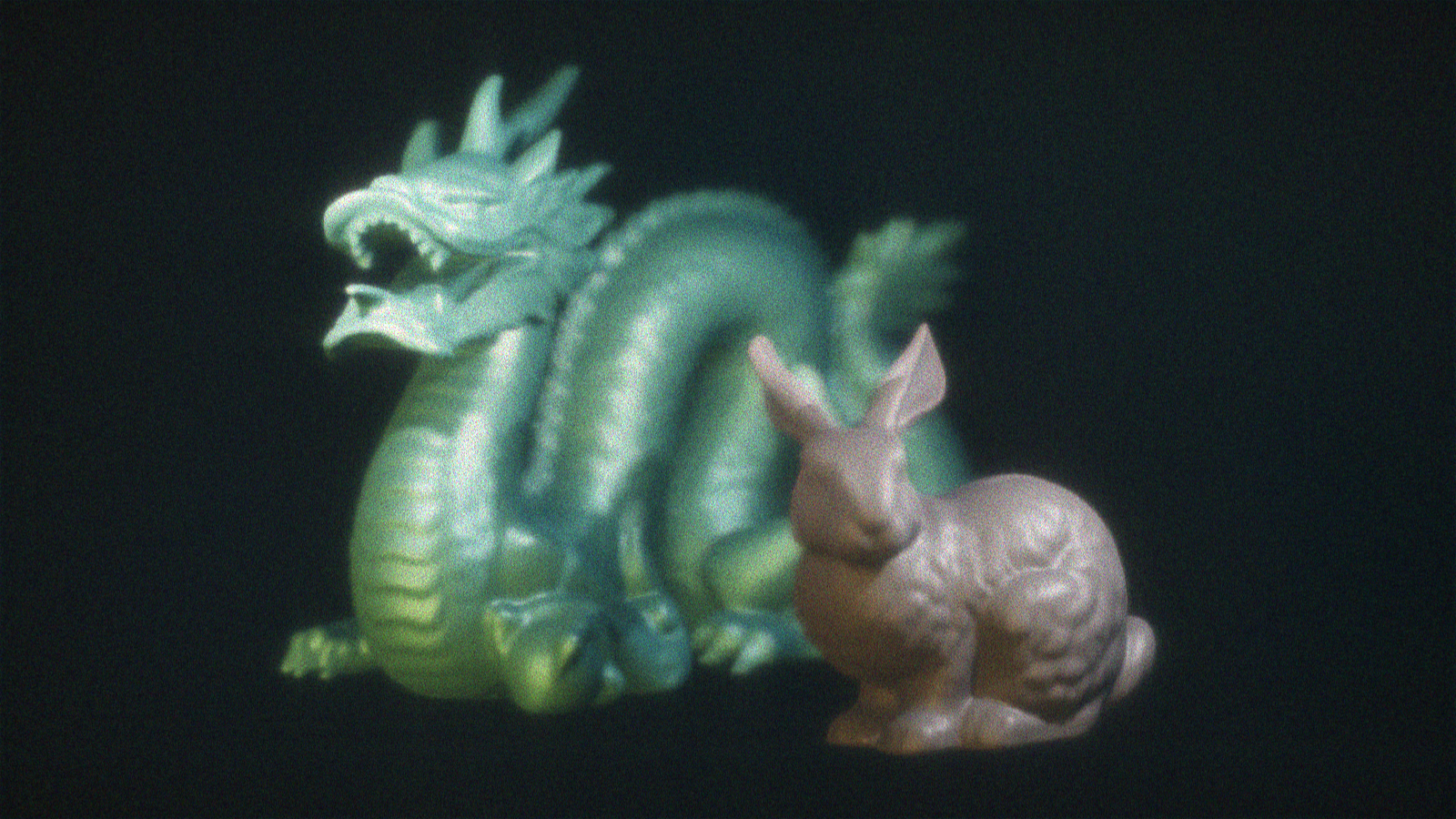
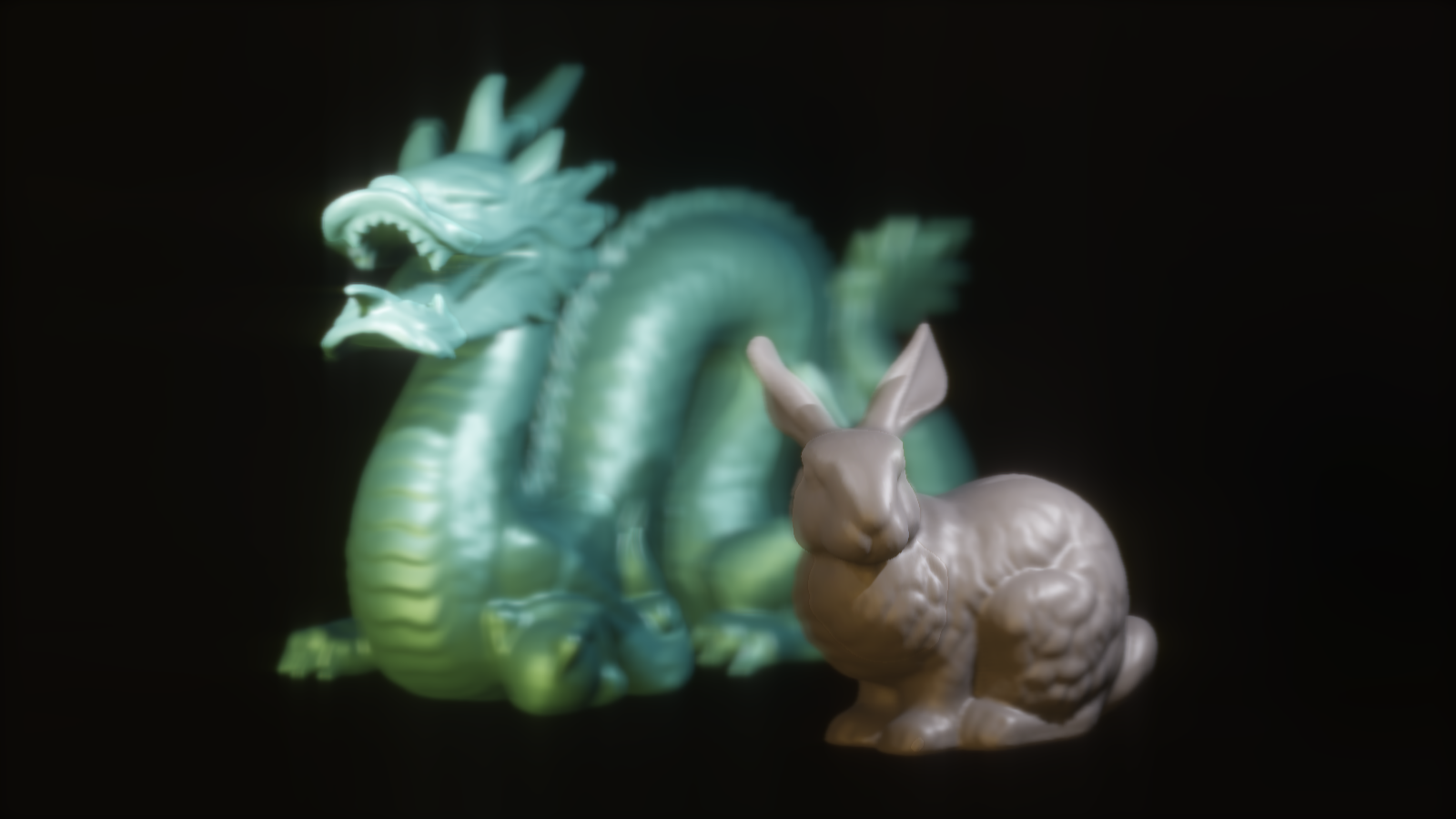
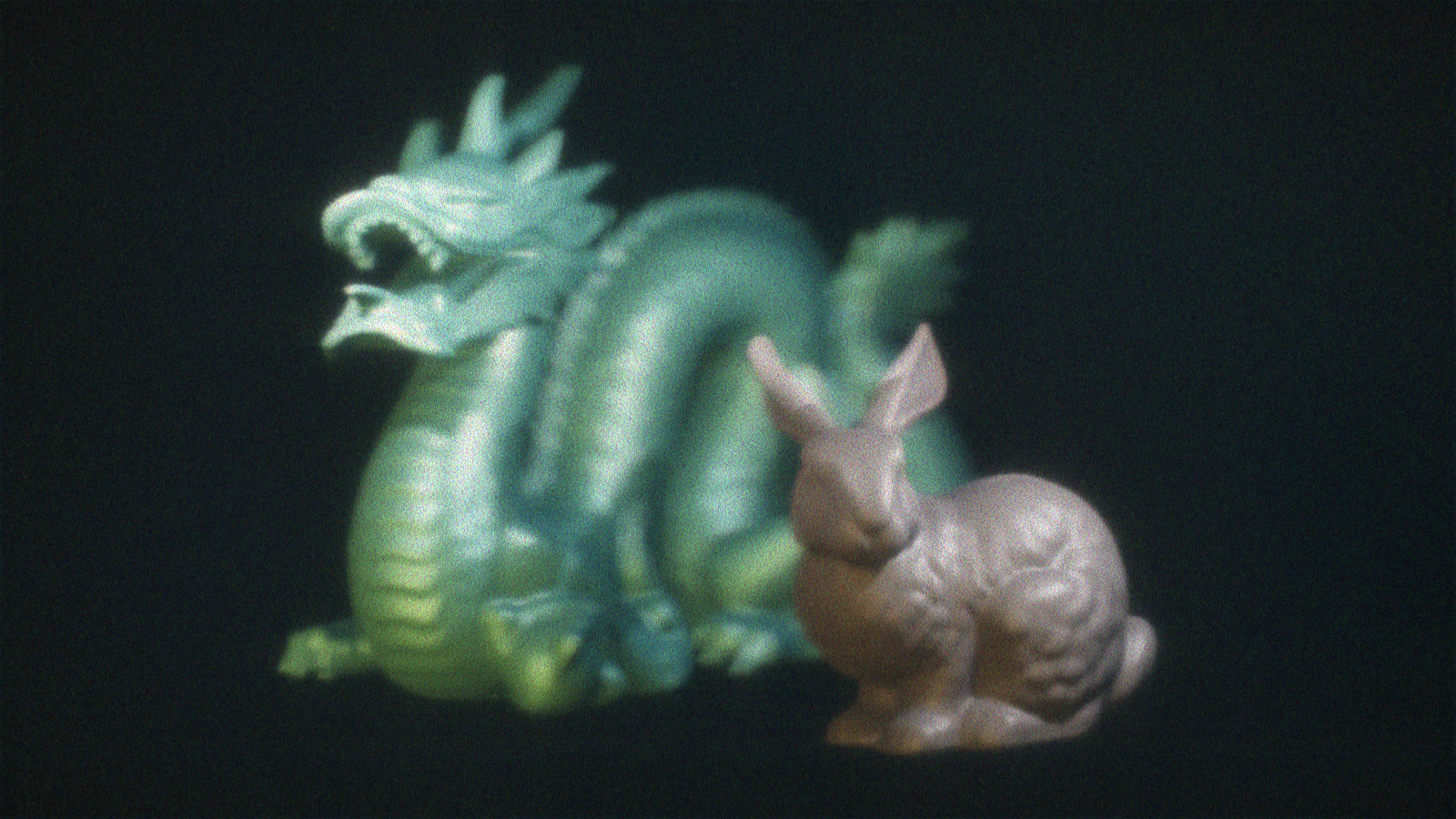
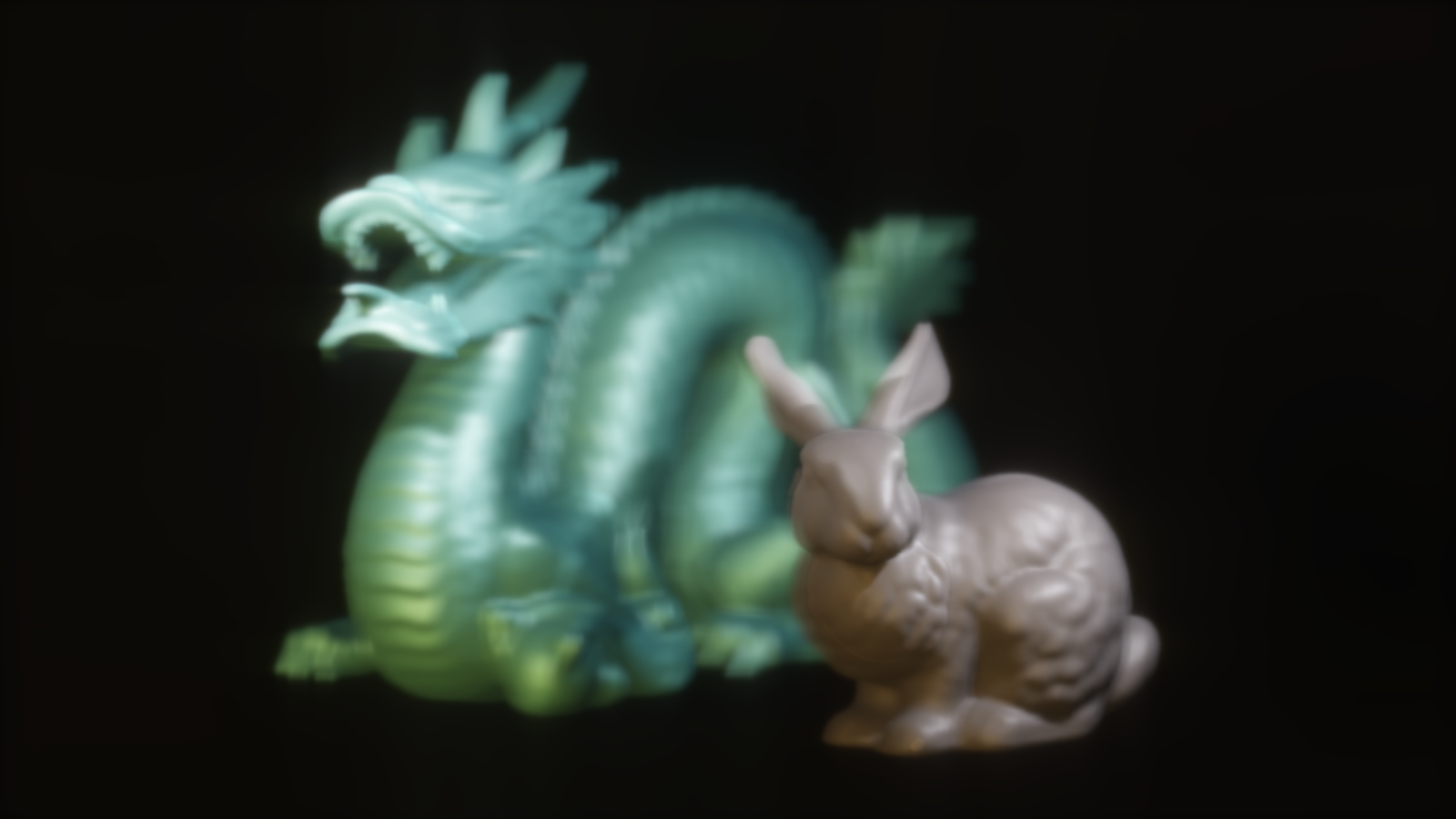
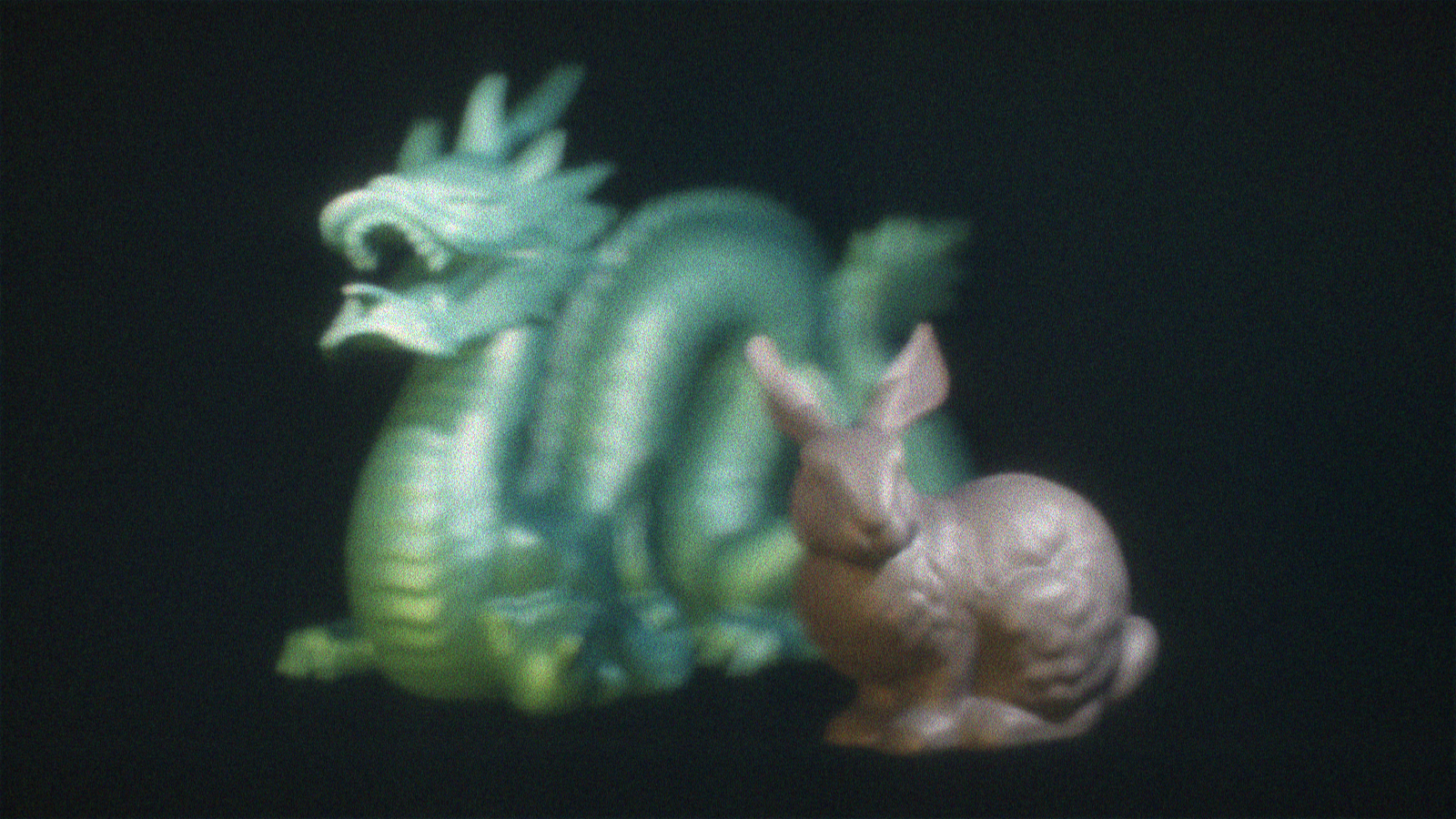
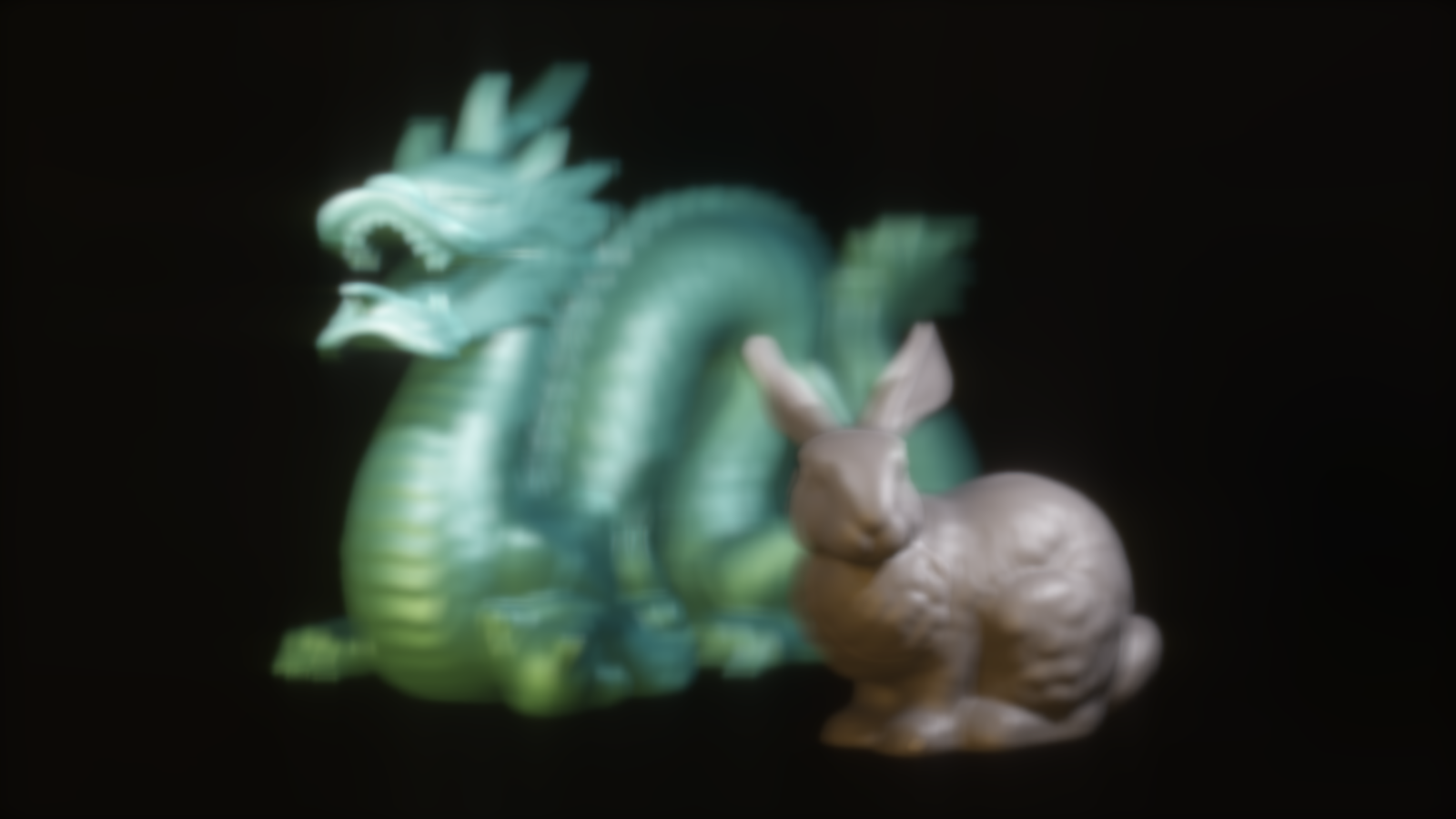
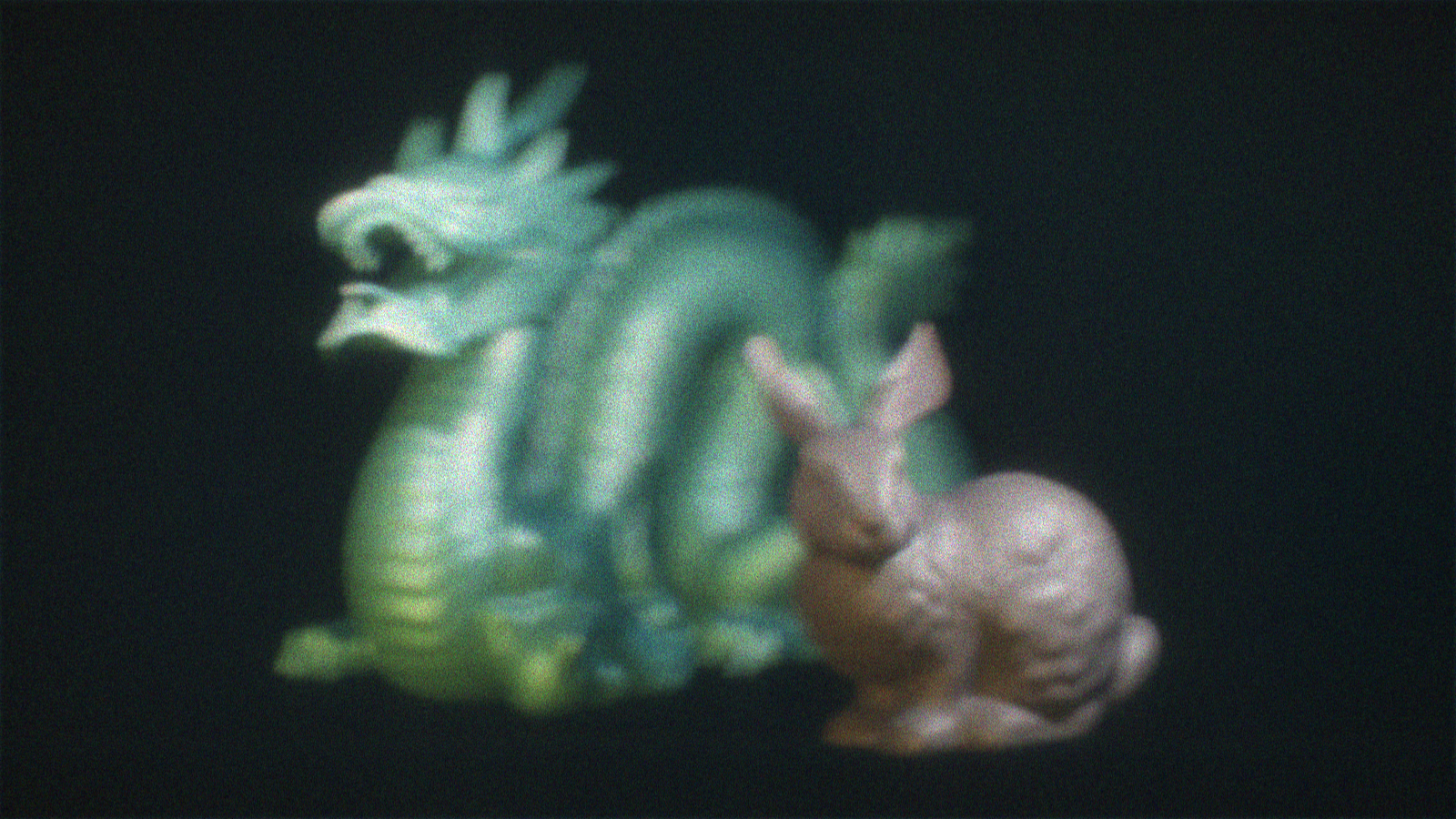
DragonBunny RGB-D → 9-plane focal stack → one shared set of 8 binary-amplitude FLCOS holograms. Plane 0 is the far-focus end and plane 8 is the near-focus end.
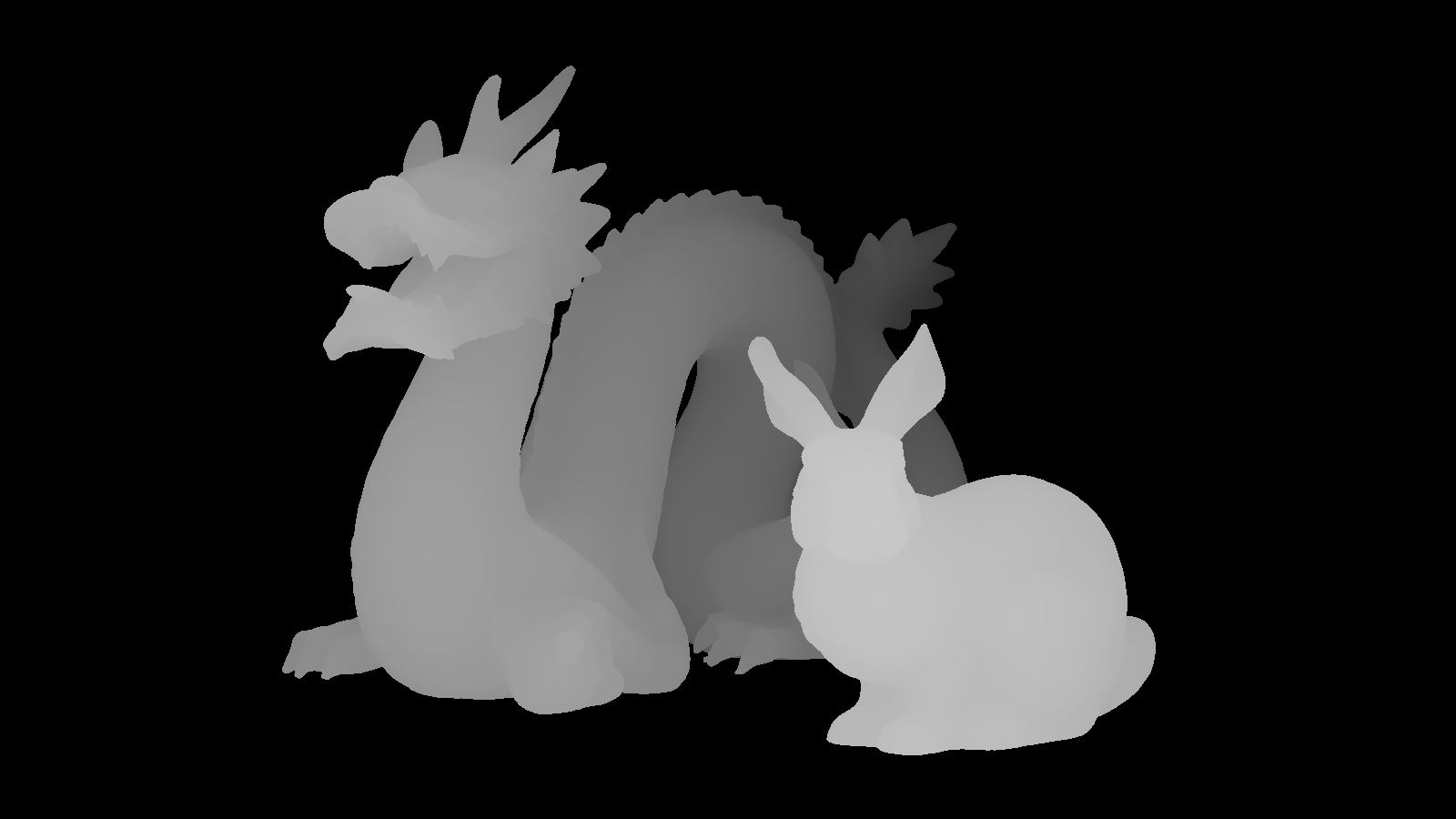
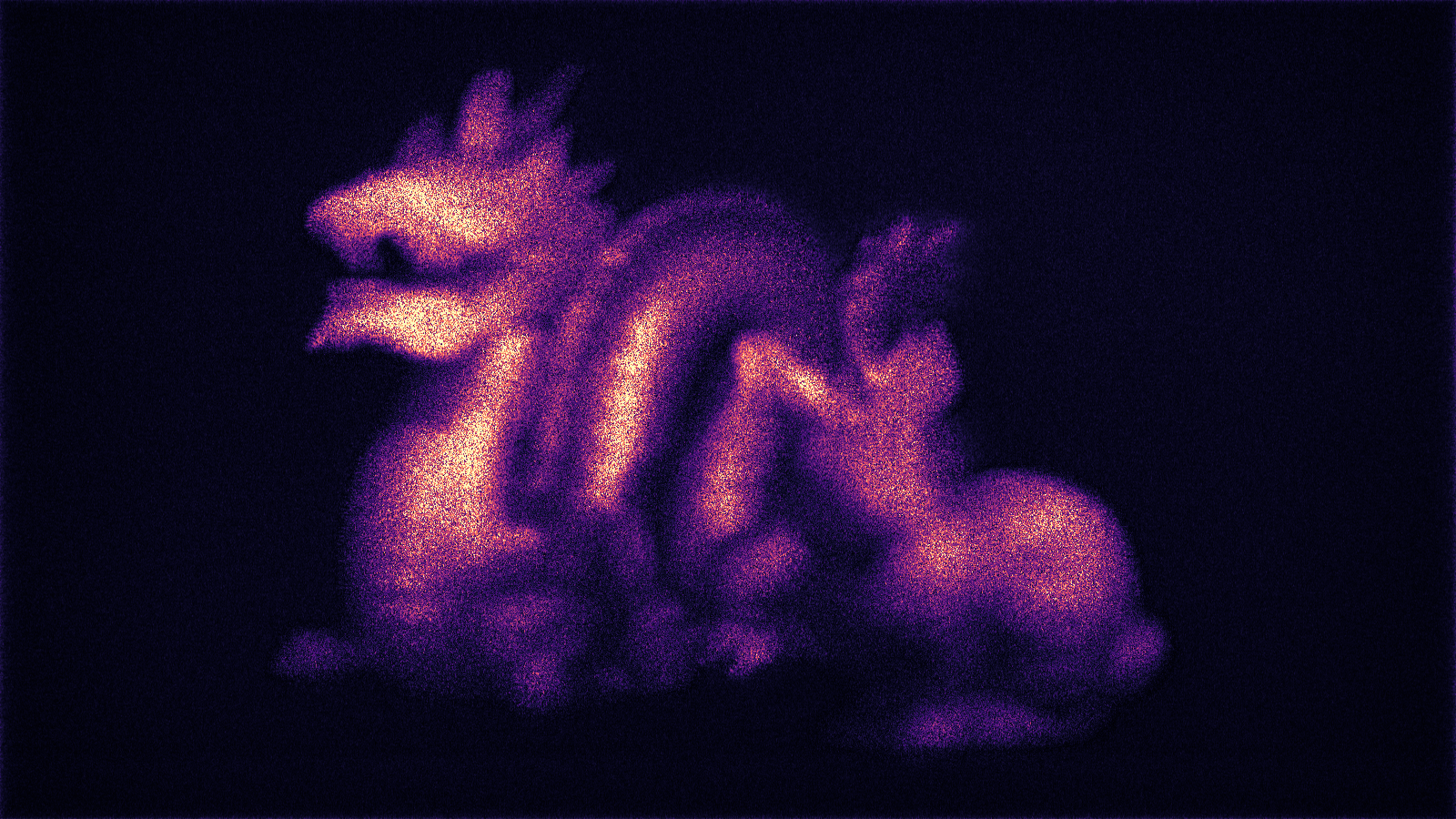
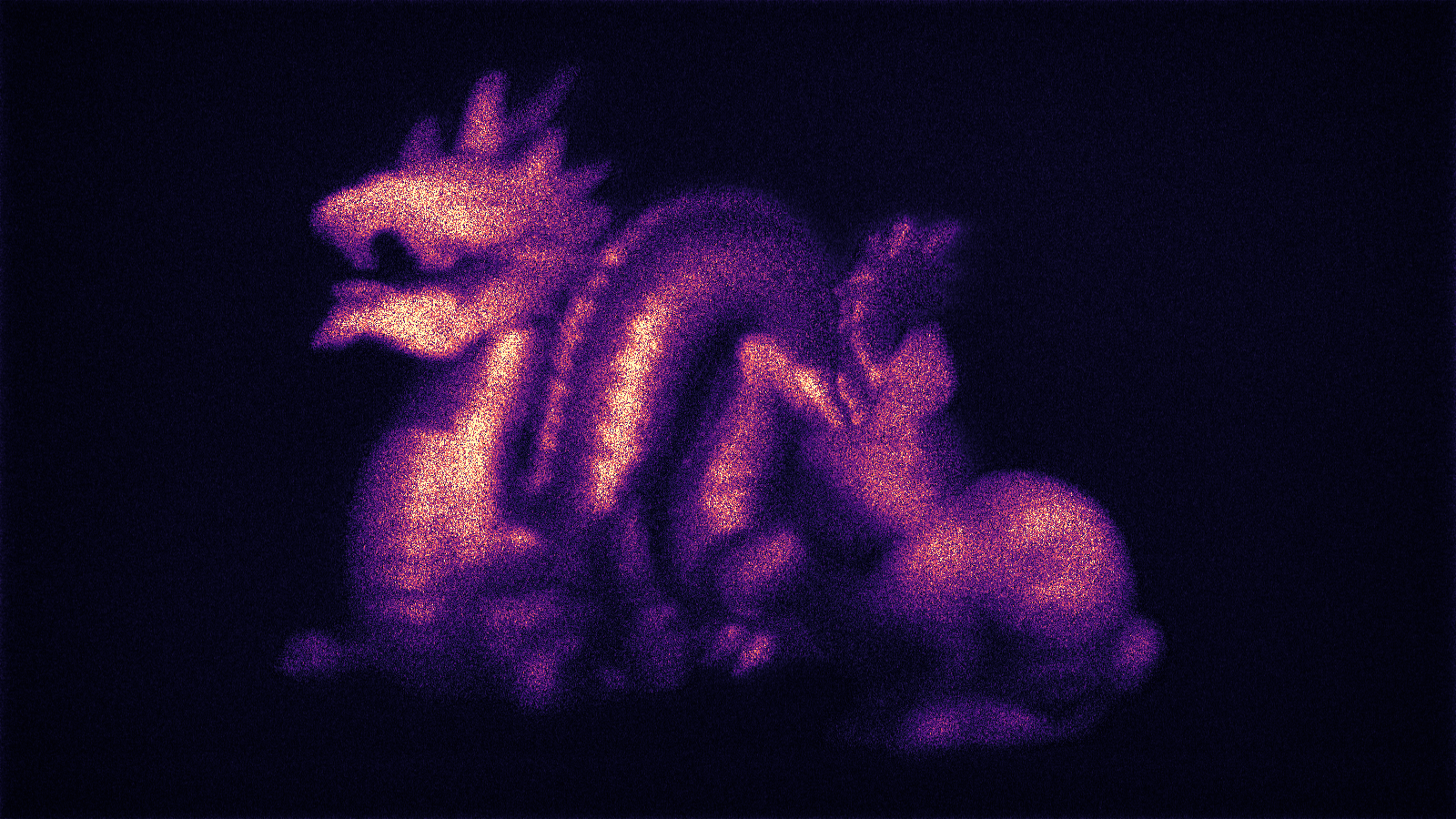
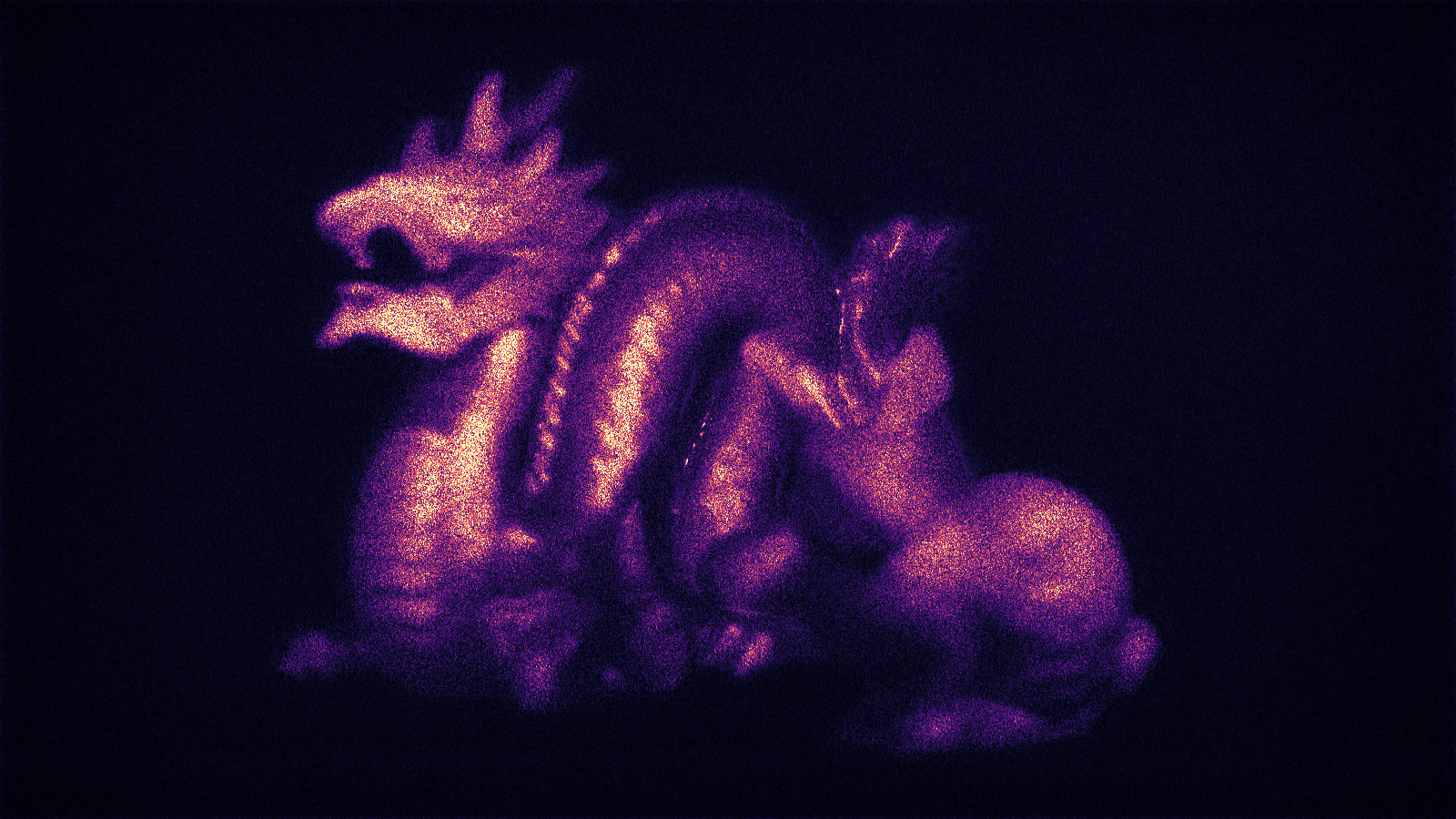
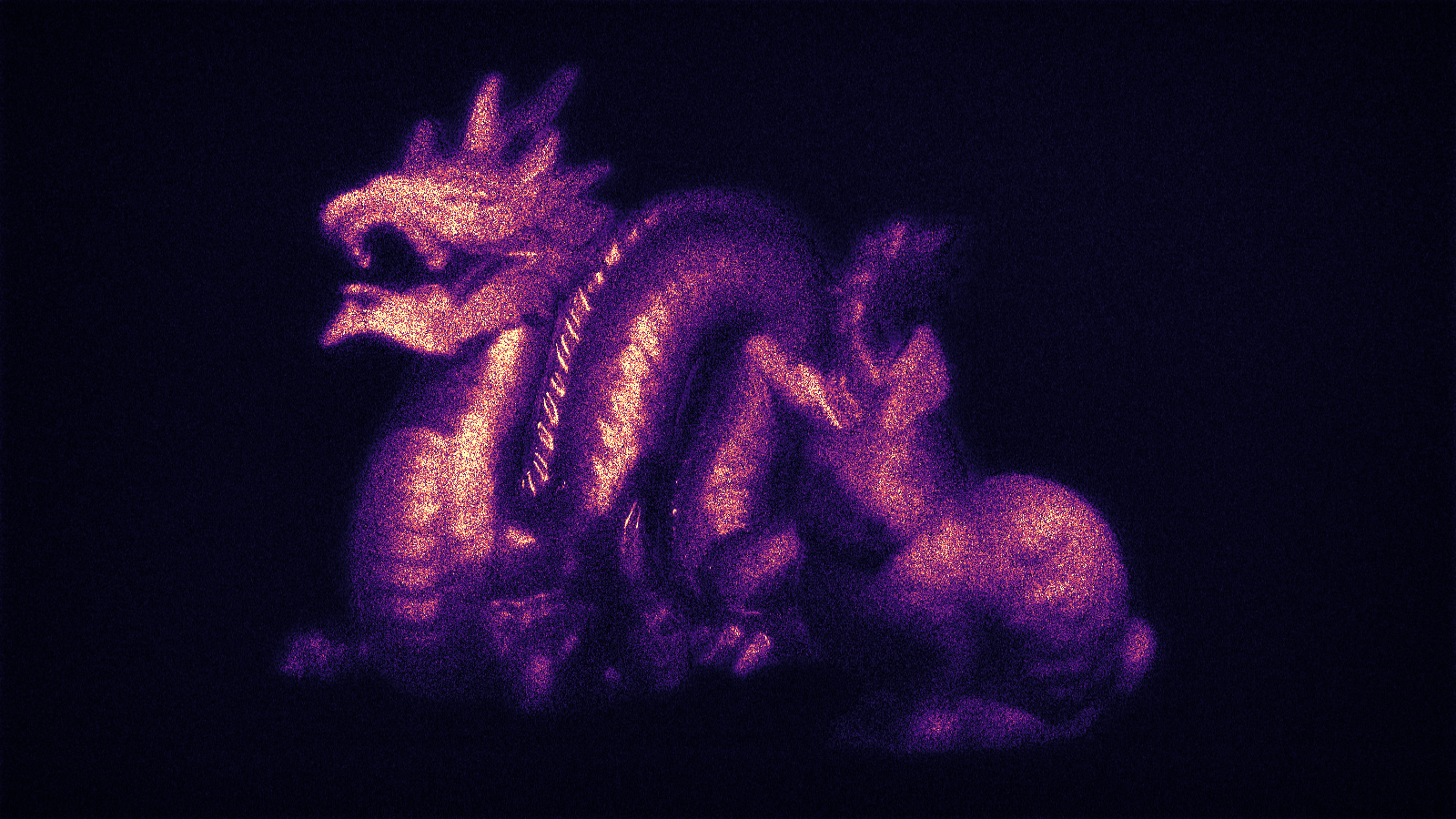
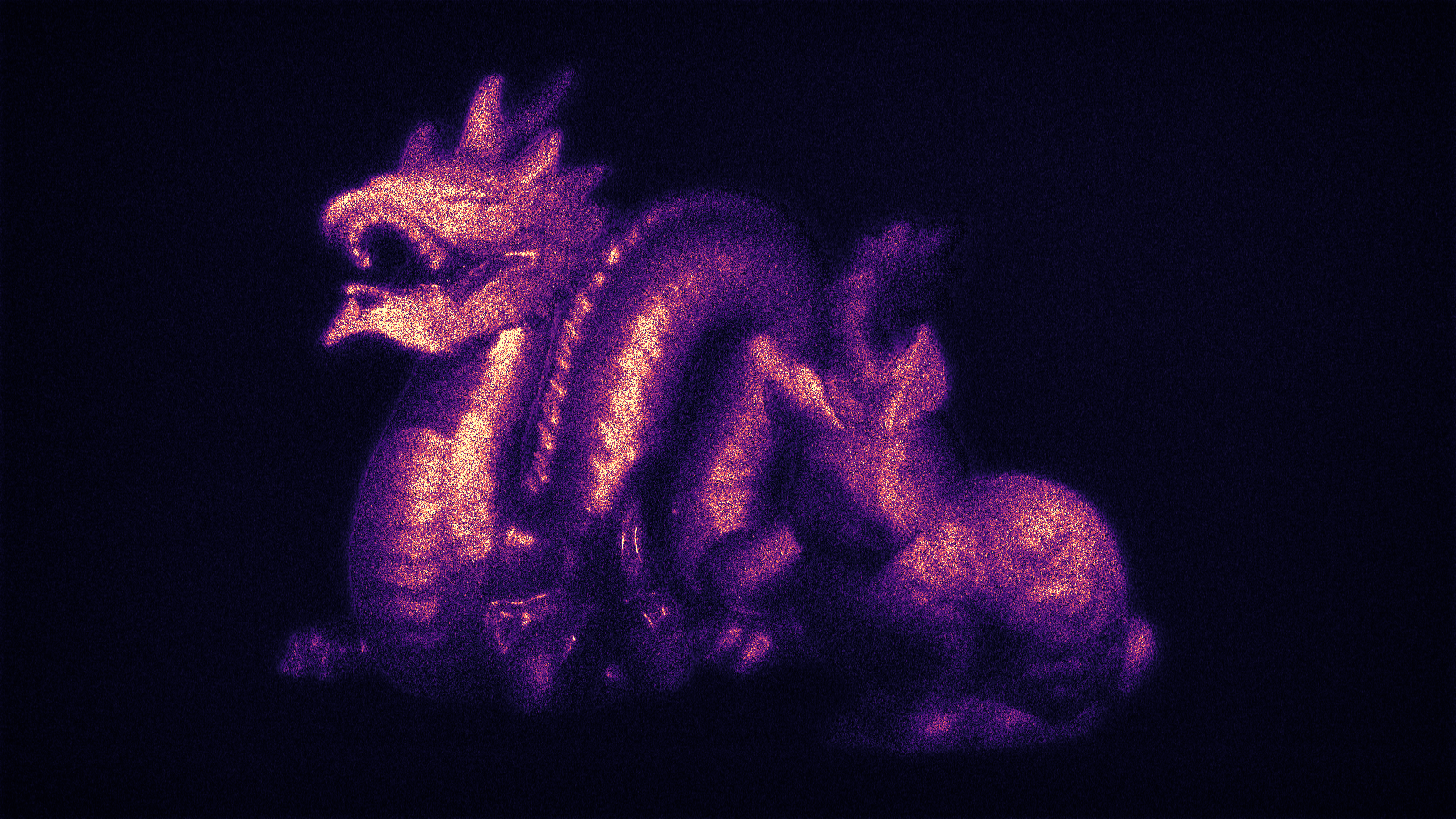
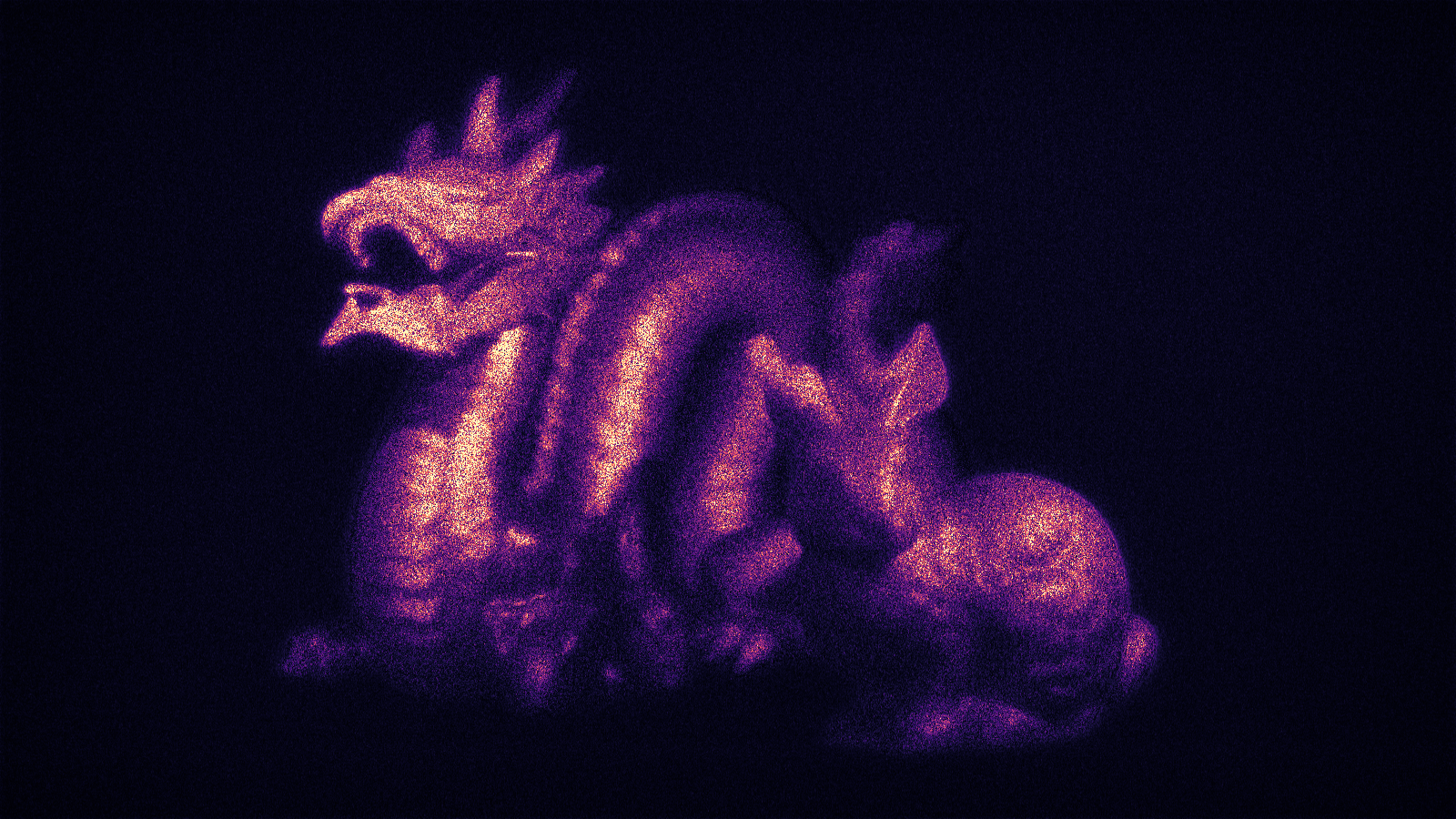
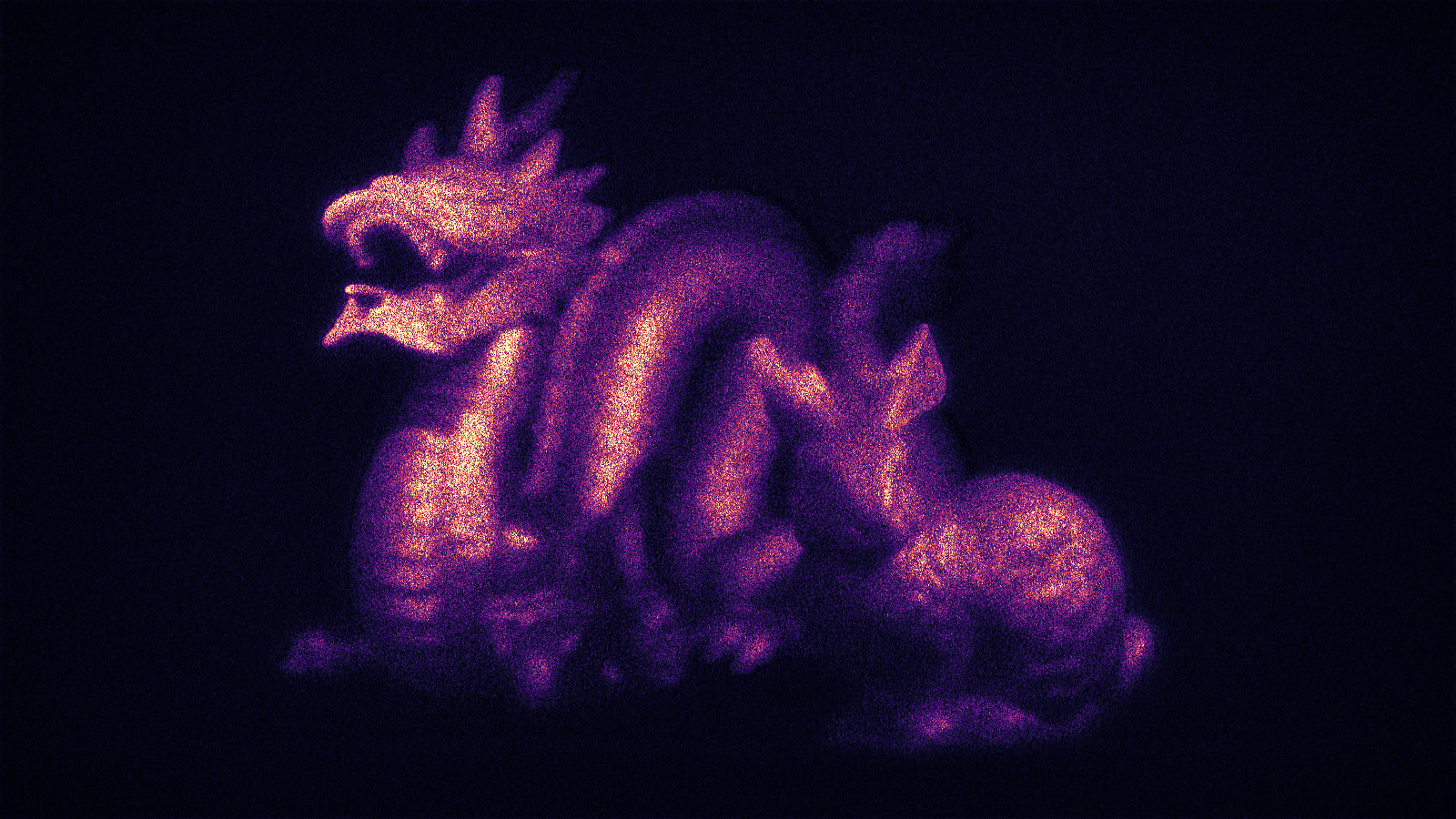
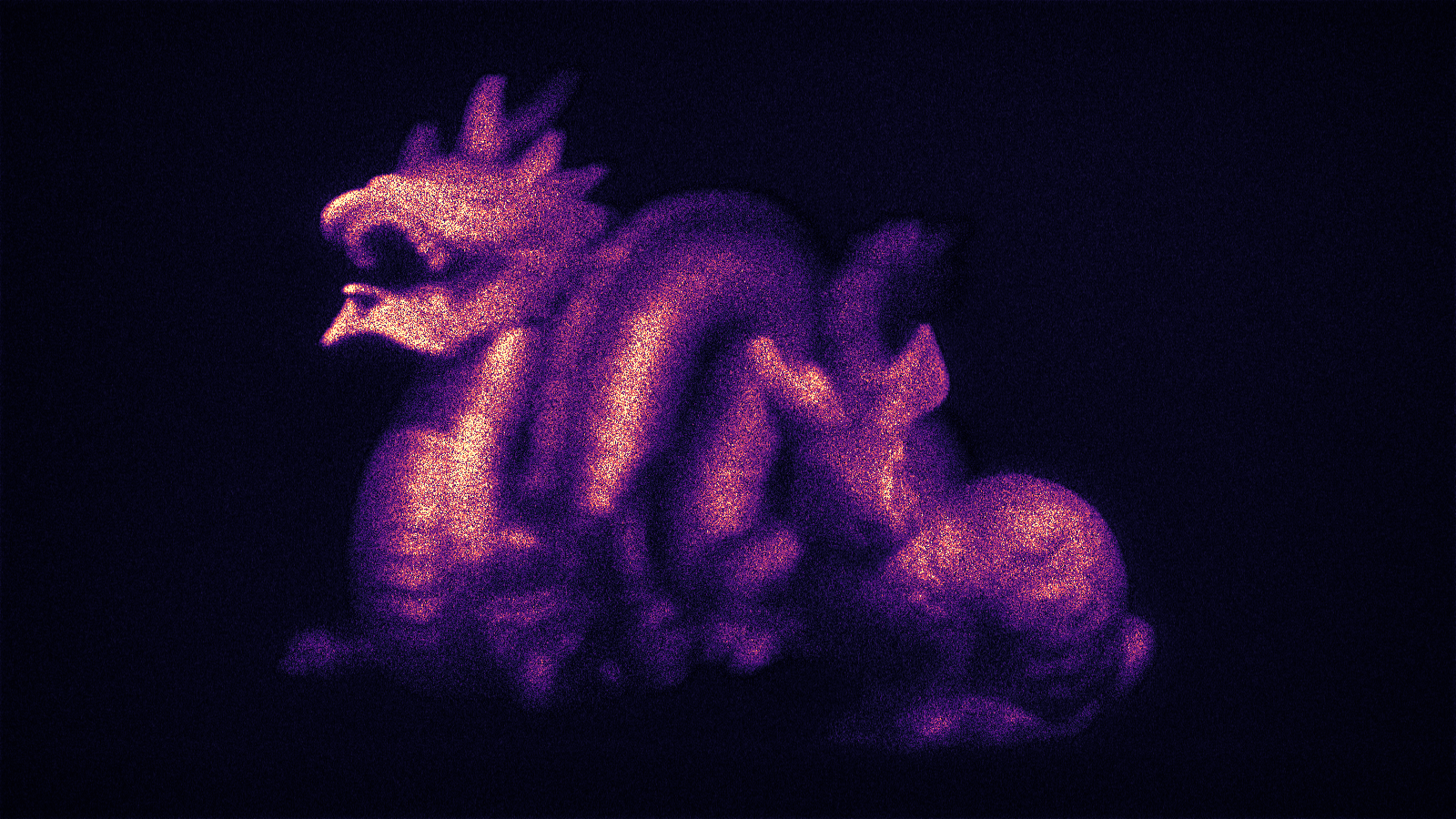
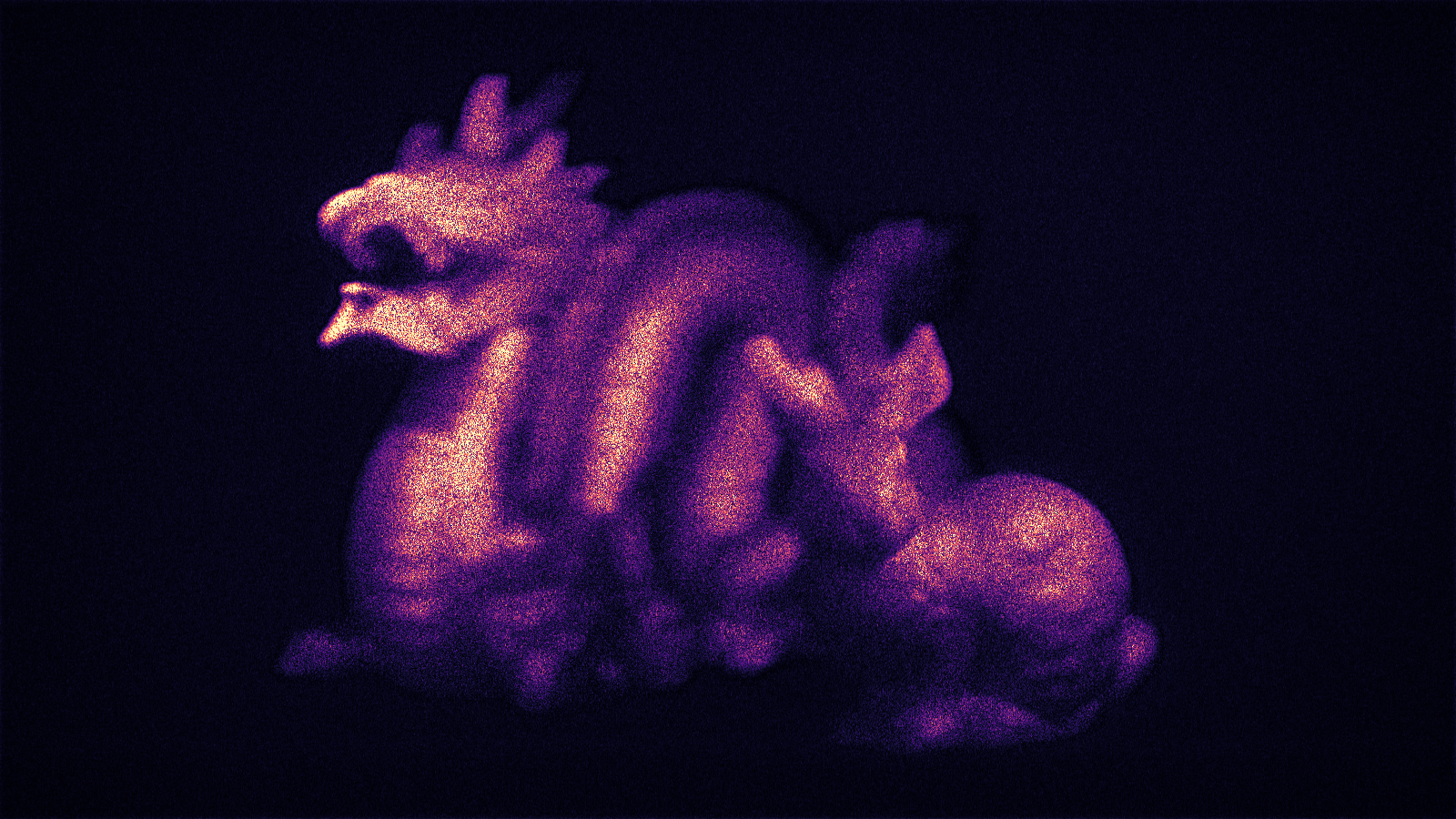
The error heatmap uses one shared 99.5-percentile scale across all planes.
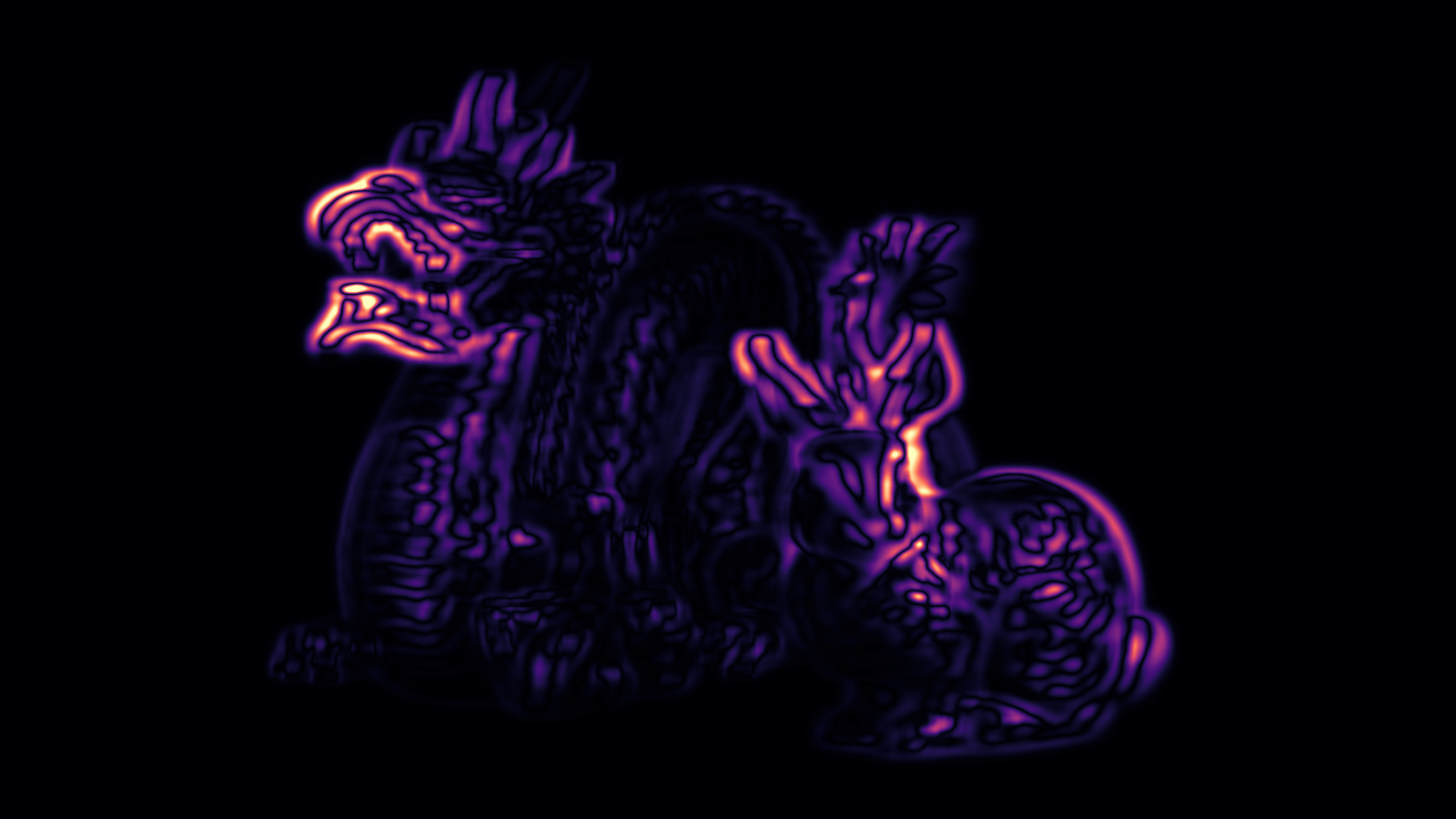
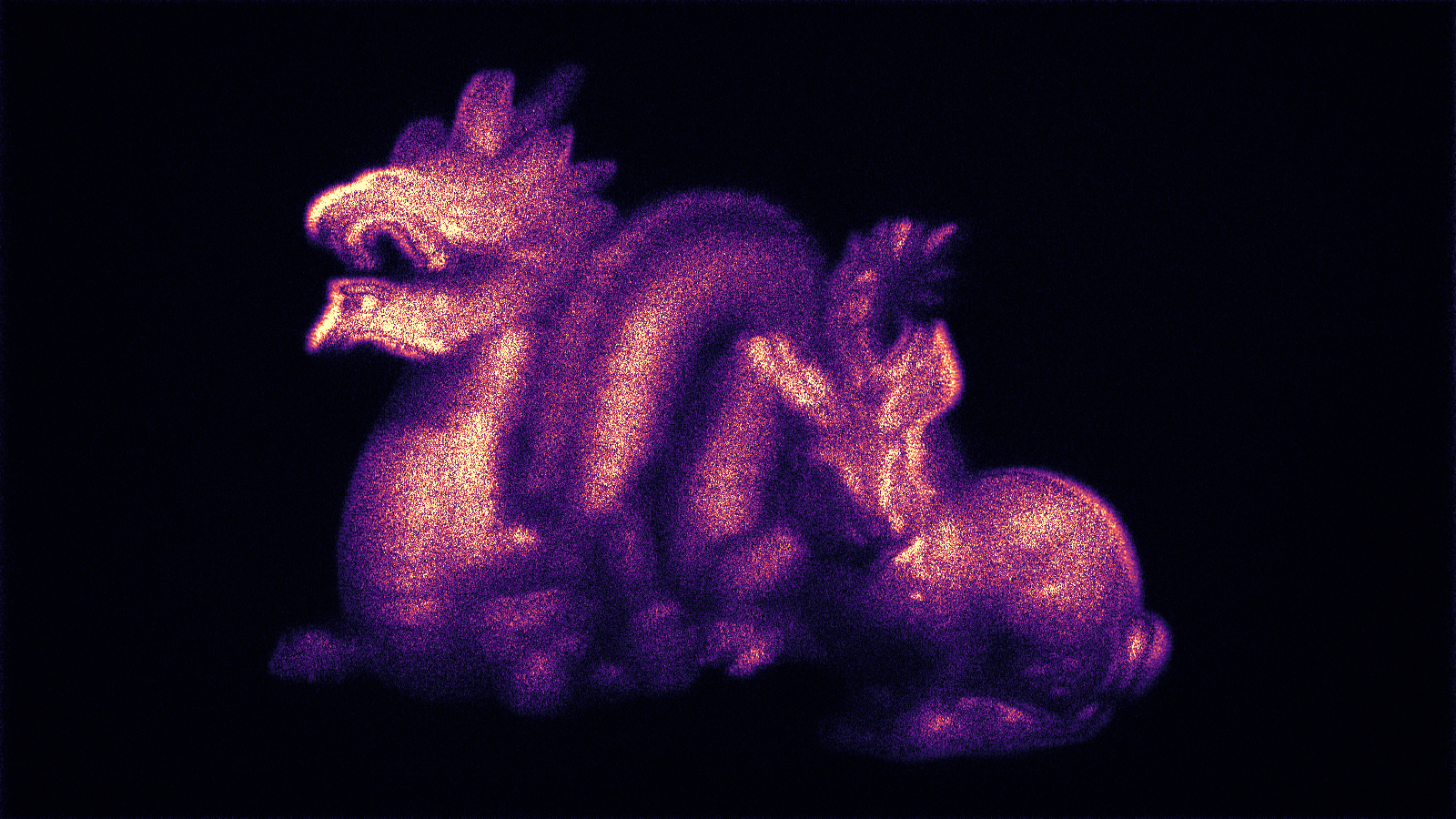
Bright regions are where appearance changes as focus moves from the far plane to the near plane. This distinguishes genuine depth/focus behavior from a nearly identical noisy image repeated at every plane.
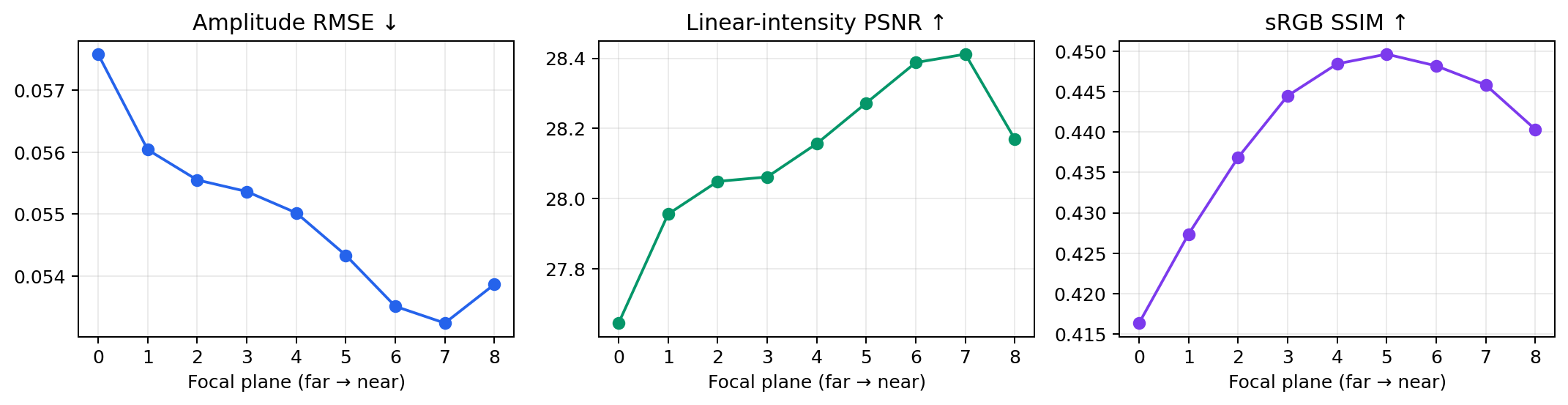
| Plane | Distance (mm) | Amplitude RMSE ↓ | Linear PSNR ↑ | sRGB SSIM ↑ |
|---|---|---|---|---|
| 0 | 114.46 | 0.05758 | 27.65 | 0.4164 |
| 1 | 116.29 | 0.05604 | 27.96 | 0.4274 |
| 2 | 117.96 | 0.05555 | 28.05 | 0.4368 |
| 3 | 119.48 | 0.05537 | 28.06 | 0.4445 |
| 4 | 120.89 | 0.05502 | 28.16 | 0.4484 |
| 5 | 122.18 | 0.05434 | 28.27 | 0.4496 |
| 6 | 123.38 | 0.05351 | 28.39 | 0.4482 |
| 7 | 124.50 | 0.05324 | 28.41 | 0.4458 |
| 8 | 125.54 | 0.05387 | 28.17 | 0.4403 |
Mean amplitude RMSE: 0.05495. These are diagnostic 2D-per-plane metrics, not a validated 3D perceptual score.
{
  "scene": "DragonBunny RGB-D",
  "loss": "Amplitude L2 (single scalar across RGB, depth planes, and pixels; channels optimized separately)",
  "frames": 8,
  "planes": 9,
  "iterations": 300,
  "lr": 0.005,
  "quantization": "Gumbel {0,1} binary amplitude / deterministic hard reconstruction",
  "slm": "native binary-amplitude FLCOS, 1200\u00d71920; ROI 900\u00d71600",
  "physical_iris": true,
  "best_training_loss_per_channel": [
    0.0008136293618008494,
    0.0020729515235871077,
    0.002850181423127651
  ],
  "run_root": "/auto/homes/fy277/ph_opt_runs/3d_l2_baseline_20260806_105417"
}
Important: this first pilot uses the repository's existing SDR focal-stack generator and global stack normalization. It is not yet the absolute-nits HDR loader. The three RGB channels were optimized separately, matching the repository's original 3D execution pattern.