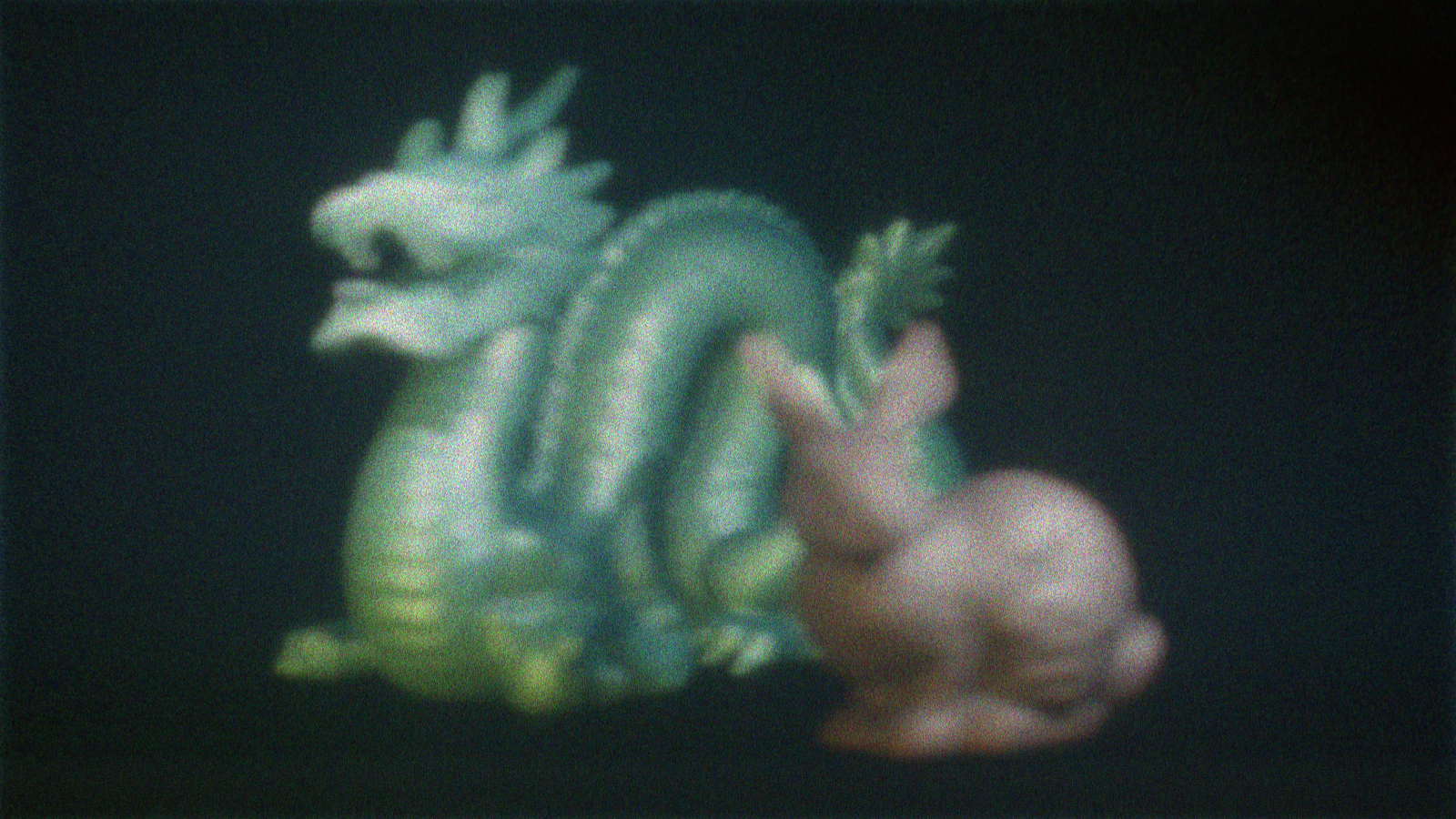
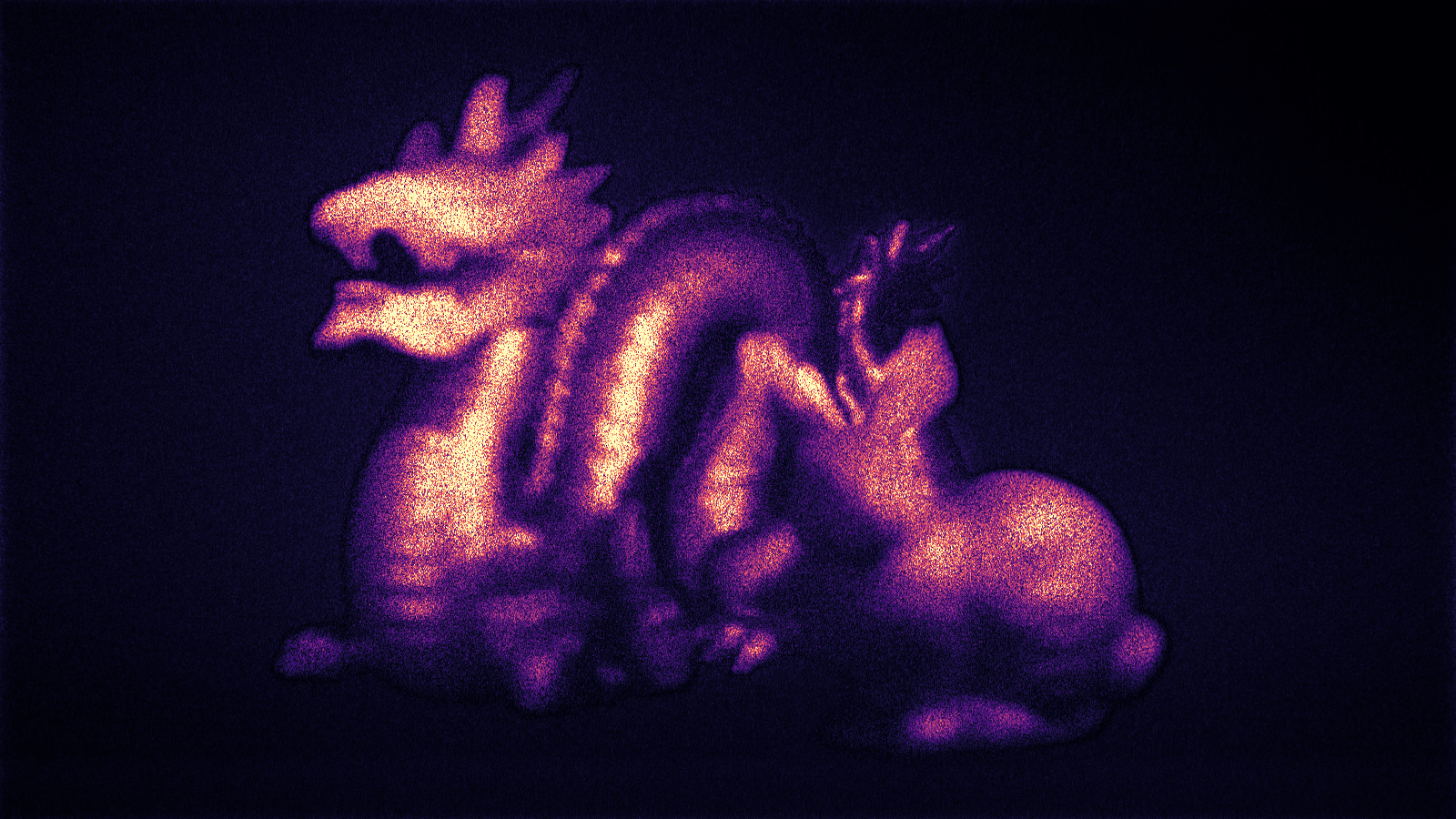
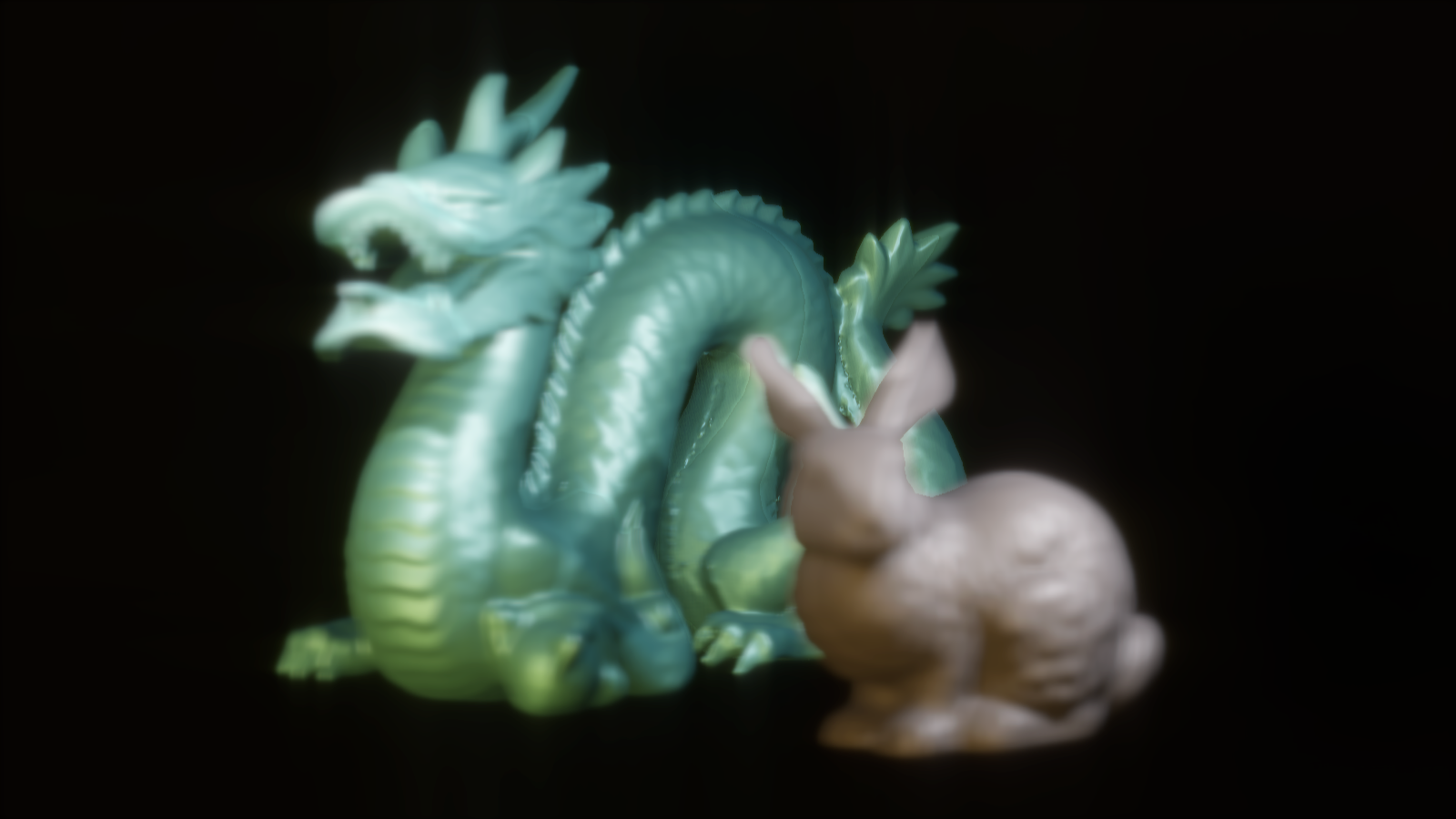
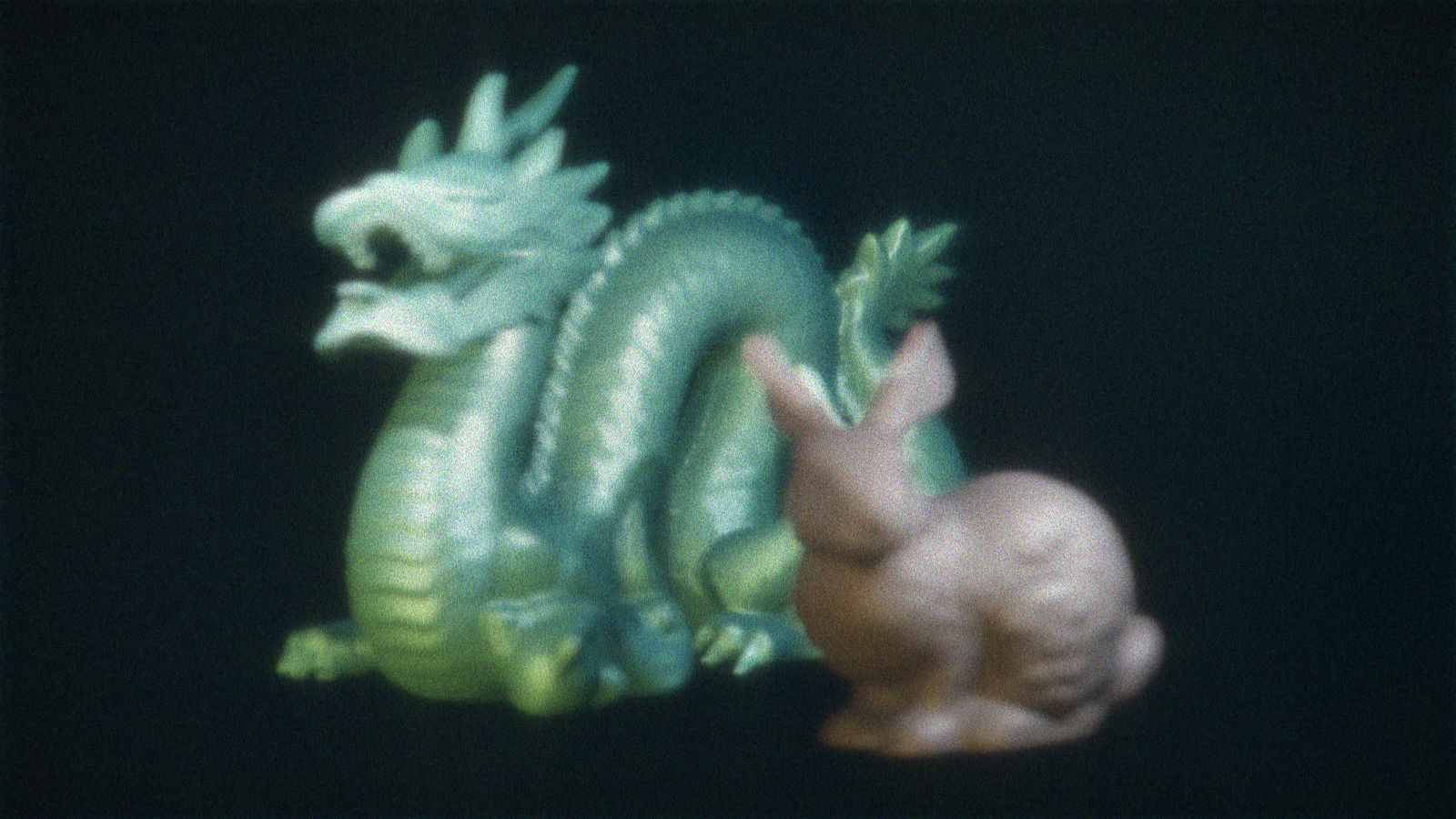
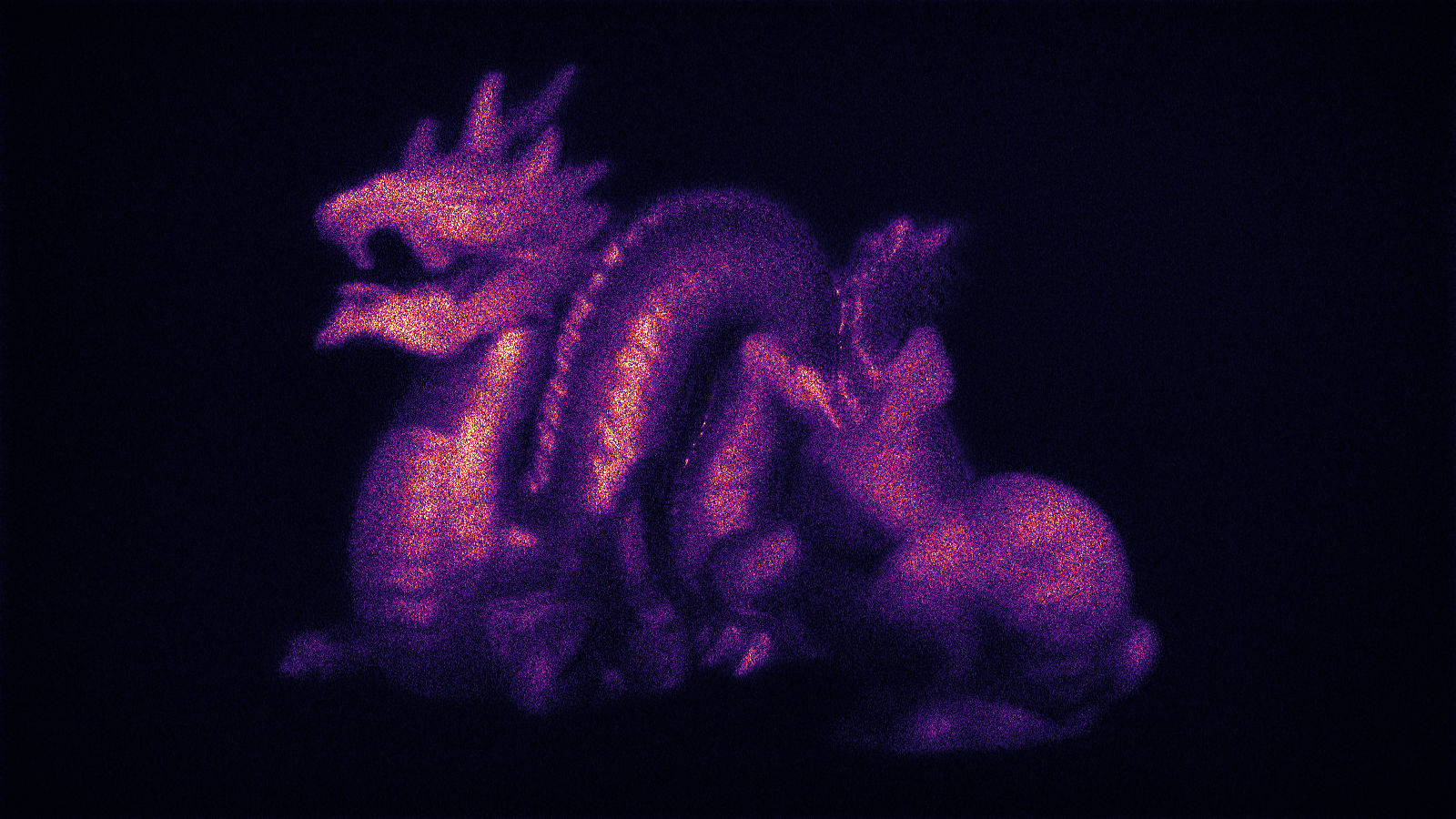
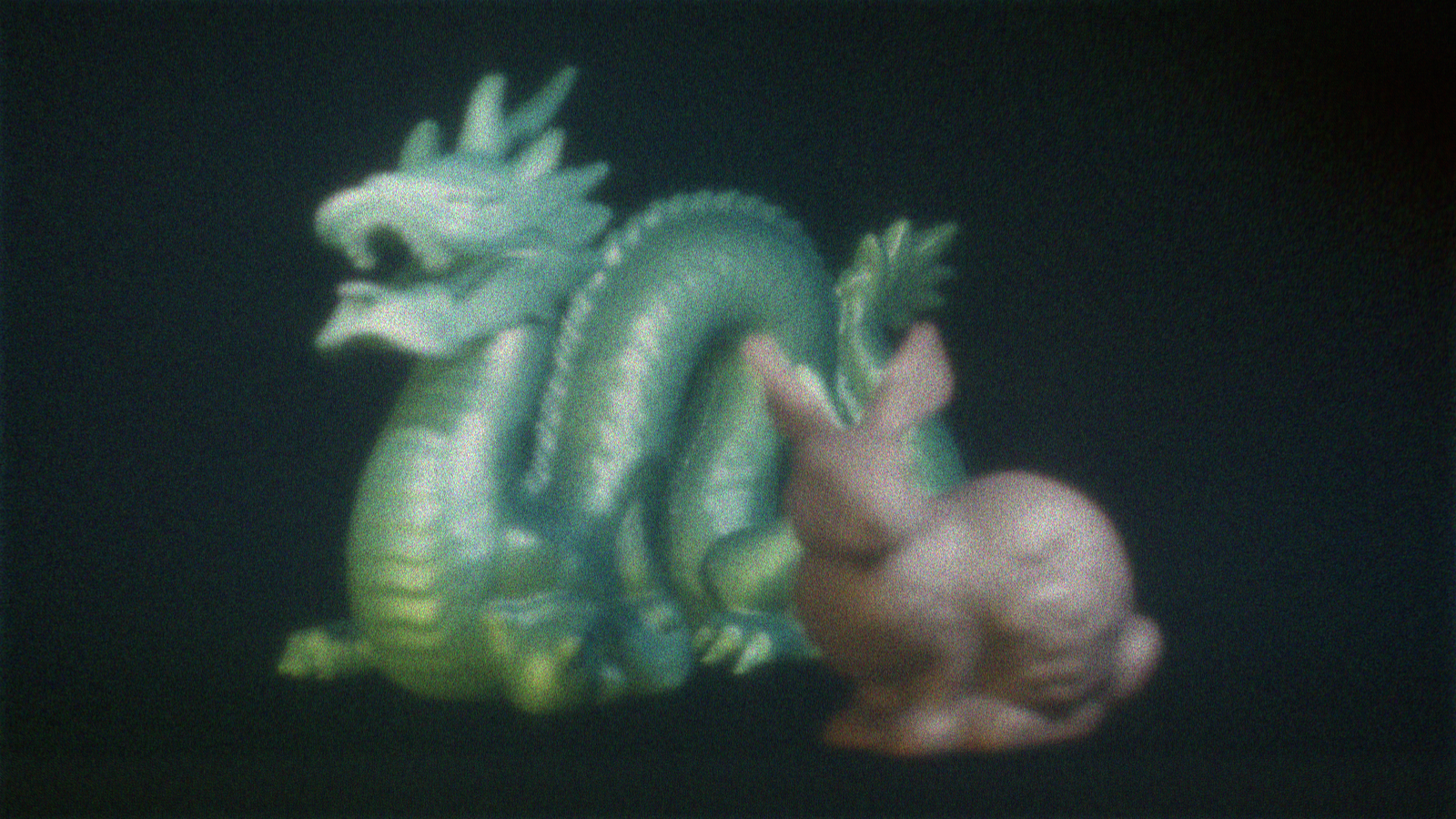
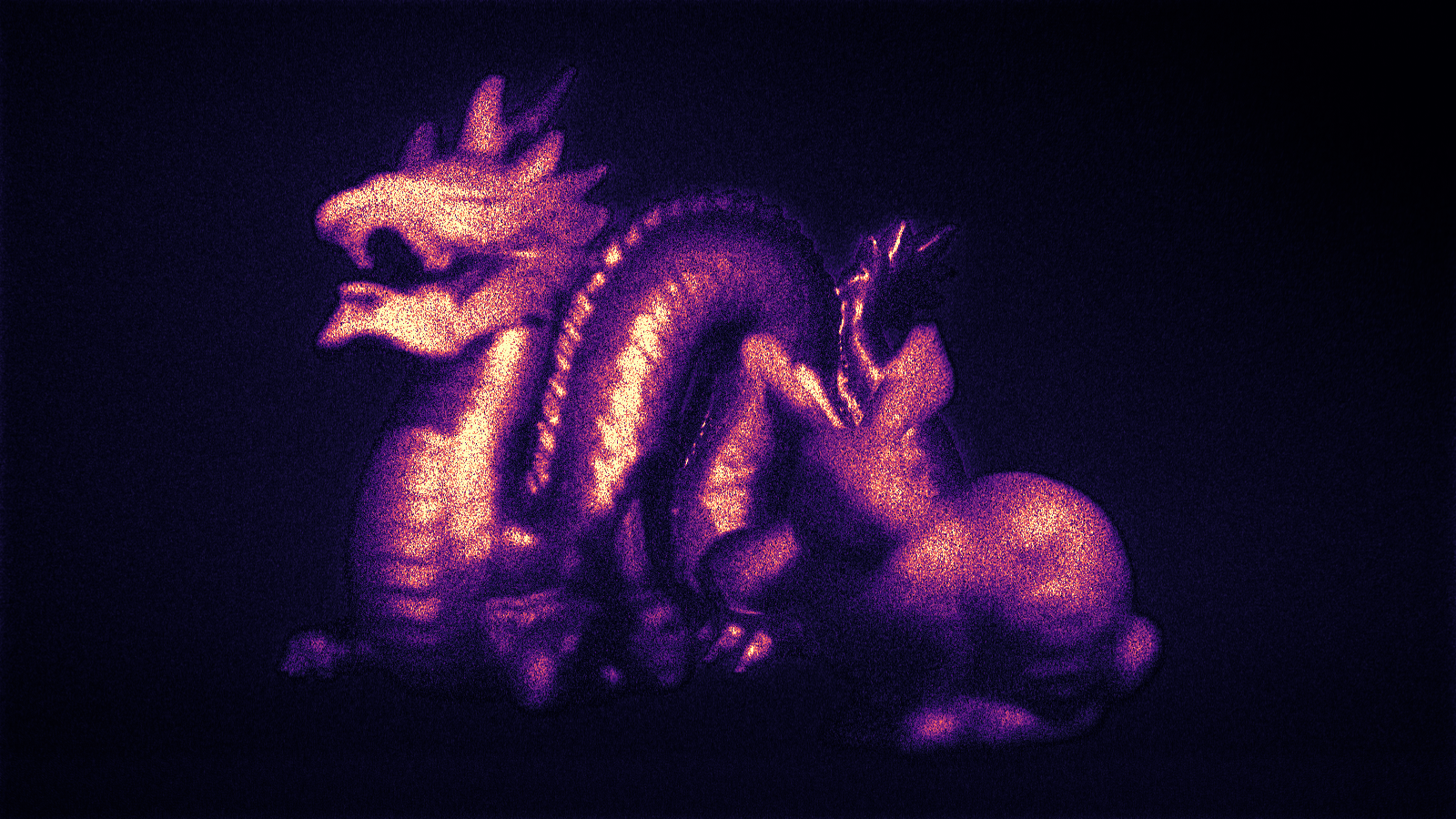
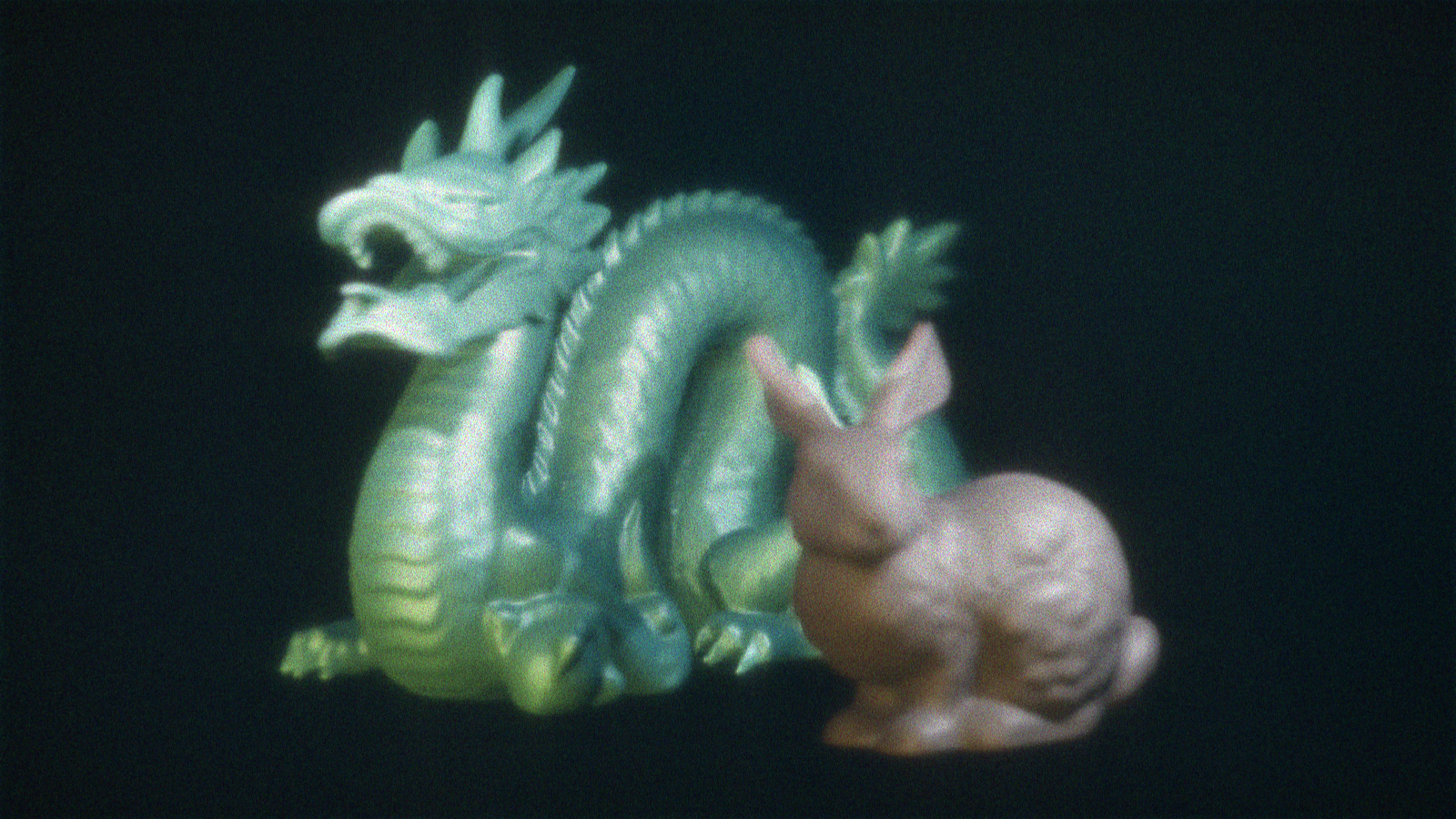
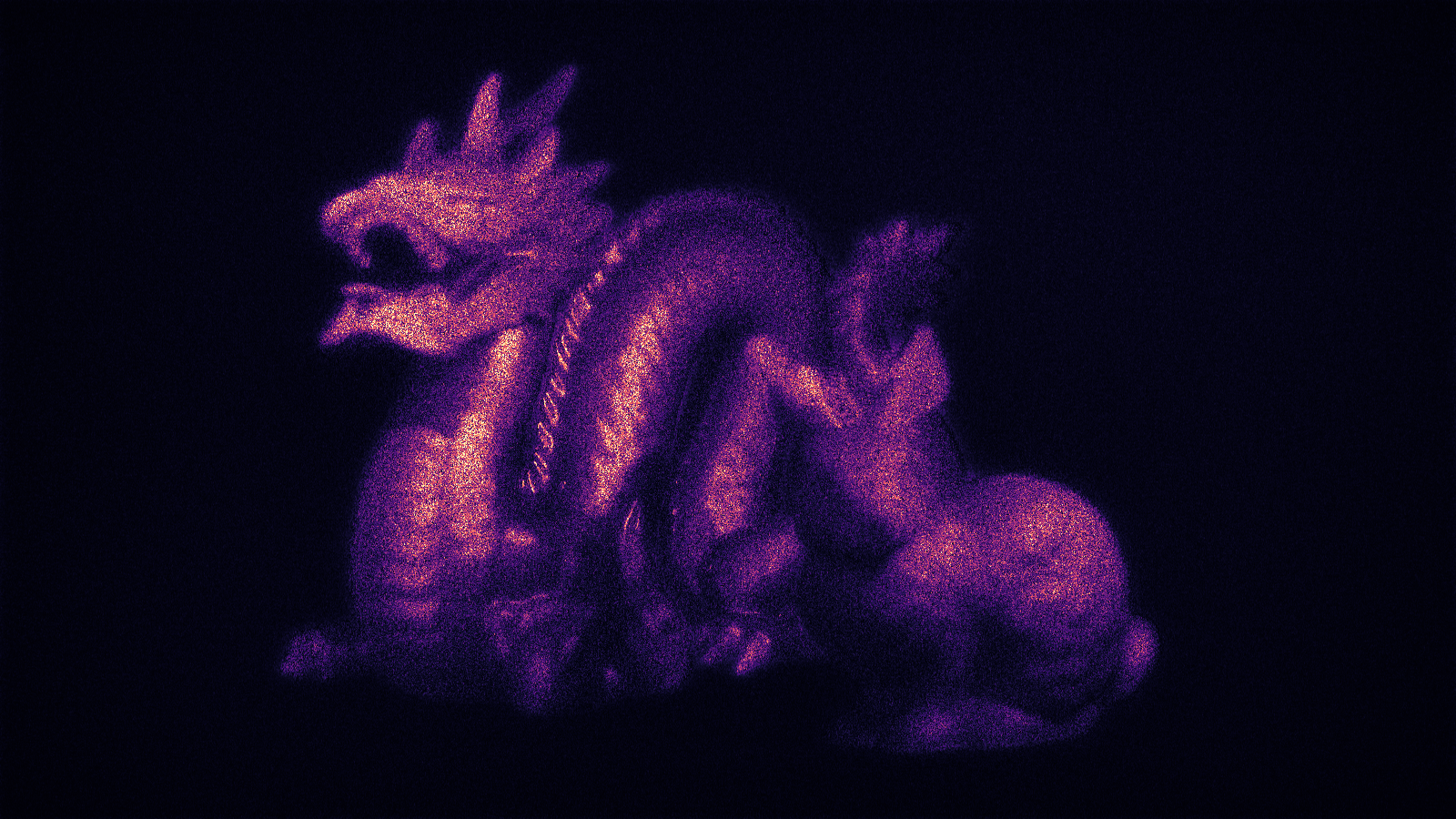
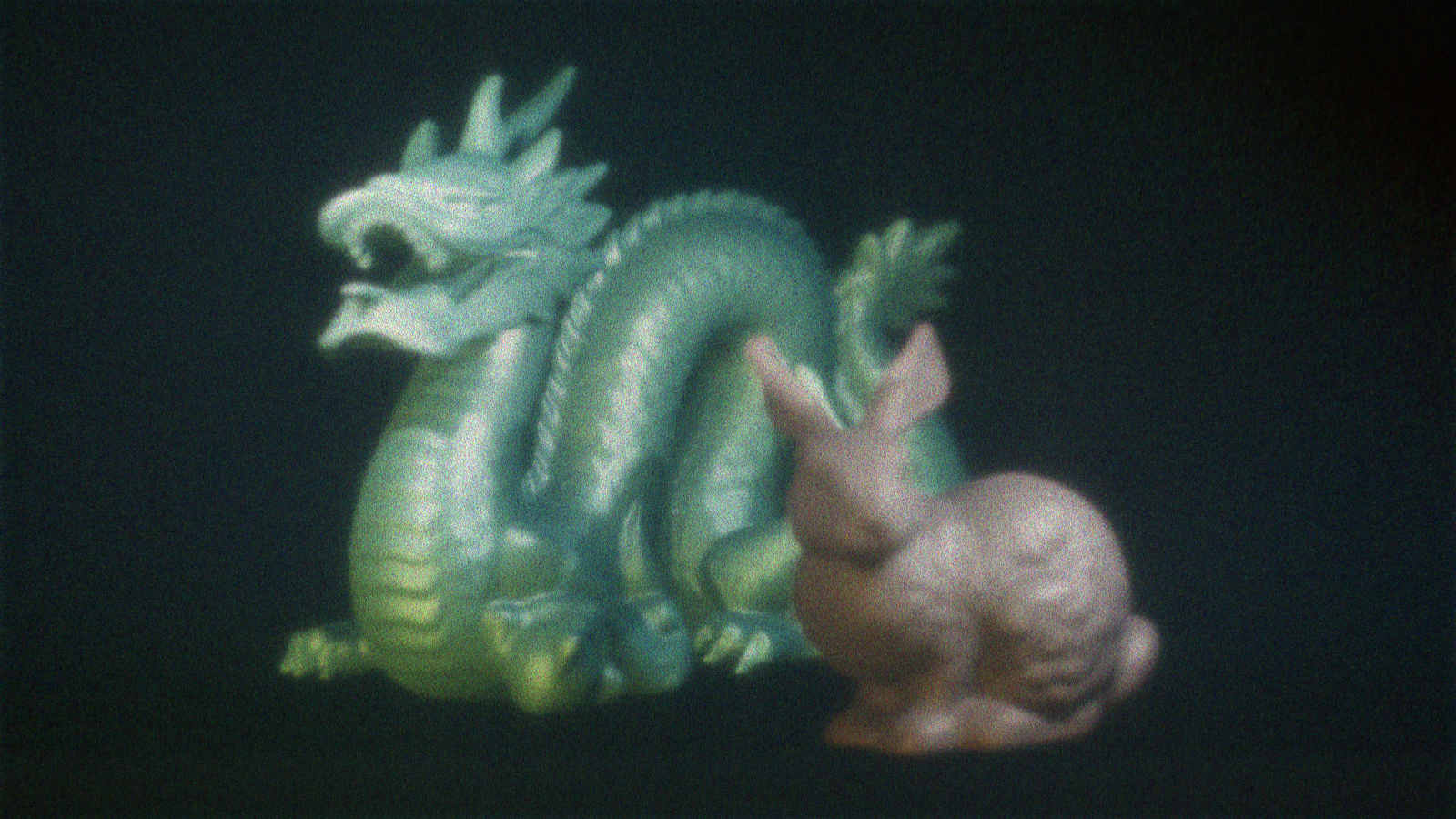
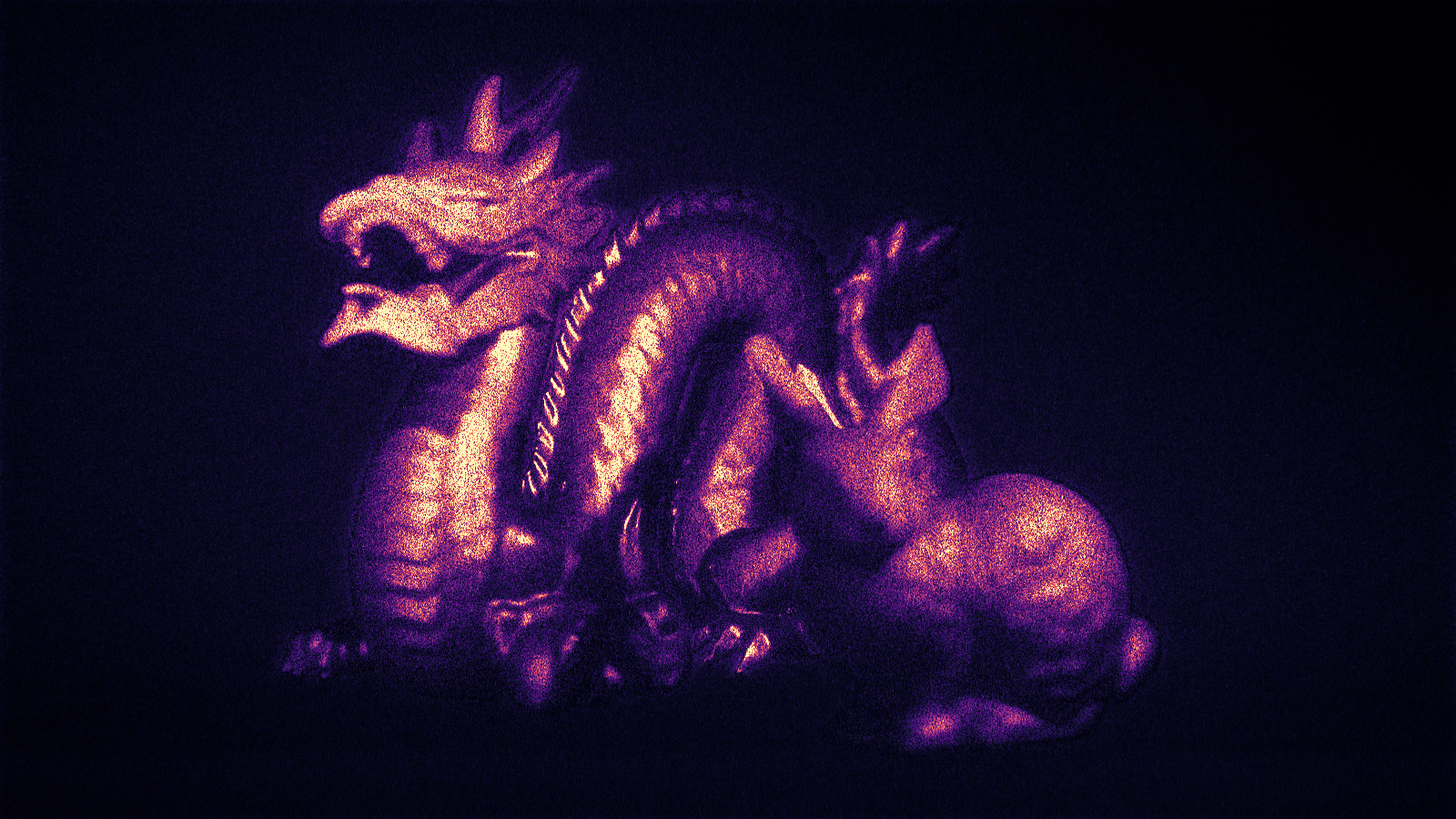
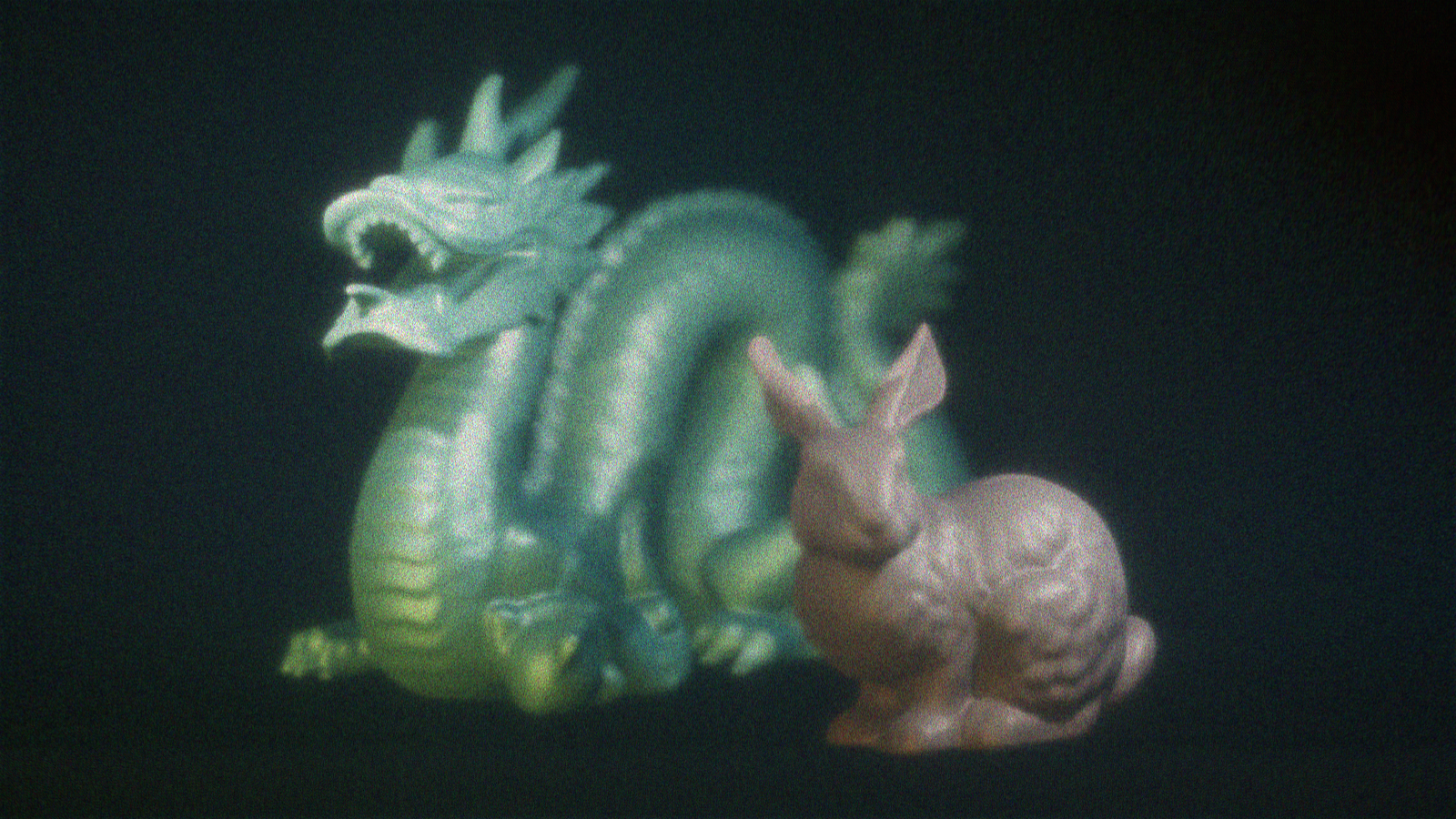
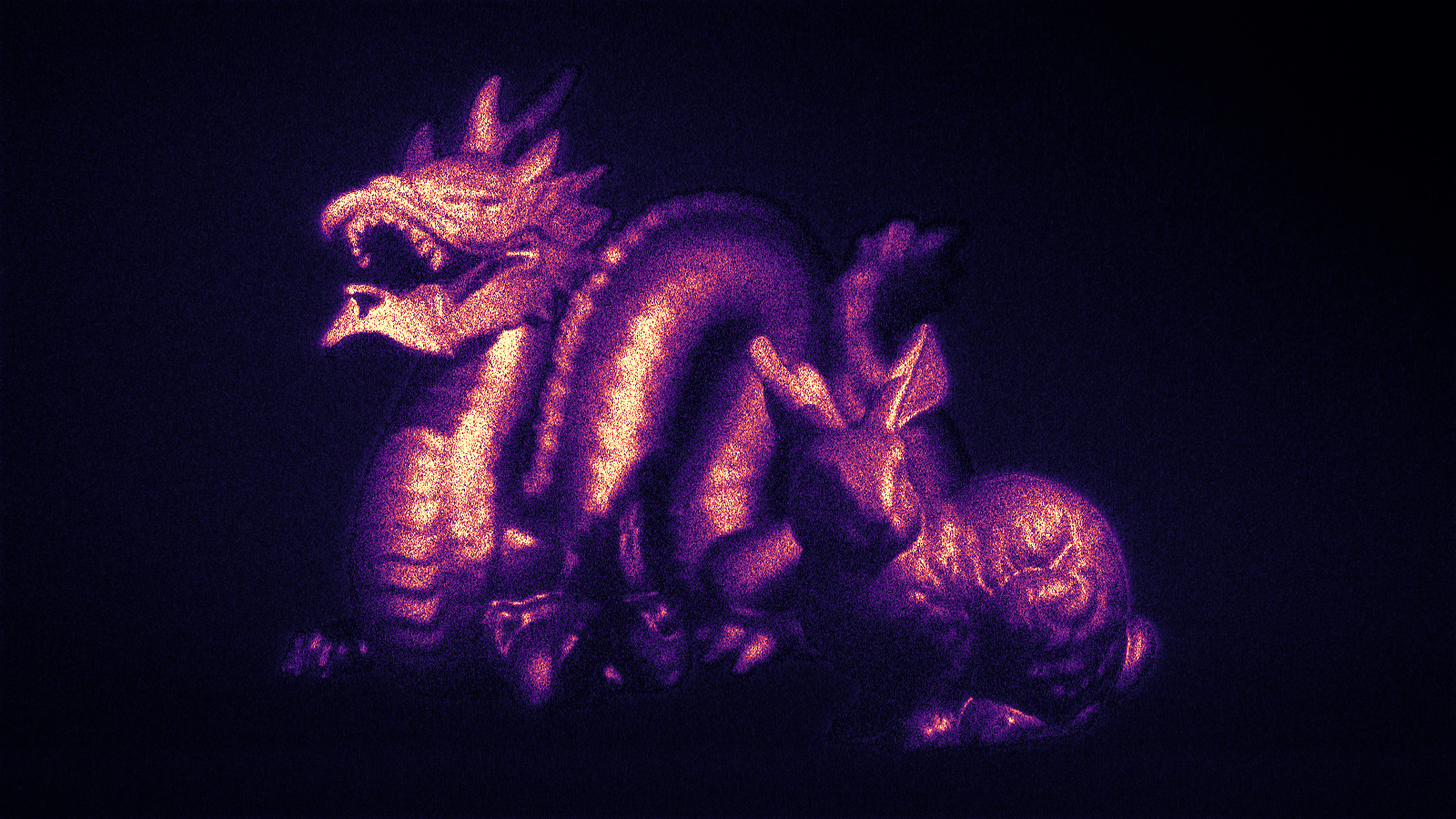
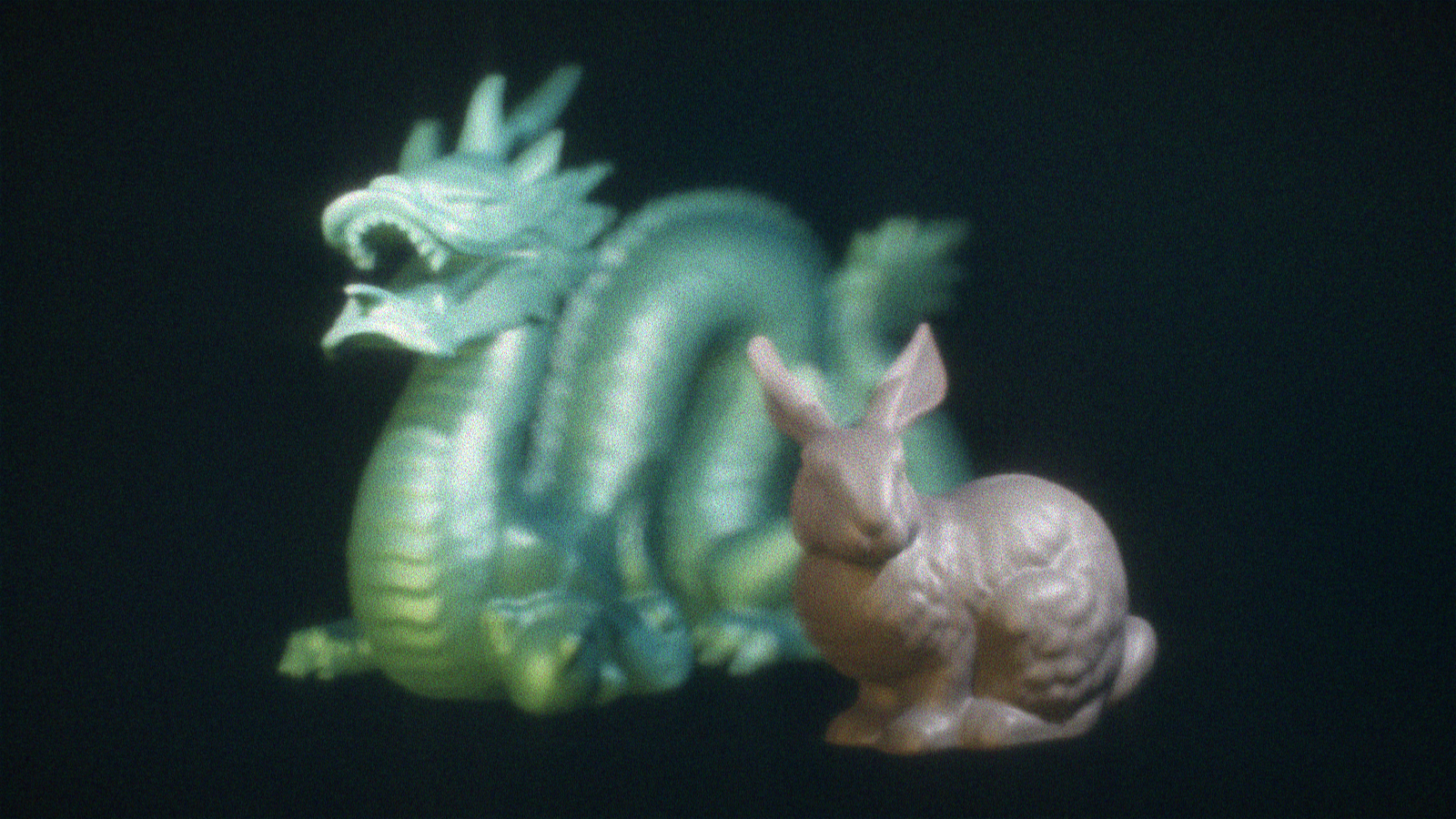
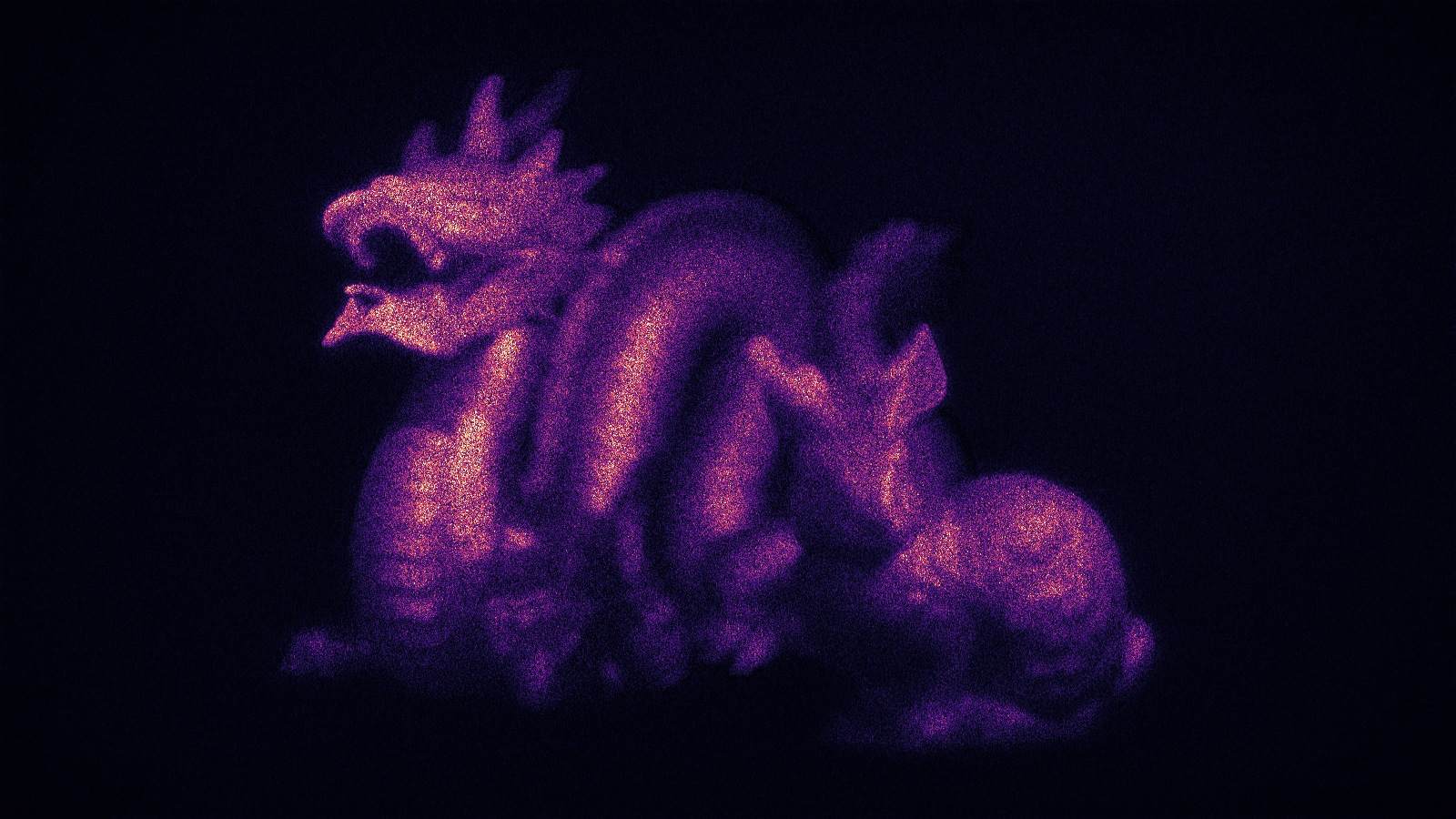
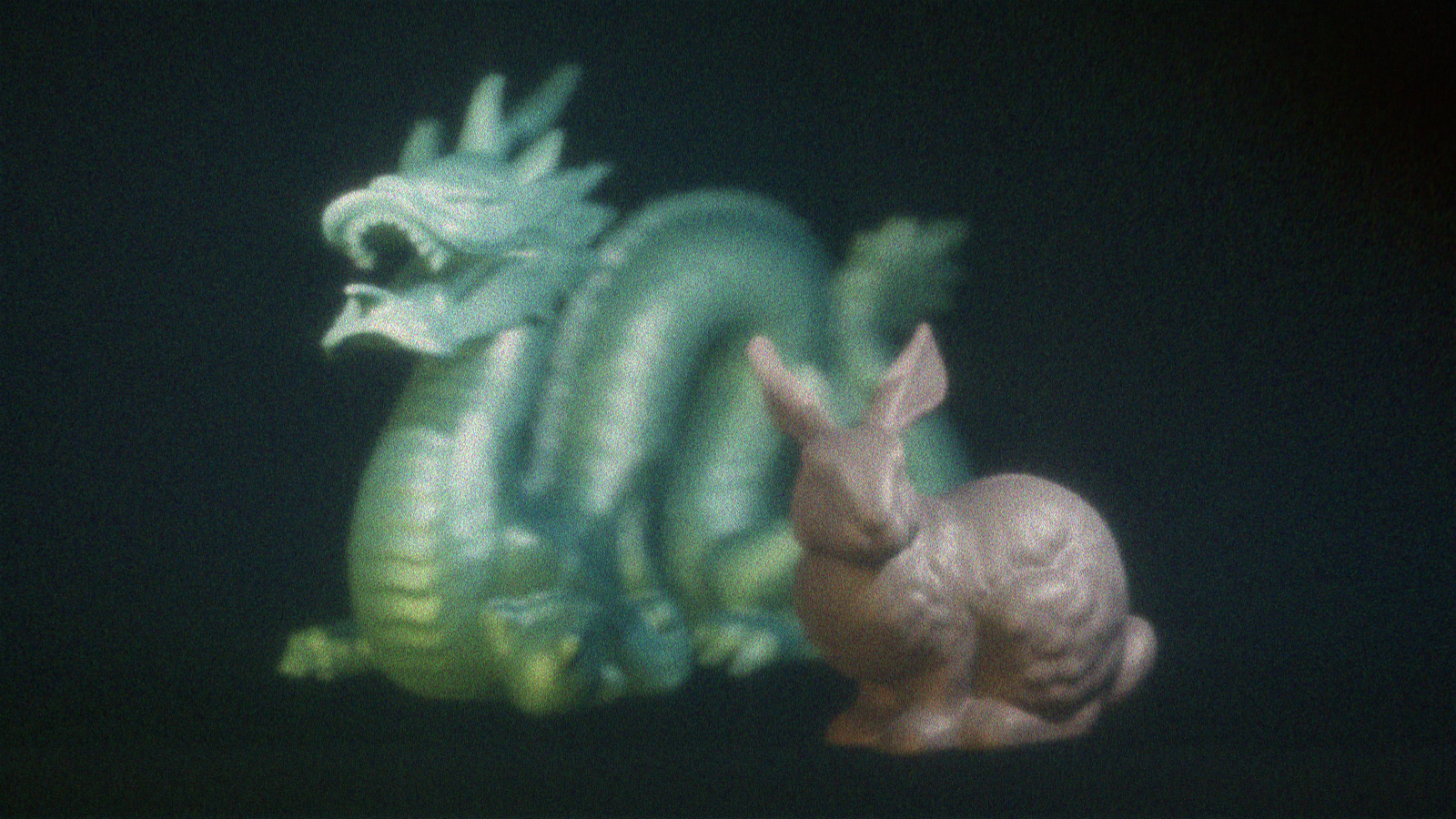
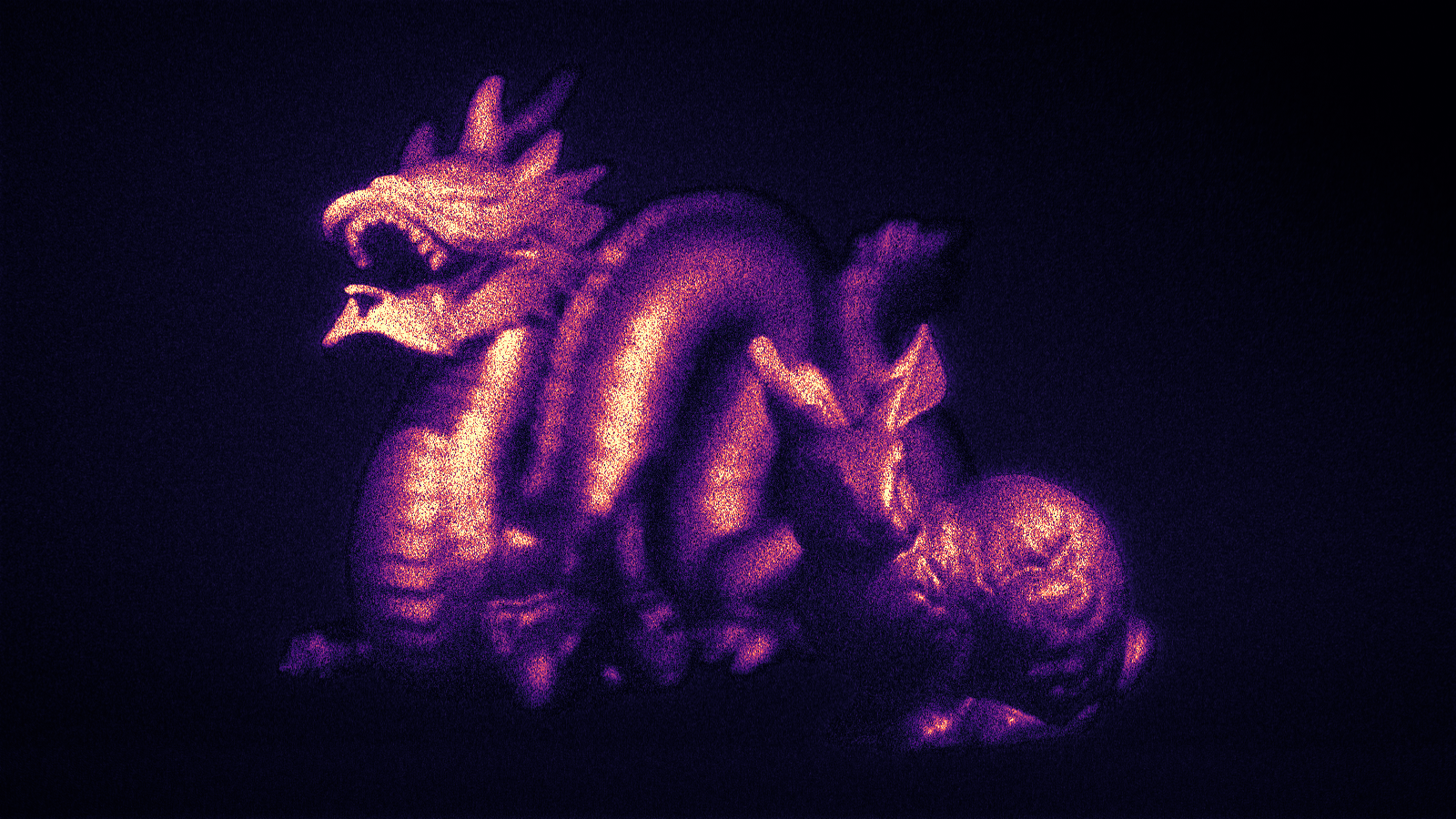
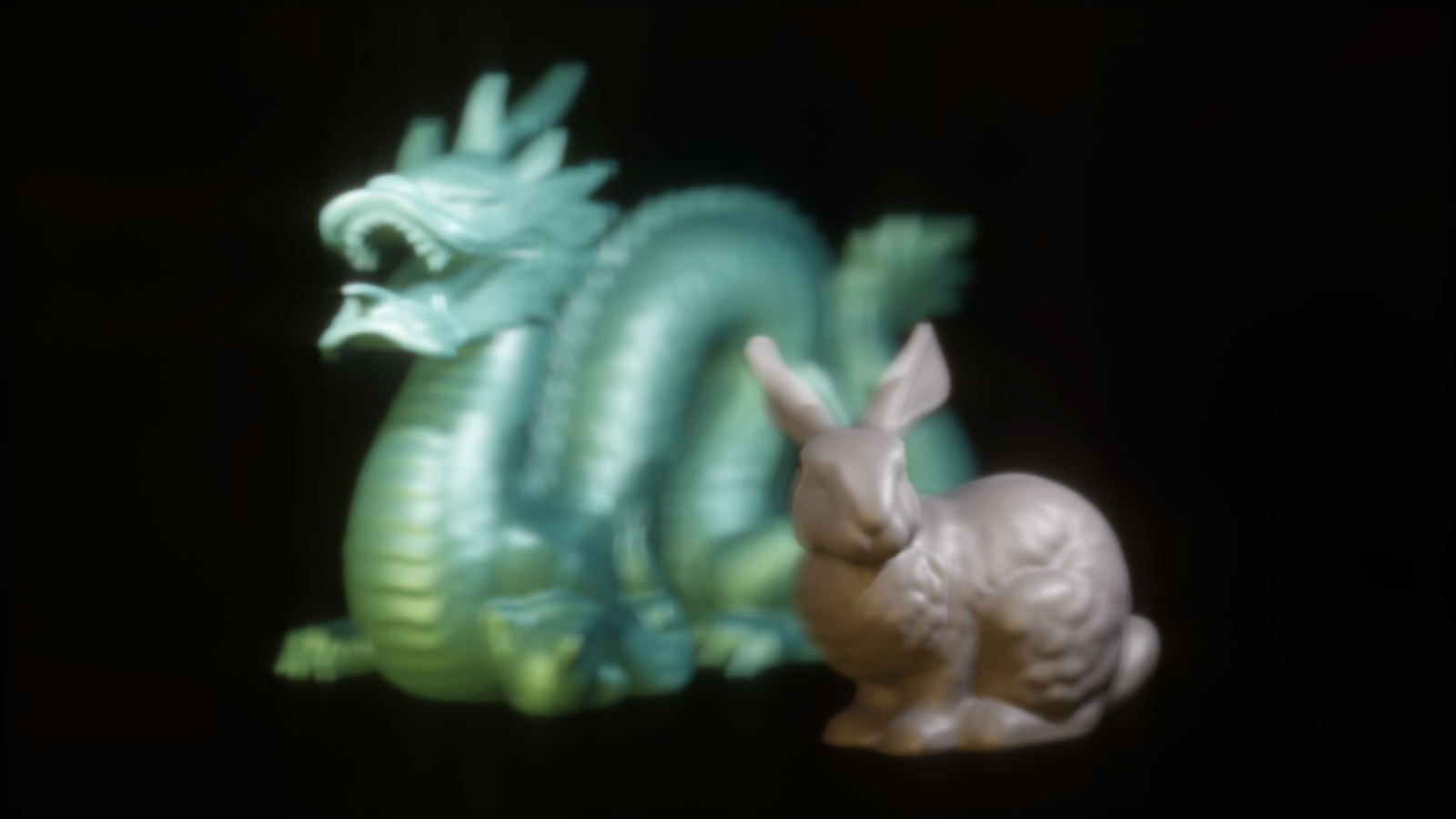
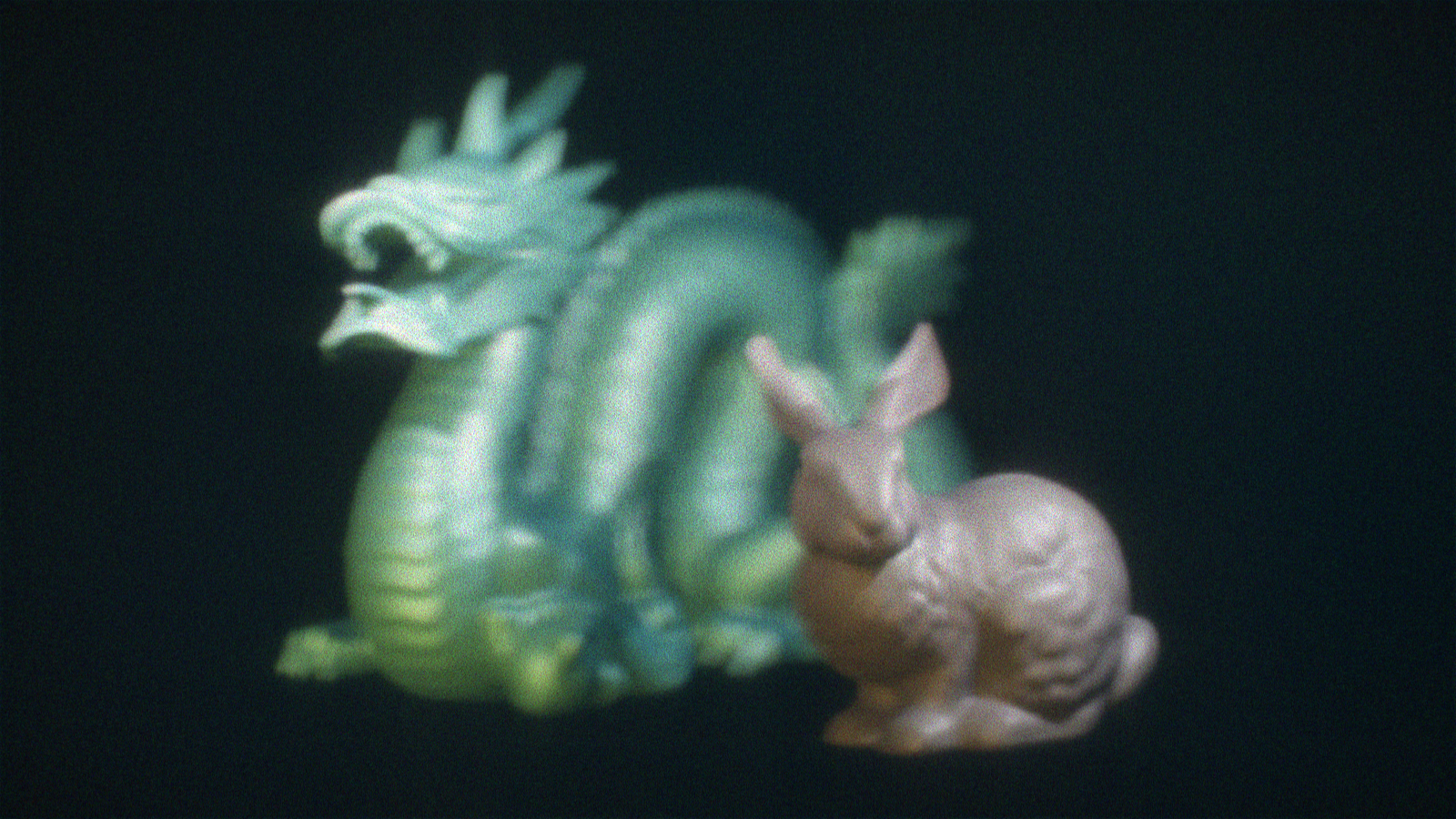
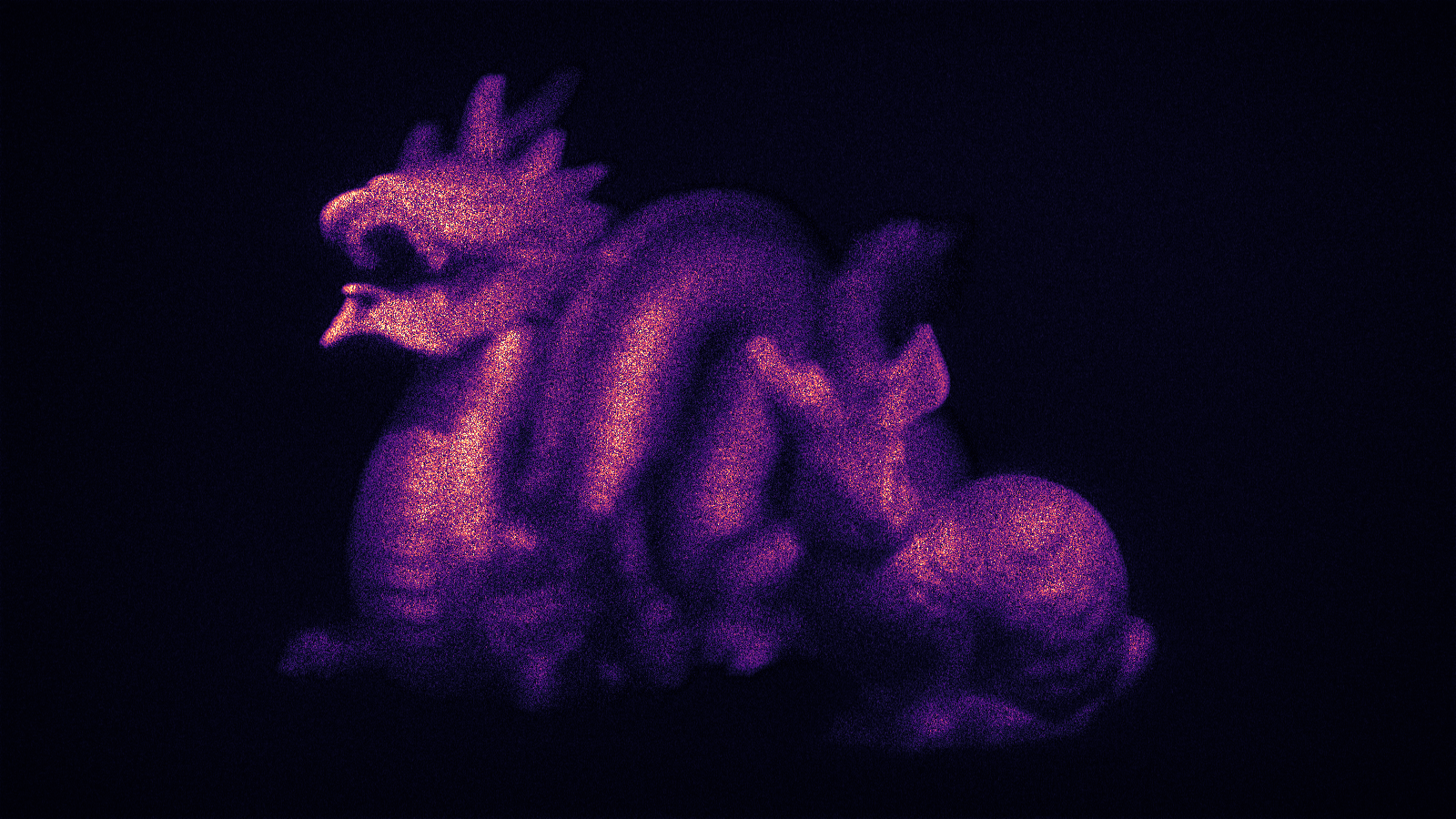
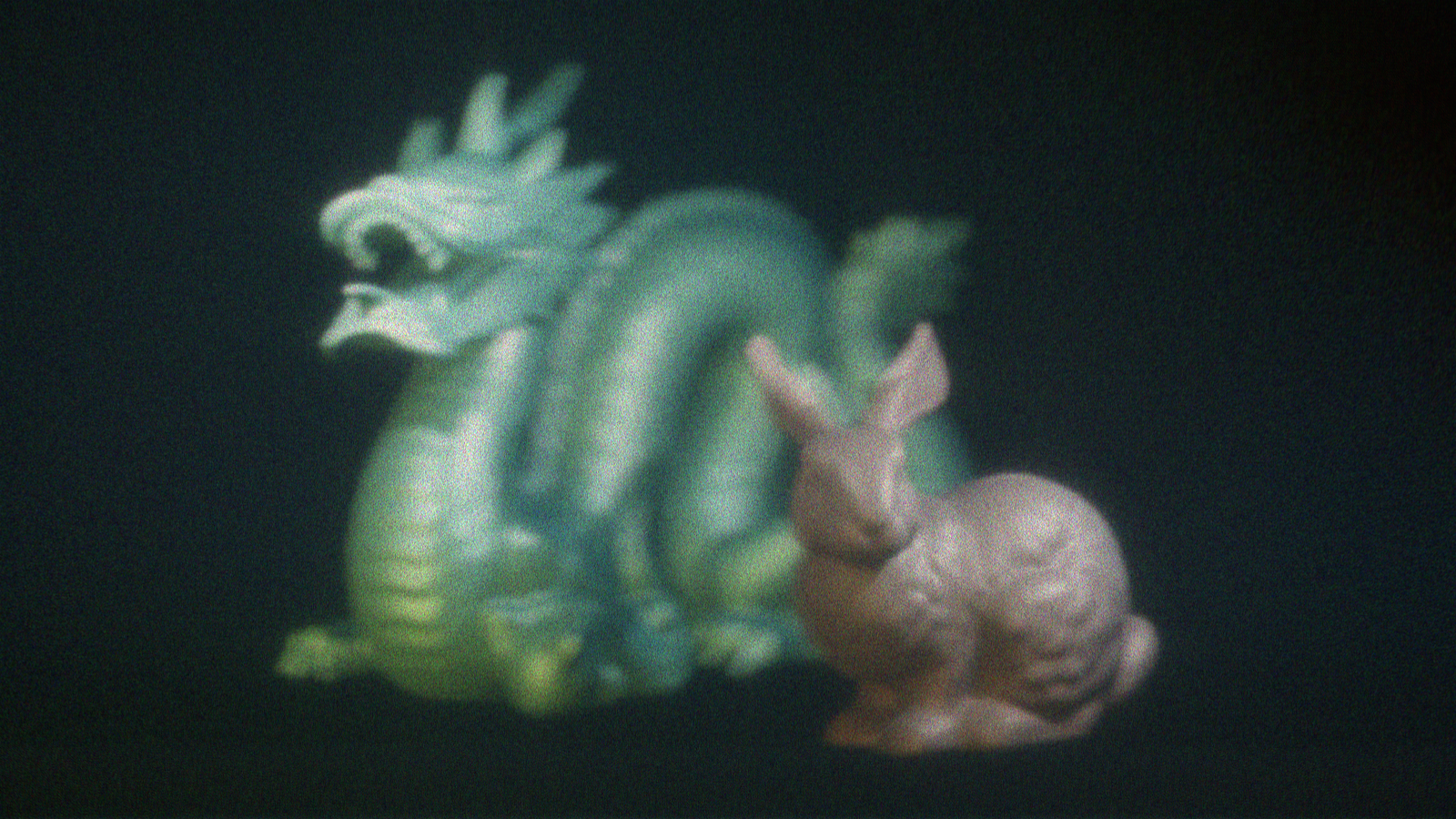
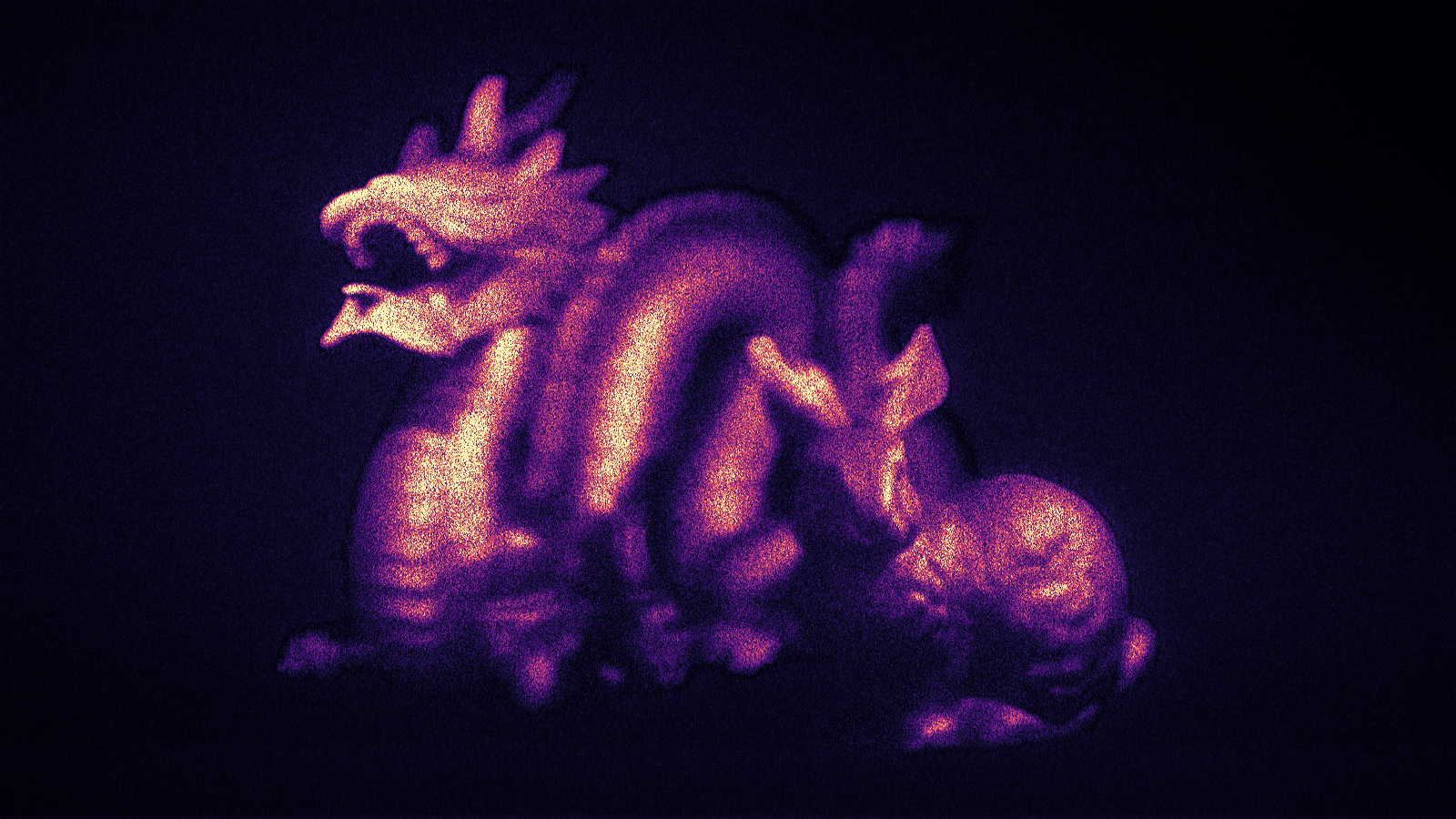
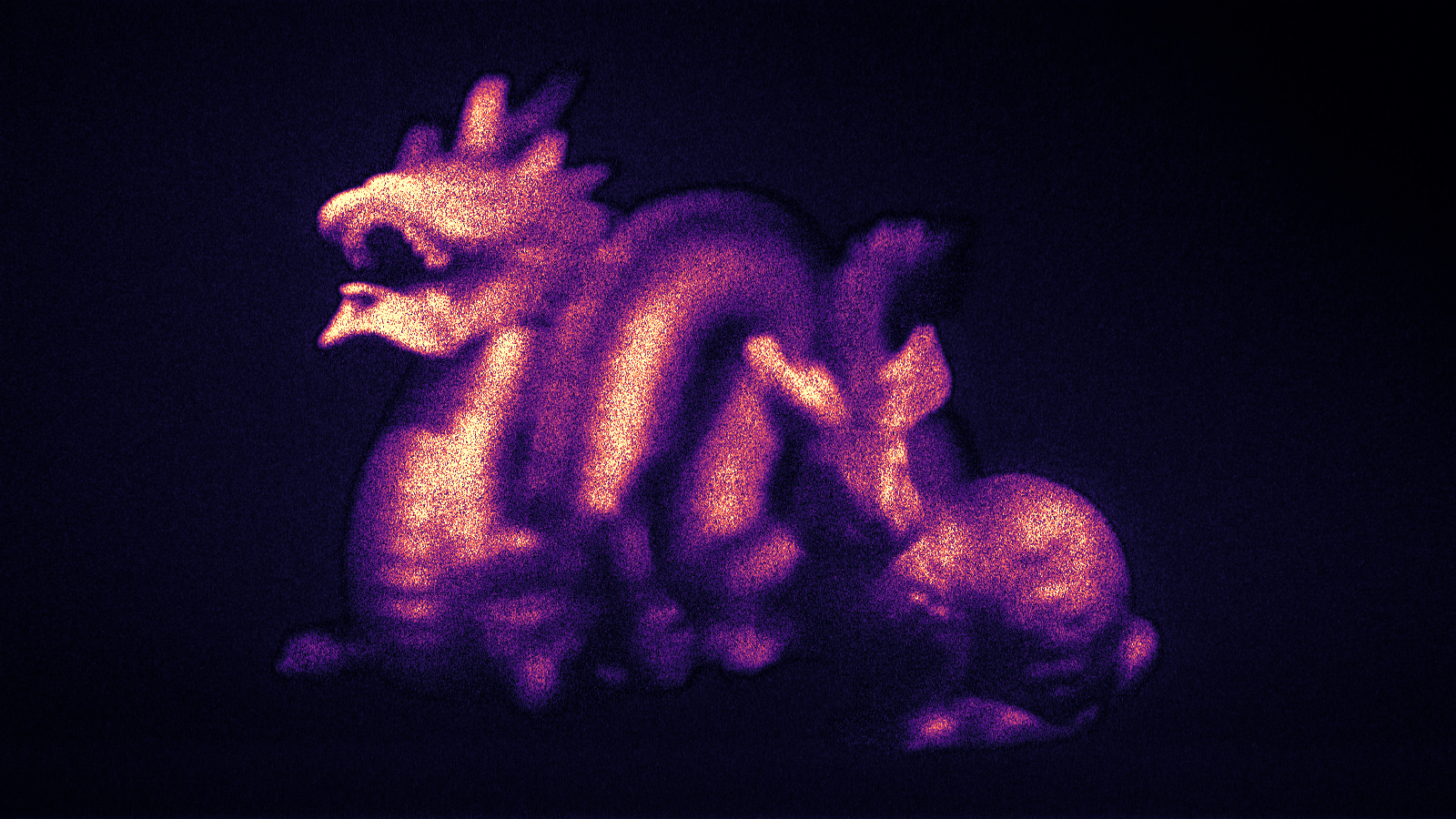
3D multi-plane: binary amplitude vs binary phase-only
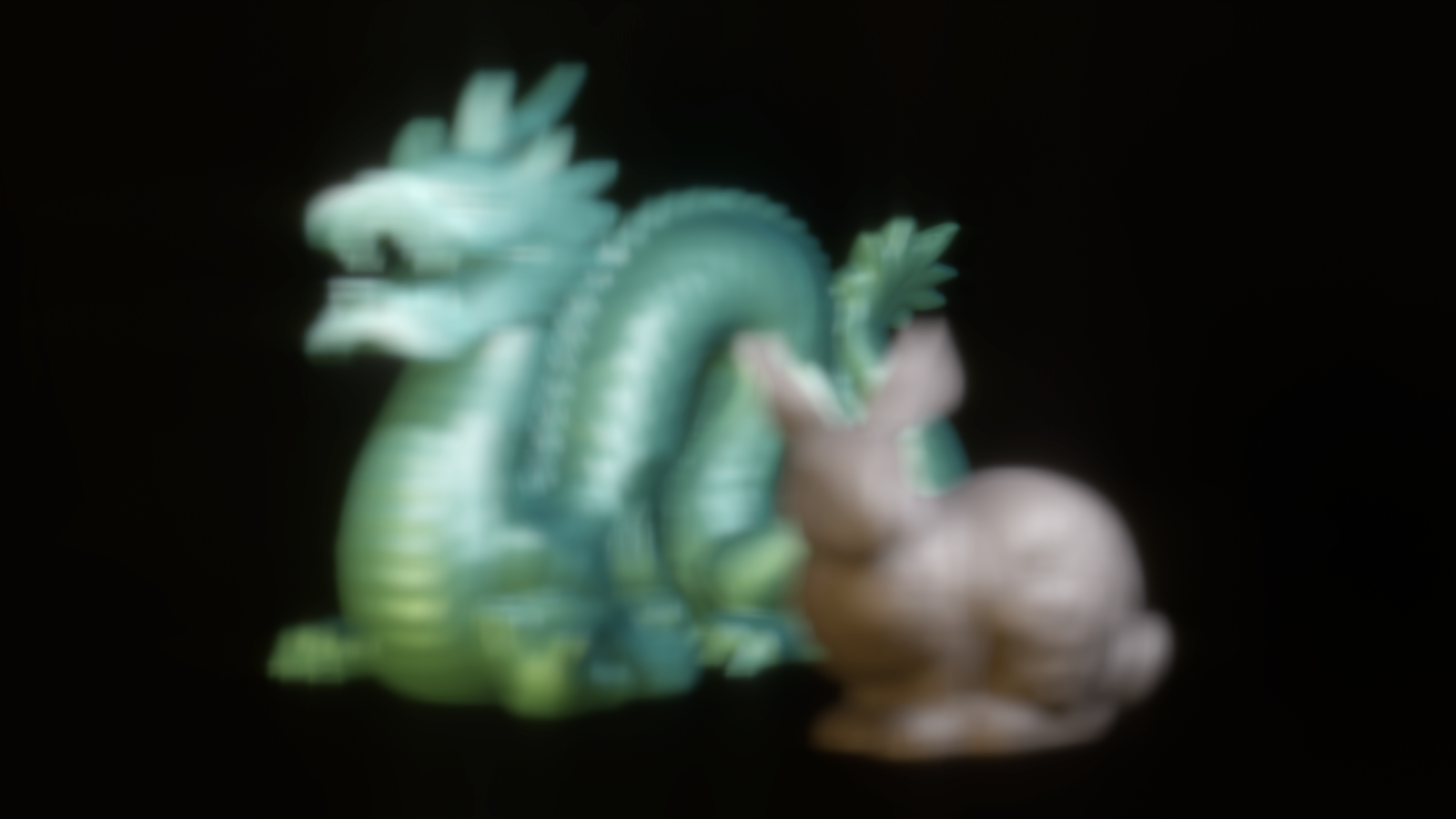
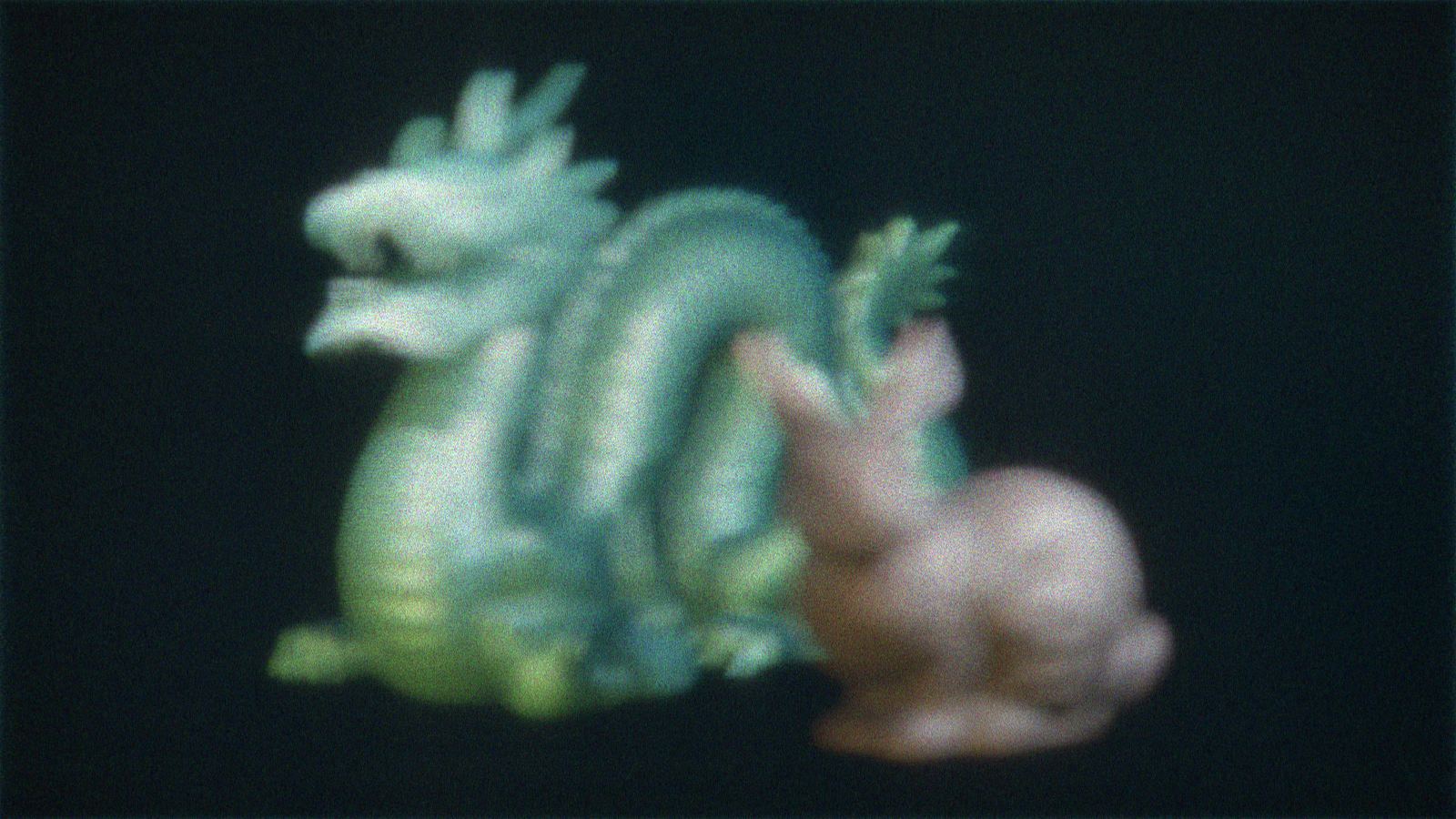
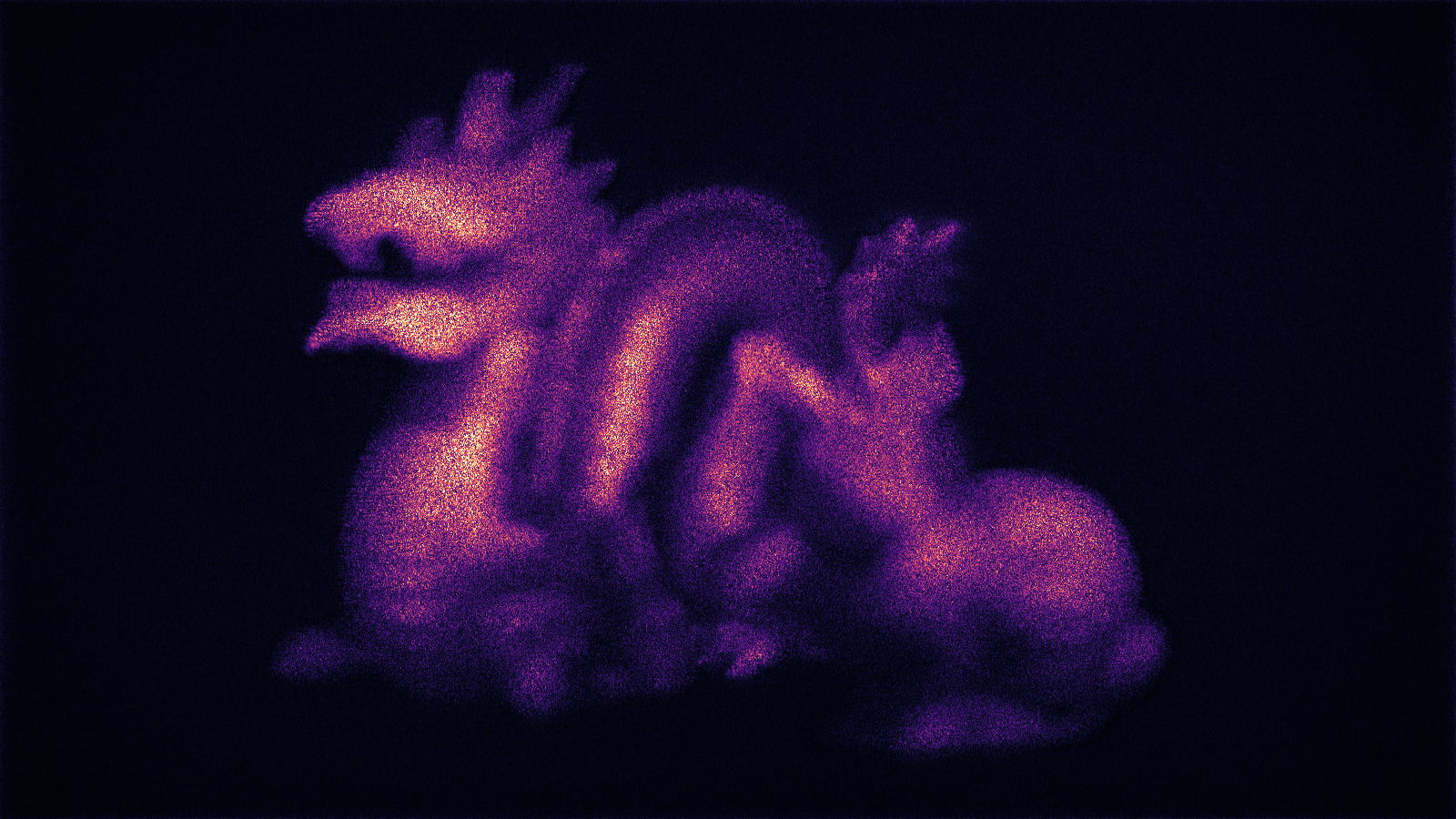
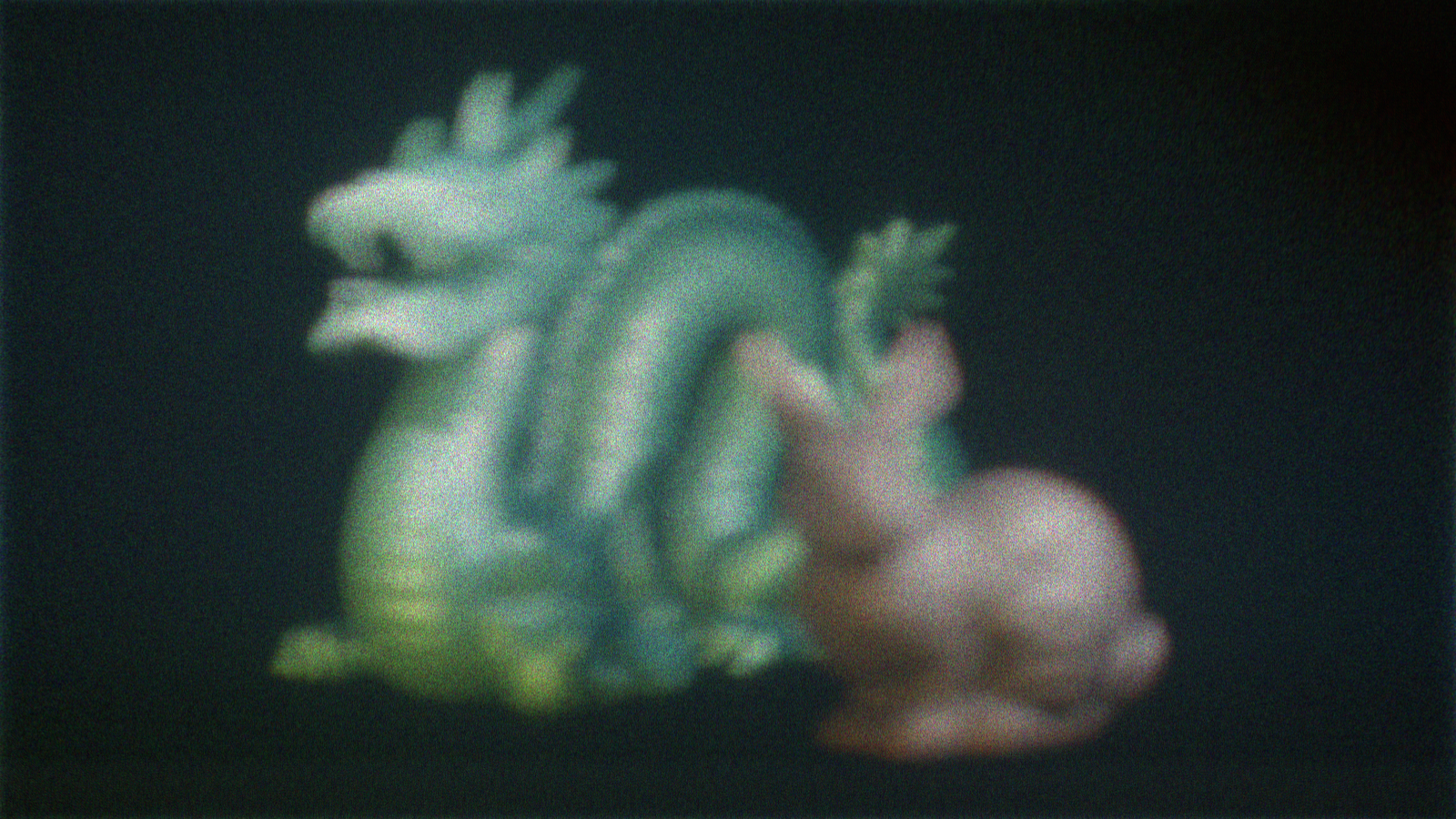
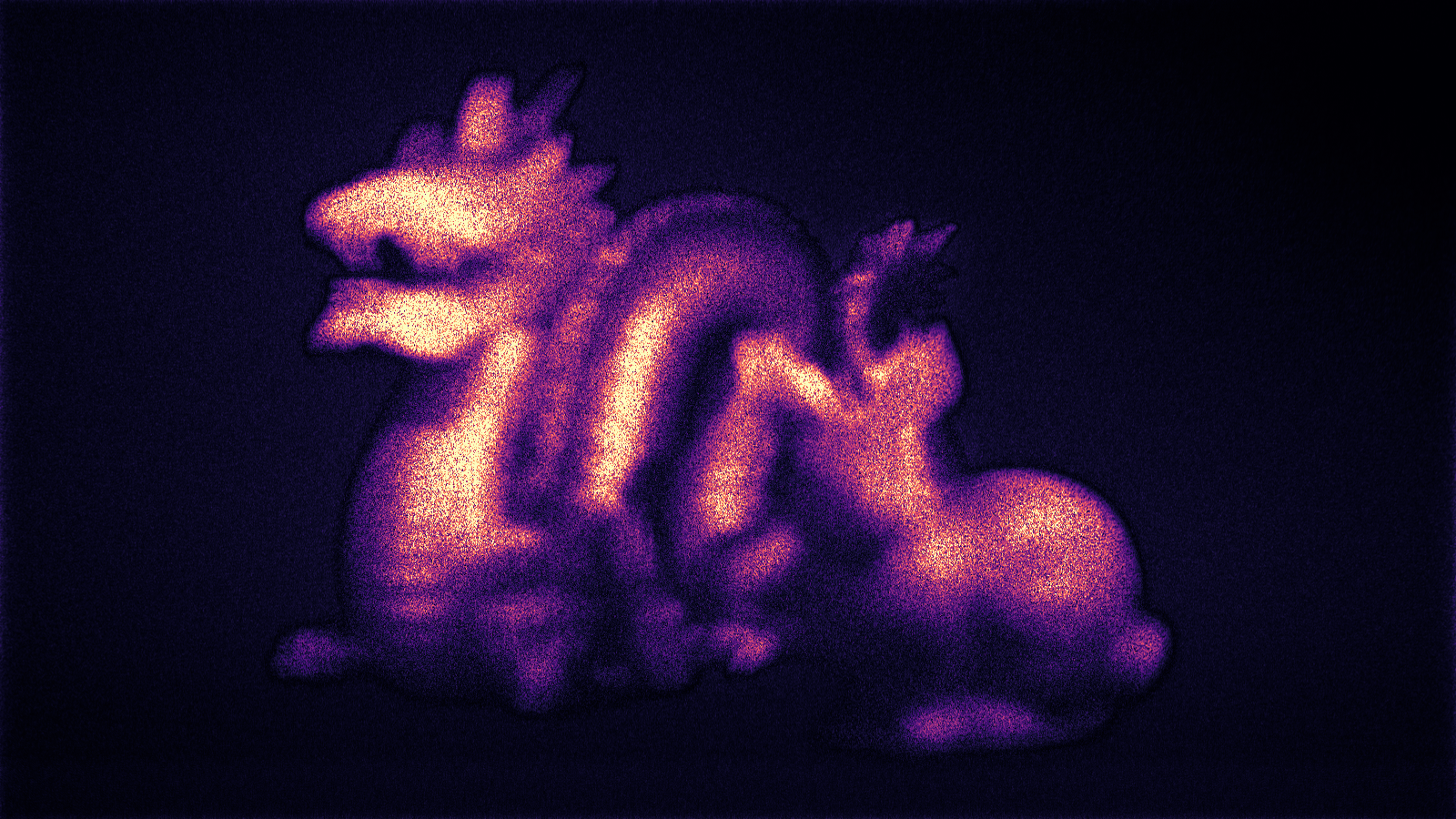
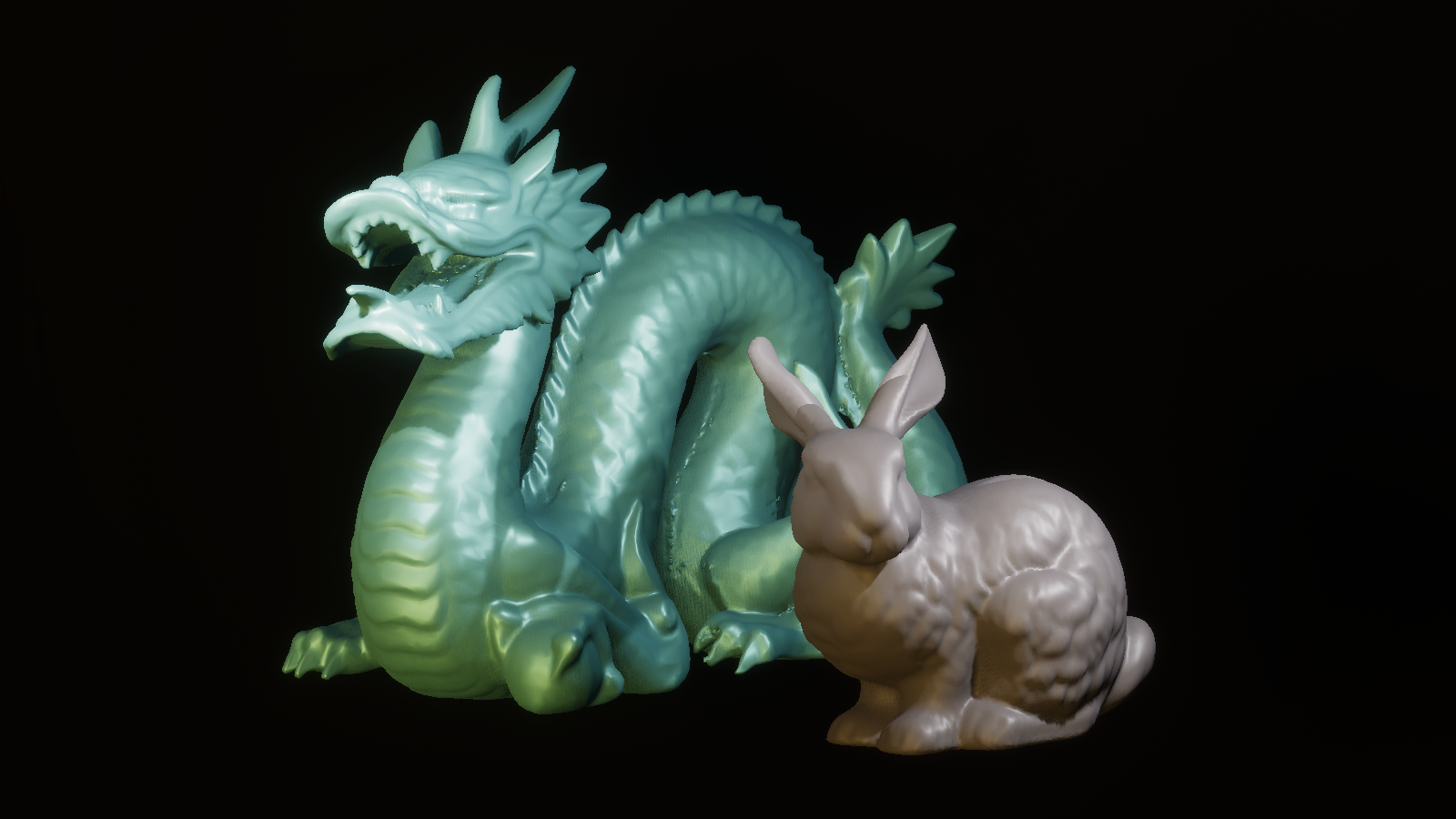
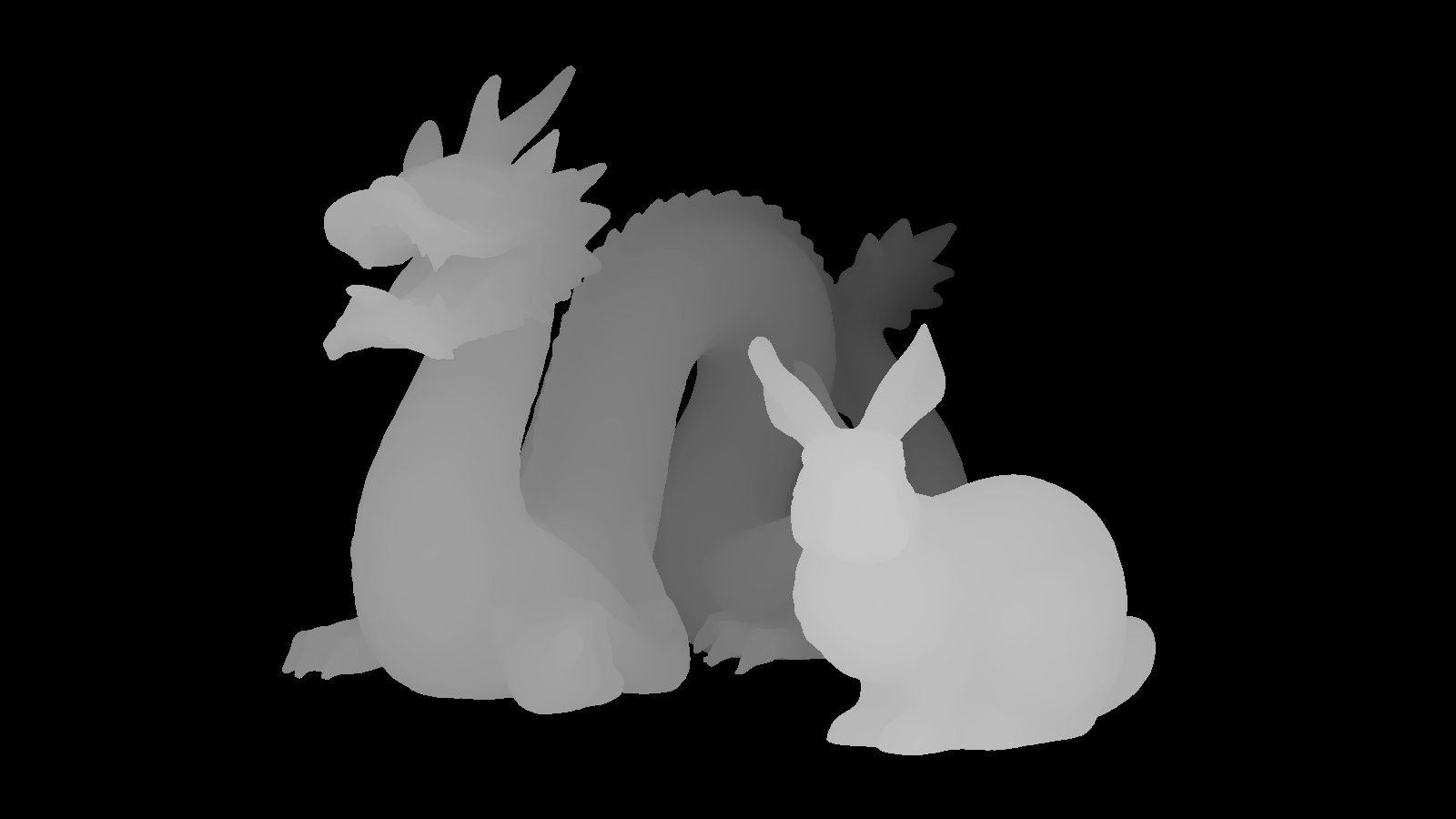
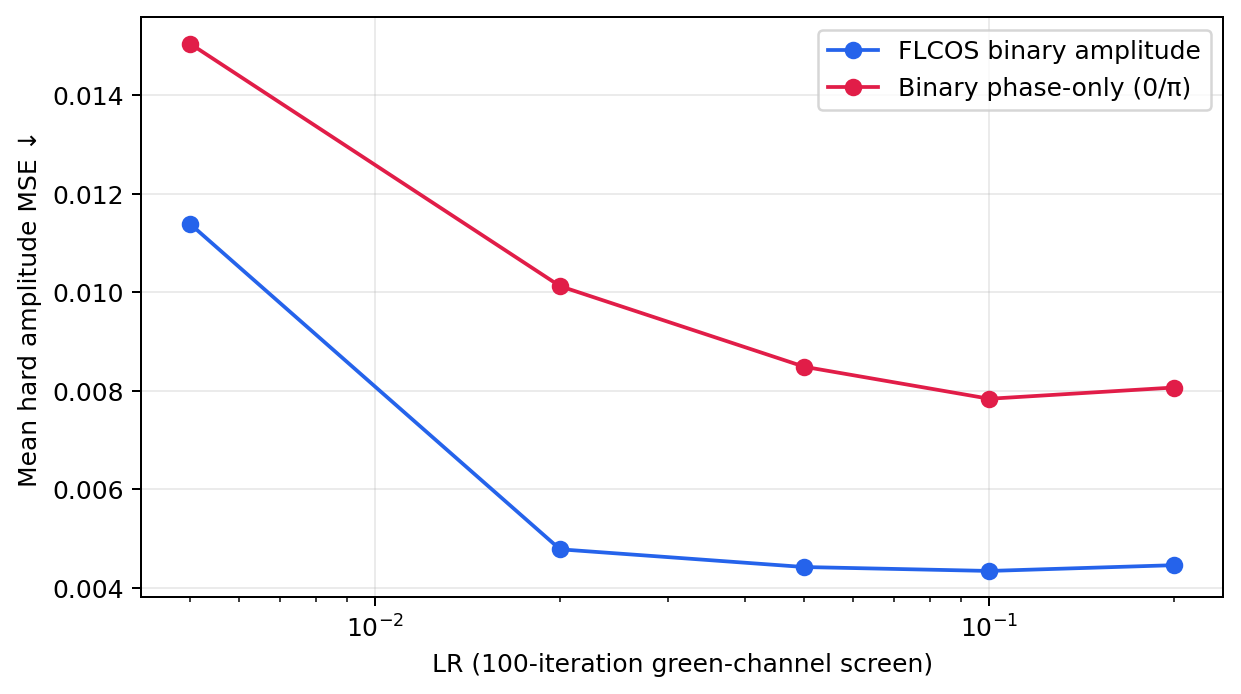
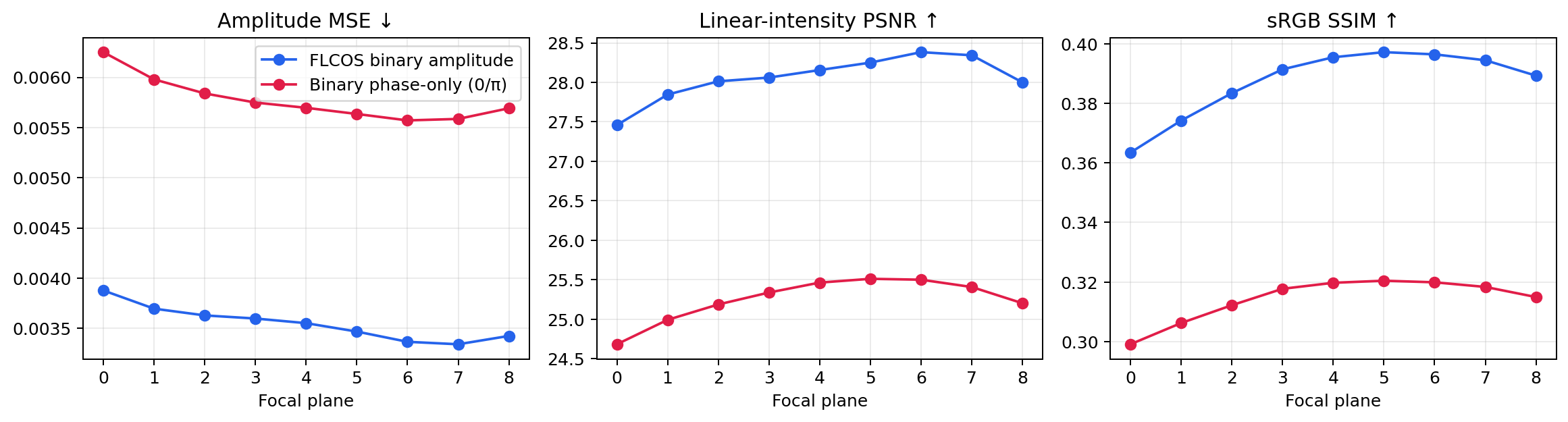
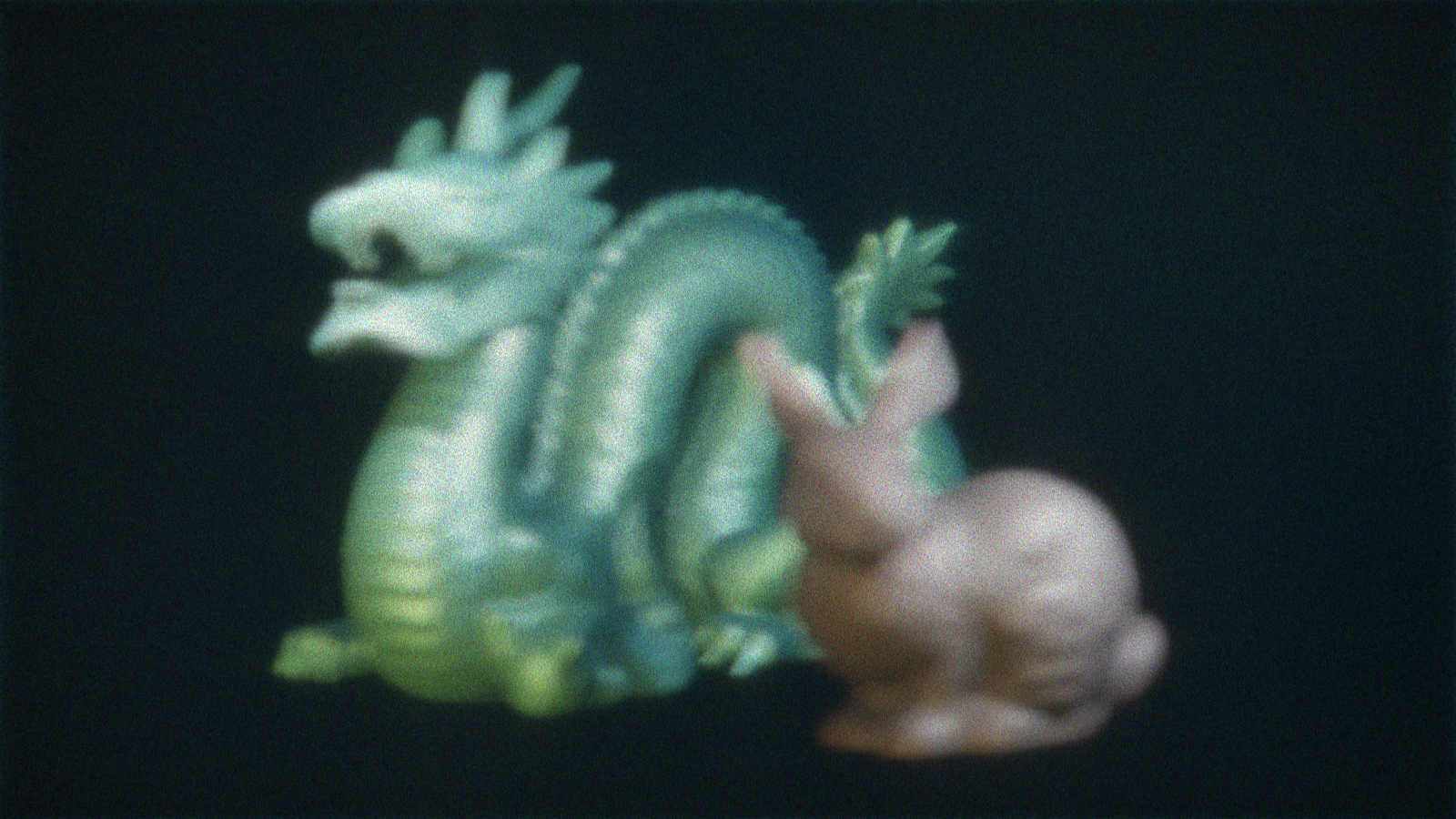
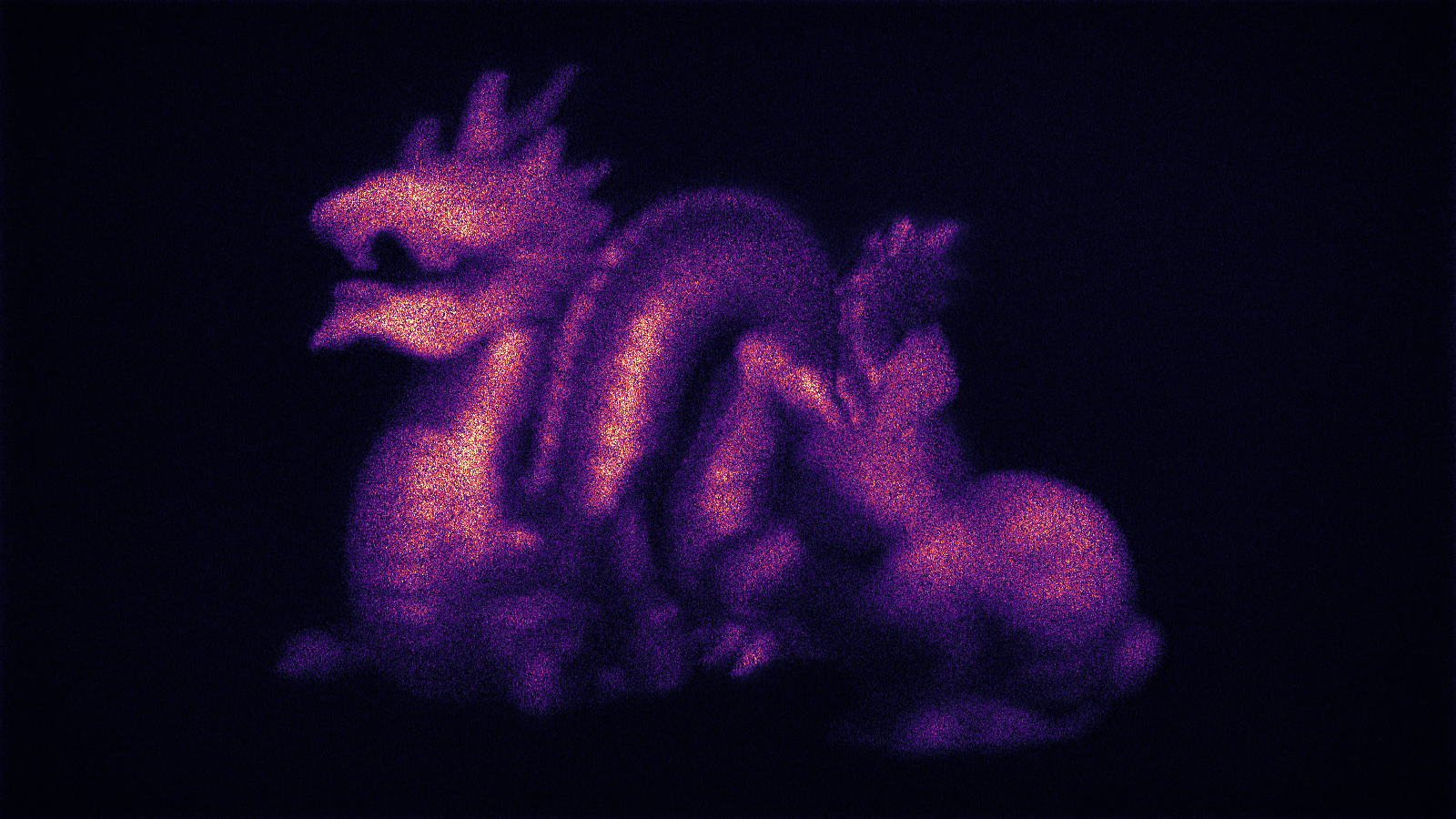
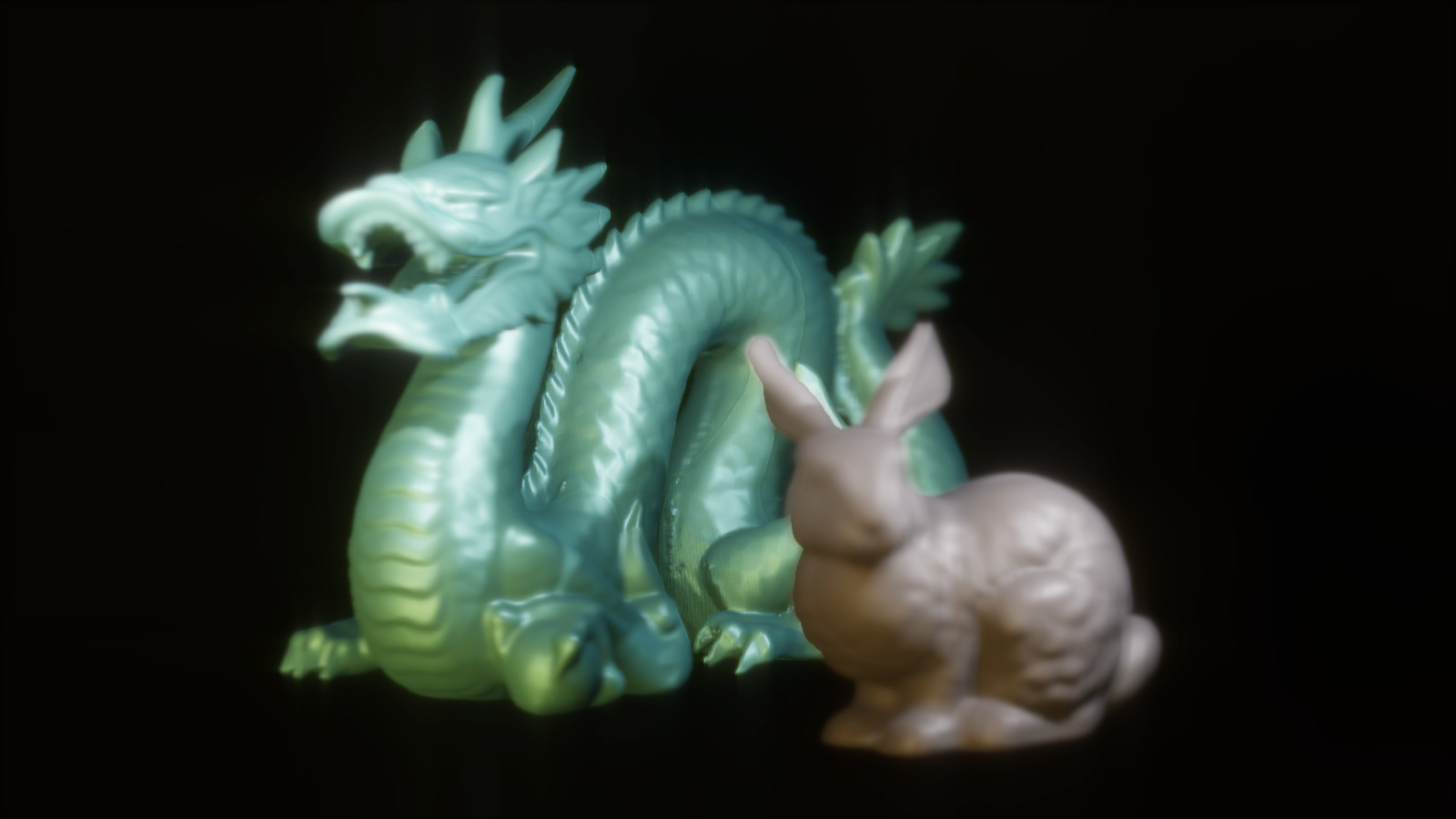
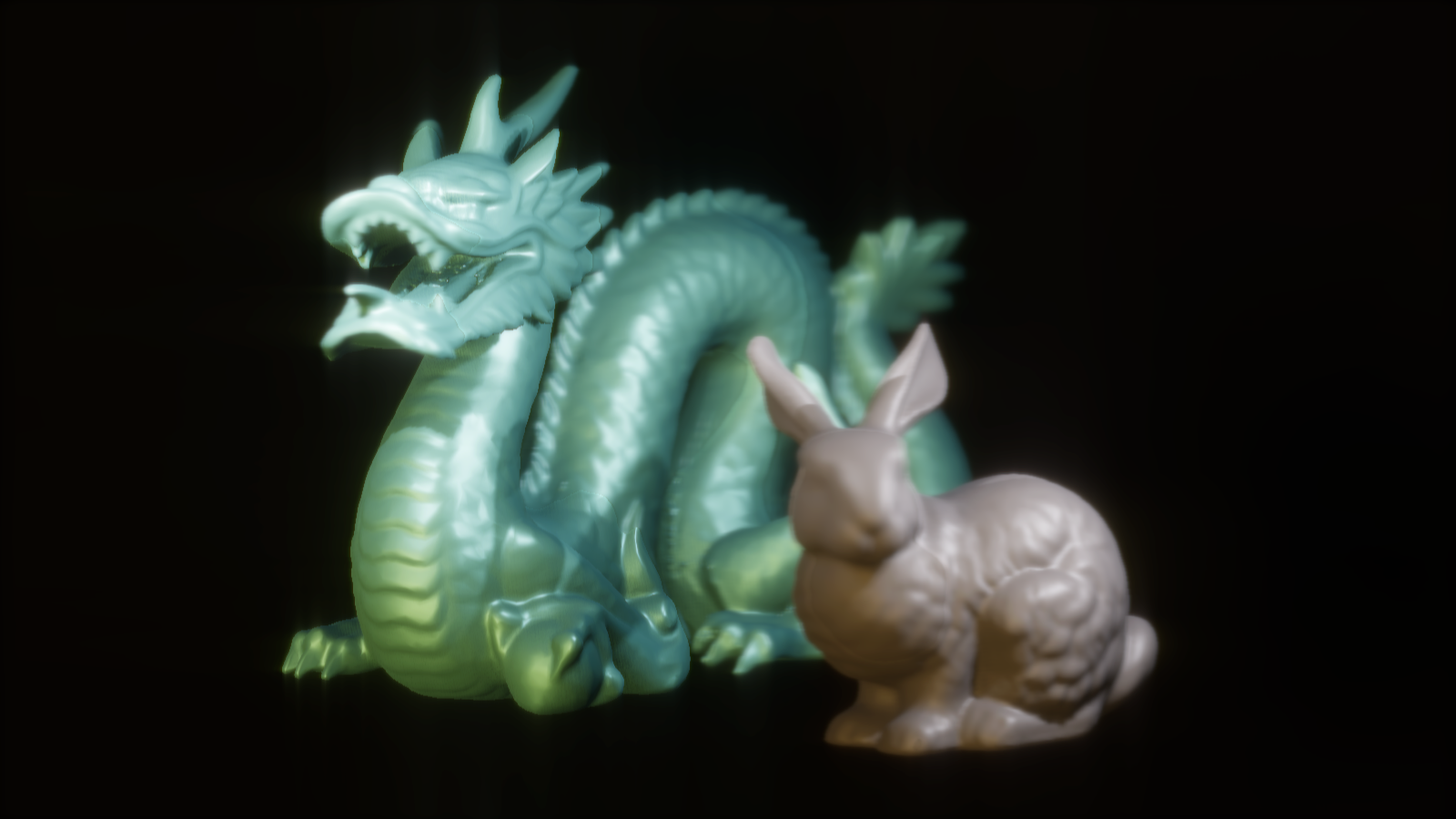
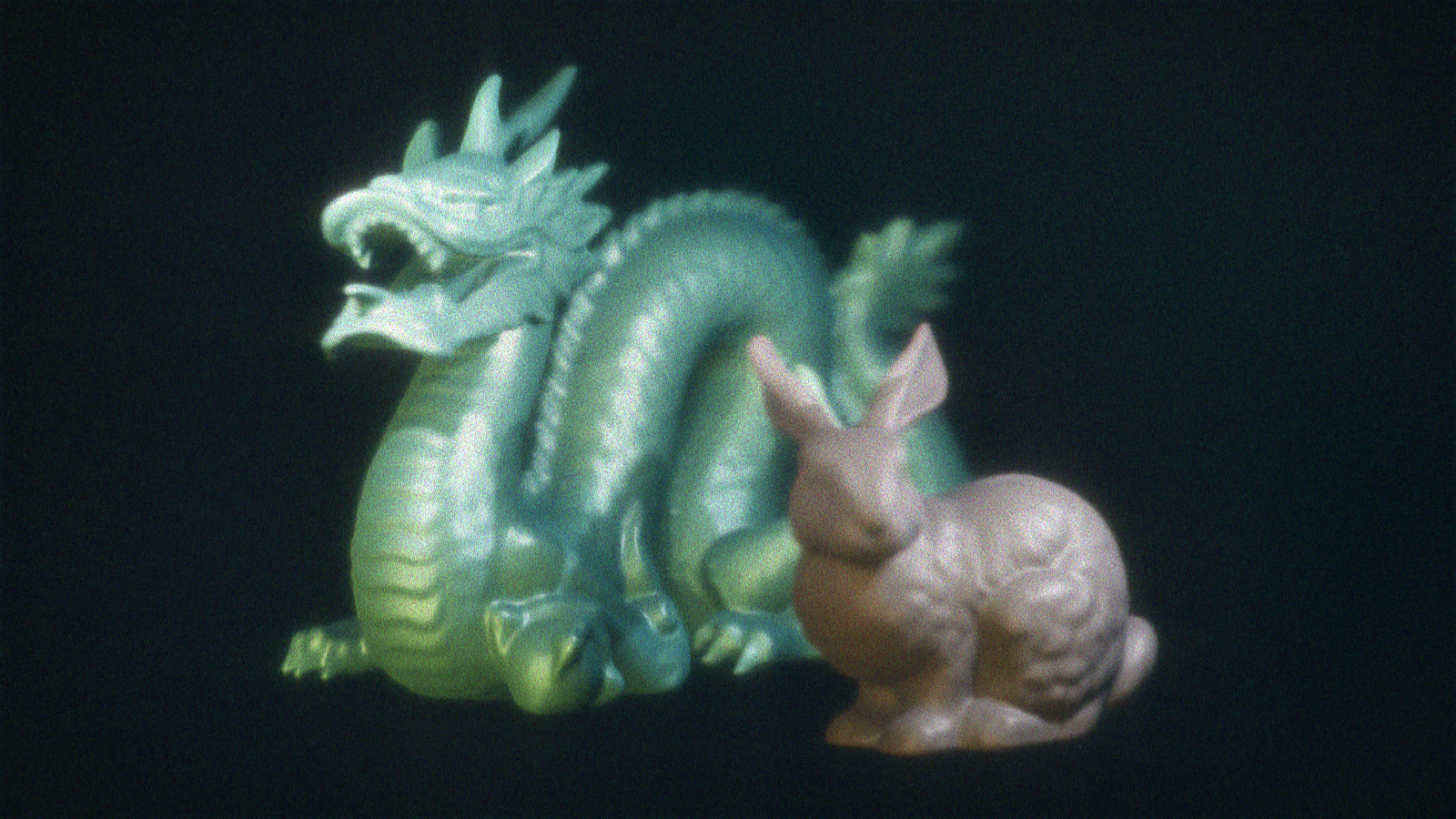
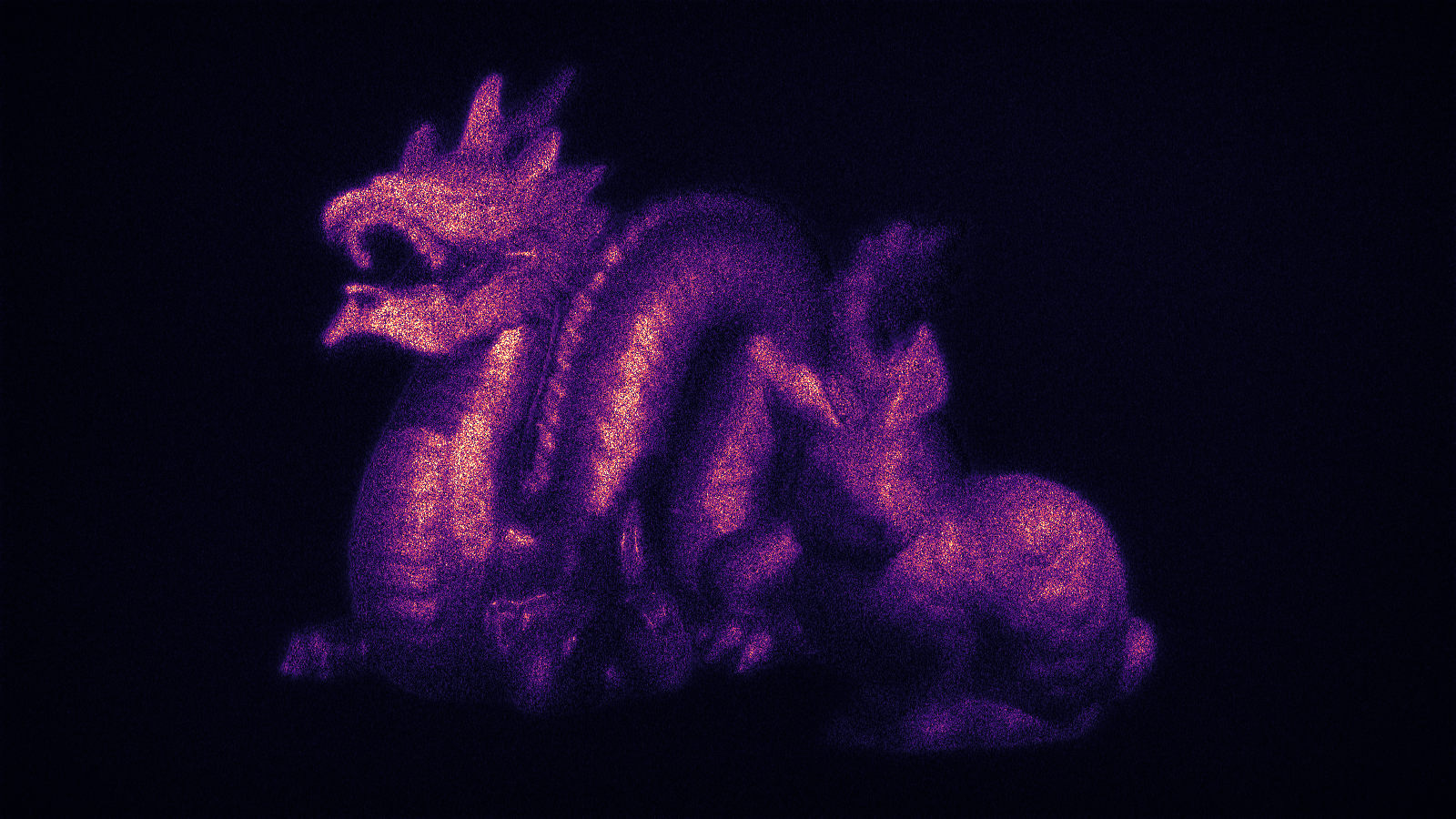
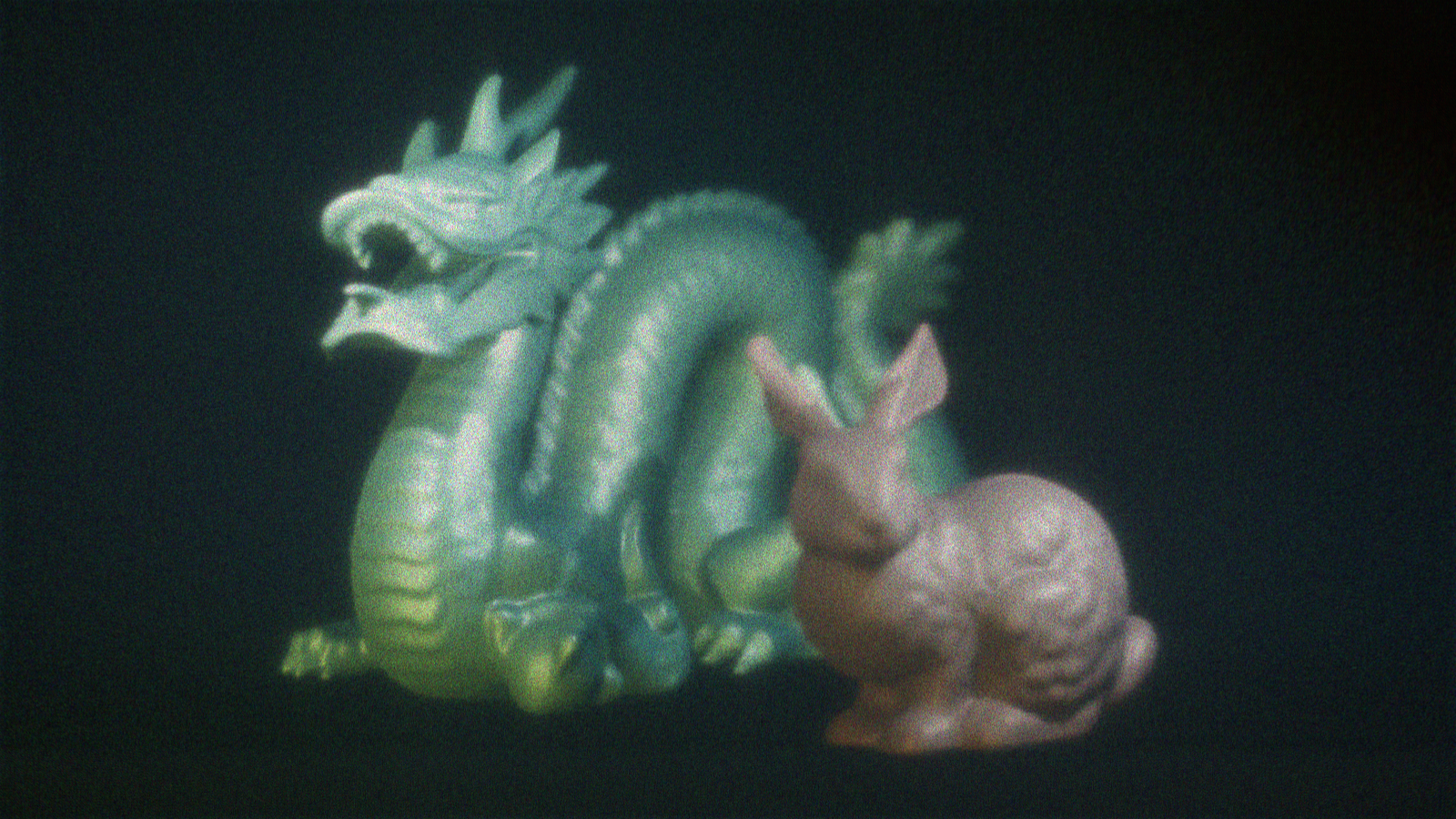
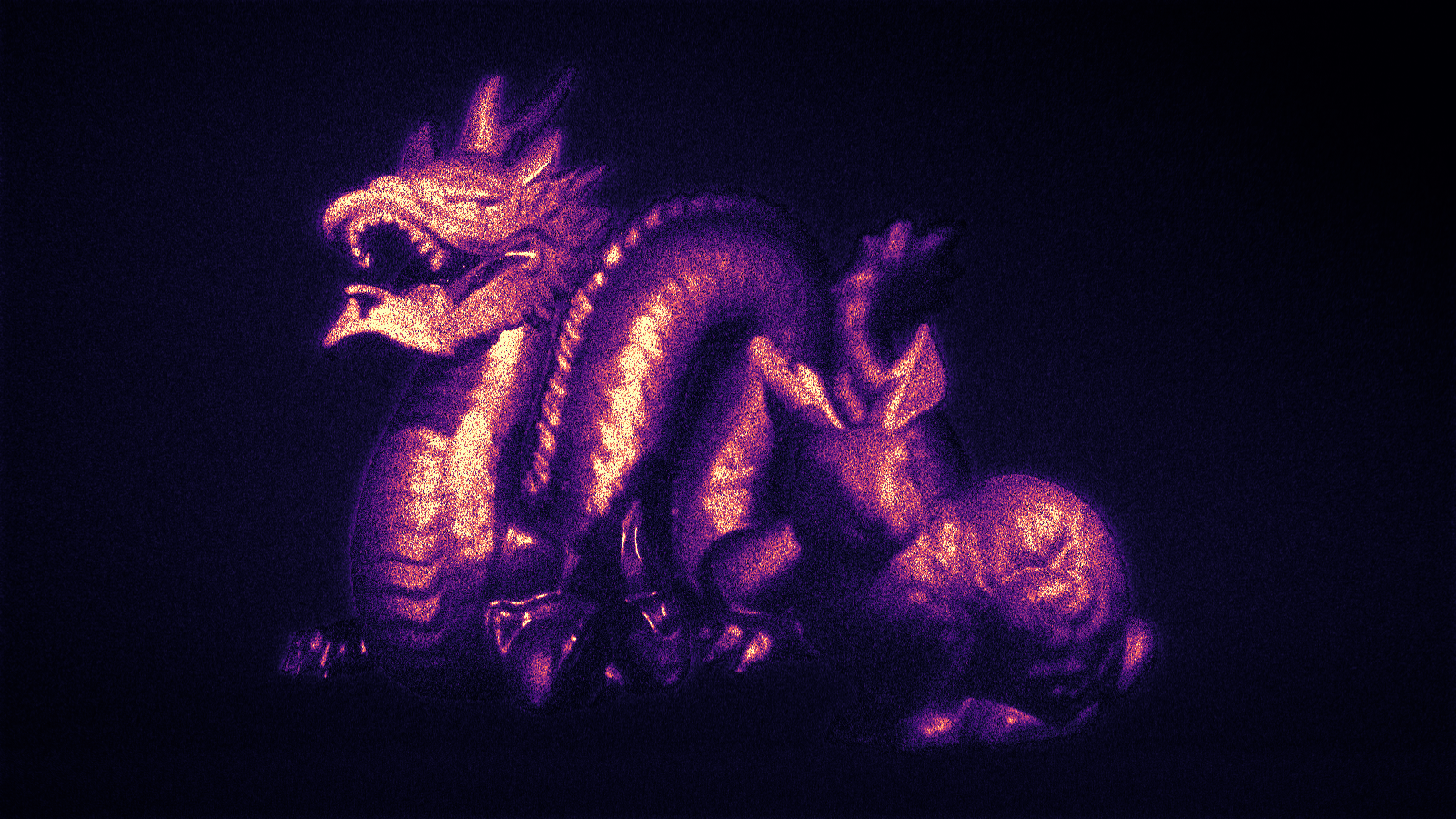
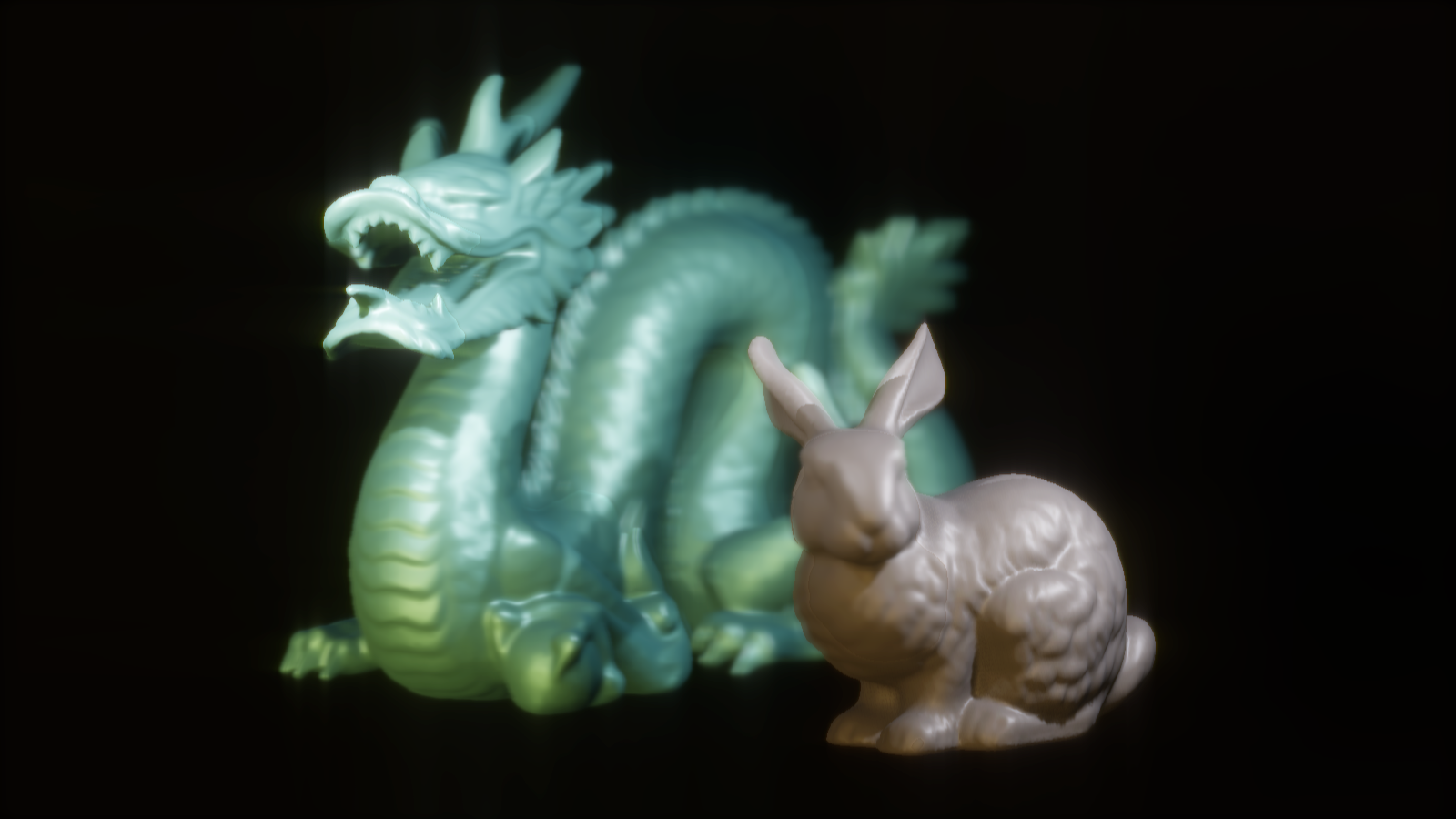
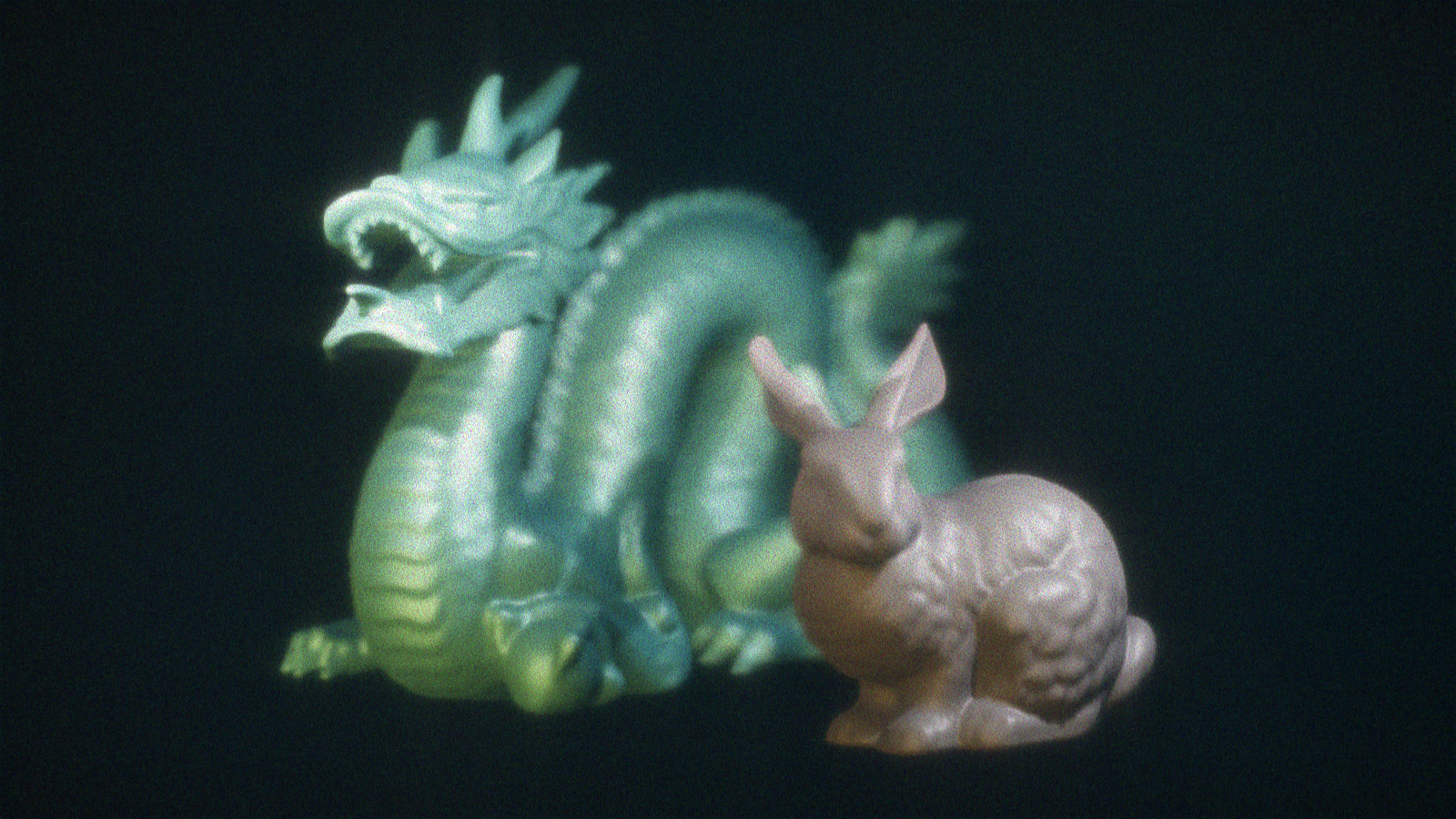
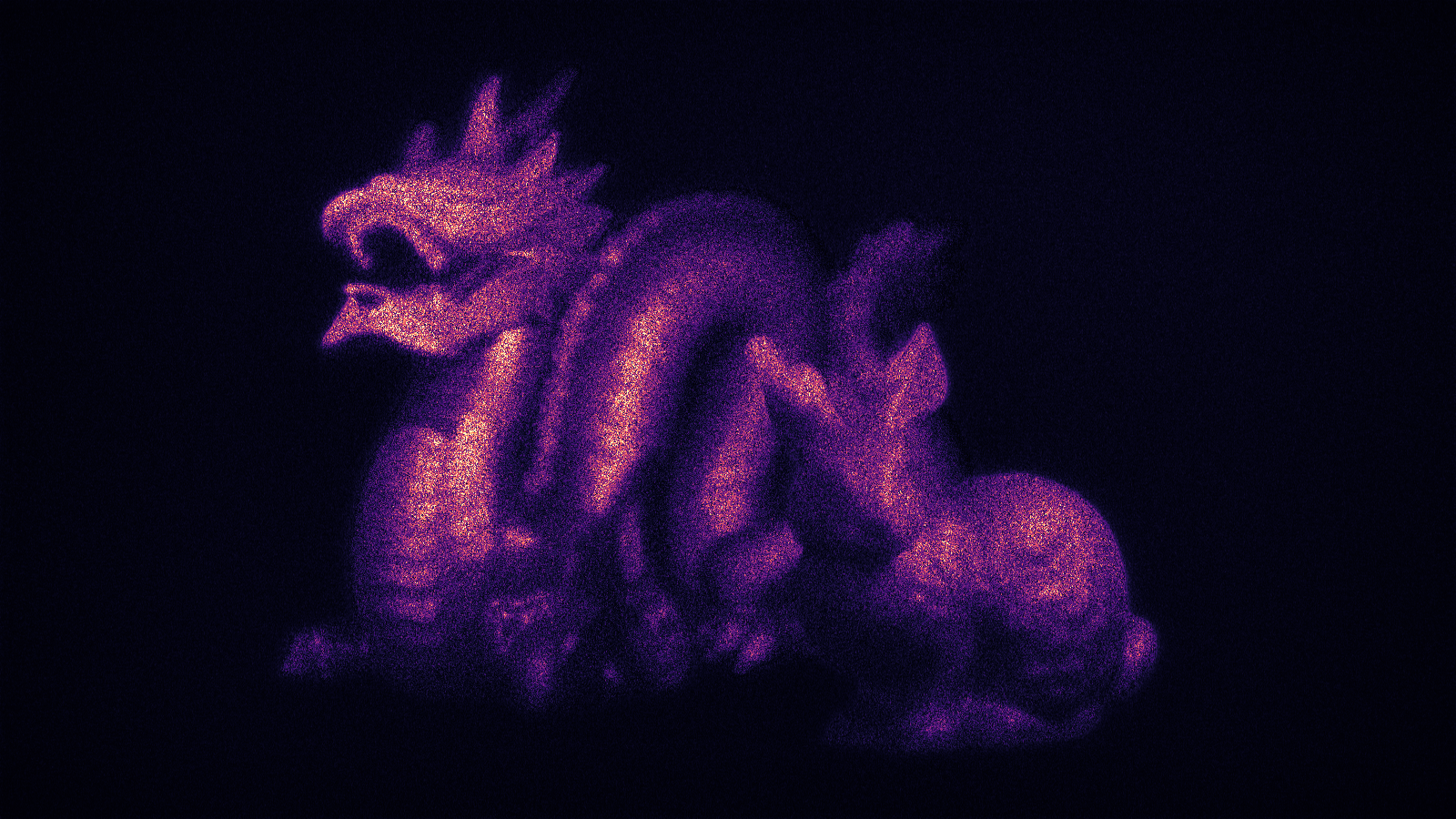
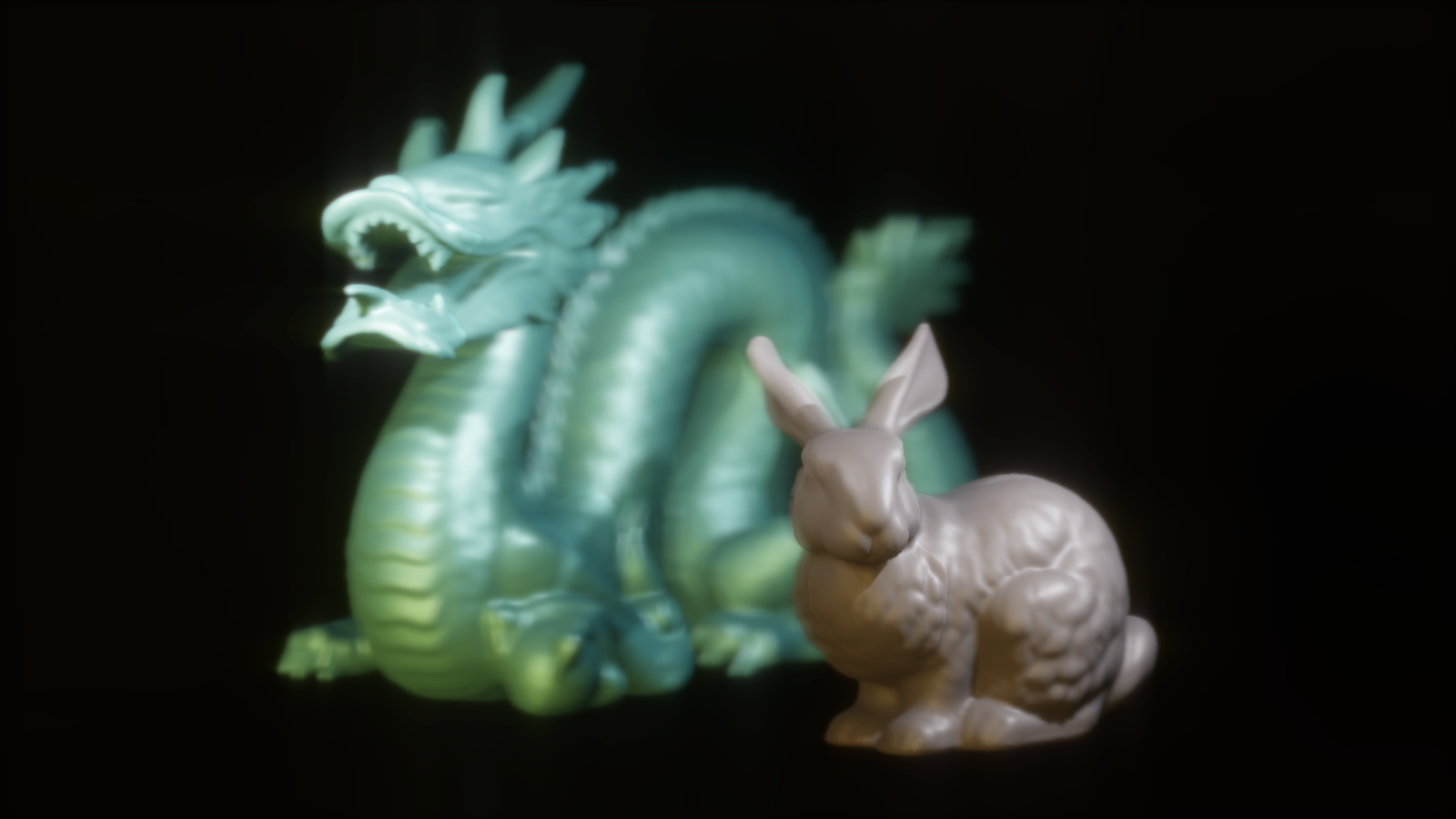
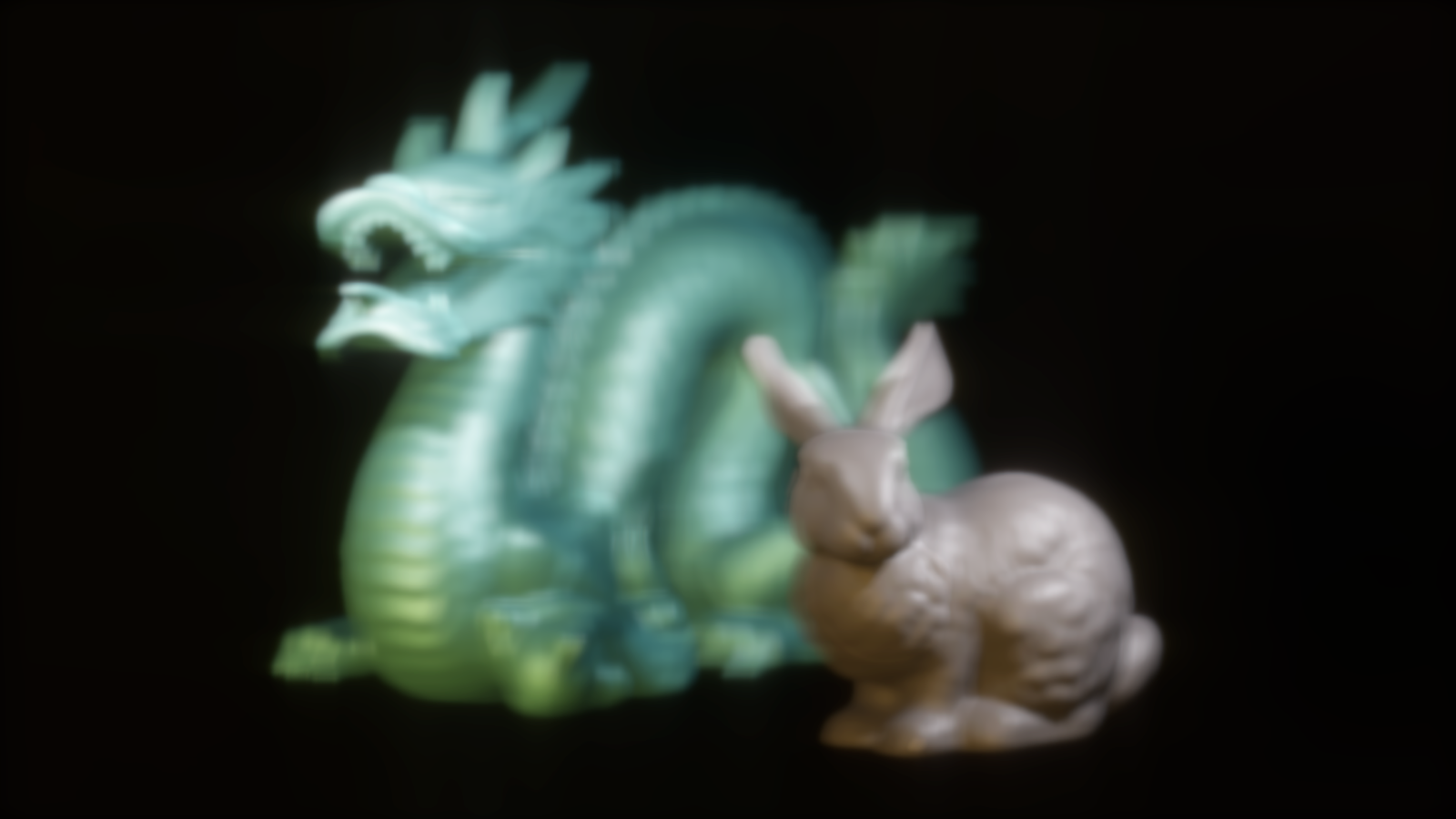
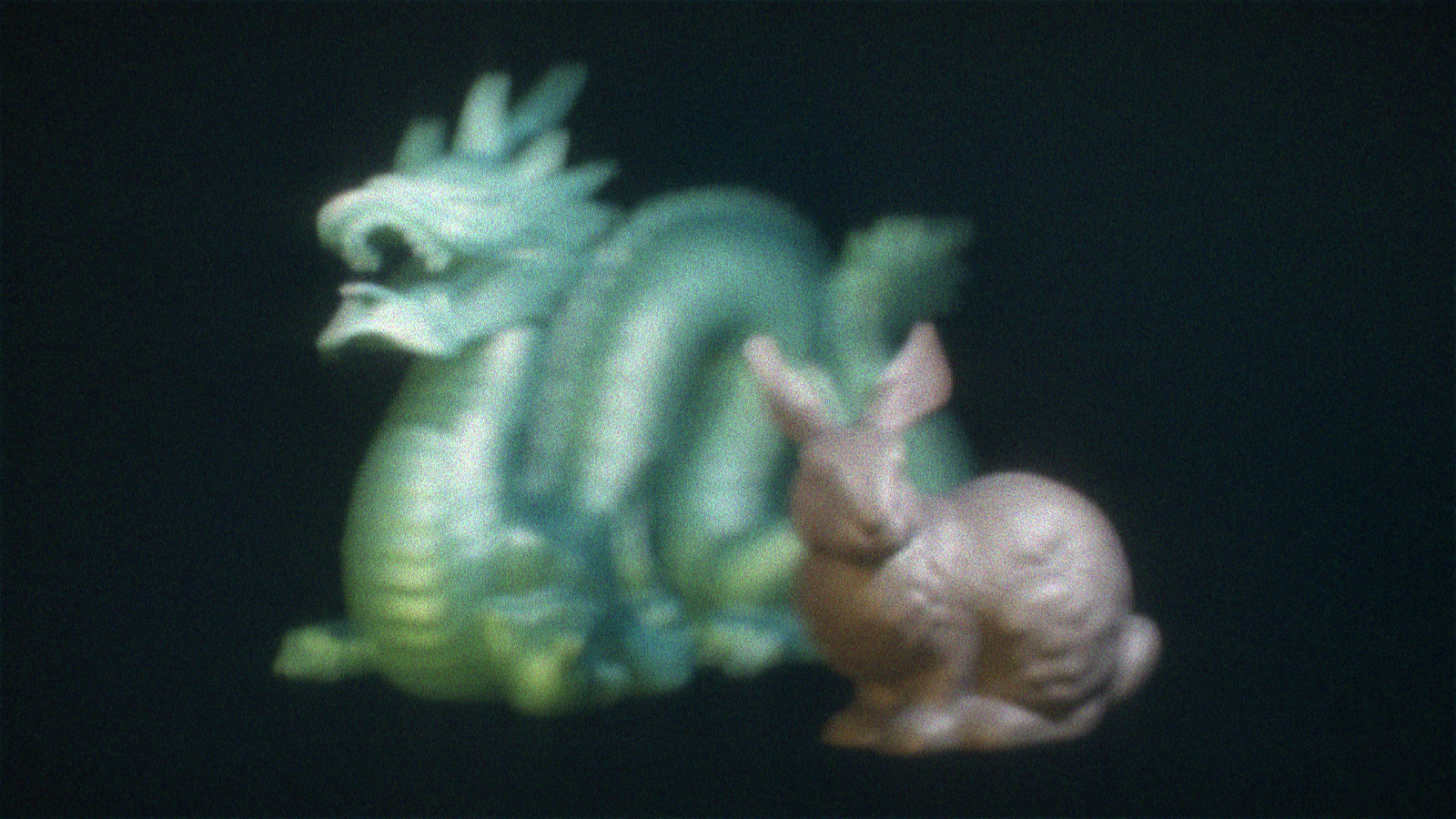
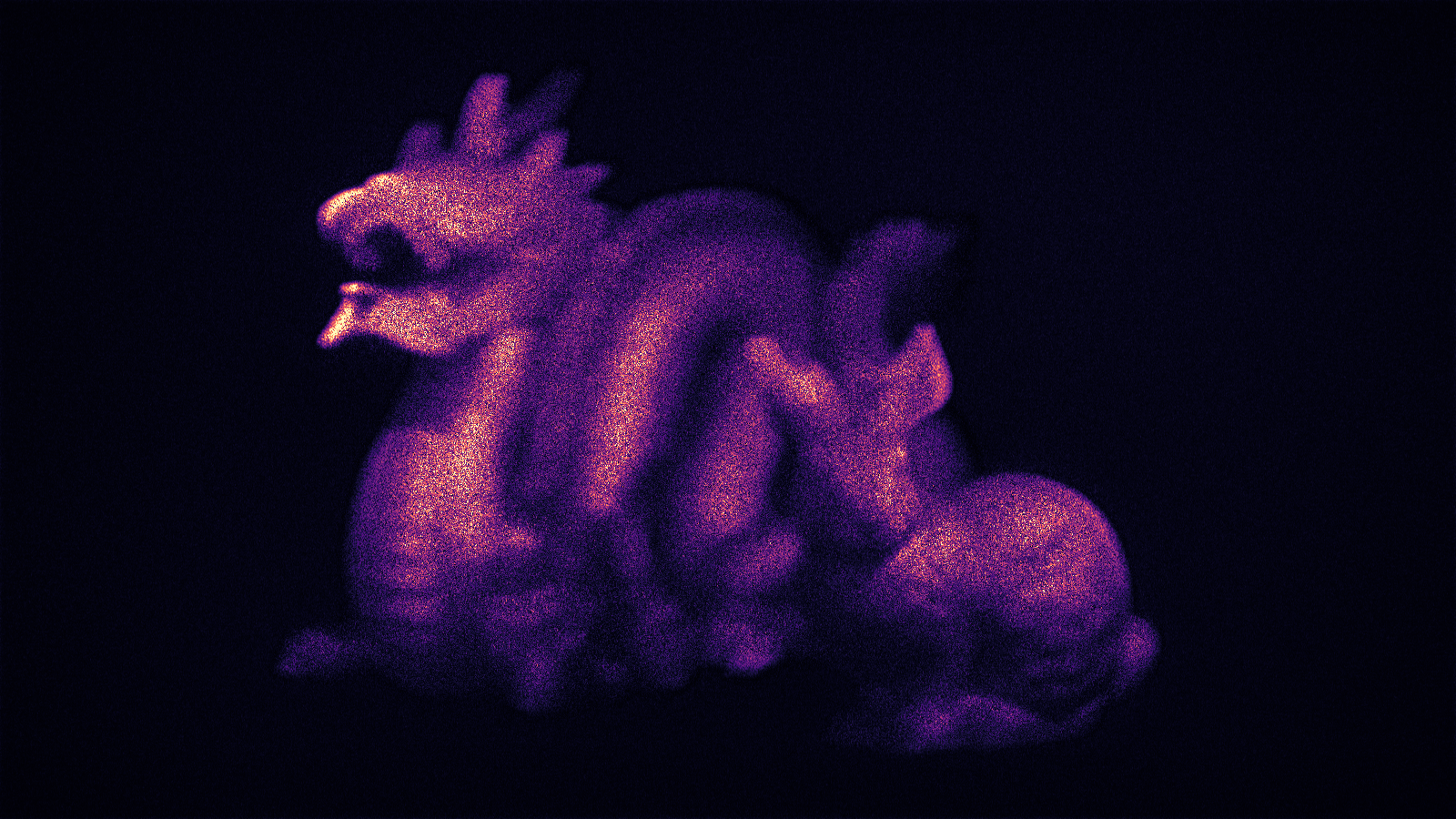
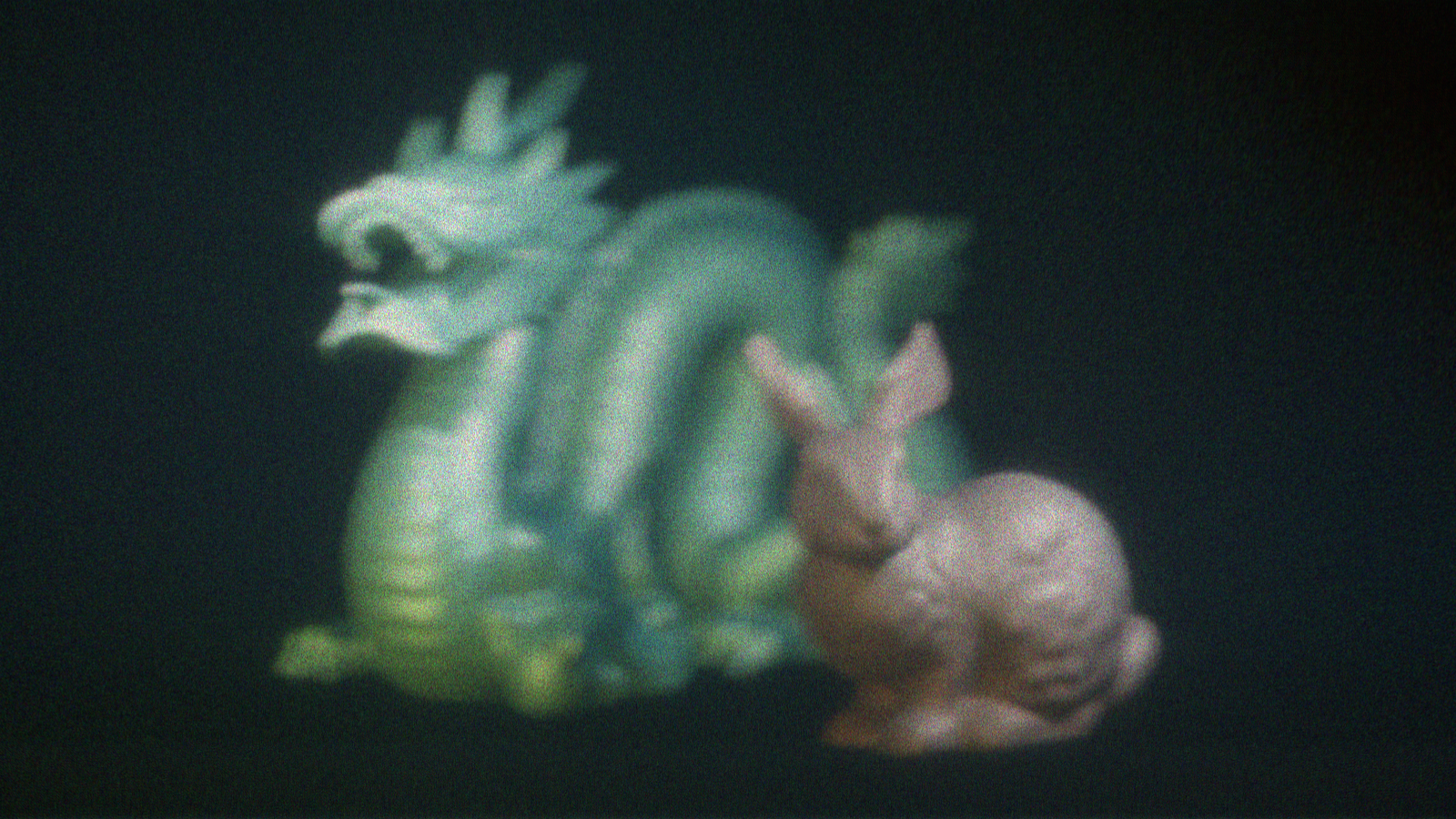
DragonBunny RGB-D, 9 focal planes, one shared 8-frame hologram set, 300 iterations. Each hardware mode independently selects LR from the same five-point 100-iteration screen. Targets are loaded as linear optical amplitude; display previews square to intensity and apply sRGB only for viewing.
0.1selected LR, both modes
28.06 dBFLCOS mean PSNR
25.25 dBphase-only mean PSNR
1.63×phase/L2 amplitude error
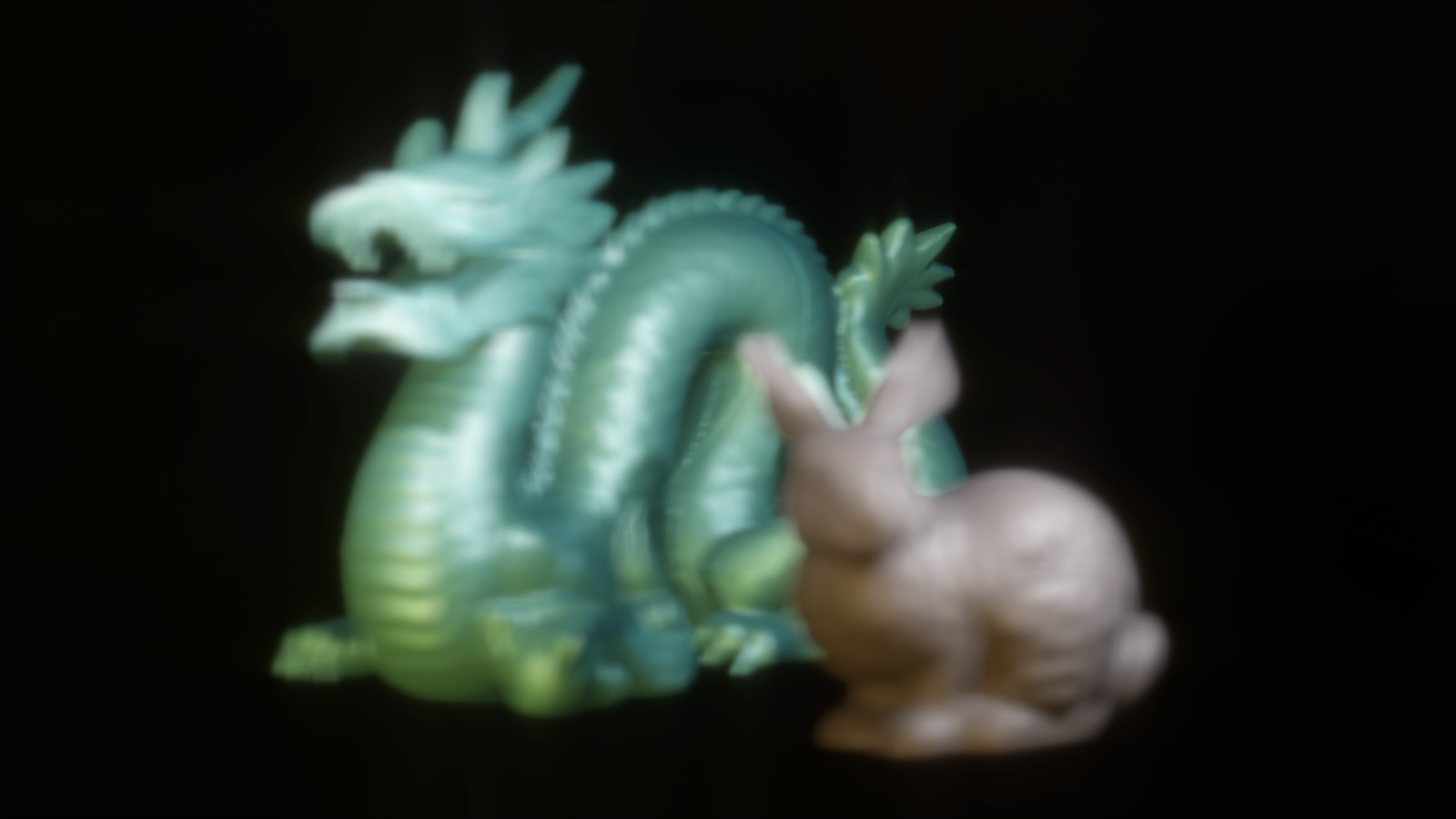
Source RGB-D
Independent LR screen
Quantitative comparison
Mode
LR
mean amp MSE
mean PSNR
mean SSIM
focus Δ RMSE
plane spread ratio
FLCOS binary amplitude
0.1
0.00355
28.06
0.3873
0.05076
2.247
Binary phase-only (0/π)
0.1
0.00578
25.25
0.3143
0.04786
1.993
Focus Δ RMSE evaluates differences relative to the middle focal plane. Plane-spread ratio is reconstructed focal variation divided by target variation: 1 is the correct variation magnitude, while a low value indicates collapsed/blurred depth behavior.
First finding
True 0/π phase-only modulation is substantially more constrained than binary amplitude in this forward model. Even after independent LR tuning, it retains more speckle and cross-plane residual. This is a physically meaningful hard setting—not an artificial downsampling—and gives the new 3D loss room to improve focus allocation and suppress structured noise.