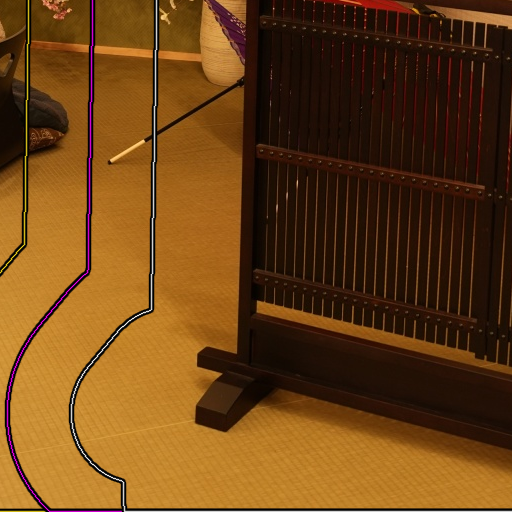
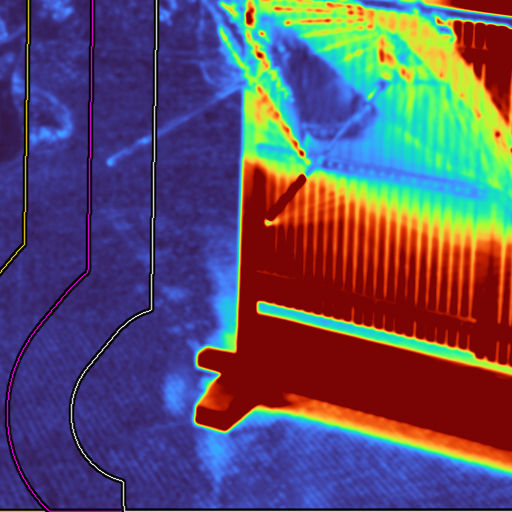
Frame 0004 · Local Qwen boundary choices
3/4 choices exactly match the current reference.
Block 01 · MATCH
Reference: C1
(+64 px)
Local Qwen: C1
(+64 px)
· confidence 0.90
Qwen reason: C1's white boundary with black halo tightly encloses the entire transient folding screen including its top rail and upper-left corner without missing any thin or defocused parts, while higher candidates overextend into background.
Reference reason
The white boundary encloses the screen top rail, upper-left corner, and the triangular coherent residual.
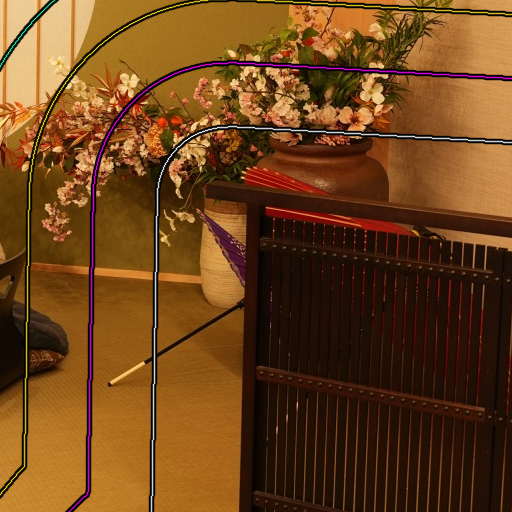
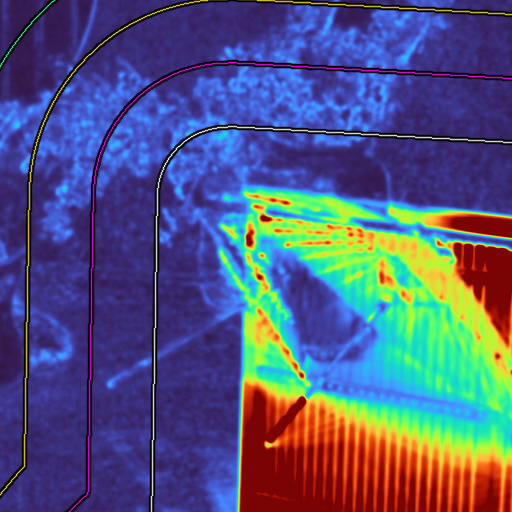
Block 02 · DIFF
Reference: C2
(+128 px)
Local Qwen: C1
(+64 px)
· confidence 0.90
Qwen reason: C1's white boundary tightly follows the folding screen's thin tips and soft edges in RGB, while C2-C4 visibly miss critical boundary segments.
Reference reason
C1 preserves the original upper-right notch and leaves structured screen residual outside; C2 is the first candidate that gives that failed corner a complete safety band.
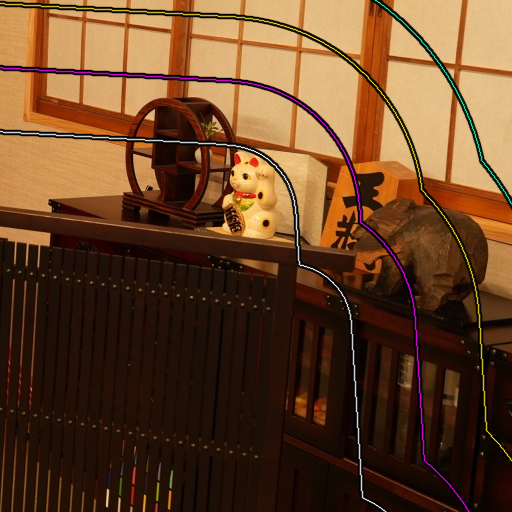
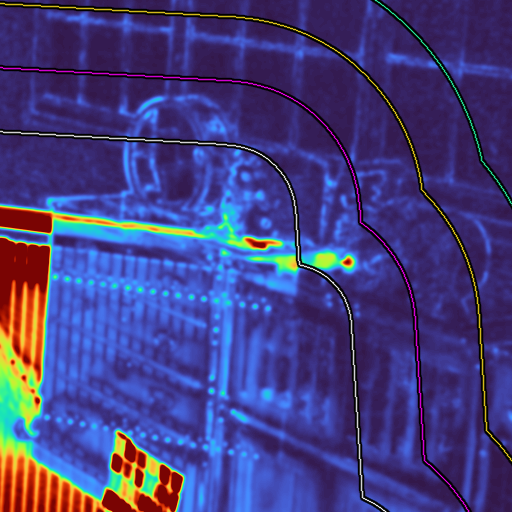
Block 03 · MATCH
Reference: C1
(+64 px)
Local Qwen: C1
(+64 px)
· confidence 0.90
Qwen reason: C1's white boundary tightly follows the screen's lower-right edge and foot, including all thin tips and soft defocus, while C2-C4 extend beyond the object's visible extent.
Reference reason
The white boundary contains the full right body edge and lower-right foot with a clear margin.
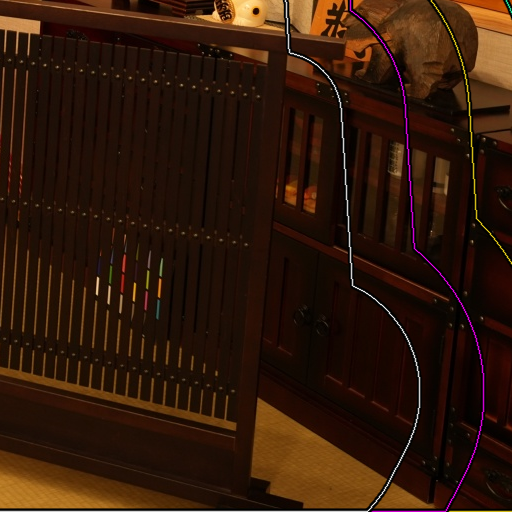
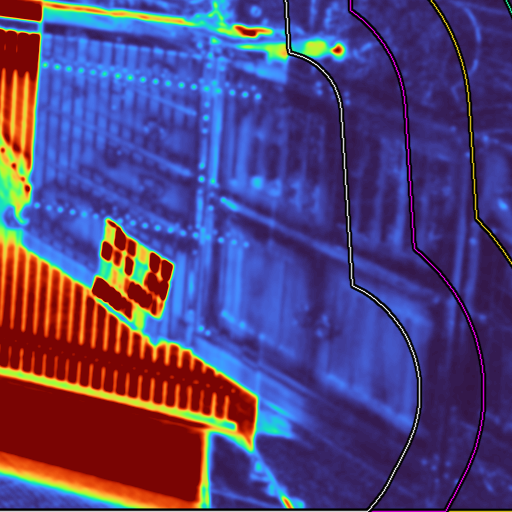
Block 04 · MATCH
Reference: C1
(+64 px)
Local Qwen: C1
(+64 px)
· confidence 0.90
Qwen reason: C1's white boundary with black halo tightly encloses the entire transient folding screen including its lower-left edge and foot, while C2-C4 are visibly too large and include significant non-target background.
Reference reason
The white boundary encloses the lower-left foot, shadow-like blur, and all coherent residual.