Held-out view 1
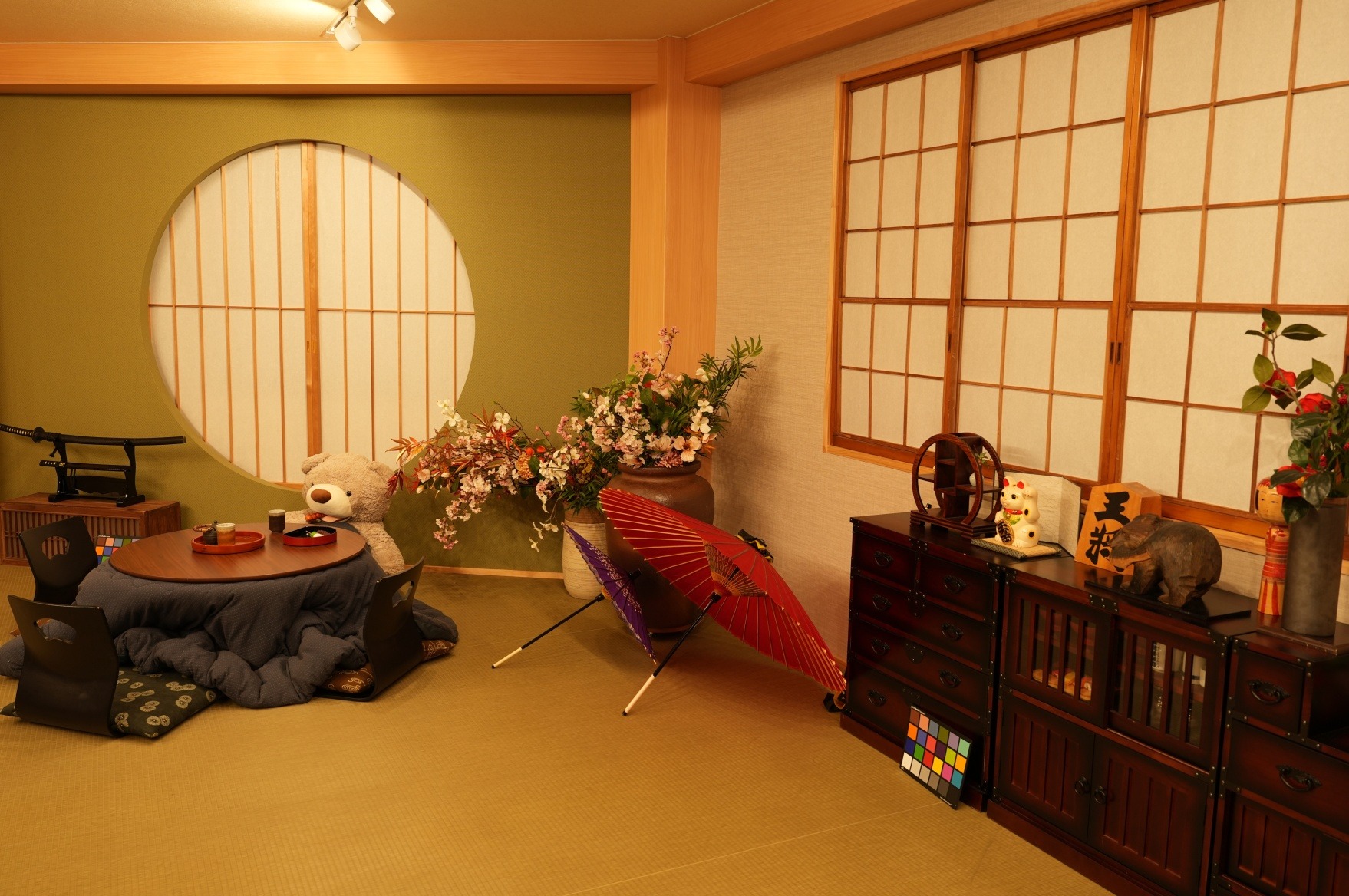
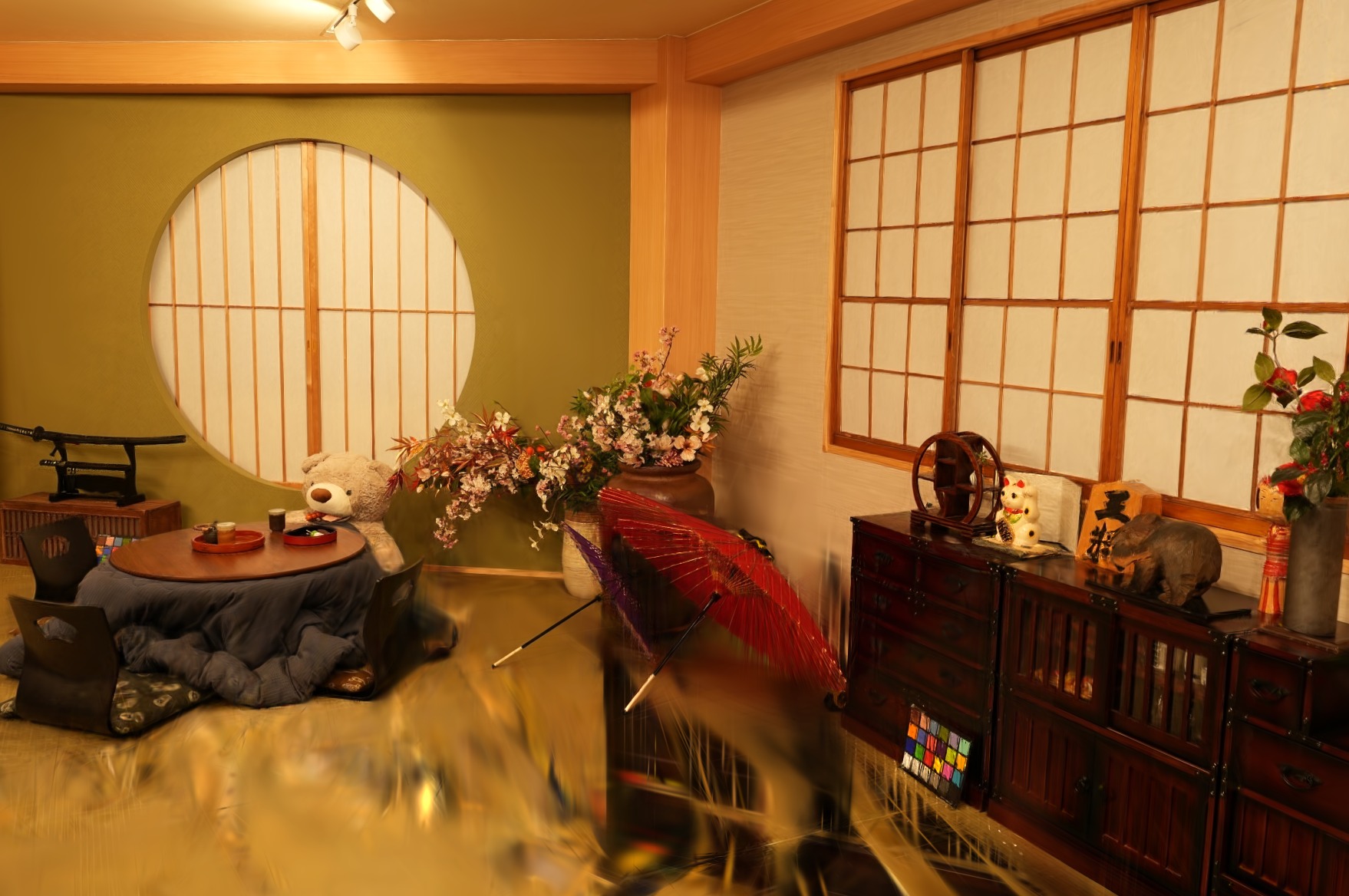
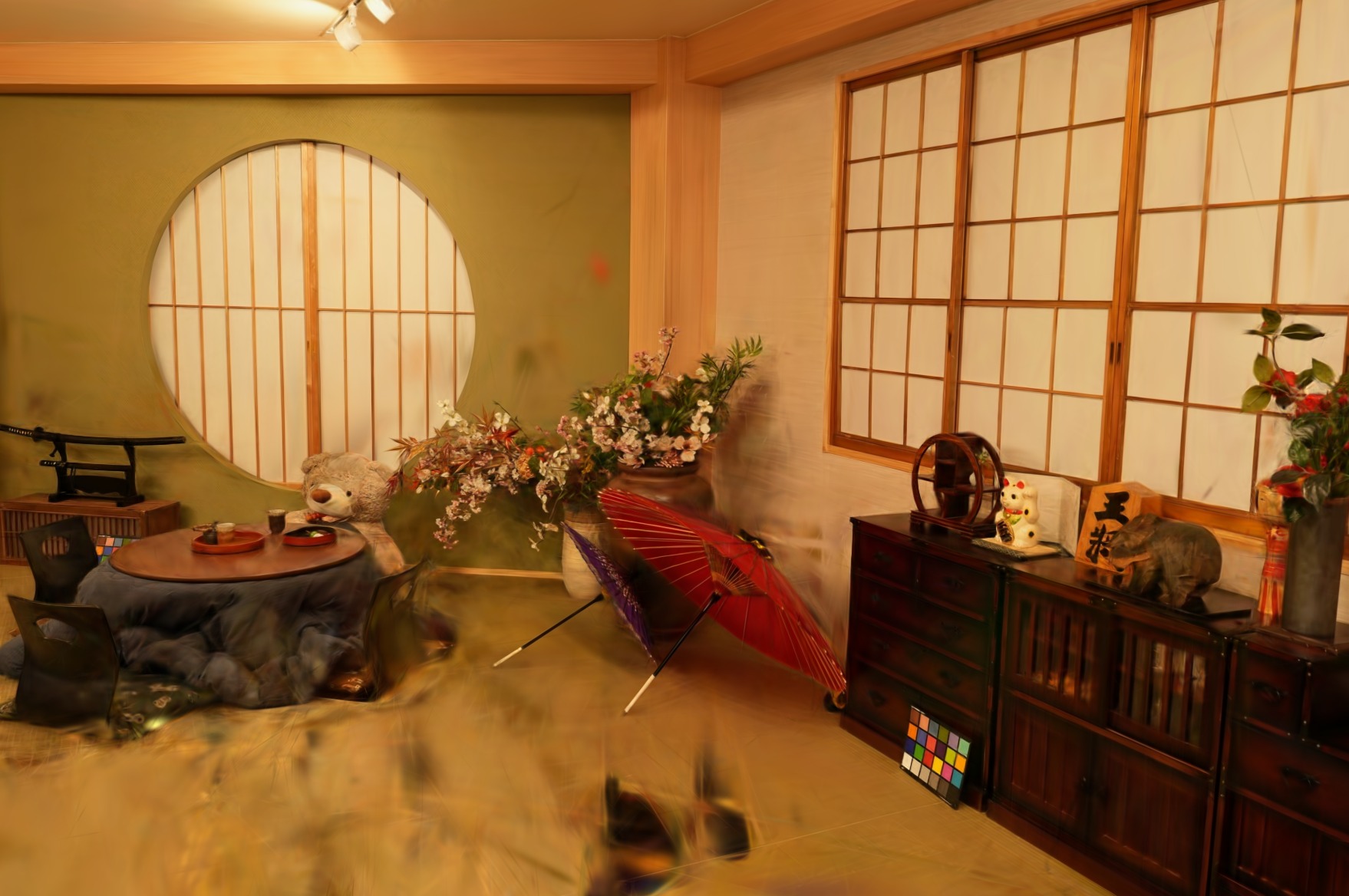
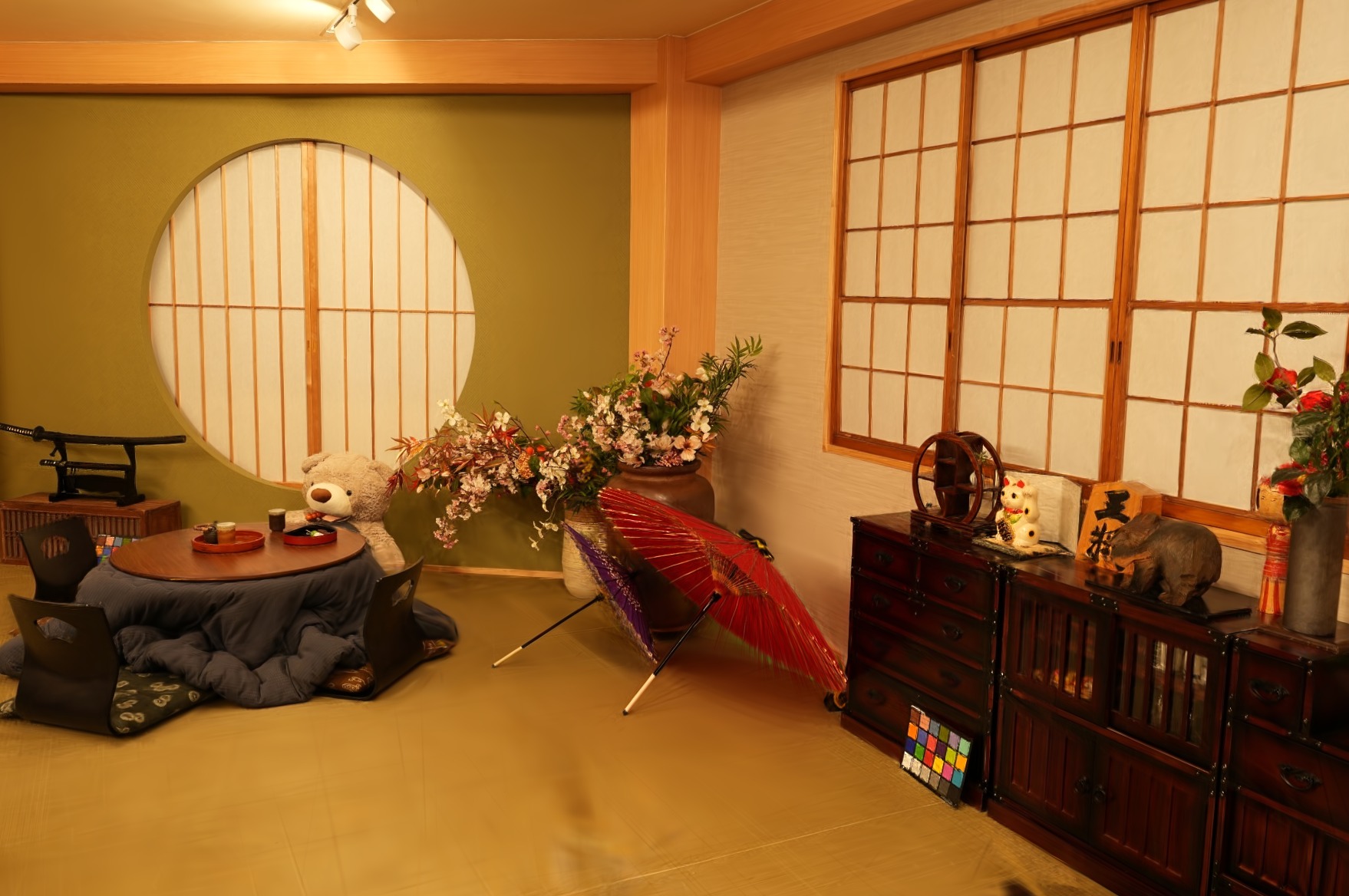
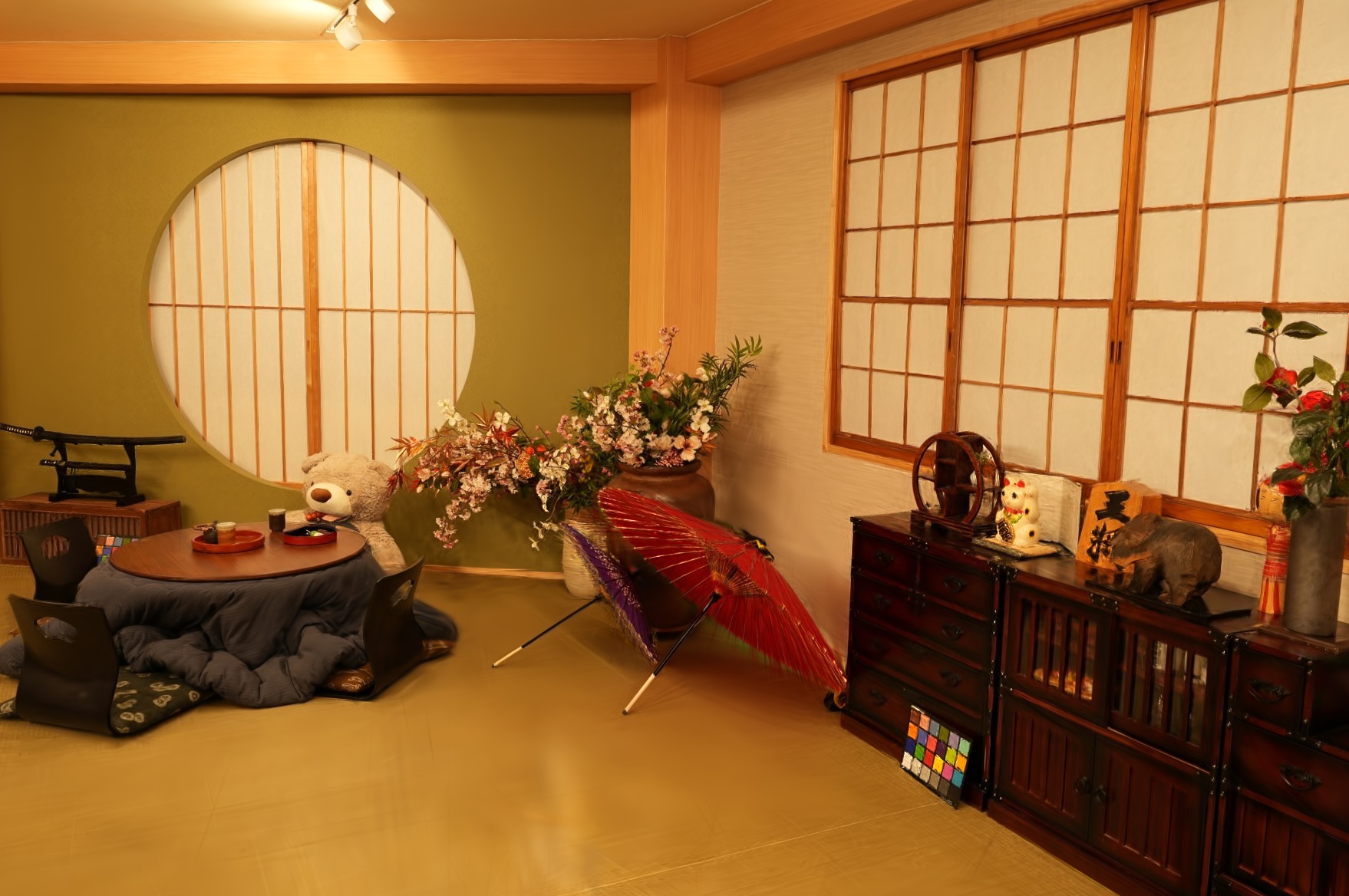
All four models use the same 30 transient training views and five clean held-out views. Pseudo-mask v1 is the older run stored internally as oracle_route=typed; it uses the first-round pseudo masks, not clean oracle images. The refined-mask model uses the final GPT boundary-refined masks. The trajectory below is a genuine novel-view interpolation, not a video made from the five test images.
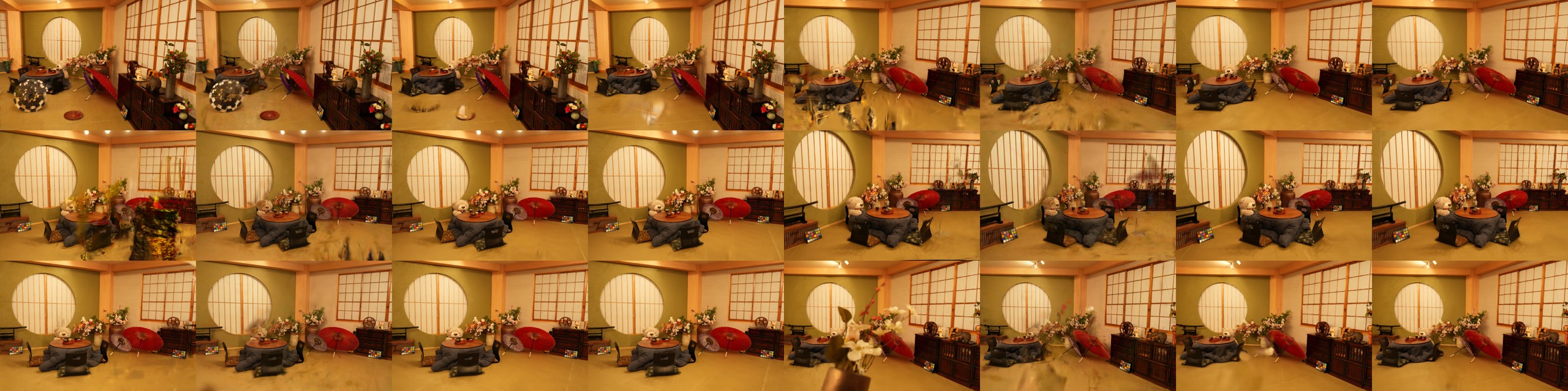
Left to right: Raw 3DGS · WildGaussians · Pseudo-mask v1 · Refined-mask 3DGS. The two mask routes use the exact same 238 trajectory poses (trajectory JSON SHA-256 matched).
These are the same five clean targets used for the quantitative evaluation.
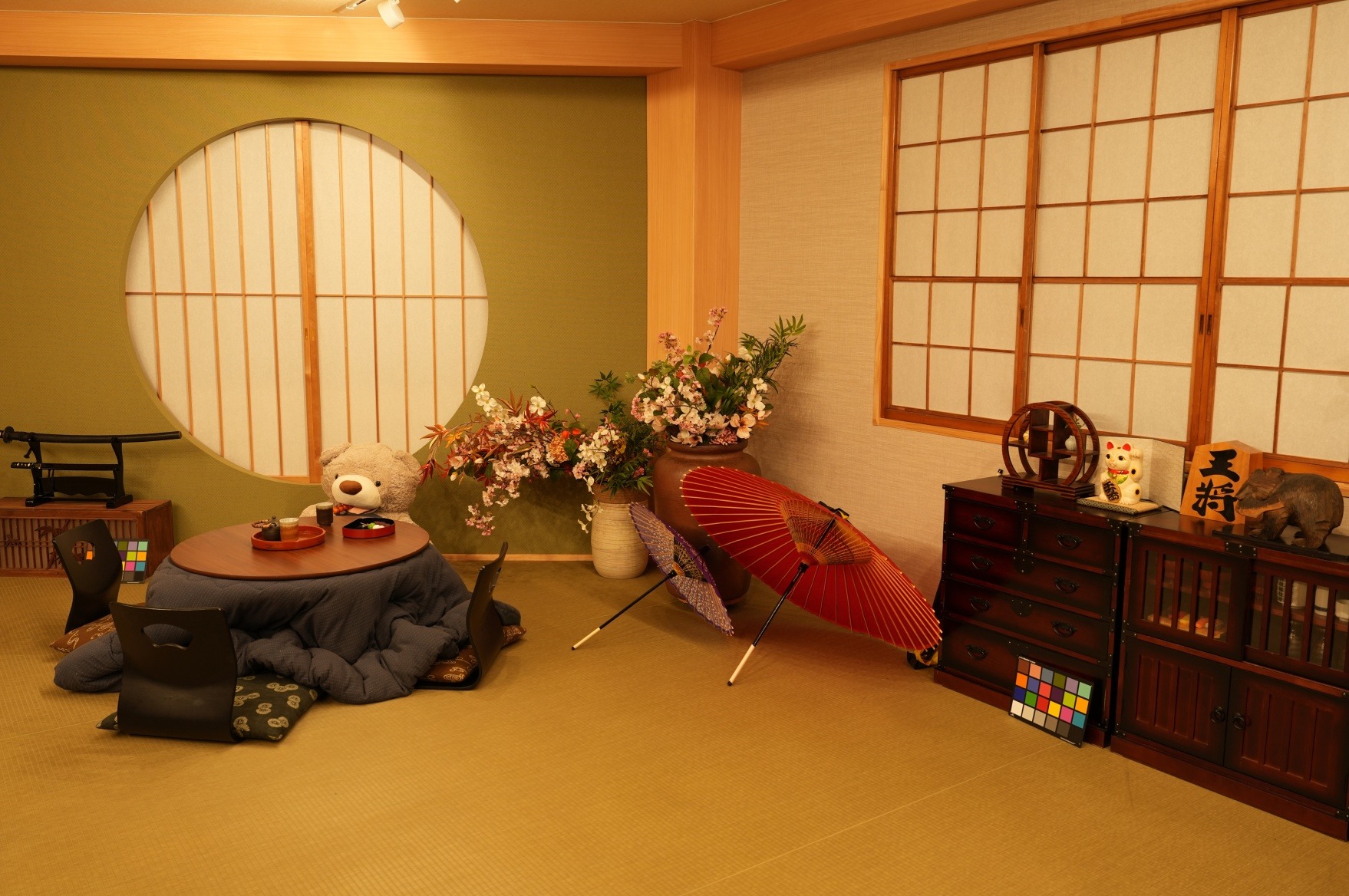
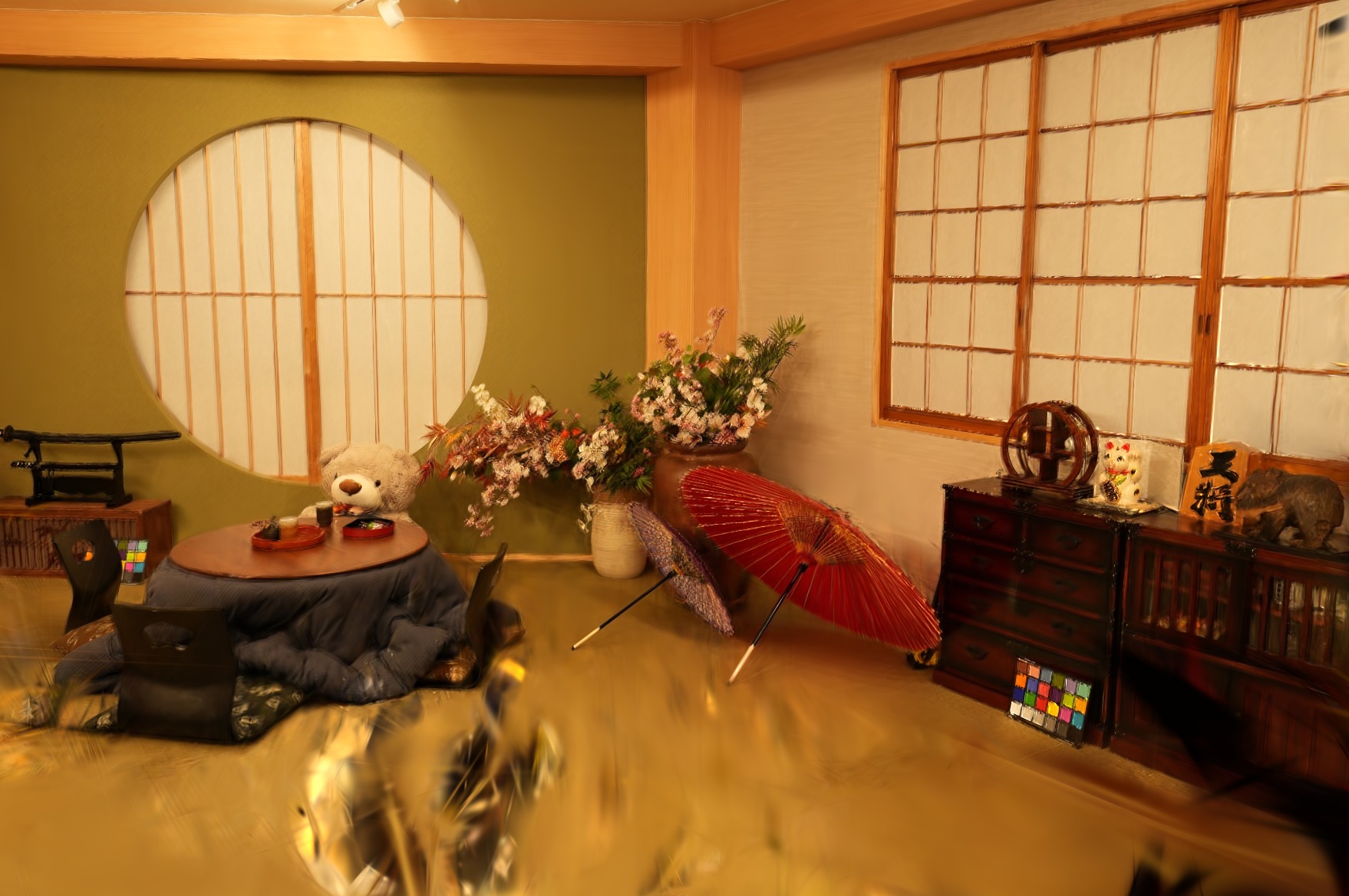
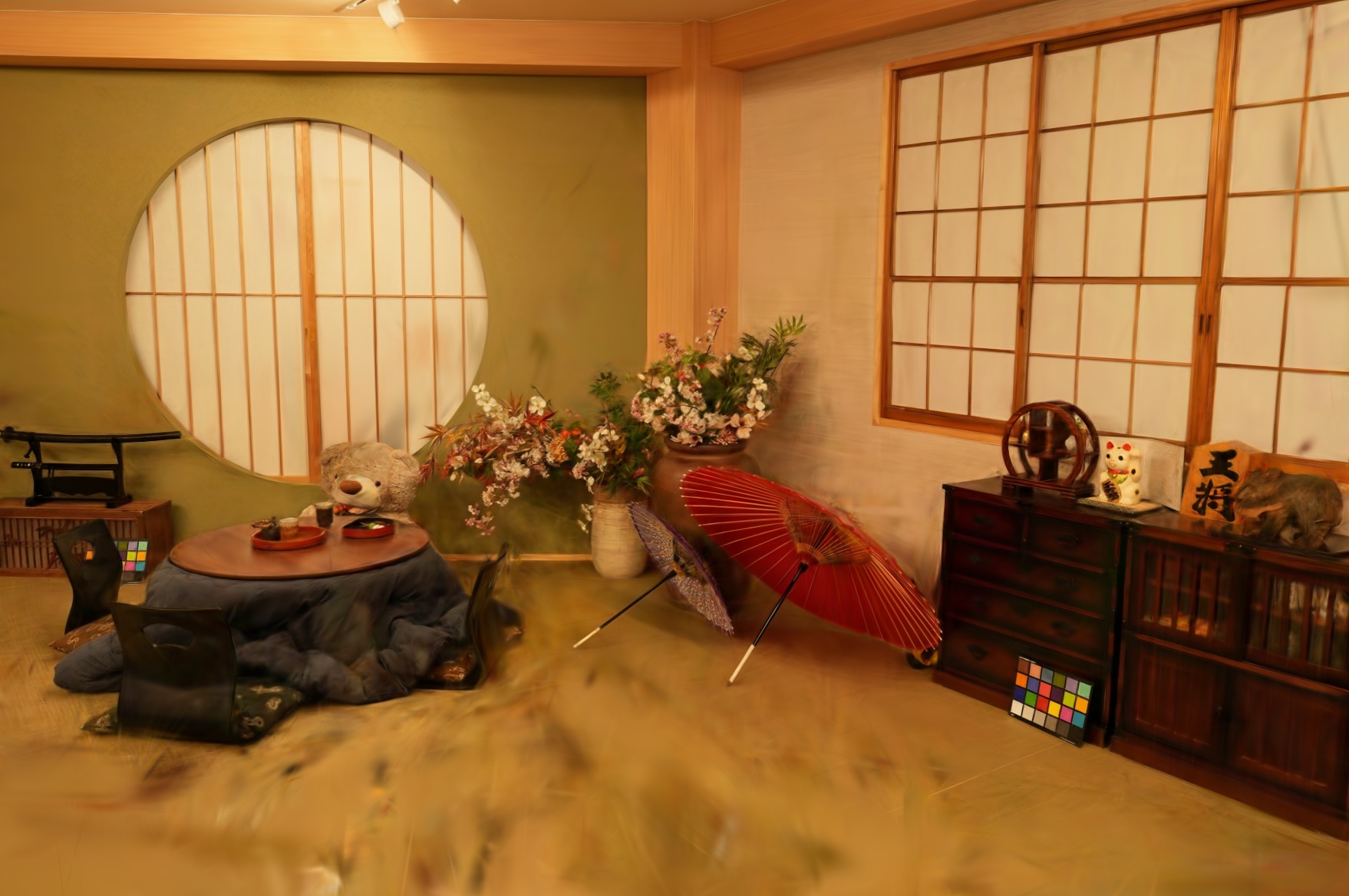
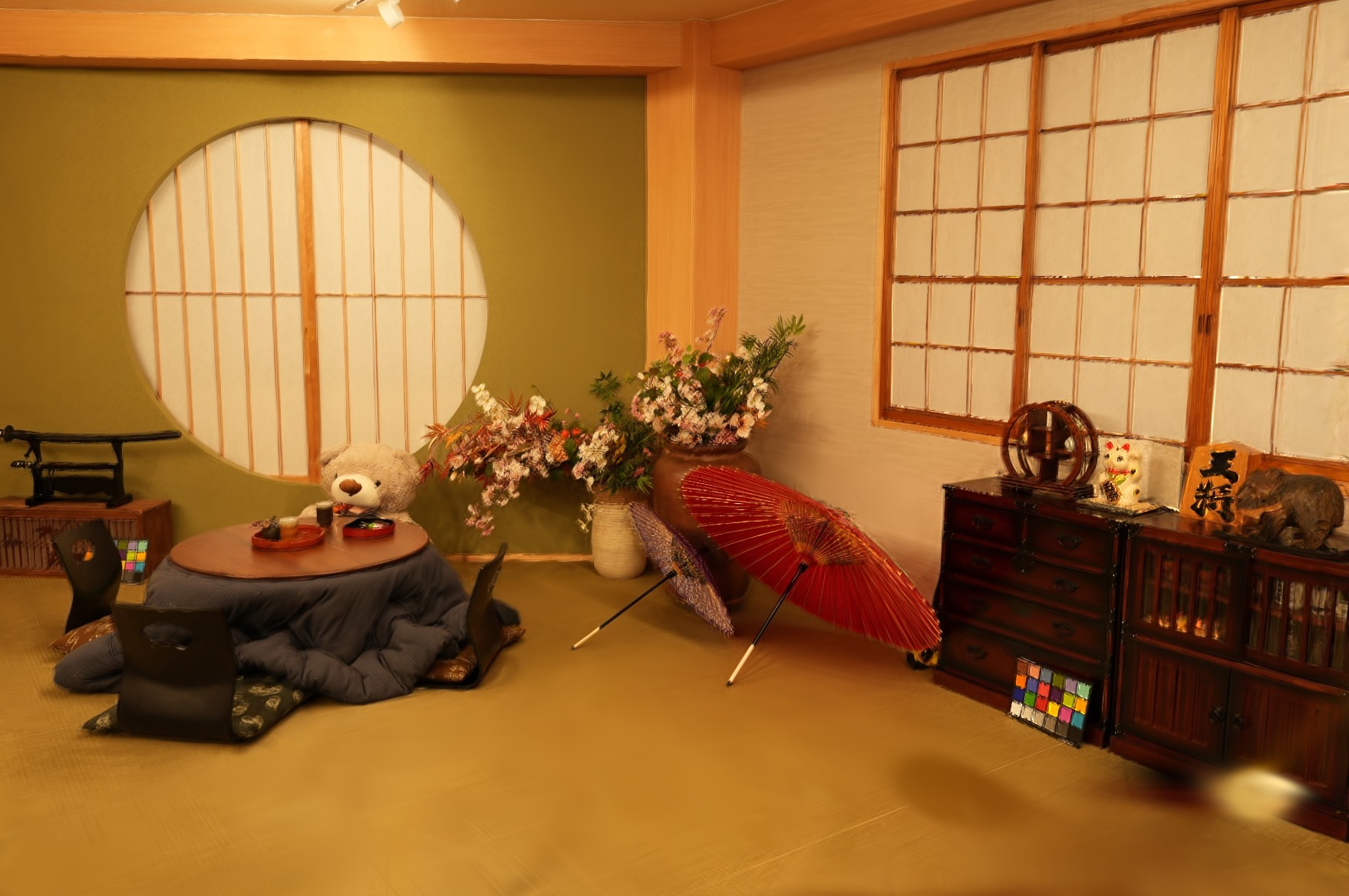
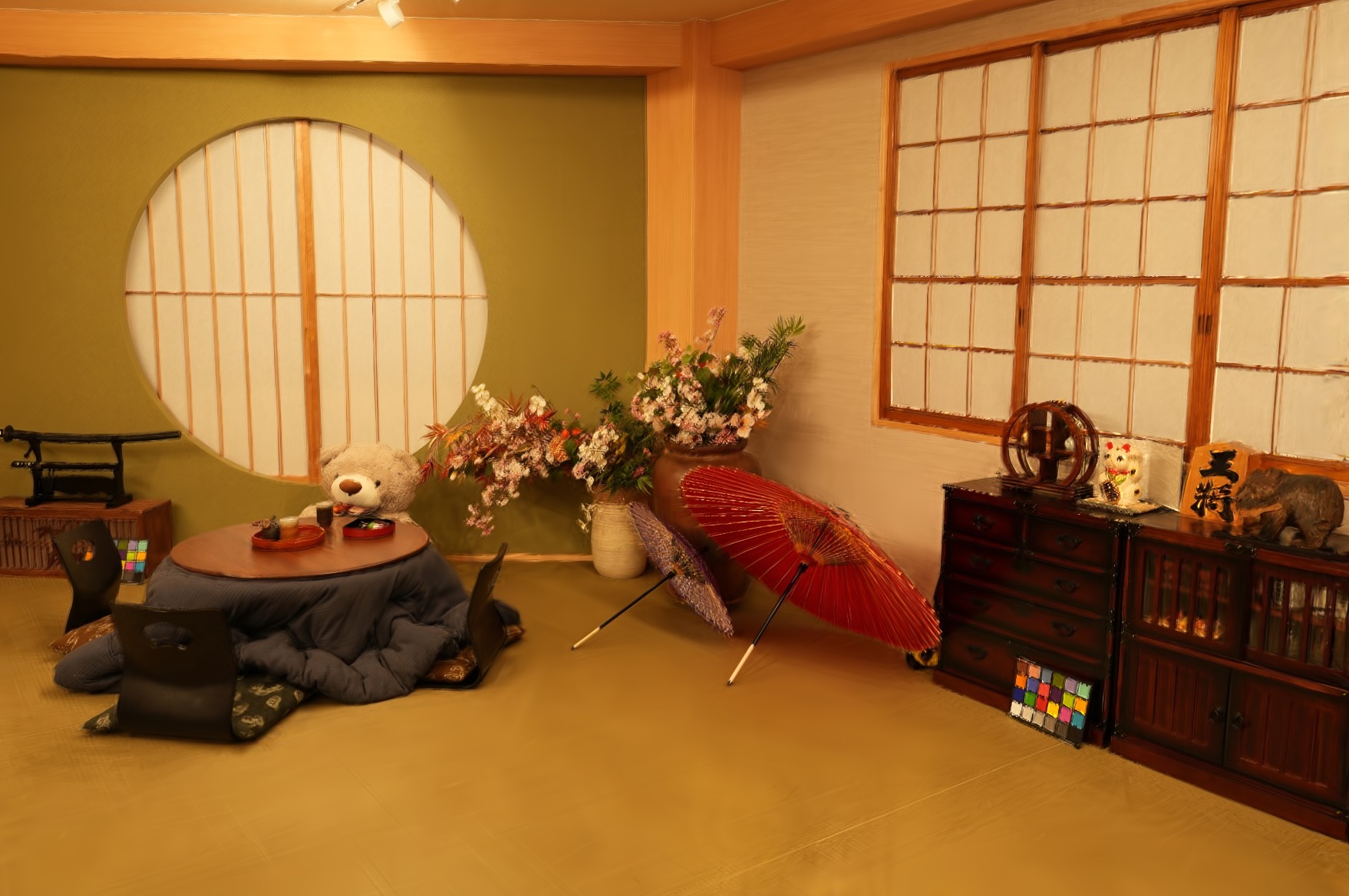
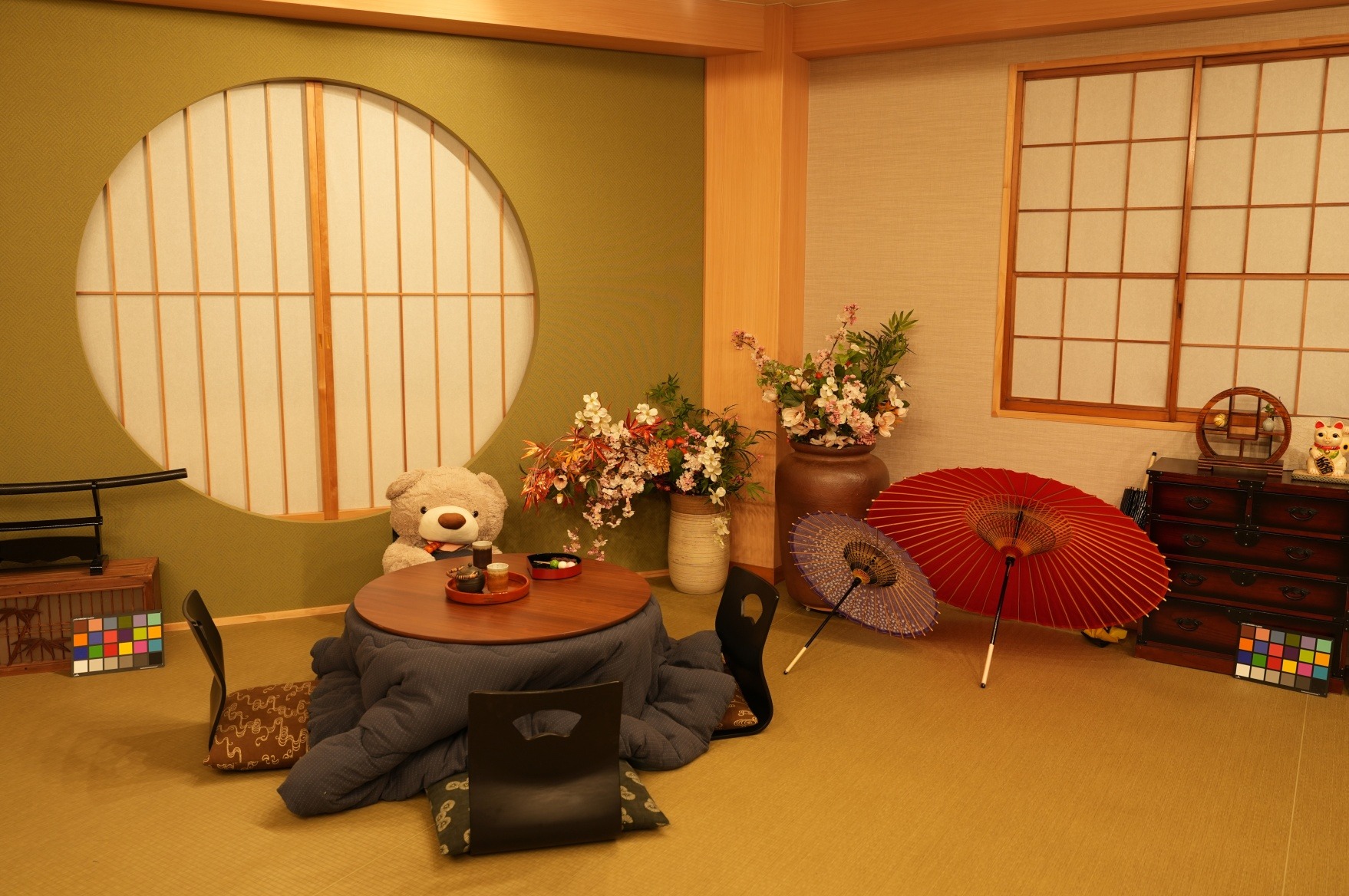
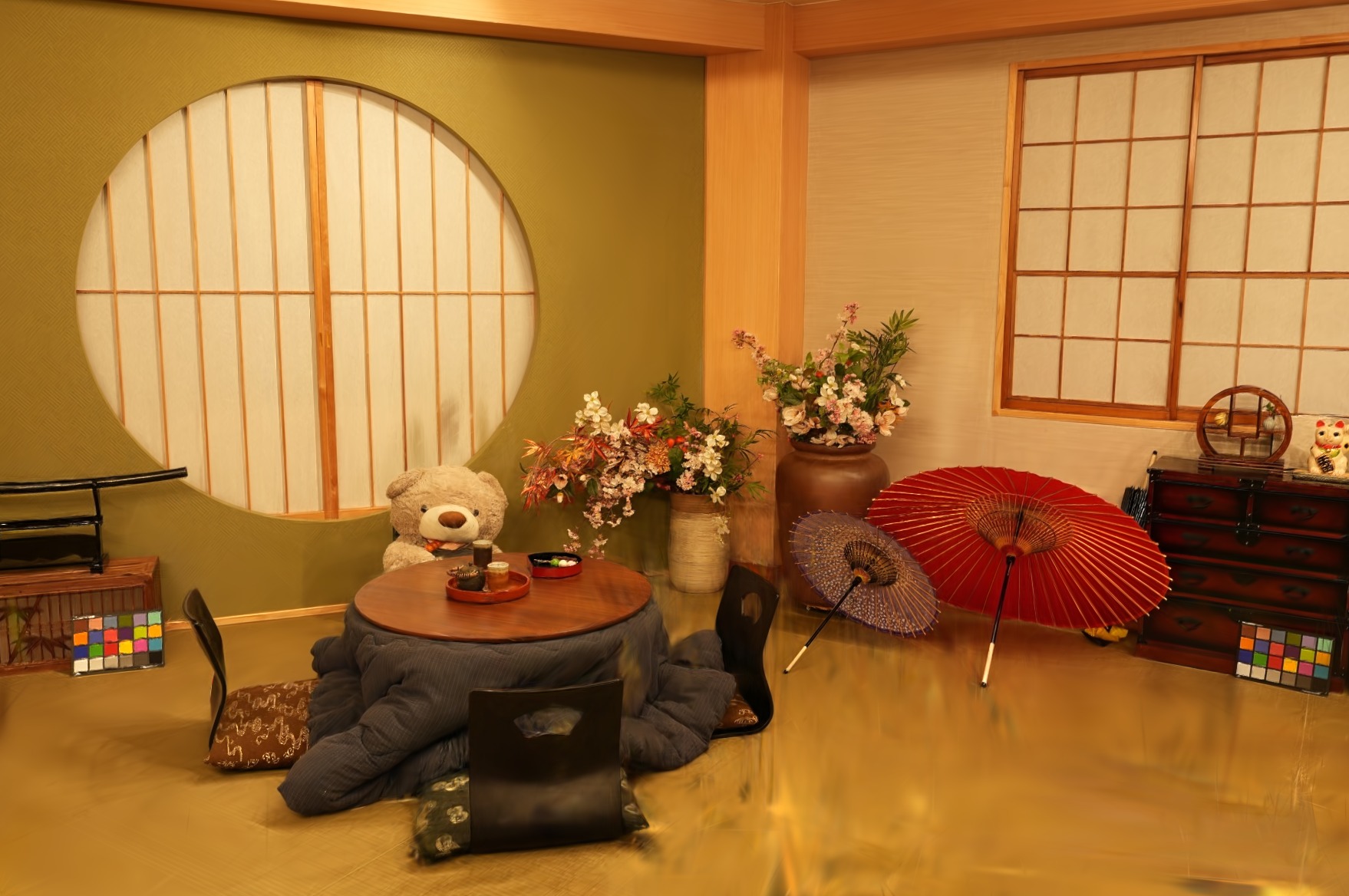
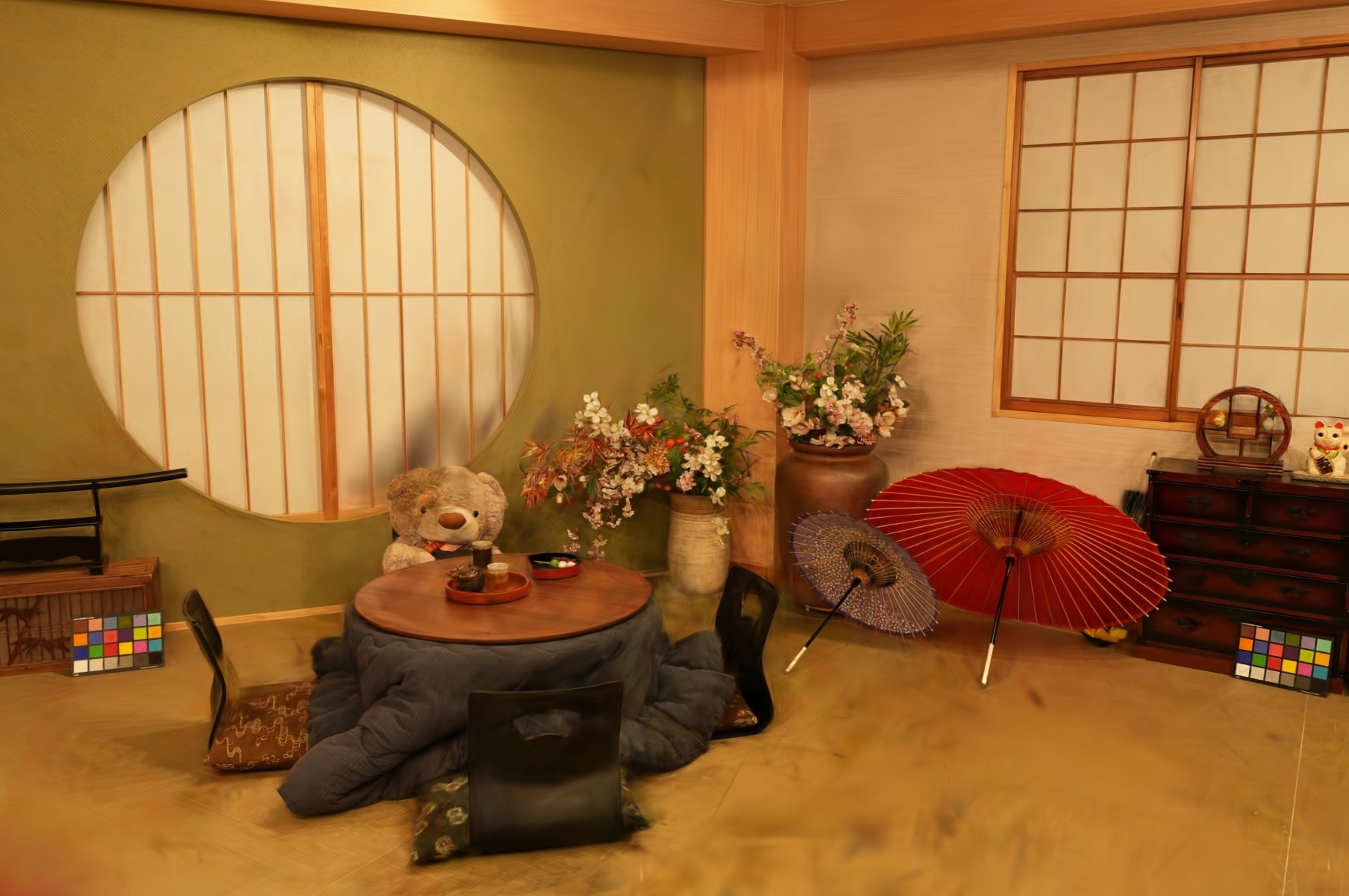
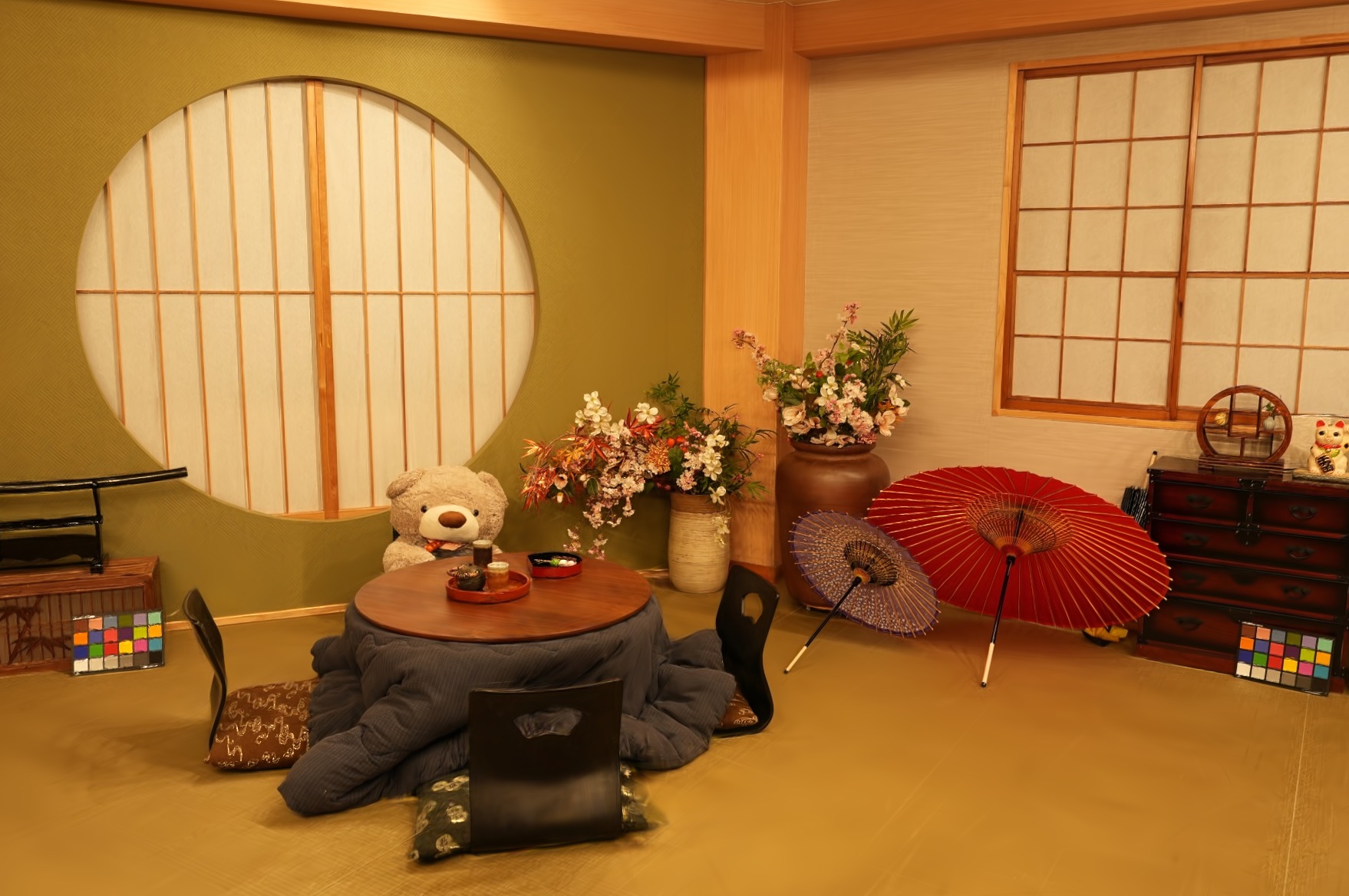
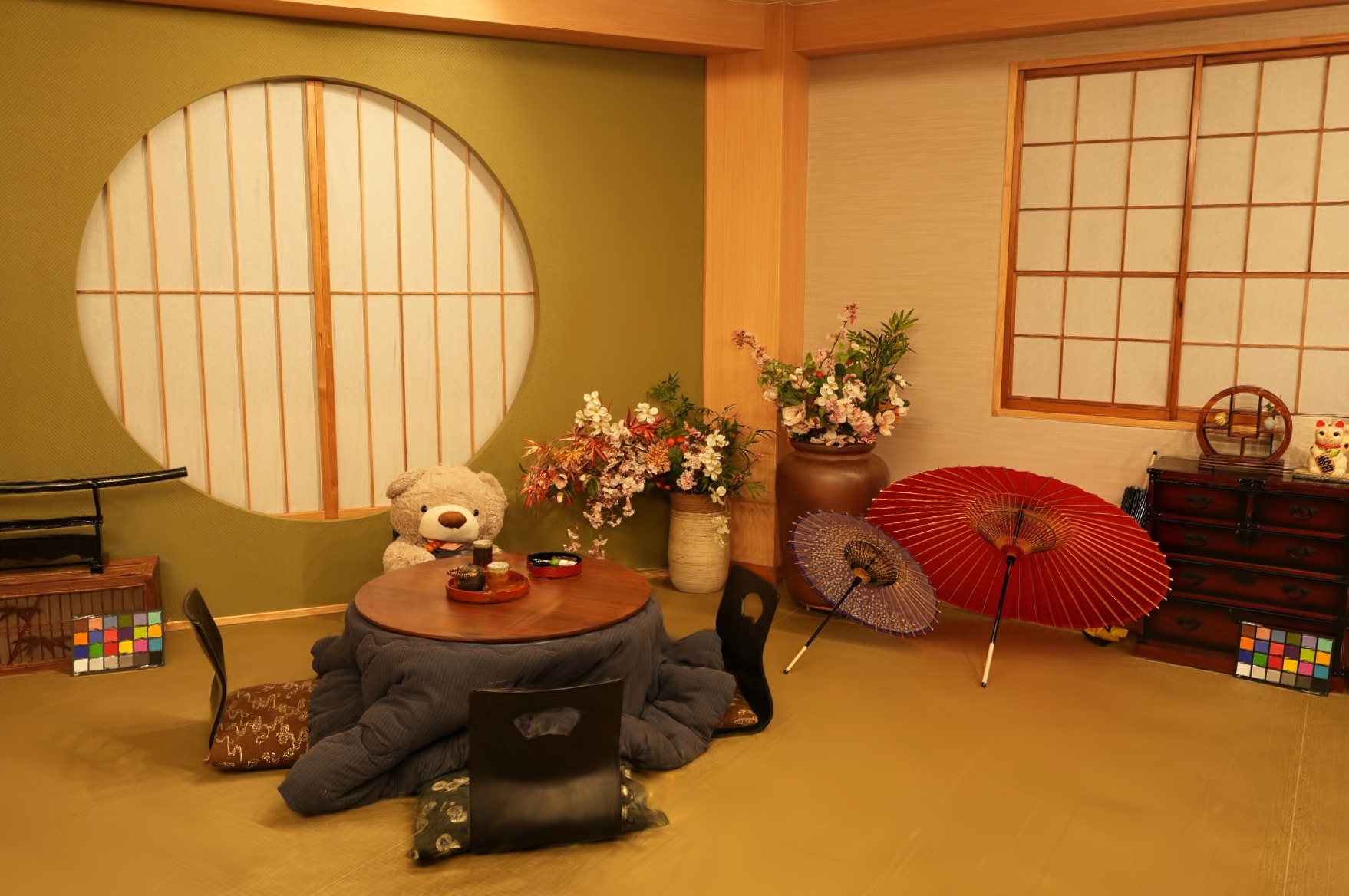
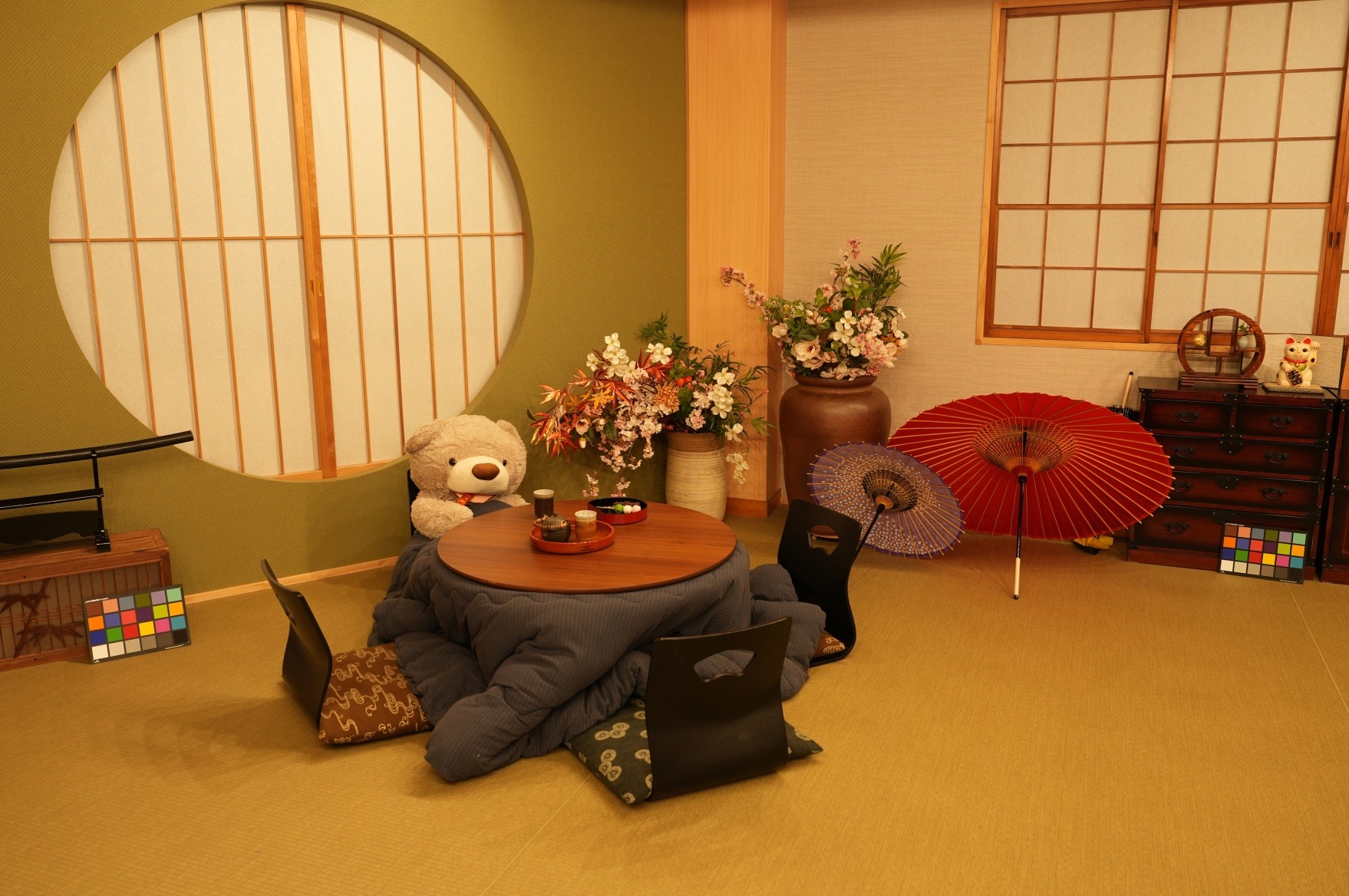
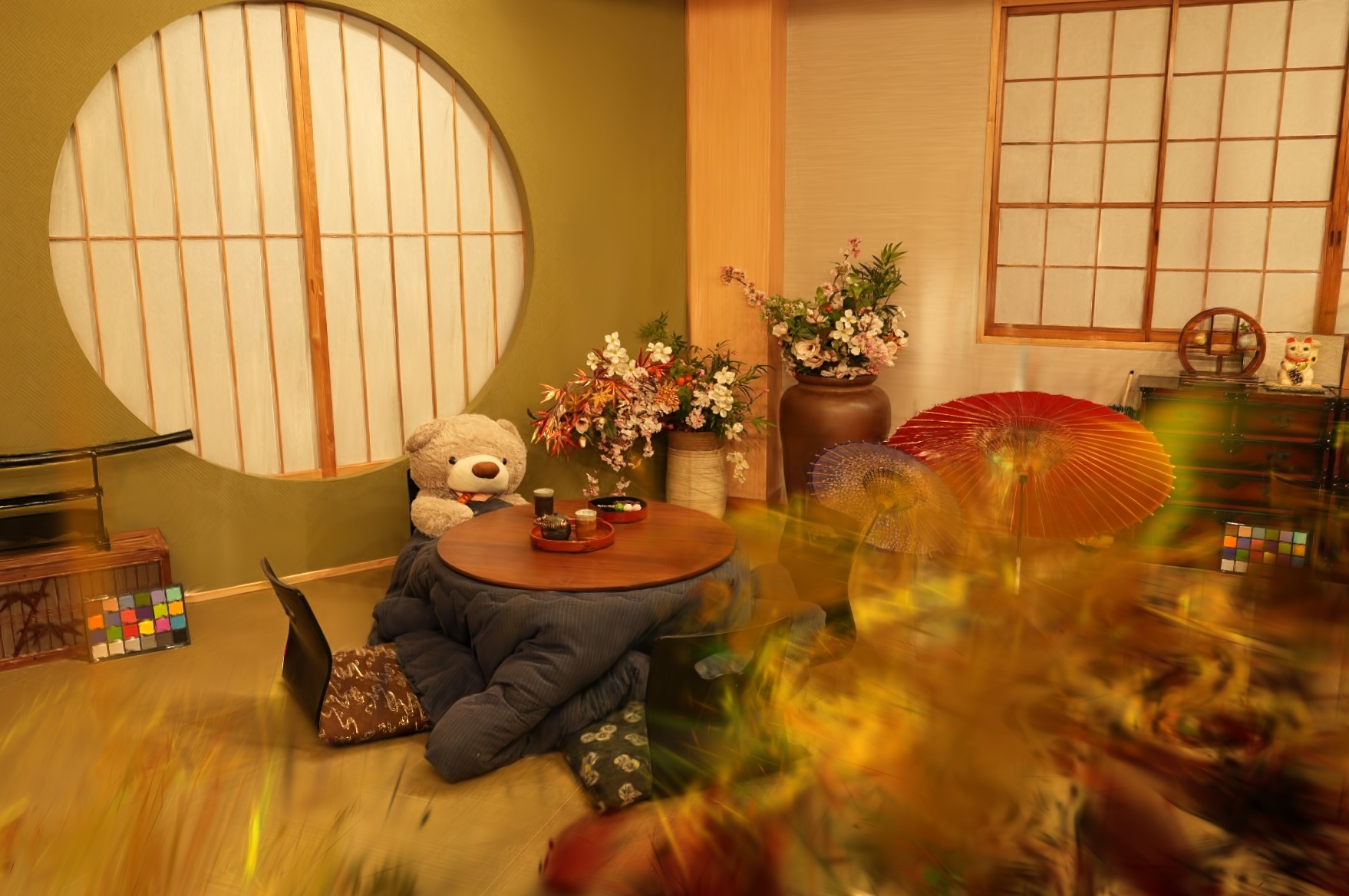
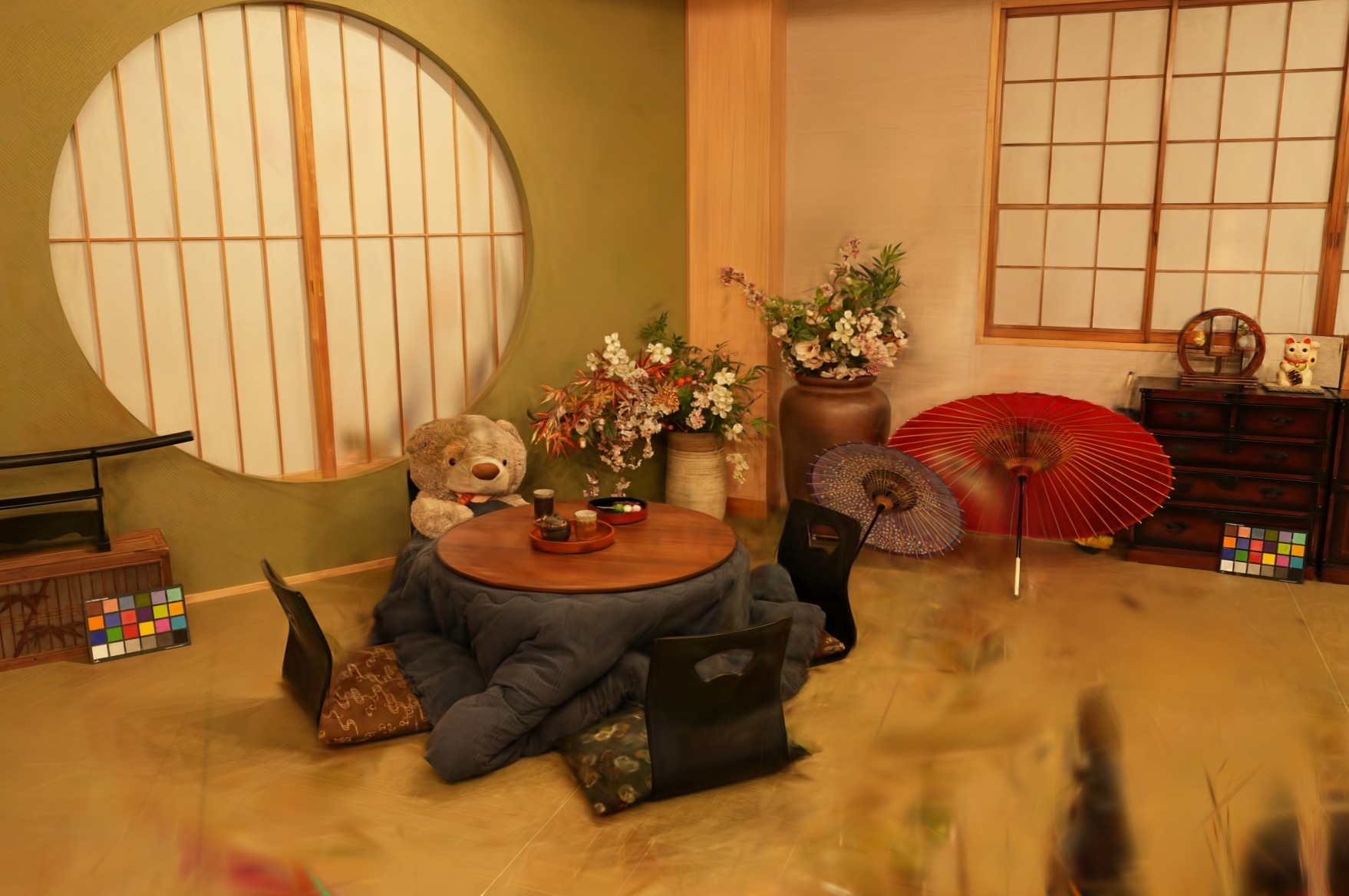
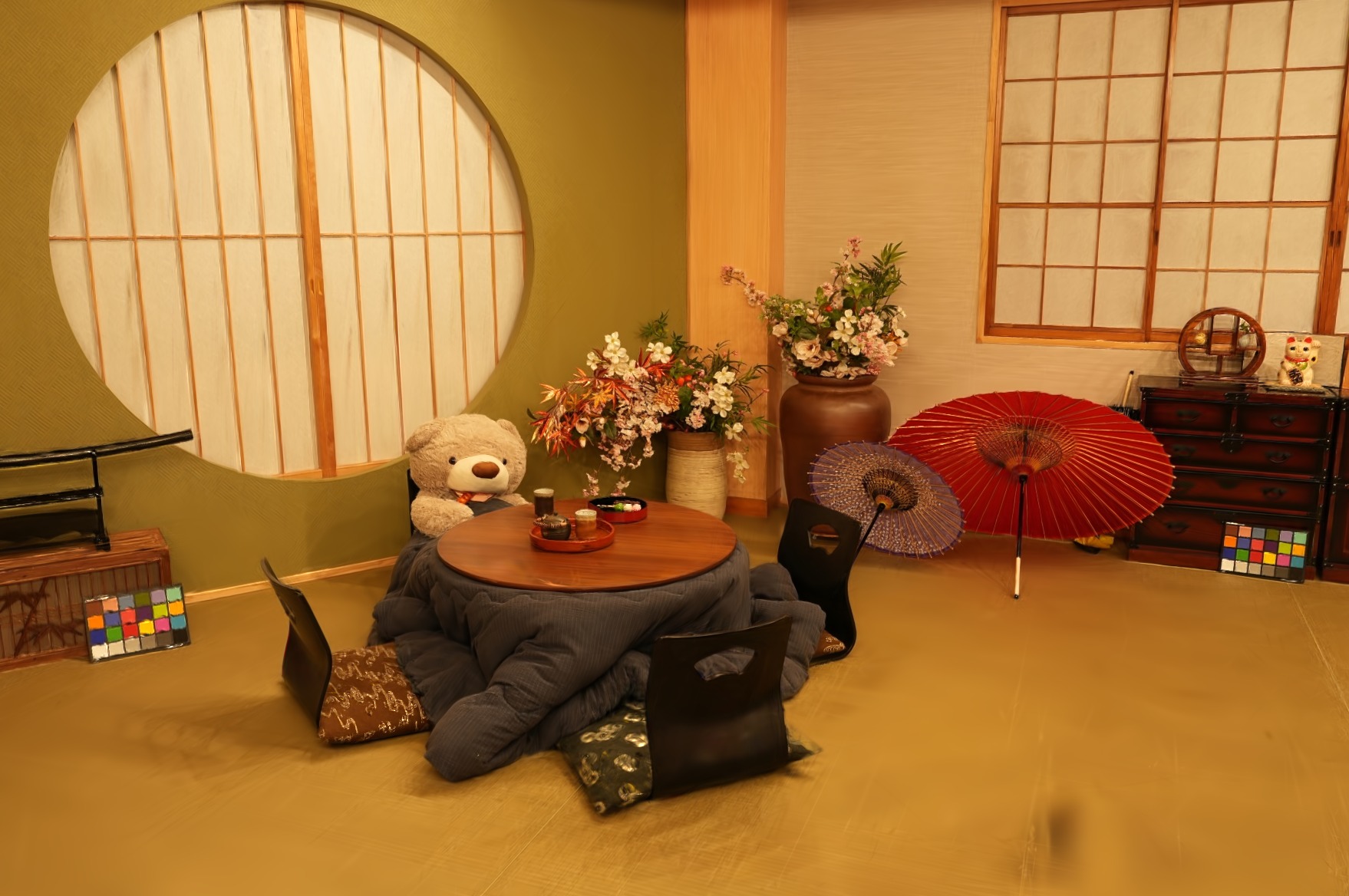
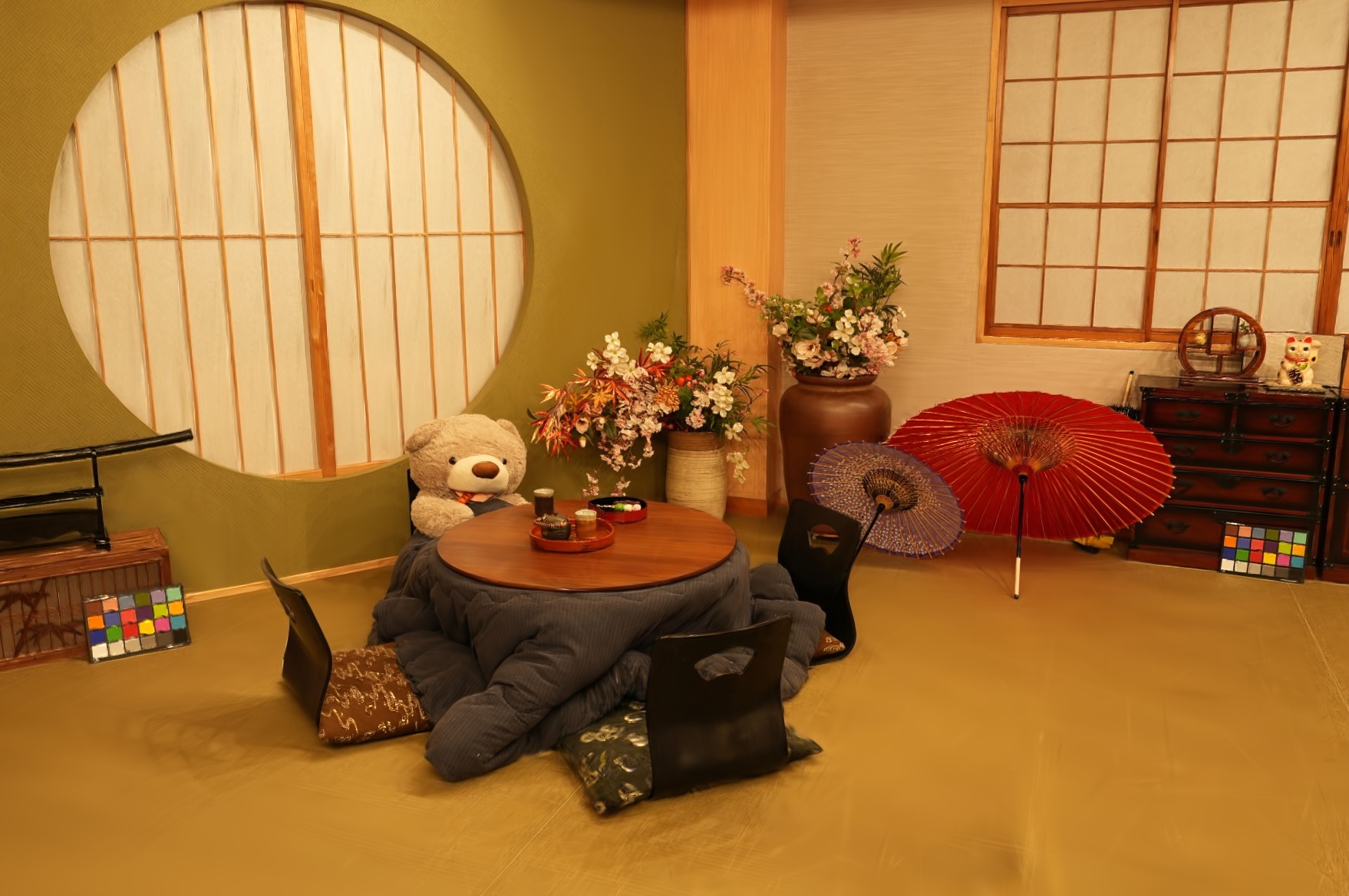
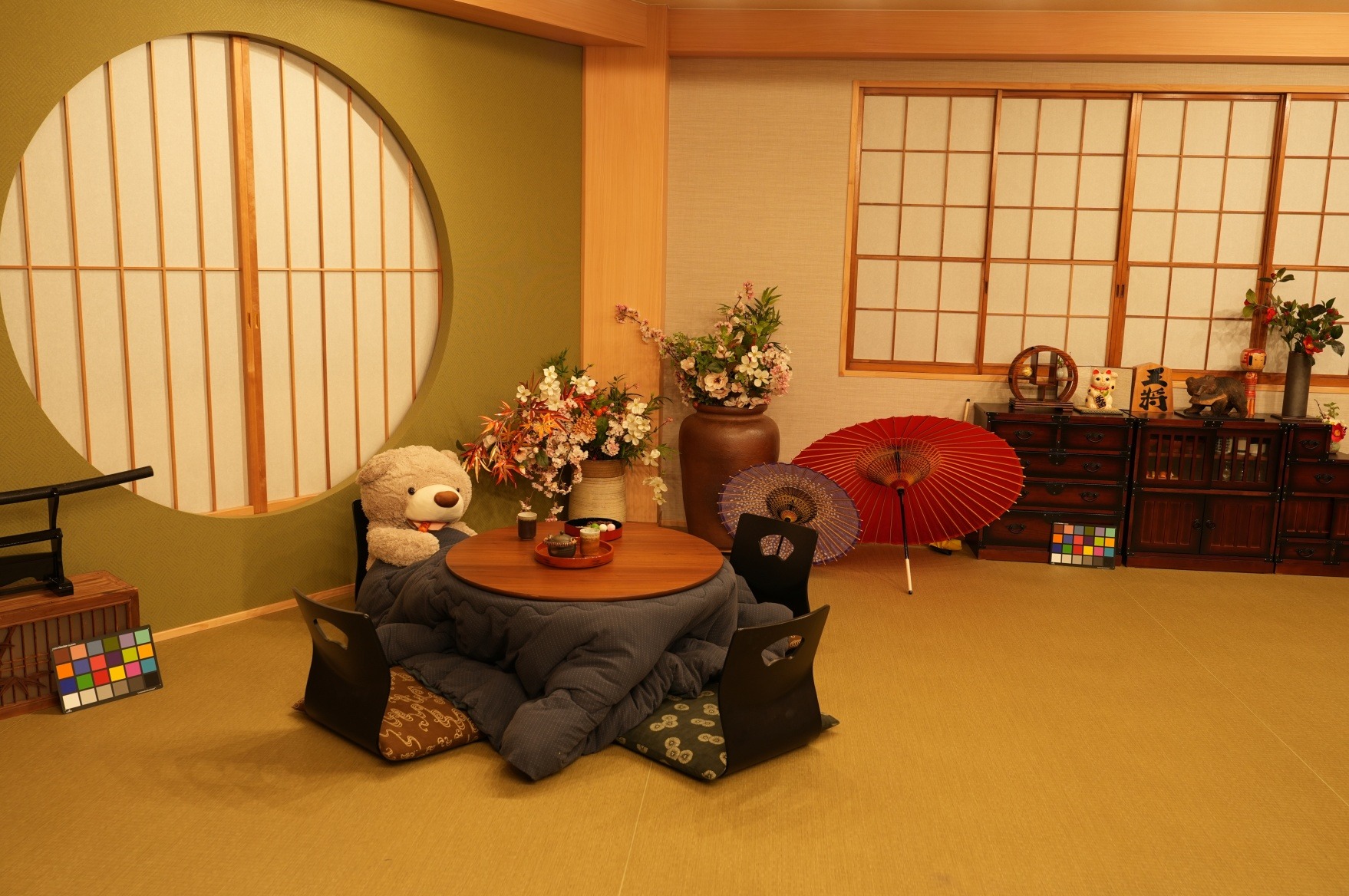
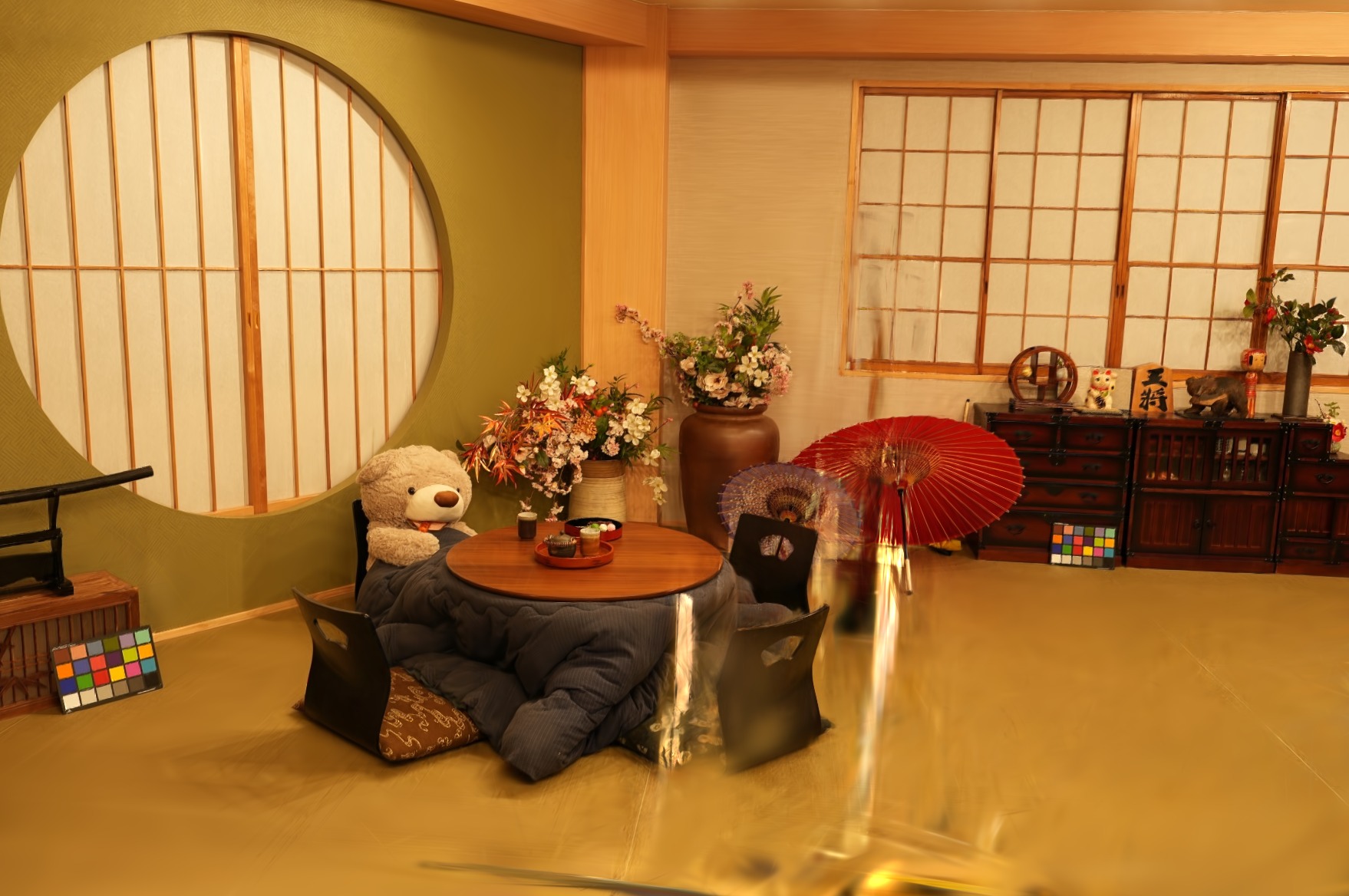
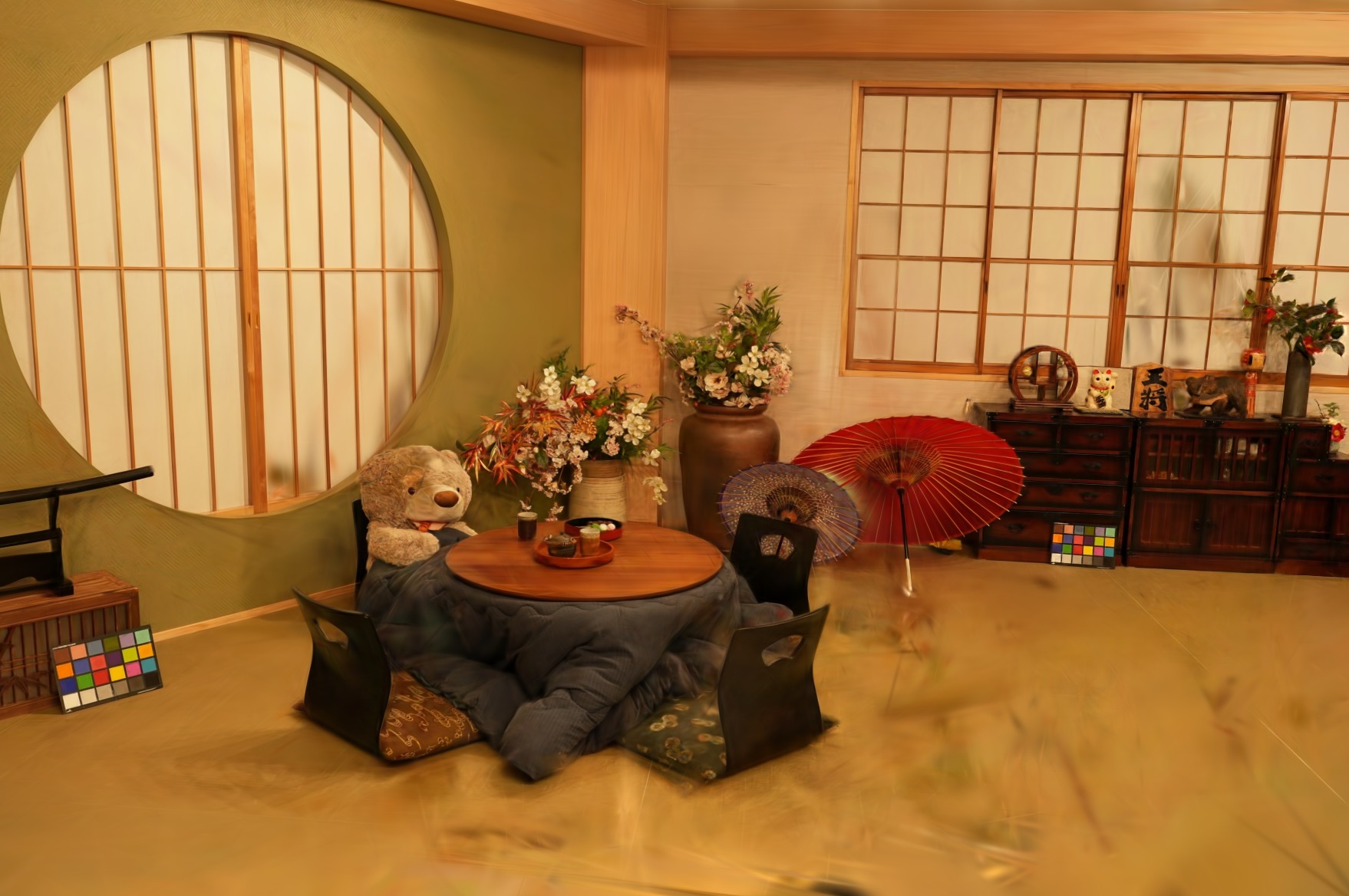
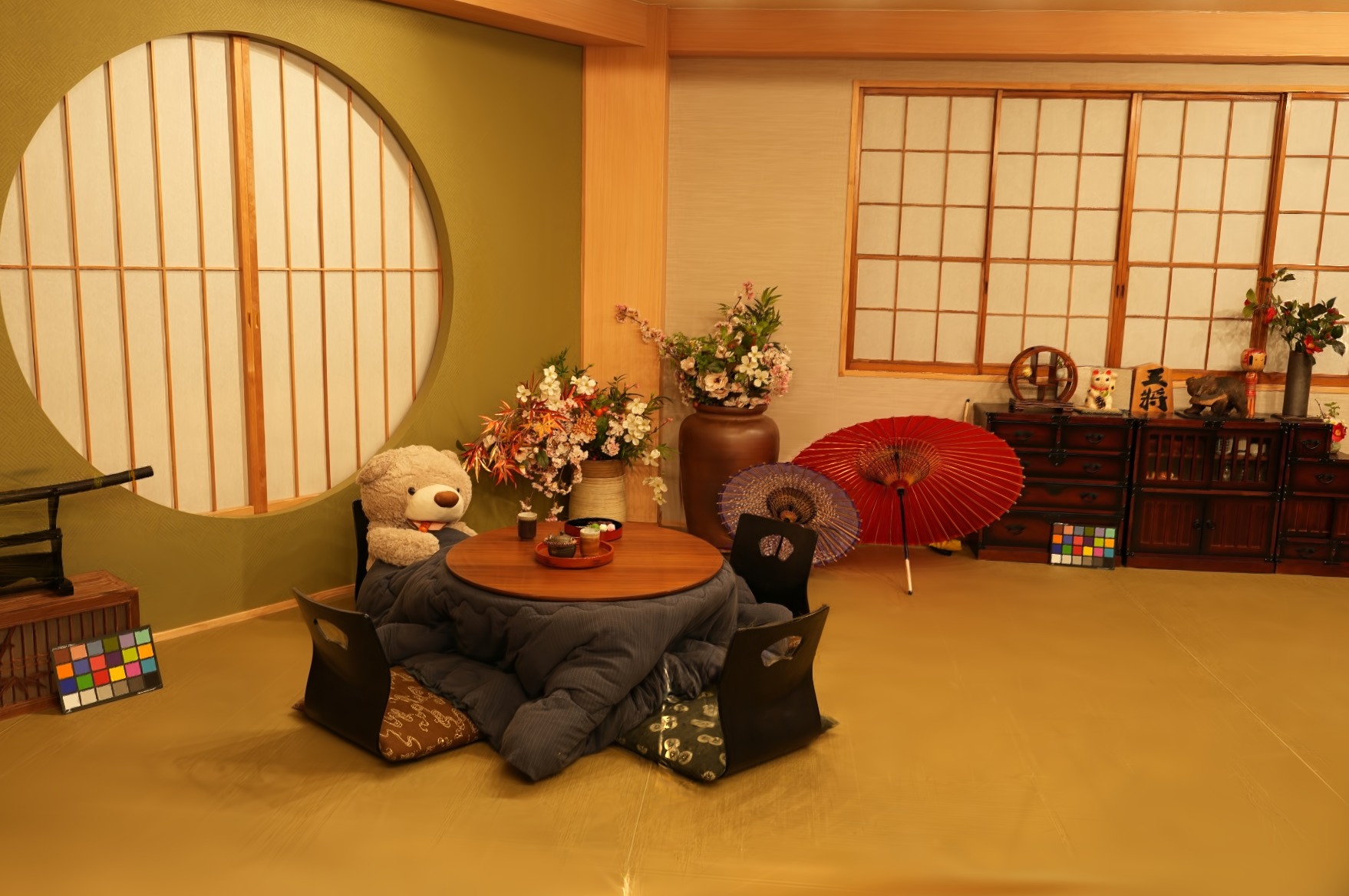
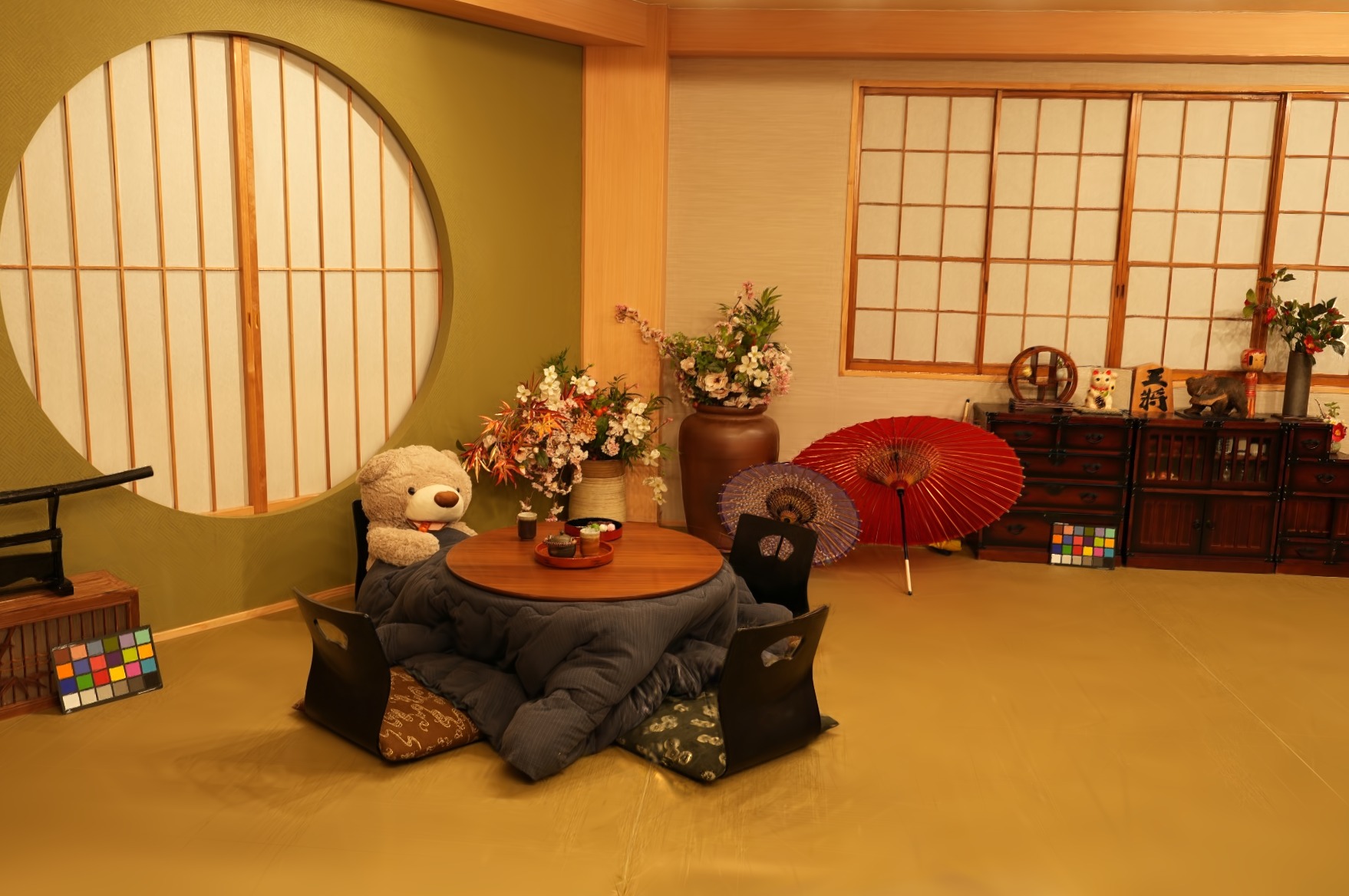
All three rows use the same Graphdeco evaluator and VGG-LPIPS implementation.
| Method | PSNR ↑ | SSIM ↑ | LPIPS ↓ |
|---|---|---|---|
| Raw 3DGS | 22.295 | 0.780 | 0.293 |
| WildGaussians | 25.578 | 0.868 | 0.284 |
| Pseudo-mask v1 | 26.727 | 0.815 | 0.249 |
| Refined-mask 3DGS | 27.044 | 0.815 | 0.249 |
Summary: refined masks improve raw 3DGS by 4.75 dB PSNR, +0.035 SSIM, and 0.044 LPIPS. Versus WildGaussians, refined-mask 3DGS has +1.47 dB PSNR and +0.035 LPIPS, while WildGaussians has the higher SSIM by 0.053.
The boundary-refined masks improve mean PSNR by +0.318 dB, while SSIM changes by -0.000064 and LPIPS by +0.000283. Held-out view 4 changes only from 25.758 dB to 25.785 dB. This isolates its remaining artifact as a supervision/geometry limitation rather than a mask-boundary error.
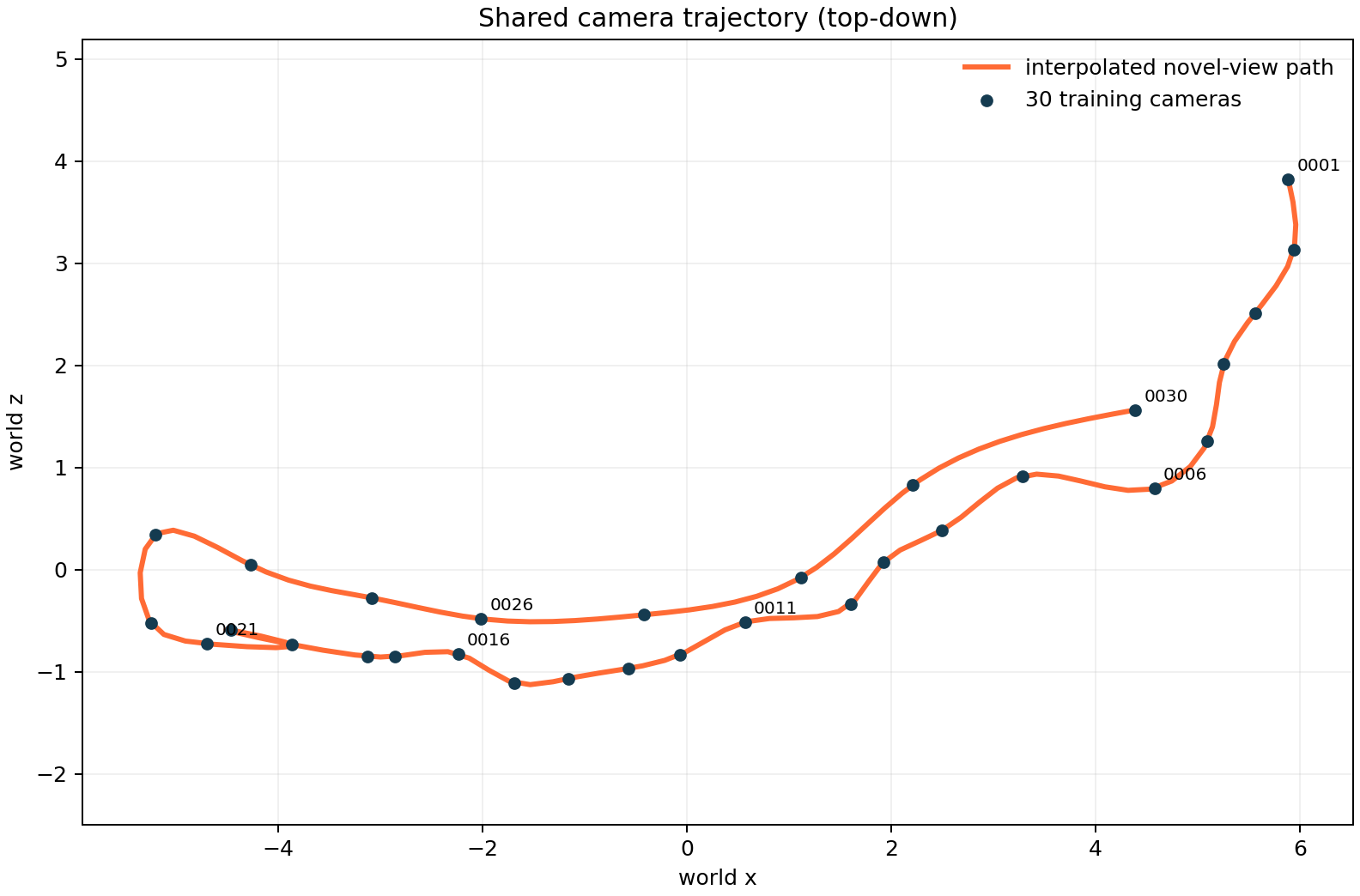
Natural cubic translation and smooth SO(3) rotation interpolation through the 30 ordered cameras, followed by a reverse traversal for a continuous ping-pong loop.